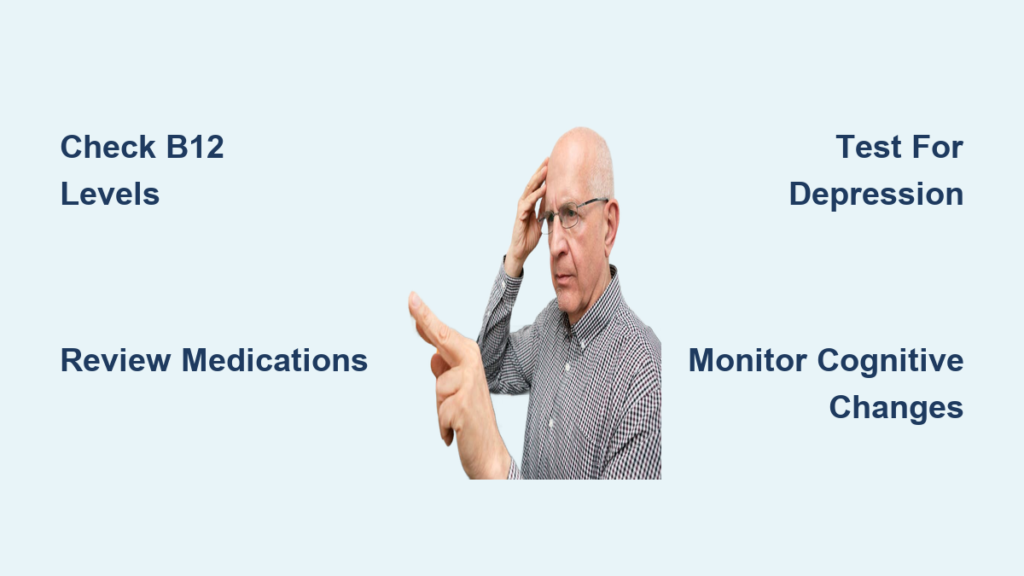
You walk into the kitchen and forget why you came in. Your parent repeats the same story within an hour. These moments are frustrating, and they raise an important question: are memory lapses in the elderly a normal part of aging, or do they signal something more serious?
This guide explains what causes memory lapses in older adults, how to spot warning signs early, and what you can do to support brain health. You’ll learn when to see a doctor, which daily habits make a real difference, and how to talk to a loved one about concerns without causing alarm.
Recognizing When Memory Lapses Signal a Real Problem
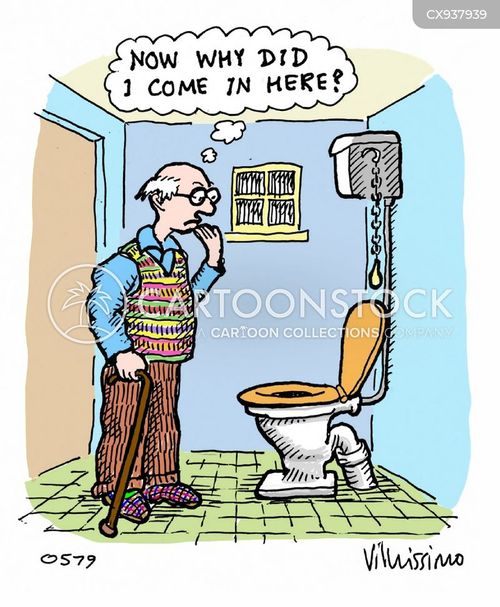
How to Tell Normal Aging from True Memory Loss
Aging often slows recall, but true memory loss is different. If you can remember things with enough time and without hints, it’s probably not a disease process. The key distinction is whether the brain can still form and retrieve memories, even if it takes longer.
Signs that go beyond normal aging include:
• Forgetting recent conversations or events entirely
• Repeating the same questions or stories within hours
• Misplacing items and being unable to retrace steps
• Getting lost in familiar places
• Struggling with tasks like managing finances or cooking
When these patterns appear regularly, they deserve medical attention.
Early Signs of Mild Cognitive Impairment
Memory lapses are one of the main symptoms of mild cognitive impairment (MCI). With MCI, daily functioning stays the same, but there’s a noticeable difference in memory or language skills. It can be one of the first signs of developing dementia, though not everyone with MCI progresses to a more serious condition.
Common early indicators include:
• Trouble remembering appointments
• Difficulty finding the right words during conversation
• Losing track of dates or seasons
• Taking longer to finish familiar tasks
• Withdrawing from social situations due to memory concerns
Recognizing MCI early gives you the best chance to address underlying causes and plan ahead.
Common Causes of Memory Lapses in the Elderly

Reversible Medical Conditions That Mimic Memory Loss
Many causes of memory lapses in the elderly are treatable. Identifying these early can prevent unnecessary decline and restore cognitive function.
Conditions that often look like memory loss include:
• Vitamin B12 deficiency, which affects nerve function and clarity
• Thyroid disorders, especially hypothyroidism that slows mental processing
• Depression and anxiety, which disrupt focus and memory consolidation
• Sleep apnea, where interrupted breathing reduces oxygen to the brain
• Medication side effects from anticholinergics, sedatives, or certain painkillers
• Chronic fatigue or poor sleep, which prevents the brain from consolidating memories
A full medical evaluation can uncover these often-overlooked culprits.
Progressive Brain Diseases Linked to Memory Decline

When memory lapses worsen over time, neurodegenerative diseases may be the cause. These conditions involve gradual brain cell loss that affects how memories form and are retrieved.
The most common progressive causes include:
• Alzheimer’s disease, which affects short-term memory first
• Lewy body dementia, often paired with hallucinations and movement issues
• Vascular dementia, caused by reduced blood flow after mini-strokes
• Parkinson’s disease dementia, which develops in later stages
• Frontotemporal dementia, which changes personality and language early on
Early diagnosis helps families manage symptoms and prepare for the future.
When to Seek Medical Help for Memory Lapses
Symptoms That Require Immediate Attention
Sudden memory loss, known as amnesia, is always a medical emergency. It can signal a stroke, aneurysm, head injury, or severe infection. Brain damage may become permanent without quick treatment.
Seek emergency care if memory lapses appear with:
• Confusion or sudden disorientation
• Slurred speech or weakness on one side of the body
• Severe headache or vision changes
• Loss of consciousness
For gradual changes, schedule a medical visit as soon as patterns become noticeable to family members.
What Happens During a Medical Evaluation

Doctors use several tools to find the root cause of memory lapses in the elderly. The process usually includes a combination of screening and testing.
Typical evaluation steps include:
• Cognitive screening tests to measure memory and thinking
• Blood tests to check B12, thyroid, and metabolic markers
• Brain imaging such as MRI or CT to rule out tumors or strokes
• A review of current medications for cognitive side effects
• Mood and sleep assessments to screen for depression or apnea
An accurate diagnosis is the first step toward effective management.
Lifestyle Changes That Support Brain Health

Daily Habits That Reduce Memory Risk
While not all memory lapses are preventable, brain-healthy habits can lower risk and slow decline. Small, consistent choices add up over time.
Proven strategies include:
• Exercising at least 150 minutes per week to boost blood flow
• Eating a Mediterranean-style diet rich in fish, nuts, and vegetables
• Staying socially active through conversations and group activities
• Prioritizing 7 to 8 hours of sleep each night
• Managing blood pressure, diabetes, and cholesterol
These habits support brain resilience at any age.
Mental Exercises That Keep the Brain Sharp
A mentally engaged brain builds reserve against decline. Consistency matters more than intensity, so daily small challenges work best.
Ways to stay cognitively active:
• Learn a new skill like a language or musical instrument
• Solve puzzles, crosswords, or Sudoku regularly
• Read books or listen to audiobooks
• Play memory games or strategy-based board games
• Pursue meaningful hobbies that require focus
Mental exercise works best when paired with physical health and social connection.
Practical Strategies for Managing Memory Lapses at Home
Tools and Routines That Build Confidence
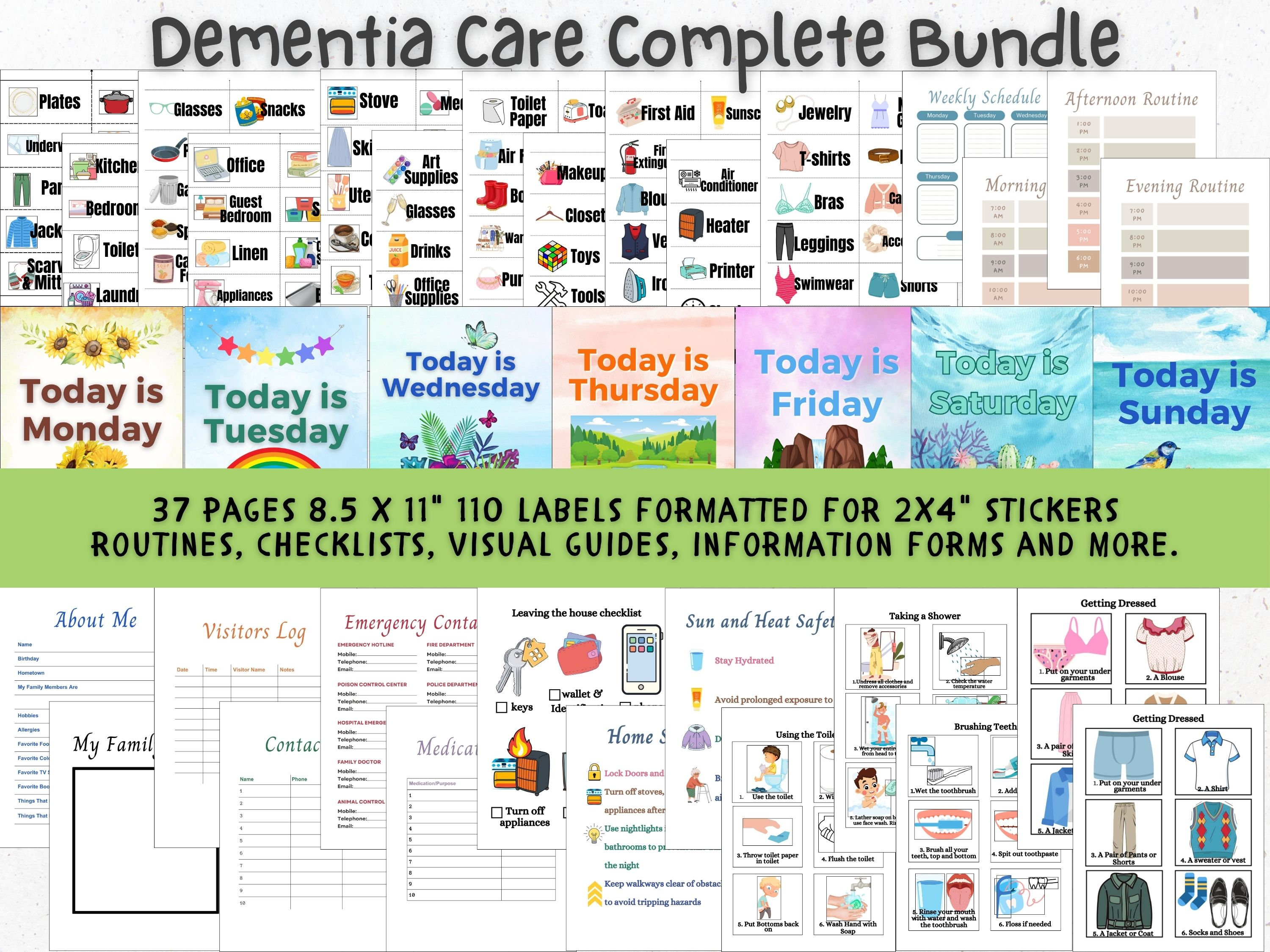
Simple adaptations can help older adults stay independent despite memory lapses. Structure reduces confusion and frees up mental energy.
ful techniques include:
• Using digital calendars or wall planners for appointments
• Labeling cabinets, drawers, and containers clearly
• Establishing fixed routines for meals, medications, and bedtime
• Keeping a daily journal to record events and important details
• Designating one spot for keys, wallet, and phone
These tools reduce stress and make daily life more predictable.
Reducing Distractions to Improve Recall
A cluttered or noisy environment makes memory tasks harder. Limiting distractions helps the brain focus and retrieve information more efficiently.
Practical adjustments include:
• Turning off the TV during important conversations
• Choosing quiet spaces for discussions or reading
• Breaking complex tasks into smaller steps
• Avoiding multitasking when learning new information
• Practicing deep breathing or mindfulness to manage stress
Reducing mental load allows the brain to function at its best.
Emotional Support and Difficult Conversations
Talking to a Loved One About Memory Concerns
Bringing up memory lapses with a parent or spouse can feel delicate. A gentle, supportive approach builds trust and encourages action.
Tips for starting the conversation:
• Use “I” statements like “I’ve noticed you seem more forgetful lately”
• Avoid blame, criticism, or public correction
• Offer to attend a medical appointment together
• Frame the discussion around safety and well-being
• Listen to their concerns without dismissing them
Early dialogue fosters cooperation and helps everyone plan ahead.
Finding Support Through Counseling and Groups
Memory issues affect emotional health for both the individual and family members. Professional support can ease anxiety and provide practical tools.
Valuable resources include:
• Counseling to process fear, frustration, or grief
• Local or online support groups for shared experiences
• Caregiver training programs for family members
• Educational materials from trusted medical organizations
You don’t have to navigate memory lapses in the elderly alone.
Preventing Future Memory Lapses in the Elderly
Risk Reduction Strategies That Work
While aging increases risk, you can influence your brain health trajectory. Preventive steps taken today pay off in later years.
Key prevention strategies include:
• Wearing a helmet during biking, skiing, or contact sports
• Limiting alcohol to reduce blackout risk and brain damage
• Avoiding smoking, which harms blood vessels throughout the body
• Preventing falls by removing tripping hazards at home
• Managing chronic conditions like high blood pressure and diabetes
• Getting adequate sleep and treating sleep disorders
Small changes create meaningful protection over time.
Routine Monitoring and Proactive Care
Routine check-ups should include cognitive screening, especially after age 65. Being proactive helps catch issues early, when interventions work best.
Questions to ask your doctor:
• “Can we include a memory screening in today’s visit?”
• “Are any of my current medications affecting my thinking?”
• “What warning signs should I watch for at home?”
• “How often should my cognitive health be rechecked?”
Staying engaged with your healthcare team keeps memory lapses from going unnoticed.
Frequently Asked Questions About Memory Lapses in the Elderly
Can depression cause memory lapses in the elderly?
Yes. Depression disrupts many areas of the brain, making it harder for those regions to communicate. Since memory depends on cooperative processing, depression can directly cause memory lapses. Recognizing and treating depression is essential for cognitive recovery.
Are memory lapses a normal part of aging?
Minor memory difficulties, like taking longer to recall names, are typical with age. However, true memory loss means you cannot form or retrieve memories even with time and cues. If you can still remember things eventually, it’s likely normal aging rather than disease.
When should memory lapses be treated as an emergency?
Sudden memory loss, or amnesia, always requires emergency medical care. It can signal a stroke, brain bleed, infection, or head injury. Time is critical because brain damage may become permanent without prompt treatment.
Can suppressing emotions lead to memory problems?
Research suggests a possible link between suppressing emotions and a higher risk of developing dementia. However, scientists don’t yet know if emotion suppression directly causes memory loss or if other factors are involved. More research is needed to clarify this connection.
What daily habits help manage memory lapses at home?
Effective habits include using calendars and smartphone reminders, keeping a consistent daily routine, labeling drawers and items, writing notes for important information, limiting distractions, engaging in brain games, staying physically and socially active, and getting enough sleep.
Is there a way to prevent memory lapses in the elderly?
Progressive memory loss usually isn’t preventable, but amnesia sometimes is. You can lower your risk by limiting alcohol, wearing protective headgear during risky activities, managing chronic health conditions, eating well, exercising regularly, sleeping adequately, and avoiding illicit drugs.
Key Takeaways for Understanding Memory Lapses in the Elderly
Memory lapses in the elderly range from normal age-related changes to signs of serious conditions. The difference lies in whether memories can still be formed and retrieved with time and cues. Many causes are reversible, including B12 deficiency, thyroid problems, depression, and medication side effects. Others, like Alzheimer’s and vascular dementia, require early diagnosis for the best outcomes.
Daily habits make a real difference. Exercise, a Mediterranean-style diet, quality sleep, social engagement, and mental challenges all support brain resilience. Practical tools like calendars, labels, and routines help older adults stay independent despite memory lapses.
If you or a loved one is experiencing memory concerns, schedule a medical evaluation today. Early action opens the door to treatment, planning, and peace of mind.