
If you’re an elderly adult recovering from surgery, managing a chronic illness, or living with limited mobility, receiving medical care at home can transform your recovery and daily comfort. Medicare offers a range of home health services designed to bring skilled care directly to your doorstep, helping you avoid unnecessary hospital stays or facility placements. Understanding medicare benefits for elderly individuals is the first step toward accessing professional, medically necessary care without leaving the place you feel safest: your own home.
Many seniors assume Medicare covers any type of home assistance, but that’s not the case. This guide breaks down exactly what home health services are included, who qualifies, and what costs you can expect. You’ll also learn practical steps to start care, common mistakes to avoid, and how to find a trusted provider in your area.
Who Qualifies for Medicare Home Health Benefits for Elderly Adults

Meet the Homebound Requirement
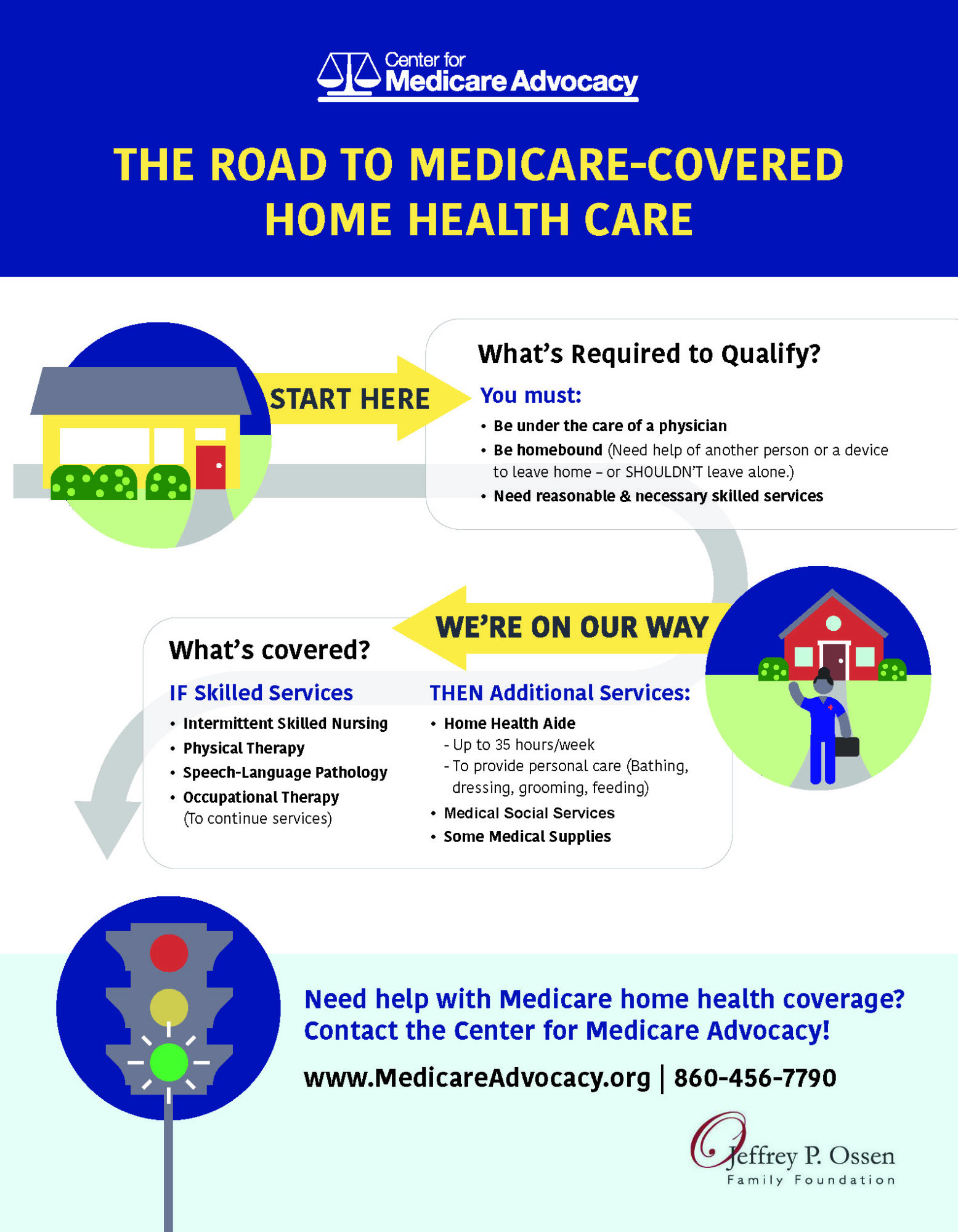
To access medicare benefits for elderly home care, you must first be considered “homebound.” This term has a specific meaning and does not mean you can never leave your residence. You qualify if leaving home requires considerable effort due to illness or injury, and your doctor advises against unsupervised outings.
You meet the homebound criteria if any of the following apply:
- Your doctor recommends you stay home because of your condition
- You rely on assistive devices such as a walker, wheelchair, cane, or crutches
- You need another person to help you leave safely
- Leaving home takes significant physical or mental effort
Short trips for medical appointments, religious services, or family gatherings do not disqualify you. You can also attend adult day care programs and still receive home health coverage.
Require Skilled, Part-Time Care
Medicare only covers care that is part-time or intermittent and delivered by skilled professionals. Full-time nursing or long-term custodial help does not qualify. You may be eligible if you need:
- Skilled nursing for wound treatment or injections
- Physical or occupational therapy
- Intravenous therapy or nutrition support
- Monitoring for serious or unstable health conditions
If your condition requires 24/7 supervision, Medicare will not cover it under home health. However, other programs like Medicaid or private long-term care insurance may help fill the gap.
What Home Health Services Are Covered
Skilled Nursing Care in Your Home
Medicare pays for part-time or intermittent visits from a licensed nurse when your doctor determines care is medically necessary. Covered services include:
- Wound care for surgical incisions or pressure sores
- Intravenous therapy and nutrition support
- Injections and medication administration
- Monitoring of serious illnesses such as heart failure or COPD
- Education for you and your caregivers about managing your condition
All nursing services must be ordered by a healthcare provider and delivered by a Medicare-certified home health agency.
Home Health Aide Support
You may receive help from a home health aide, but only when it supports your skilled care plan. Covered tasks include:
- Assistance with bathing, grooming, and personal hygiene
- Help changing bed linens
- Support with feeding or walking
- Assistance with prescribed exercises
Aides cannot provide full-time personal care. Their visits are limited and must be directly tied to your skilled treatment.
Therapy and Rehabilitation Services
If you’re recovering from a stroke, surgery, or injury, Medicare covers therapy to restore function and independence. Covered services include:
- Physical therapy to build strength and improve mobility
- Occupational therapy to relearn daily living skills
- Speech-language pathology for communication or swallowing difficulties
Therapy must be medically necessary and show measurable improvement or help maintain your current level of function.
What Medicare Does Not Cover
No Custodial or Long-Term Personal Care
Medicare does not pay for services considered custodial rather than medical. Excluded services include:
- Full-time help with dressing, bathing, or eating when not part of skilled care
- Long-term home care for general aging-related needs
- Meal delivery or housekeeping unless tied to a skilled plan
- Non-medical companionship
Even if your doctor recommends these services, they remain outside Medicare’s home health coverage.
Excluded Equipment and Supplies
While Medicare covers durable medical equipment like wheelchairs or hospital beds, it does not pay for:
- Non-prescribed medical supplies
- Over-the-counter medications
- Items not ordered by your provider
- Equipment from suppliers not approved by Medicare
Always confirm coverage before accepting any equipment or supplies.
How to Start Receiving Home Health Care
Get a Face-to-Face Evaluation
Before receiving home health services, a healthcare provider must assess you in person. During this visit, your provider will:
- Evaluate your condition and confirm you need skilled care
- Verify that you meet the homebound requirement
- Certify your need for home health services
This face-to-face evaluation must occur within 90 days before or 30 days after your home health care begins.
Receive a Referral and Personalized Care Plan
Once certified, your provider will refer you to a Medicare-approved home health agency. The agency will:
- Schedule an in-home assessment to review your needs
- Create a personalized care plan with your doctor
- Coordinate visits from nurses, therapists, or aides
- Keep your provider updated on your progress
You will receive a written copy of your care plan and can request changes at any time.
Understanding Costs and Payment Details

$0 for Covered Home Health Visits
You pay nothing for Medicare-covered home health services, including:
- Skilled nursing visits
- Physical, occupational, or speech therapy
- Home health aide services when part of skilled care
There is no copay or coinsurance for these visits as long as they are medically necessary and approved by Medicare.
20% for Durable Medical Equipment
After meeting your Part B deductible, you pay 20% of the Medicare-approved amount for:
- Durable medical equipment such as walkers, wheelchairs, or hospital beds
- Certain medical supplies used during your treatment
The home health agency must inform you in advance if any equipment is not covered and how much you will owe.
Know Your Financial Responsibility
Before receiving any non-covered service, the agency must give you an Advance Beneficiary Notice (ABN). This document explains:
- Why Medicare will not pay for the service
- Your estimated out-of-pocket cost
- Your right to refuse the service
Keep a copy of every ABN for your records in case of billing disputes.
Frequency and Duration of Home Health Care
Up to 28 Hours Per Week
Most qualifying patients can receive up to 28 hours per week of skilled care, including nursing visits, therapy sessions, and aide services. This is typically limited to 8 hours per day across all combined services.
Short-Term Increase When Needed
If your condition worsens, your provider can approve up to 35 hours per week for a limited period. This temporary increase must be medically justified and re-evaluated regularly to ensure continued need.
No Lifetime Visit Limit
Medicare places no cap on the number of home health visits you can receive. As long as you remain homebound, care is medically necessary, and your provider recertifies your need every 60 days, you can continue receiving services for months or even years.
Choosing a Medicare-Certified Home Health Agency
Verify Provider Credentials
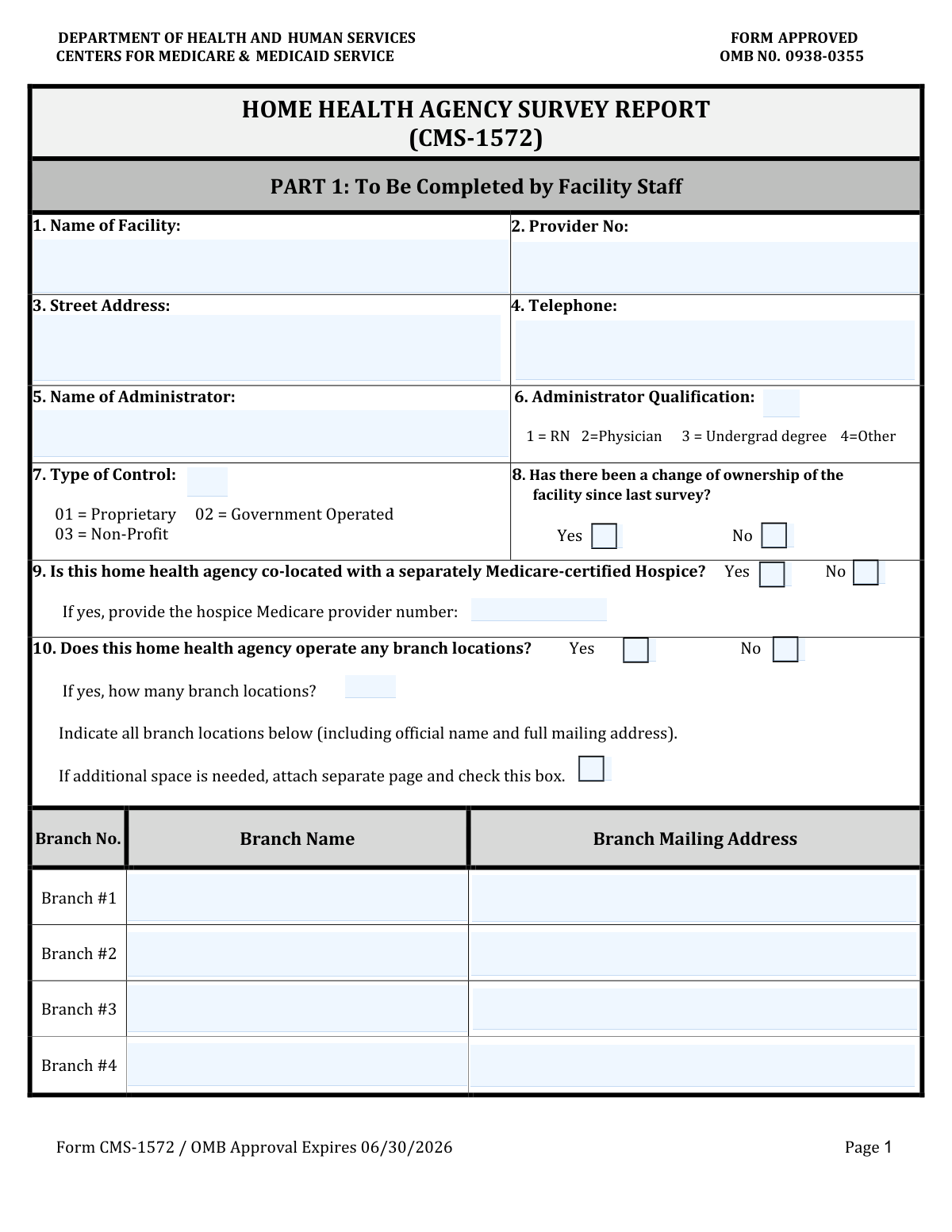
Only services from a Medicare-certified home health agency are covered. To confirm an agency’s status:
- Ask directly whether they accept Medicare
- Check certification status on Medicare.gov
- Confirm they will provide an ABN for any non-covered services
Avoid agencies that promise full-time personal care or guarantee approval regardless of your eligibility.
Request a Provider List from Your Doctor
Your doctor should give you a list of local agencies serving your area. They must also disclose any financial interest they have in any agency on that list, so you can make an informed choice.
Report Concerns Promptly
If an agency provides unnecessary services, bills you incorrectly, or pressures you into care, report the issue to:
- Medicare at 1-800-MEDICARE
- Your State Health Insurance Assistance Program (SHIP)
- The Office of Inspector General (OIG)
Staying informed protects your medicare benefits for elderly home care.
How Medicare Advantage and Medigap Affect Coverage
Check with Your Part C Plan
If you have a Medicare Advantage Plan (Part C), your home health benefits may differ from Original Medicare. Some plans require pre-authorization, limit the number of visits, or use specific agency networks. Contact your plan directly to confirm coverage rules and approved providers in your area.
Medigap May Help with Equipment Costs
Medigap policies do not cover home care services, but some plans help pay the 20% coinsurance for durable medical equipment. Review your policy details or speak with your insurer to understand potential savings on equipment costs.
Common Mistakes to Avoid
Do Not Assume All Care Is Covered
Many families mistakenly believe Medicare pays for full-time help with daily living. It does not. Only skilled, part-time care is covered. Always confirm with your provider exactly what services are included in your plan.
Never Skip the Advance Beneficiary Notice
If an agency provides a service Medicare does not cover, they must give you an ABN. Without this notice, you cannot be billed. Always ask for written confirmation before accepting any non-covered items.
Stay on Top of Recertification
Your care plan must be reviewed and renewed every 60 days. If your provider fails to recertify your need, Medicare may stop paying, even if you still require care. Stay proactive and follow up regularly with your doctor.
Finding Local Home Health Providers
Use the Medicare Provider Tool
To locate a Medicare-certified home health agency near you:
- Visit Medicare.gov
- Open the “Find a Provider” tool
- Enter your ZIP code
- Filter results by home health services
You will see ratings, available services, and contact information for each agency.
Ask for Trusted Recommendations
Talk to your doctor, local senior center, or family members for referrals. Personal experiences often reveal which agencies offer strong communication, reliable scheduling, and quality care.
Frequently Asked Questions About Medicare Benefits for Elderly Home Care
Does Medicare Cover 24-Hour Home Health Aides?
No. Medicare only covers part-time or intermittent home health aide services when they are part of a skilled care plan. If you need round-the-clock help, you may need to explore Medicaid, long-term care insurance, or private pay options.
Can I Receive Home Health Care If I Leave the House for Appointments?
Yes. Attending medical appointments, religious services, or short family outings does not disqualify you from being considered homebound. You can still receive home health benefits as long as leaving home requires significant effort.
How Long Can I Receive Medicare Home Health Services?
There is no lifetime limit on home health visits. As long as you remain homebound, require medically necessary skilled care, and your doctor recertifies your need every 60 days, you can continue receiving services indefinitely.
Will I Have to Pay Anything Out of Pocket?
For covered services, you pay nothing. However, you are responsible for 20% of the Medicare-approved amount for durable medical equipment after meeting your Part B deductible. You may also owe for any non-covered services if you accept an Advance Beneficiary Notice.
What Happens If My Condition Worsens?
Your doctor can authorize a temporary increase in care up to 35 hours per week if your condition requires it. This higher level of care is reviewed regularly and continues only as long as medically justified.
How Do I File a Complaint About a Home Health Agency?
You can report concerns to Medicare at 1-800-MEDICARE, your State Health Insurance Assistance Program, or the Office of Inspector General. Document any issues with dates, names, and details to support your complaint.
Key Takeaways for Seniors Using Medicare Home Health Benefits
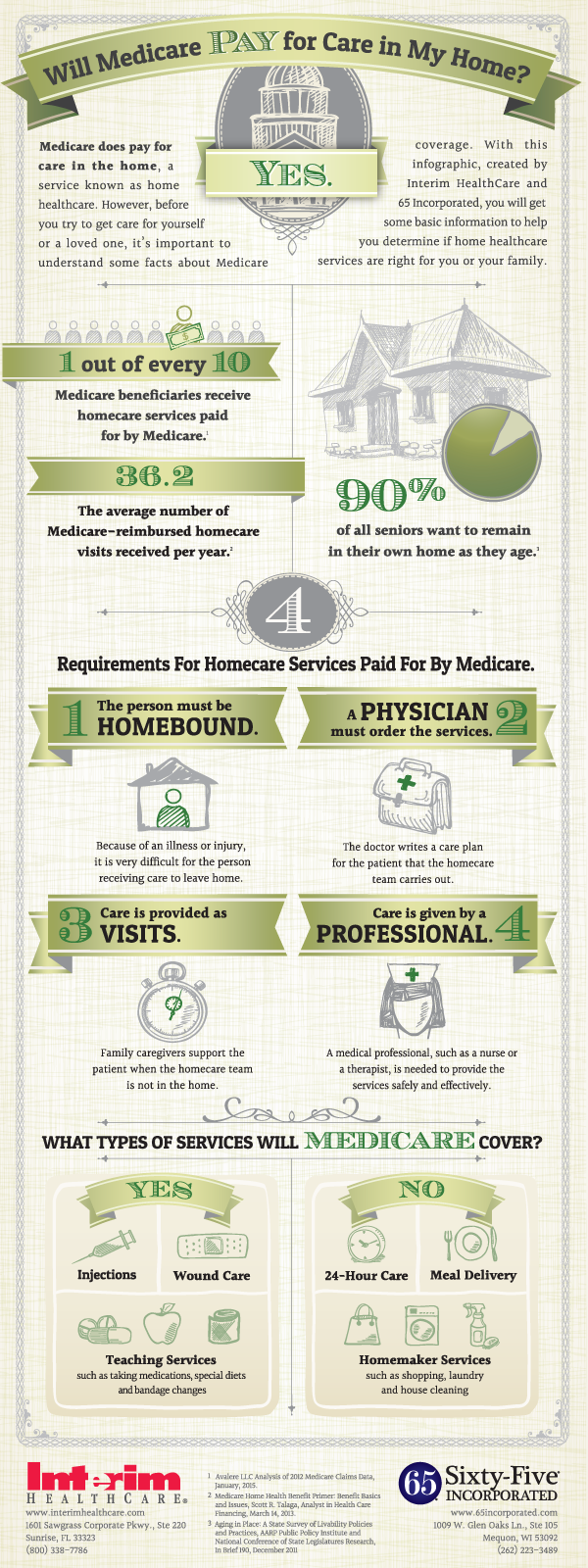
Medicare home health benefits offer elderly individuals a powerful way to receive skilled, medically necessary care at home at no cost. To qualify, you must be considered homebound and need part-time or intermittent skilled services such as nursing, therapy, or aide support. Coverage includes wound care, rehabilitation, and personal help tied to your treatment plan, but excludes full-time custodial care and non-medical assistance.
Start by asking your doctor for a face-to-face evaluation and a list of Medicare-certified agencies in your area. Always request an Advance Beneficiary Notice before accepting non-covered services, and stay engaged with your provider to ensure timely recertification every 60 days.
Your next step: Schedule a conversation with your doctor today to discuss whether home health care is right for your situation, and use the Medicare provider tool to find a trusted agency near you.