Malnutrition in elderly people is a silent health crisis affecting millions of older adults worldwide. As the body ages, nutritional needs shift while appetite often declines, creating a dangerous gap between what seniors need and what they actually consume. This imbalance leads to muscle loss, weakened immunity, longer hospital stays, and higher mortality rates. Despite these serious consequences, the condition frequently goes undiagnosed because symptoms mimic normal aging.
This guide breaks down the hidden causes of malnutrition in seniors, how to recognize early warning signs, and practical steps families and healthcare providers can take to prevent and reverse it. You’ll learn about risk factors like chronic illness, medication side effects, and social isolation, along with evidence-based strategies including dietary changes, oral supplements, and medical support. Whether you’re a caregiver or clinician, this article gives you the tools to act before complications develop.
Key Risk Factors for Malnutrition in Elderly People
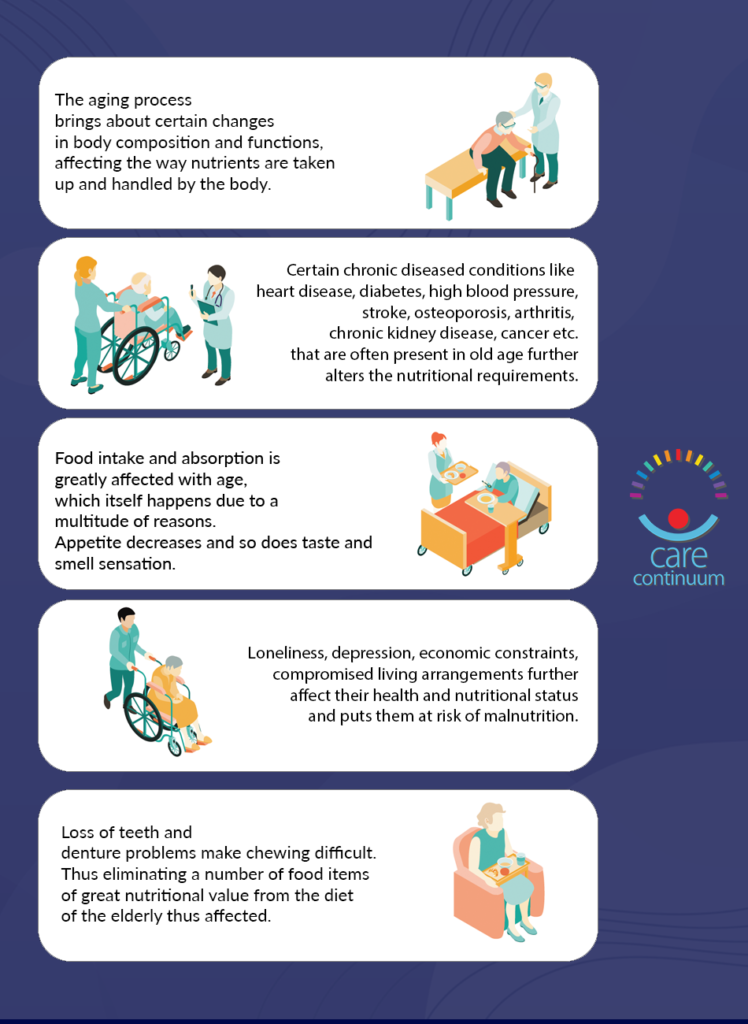
Multiple interconnected factors raise the risk of malnutrition in older adults. Identifying these risks early opens the door to timely intervention and better health outcomes.
Chronic Diseases That Drive Weight Loss
Chronic illnesses such as cancer, heart failure, chronic obstructive pulmonary disease, and dementia significantly increase malnutrition risk. These conditions raise metabolic demands while reducing appetite or the ability to eat. Dementia can impair recognition of hunger or the motor skills needed to use utensils. Cancer treatments often cause nausea, taste changes, or difficulty swallowing.
Organ dysfunction also matters. Liver or kidney disease alters how the body processes nutrients. Gastrointestinal disorders like Crohn’s disease or celiac disease limit absorption. Chronic inflammation accelerates muscle breakdown, worsening protein-energy malnutrition.
Medication Side Effects That Reduce Intake
Many older adults take multiple daily medications, some of which directly harm nutritional status. Common culprits include:
- Diuretics: Cause electrolyte imbalances and suppress appetite
- Antidepressants: Alter taste perception or cause dry mouth
- Chemotherapy drugs: Trigger nausea, vomiting, and appetite loss
- Opioids: Cause constipation and reduced gut motility
- Antibiotics: Disrupt gut flora and impair digestion
Polypharmacy, defined as using five or more medications, is especially concerning. Drug interactions can amplify side effects that interfere with eating or nutrient use.
Dental Problems and Swallowing Difficulties
Oral health issues are a major contributor to malnutrition in seniors. Missing teeth, poorly fitting dentures, gum disease, or tooth pain make chewing painful. Many older adults avoid fibrous foods like meats, fruits, and vegetables as a result. Over time, this selective eating creates deficiencies in protein and key micronutrients.
Swallowing difficulties, known as dysphagia, often follow stroke, Parkinson’s disease, or other neurological disorders. Fear of choking causes some seniors to eat less or skip meals entirely. Thickened liquids and soft diets are sometimes necessary but not always nutritionally complete without careful planning.
Early Warning Signs of Malnutrition in Seniors
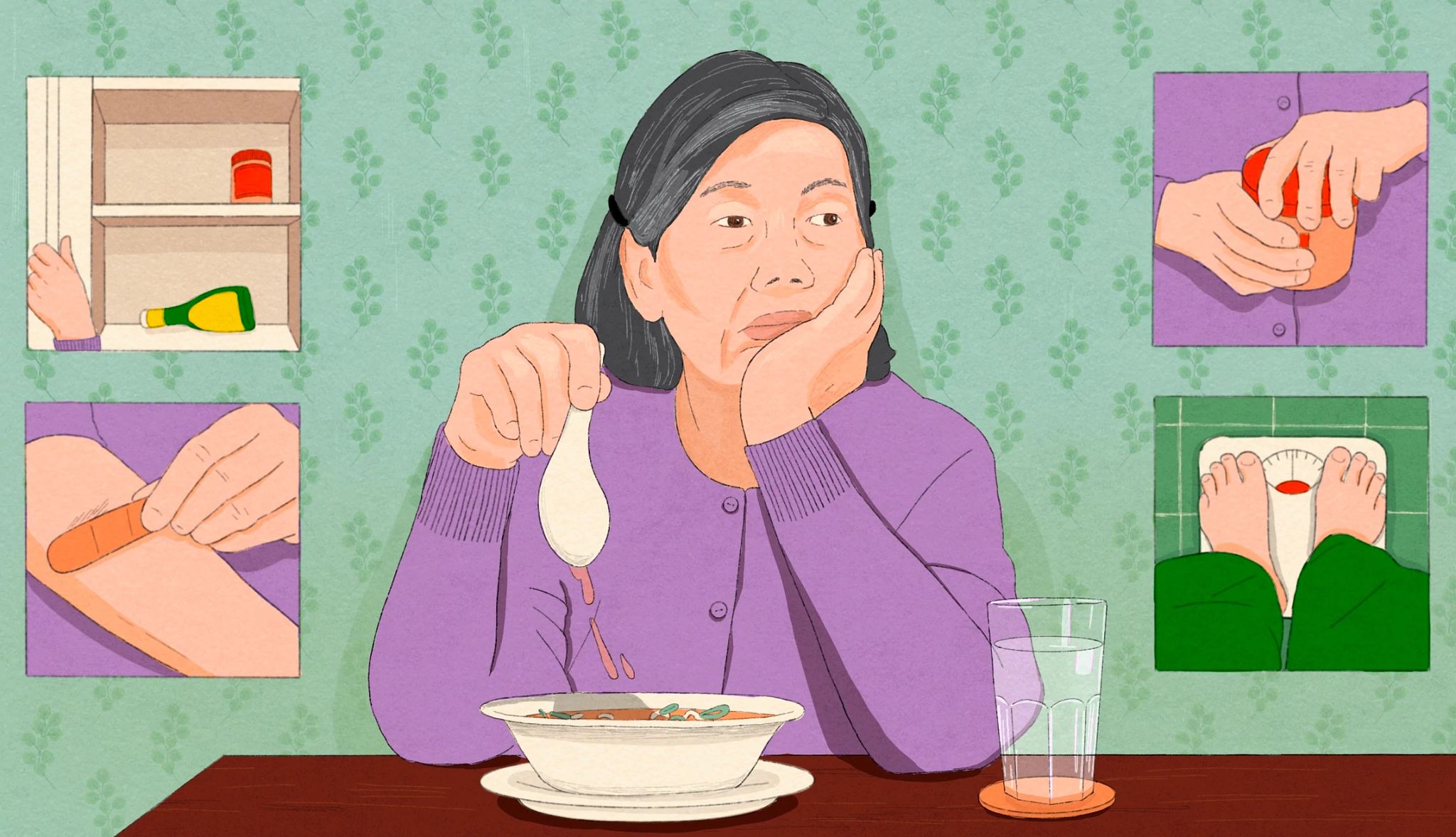
Detecting malnutrition early is critical. Symptoms are often subtle and mistaken for normal aging, but they signal an urgent need for nutritional assessment.
Unintentional Weight Loss
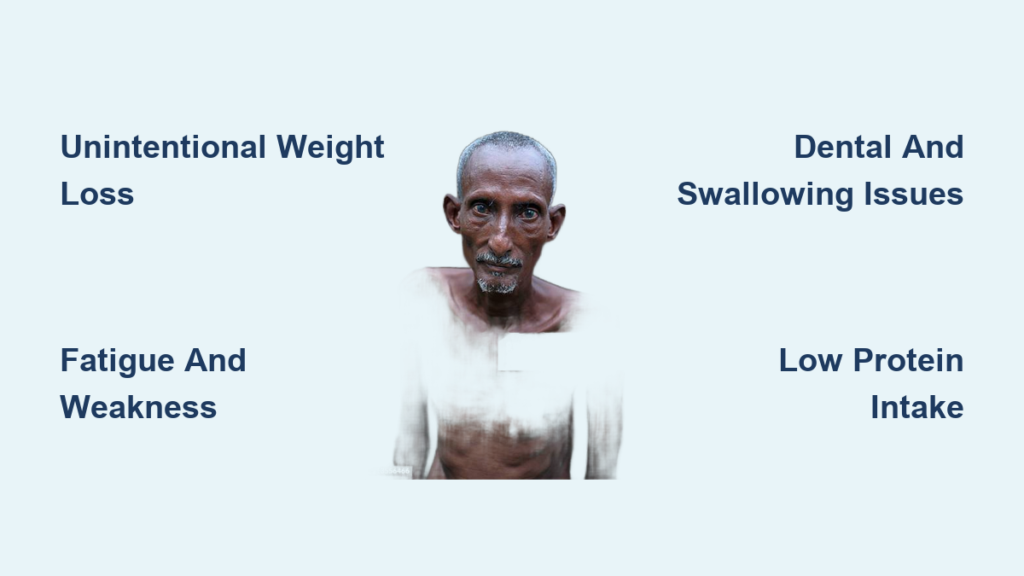
Losing 5% of body weight over 1 to 3 months, or 10% over 6 months, without trying is a red flag. For a 150-pound person, that means just 7.5 pounds in three months. Weight loss typically begins with muscle mass, leading to weakness and higher fall risk.
Caregivers should watch for clothing fitting loosely, belt size changes, or frequent comments about recent weight loss. Weekly home weighing helps catch declines early.
Fatigue and Muscle Weakness
Persistent tiredness and reduced physical function often stem from poor nutrition. Low protein intake leads to sarcopenia, the age-related loss of muscle mass. Deficiencies in iron, vitamin B12, or vitamin D contribute to fatigue and anemia.
Seniors may struggle to rise from chairs, climb stairs, or carry groceries. These functional declines increase dependency and reduce quality of life.
Visible Changes in Skin, Hair, and Nails
Malnutrition shows on the body. Dry, thinning skin that bruises easily suggests protein and vitamin C deficiency. Brittle nails and hair loss may indicate inadequate protein, zinc, or biotin. Pallor can signal iron-deficiency anemia, which is common in older adults with poor diets or gastrointestinal bleeding.
Mouth sores, swollen or bleeding gums, and a smooth red tongue may point to deficiencies in B vitamins, especially folate and B12.
Screening and Diagnosis Tools for Malnutrition
Early diagnosis through standardized screening tools helps identify at-risk individuals before severe malnutrition develops.
Use the Mini Nutritional Assessment (MNA)
The Mini Nutritional Assessment is the gold standard for detecting malnutrition risk in older adults. It evaluates:
- Food intake changes
- Weight loss
- Mobility
- Psychological stress or acute illness
- Body mass index
- Presence of dementia or depression
Scores categorize individuals as well-nourished, at risk, or malnourished. A short-form version allows quick screening in clinics or homes.
Track BMI and Mid-Arm Circumference
While body mass index has limitations in older adults, a BMI below 18.5 kg/m² raises concern. More useful is the mid-upper arm circumference, which reflects muscle and fat stores. A reading under 22 cm in women or 23 cm in men indicates malnutrition risk. Combining BMI with weight trend data gives a clearer picture than a single measurement.
Blood Tests for Nutrient Deficiencies
Lab tests support clinical findings but should never be used alone. Common markers include:
- Albumin below 3.5 g/dL: Indicates chronic protein deficiency
- Prealbumin below 15 mg/dL: Reflects recent protein intake
- Hemoglobin: Low levels suggest anemia from iron, B12, or folate deficiency
- 25-hydroxyvitamin D below 20 ng/mL: Linked to muscle weakness and bone loss
These values must be interpreted alongside clinical symptoms and dietary history.
Dietary Strategies to Prevent Malnutrition
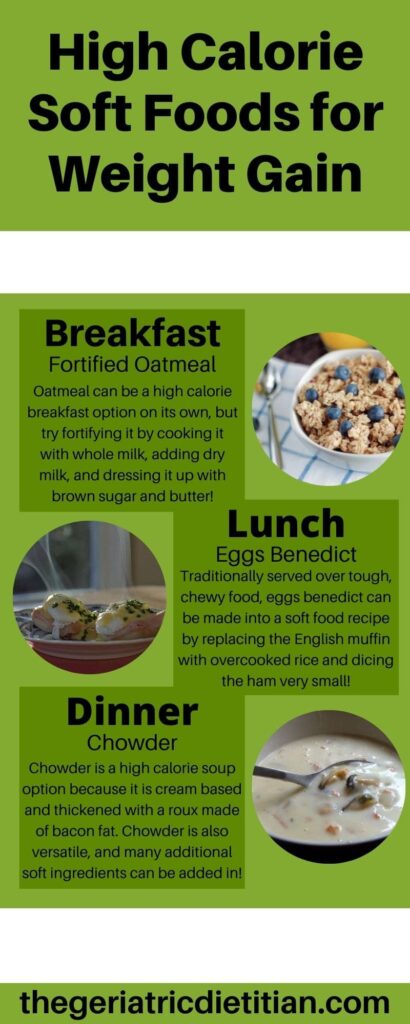
Improving food intake is the first-line approach to preventing and treating malnutrition in elderly people.
Boost Calorie and Protein Intake
Older adults need more protein than younger individuals, with daily targets of 1.0 to 1.2 grams per kilogram of body weight. For those who are ill or recovering, needs rise to 1.5 g/kg. For a 70 kg person, that means 70 to 105 grams of protein daily.
Simple ways to increase calories and protein:
- Add cheese, eggs, or ground meat to soups and casseroles
- Use milk instead of water in oatmeal, mashed potatoes, or smoothies
- Snack on nuts, yogurt, peanut butter, or protein bars
- Include protein-rich drinks like milkshakes or smoothies twice daily
Small, frequent meals (5 to 6 per day) are easier to manage than three large ones.
Fortify Foods with Extra Nutrients
Food fortification means adding nutrients to regular meals without increasing volume. This is ideal for seniors with small appetites.
Practical examples:
- Stir powdered milk into soups or porridge for added protein and calcium
- Mix butter or olive oil into vegetables, rice, or pasta
- Blend protein powder into fruit smoothies or applesauce
- Use cream instead of milk in coffee or cereals
These additions significantly increase energy and nutrient density without requiring larger portions.
Adapt Meals for Swallowing and Dental Issues
For those with chewing or swallowing problems:
- Offer moist, tender foods like stews, scrambled eggs, or fish
- Puree meals using a blender for dysphagia-safe textures
- Avoid dry, crumbly, or stringy foods such as crackers, pineapple, or roast beef
- Serve food at comfortable temperatures to enhance taste and safety
Consult a speech-language pathologist for a formal swallowing assessment if choking, coughing, or drooling occurs during meals.
Role of Oral Nutritional Supplements

When dietary changes fall short, oral nutritional supplements play a vital role in managing malnutrition in elderly people.
When Supplements Are Necessary
Oral nutritional supplements are recommended when:
- Weight loss continues despite dietary efforts
- A person eats less than half their usual intake for more than 5 days
- Recovery from illness or surgery is delayed due to poor nutrition
Supplements are not substitutes for food but effective tools to bridge nutritional gaps.
Choose High-Protein, Energy-Dense Options
Effective supplements contain:
- At least 18 grams of protein per serving
- 300 or more kcal per bottle
- Vitamins and minerals tailored for seniors
Popular brands include Ensure Plus, Boost Very High Calorie, and Resource 2.0. Generic versions are often equally effective and more affordable.
Improve Supplement Adherence
Taste fatigue is common. Rotate flavors such as chocolate, vanilla, and strawberry, and serve supplements cold or over ice. Offer them between meals rather than before, to avoid reducing appetite. For those with lactose intolerance, choose lactose-free or soy-based options.
Social and Environmental Influences on Senior Nutrition
Beyond biology, social factors profoundly shape eating behaviors in older adults.
Combat Social Isolation at Mealtimes
Eating alone is linked to poorer dietary intake. Loneliness reduces motivation to cook or eat. Seniors who live alone are more likely to skip meals or rely on convenience foods low in nutrients.
Effective solutions:
- Encourage shared meals with family, friends, or neighbors
- Use community programs like Meals on Wheels
- Join senior center dining groups
Even virtual meal companionship can improve engagement and appetite.
Address Depression and Cognitive Decline
Depression affects up to 20% of older adults and commonly causes appetite loss and neglect of self-care. Cognitive impairment, especially in Alzheimer’s disease, disrupts meal routines. Individuals may forget to eat, misidentify food, or become agitated during meals.
Helpful interventions:
- Screen for depression using tools like the Geriatric Depression Scale
- Initiate therapy or medication when appropriate
- Simplify meal environments for dementia patients by using contrasting plates or serving one food at a time
Caregiver education is essential for managing these complex cases.
Medical and Professional Interventions

When malnutrition is severe or unresponsive to diet and supplements, medical support becomes necessary.
Involve a Registered Dietitian
A registered dietitian provides personalized nutrition plans based on medical history, preferences, and lab results. They can:
- Calculate precise calorie and protein needs
- Recommend appropriate supplements
- Teach food modification techniques
- Monitor progress over time
Referral to a dietitian is especially important for those with diabetes, kidney disease, or heart failure.
Consider Tube Feeding with Caution
Enteral feeding via nasogastric or gastrostomy tube is sometimes used in advanced illness. However, tube feeding does not improve survival or quality of life in most elderly patients with advanced dementia and may increase complications like infections or pressure ulcers.
Current guidelines recommend focusing on hand-feeding with comfort-oriented care in end-stage conditions, unless there is a reversible cause of malnutrition.
Review and Adjust Medications
Work with a physician or pharmacist to evaluate all medications for appetite-suppressing side effects. Alternatives may exist. For example:
- Switch from dry mouth-inducing antidepressants to options with fewer oral side effects
- Adjust diuretic timing to avoid nighttime disruptions to sleep and appetite
- Use prokinetic agents for delayed gastric emptying
Regular medication reviews can significantly improve nutritional intake.
Prevention Through Routine Screening
Preventing malnutrition requires proactive, systematic efforts in all care settings.
Screen in Hospitals and Care Homes
Up to 60% of hospitalized older adults are malnourished, yet few receive a diagnosis. Routine screening upon admission using tools like the MNA or NRS-2002 ensures early identification.
Hospitals should:
- Weigh patients on admission and monitor weekly
- Offer fortified meals and between-meal snacks
- Provide assistance with eating when needed
- Train staff to recognize malnutrition signs
Care homes must ensure meals are appetizing, culturally appropriate, and served in a social environment.
Empower Primary Care Providers
General practitioners play a key role in early detection. Annual wellness visits should include:
- Weight and BMI tracking
- Questions about appetite, meal frequency, and food access
- Screening for depression and oral health issues
Electronic health records can flag patients with recent weight loss for follow-up.
Educate Families and Caregivers
Caregivers need practical knowledge to support healthy eating. Education should cover:
- How to spot weight loss early
- Ways to make meals more appealing
- Safe food preparation for those with swallowing issues
- When to seek professional help
Community workshops or printed guides can enhance awareness and confidence.
Frequently Asked Questions About Malnutrition in Elderly People
What are the most common causes of malnutrition in elderly people?
The most common causes include chronic diseases like cancer, heart failure, and dementia, medication side effects that suppress appetite, dental problems that make chewing painful, and social isolation that reduces motivation to eat. Swallowing difficulties and depression also play significant roles.
How can I tell if an older adult is malnourished?
Key warning signs include unintentional weight loss, persistent fatigue, muscle weakness, dry or thinning skin, brittle nails, and mouth sores. Clothing fitting loosely or frequent comments about losing weight are also red flags worth investigating.
How much protein do seniors need daily?
Older adults need 1.0 to 1.2 grams of protein per kilogram of body weight daily. For those who are ill or recovering, needs rise to 1.5 g/kg. A 70 kg person should aim for 70 to 105 grams of protein per day through food and supplements.
Are oral nutritional supplements effective for seniors?
Yes, oral nutritional supplements are effective when dietary changes alone are not enough. High-protein, energy-dense options with at least 18 grams of protein and 300 kcal per serving help bridge nutritional gaps and support weight gain.
Can malnutrition in elderly people be reversed?
In many cases, yes. Early identification combined with dietary changes, oral supplements, social support, and medical management can reverse malnutrition and restore strength, independence, and quality of life.
Key Takeaways for Combating Malnutrition in Elderly People
Malnutrition in elderly people is both preventable and treatable when caught early. Recognizing risk factors like chronic disease, medication side effects, and dental problems allows caregivers and clinicians to intervene before serious complications develop. Spotting warning signs such as unintentional weight loss, fatigue, and visible changes in skin or nails makes early action possible.
Simple strategies like increasing protein intake, fortifying foods, using oral supplements, and improving mealtime environments make a meaningful difference. Routine screening in healthcare settings, combined with social support and medical management, forms a comprehensive defense against this silent epidemic.
Your next step: Schedule a nutritional screening using the Mini Nutritional Assessment for any older adult showing signs of weight loss or reduced food intake. Early action today preserves strength, independence, and quality of life tomorrow.