Staying active after 65 is one of the most powerful choices you can make for your health. Regular movement protects your heart, sharpens your mind, and helps you stay independent for years to come. The benefits of exercise for elderly people extend far beyond fitness, offering protection against serious diseases while improving daily energy and mood. Even modest activity, like a daily walk or gentle stretching, produces real, measurable results.
This guide breaks down what science says about how physical activity transforms aging. You will learn about immediate effects, long-term disease prevention, safe ways to get started, and practical tips for building a routine that lasts.
Immediate Benefits You Feel After One Workout

You do not have to wait months to experience positive changes. A single session of moderate activity triggers fast-acting improvements in how you feel and function.
Better Sleep That Night
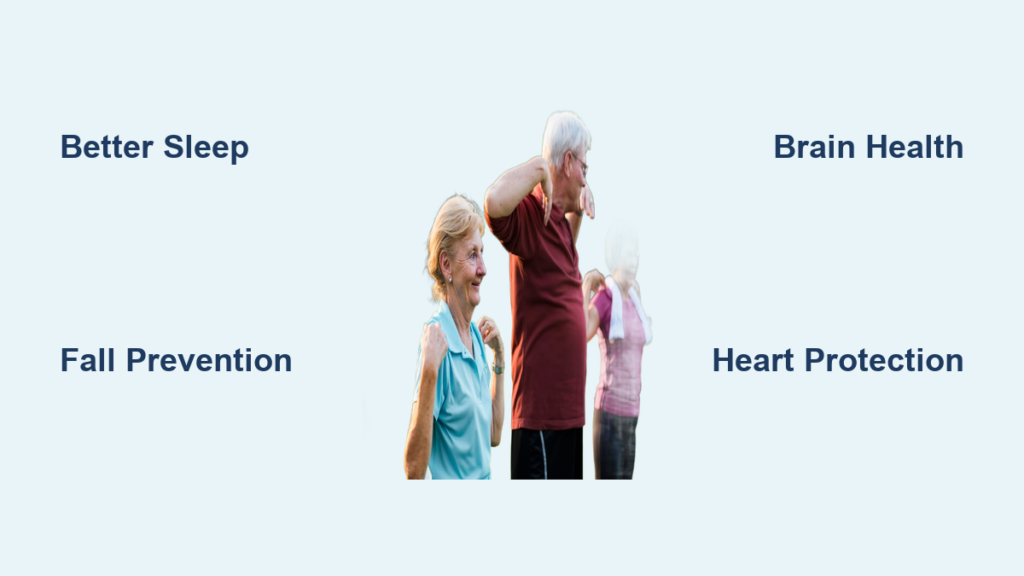
Many older adults struggle with restless sleep, but exercise helps reset your internal clock. Physical exertion promotes deeper, more restorative sleep by reducing nighttime awakenings and helping you fall asleep faster. A 30-minute walk or light resistance session earlier in the day can transform your sleep quality tonight.
Quick Anxiety Relief
Exercise works as a natural stress reliever. Movement releases endorphins and other mood-regulating chemicals that calm your nervous system within minutes. This makes physical activity a practical, drug-free way to manage daily tension and emotional ups and downs.
Temporary Blood Pressure Drop
High blood pressure affects many seniors, but a single workout provides immediate cardiovascular relief. Exercise triggers a temporary reduction in blood pressure, easing strain on your heart and arteries. This effect is especially valuable for anyone managing hypertension.
Long-Term Protection Against Chronic Disease
Consistent activity builds a powerful defense against the most common age-related illnesses. Over weeks and months, regular movement reshapes your health trajectory.
Lower Risk of Dementia and Alzheimer’s
Exercise is essential fuel for your brain. Long-term physical activity strengthens neural connections, improves blood flow, and supports the growth of new brain cells. Older adults who stay active have a significantly lower risk of developing dementia, including Alzheimer’s disease. Movement is now recognized as a key strategy for protecting cognitive health.
Reduced Depression Risk
Beyond lifting your mood in the moment, regular exercise helps prevent clinical depression over time. Physical activity regulates neurotransmitters like serotonin and dopamine, creating a stable mental environment that resists mood disorders. For seniors facing isolation or major life changes, staying active offers proactive emotional protection.
Stronger Heart and Lower Stroke Risk
Heart disease and stroke remain leading causes of death in older adults, but exercise dramatically reduces that risk. Consistent activity strengthens your heart muscle, improves circulation, and helps maintain healthy cholesterol and blood pressure levels. The result is fewer cardiac events and a longer, healthier life.
Type 2 Diabetes Prevention
Insulin sensitivity tends to decline with age, raising diabetes risk. Exercise counters this by helping your muscles use glucose more efficiently, even without weight loss. Regular activity improves blood sugar control and significantly lowers your likelihood of developing Type 2 diabetes.
How Exercise Lowers Cancer Risk

Physical activity does more than protect your heart and brain. Research confirms that regular exercise is linked to a reduced risk of eight specific cancers in older adults.
Eight Cancers With Reduced Risk
Staying active lowers your risk of:
– Bladder cancer
– Breast cancer
– Colon cancer
– Endometrial cancer
– Esophageal cancer
– Kidney cancer
– Lung cancer
– Stomach cancer
Exercise appears to reduce inflammation, regulate hormones, and support immune function, helping your body detect and eliminate abnormal cells before they become dangerous.
Recommended Activity Levels
The Physical Activity Guidelines for Americans recommend at least 150 minutes of moderate-intensity aerobic activity per week, such as brisk walking. Alternatively, aim for 75 minutes of vigorous activity like swimming or cycling. Add muscle-strengthening exercises on two or more days per week. Even 10-minute activity bursts throughout the day count toward your goal.
Boosting Immune Function as You Age
Your immune system naturally weakens over time, a process called immunosenescence. This makes seniors more vulnerable to infections like flu and pneumonia. Emerging research suggests exercise can help counter this decline.
Enhanced Immune Surveillance
Studies indicate that regular moderate exercise increases the circulation of immune cells, including natural killer cells and T-cells. These cells play a critical role in identifying and destroying viruses and abnormal cells. This enhanced immune response may reduce how often you get sick and how severe illnesses become.
Lower Inflammation
Chronic low-grade inflammation is common in aging and linked to many diseases. Exercise helps regulate your immune system by lowering inflammatory markers. Over time, this anti-inflammatory effect supports overall resilience and health.
Pro Tip: Avoid overtraining. While moderate activity supports immunity, excessive workouts without recovery can weaken your defenses. Stick to consistent, manageable routines for the best results.
Staying Independent Through Strength and Balance
One of the most valued benefits of exercise for elderly people is the ability to keep doing everyday tasks on your own. Movement directly supports the physical capacity needed for independent living.
Improved Balance and Fall Prevention
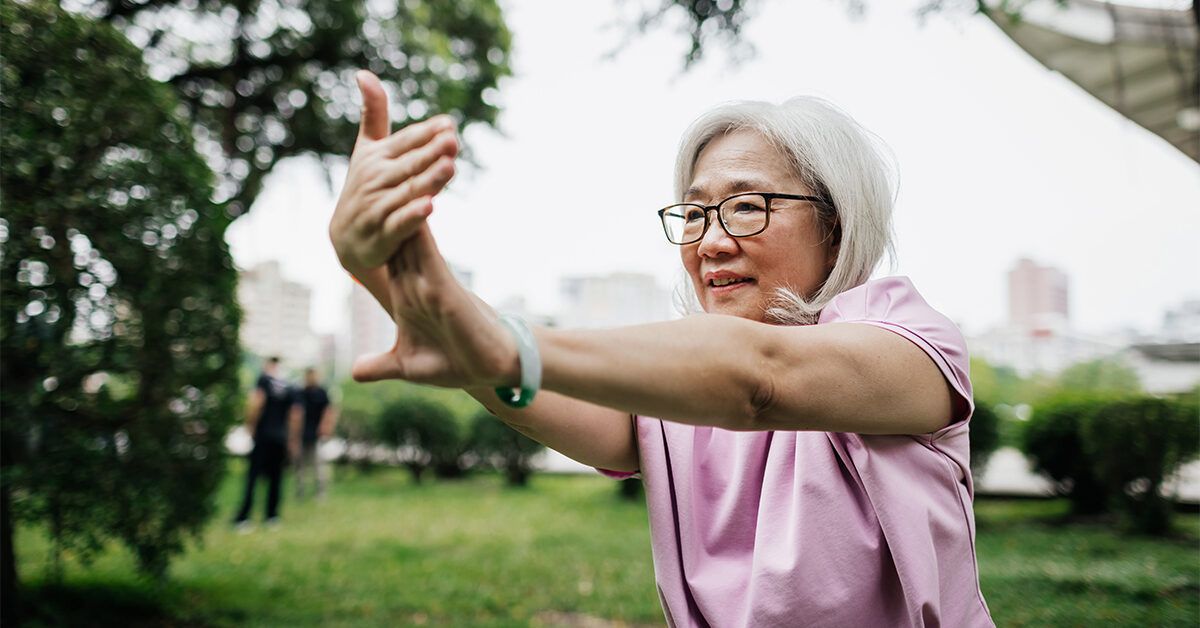
Falls are a leading cause of injury in seniors, but targeted exercises can reduce that risk. Activities like tai chi, heel-to-toe walking, and leg lifts enhance stability and coordination. Stronger muscles and better body awareness mean fewer slips and greater confidence when moving.
Increased Strength for Daily Tasks
Carrying groceries, climbing stairs, and getting up from a chair become harder with age, but resistance training reverses this trend. Using body weight, resistance bands, or light weights just twice a week builds muscle mass and power. This preserves your functional independence well into later years.
Greater Flexibility and Joint Comfort
Stiff joints limit mobility and cause discomfort. Stretching and low-impact activities like yoga or water aerobics improve flexibility, reduce pain, and keep joints moving smoothly. Daily movements become easier and more comfortable as a result.
Sharper Thinking and Better Memory
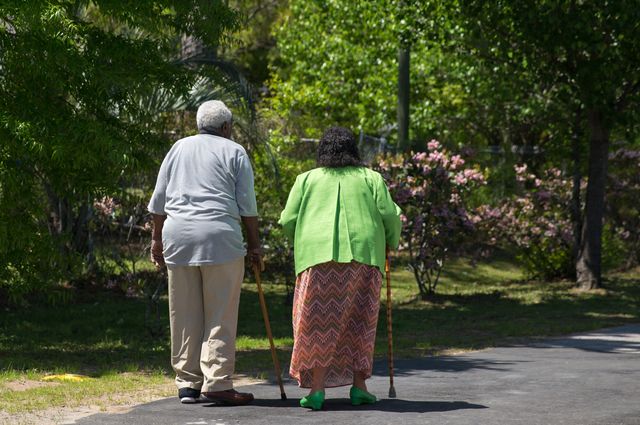
Exercise does more than slow cognitive decline; it can actively improve your thinking skills in the short and long term.
Immediate Mental Clarity
Many older adults report feeling mentally sharper after a walk or workout. Increased blood flow to the brain enhances attention, processing speed, and working memory. These small daily gains add up to better decision-making and improved daily functioning.
Long-Term Cognitive Protection
Physically active seniors experience slower deterioration in executive function, verbal memory, and problem-solving abilities. The brain benefits are dose-dependent, meaning more consistent activity generally translates to greater protection over time.
Social and Emotional Well-Being
Exercise is not always a solo activity, and the social connections you build matter just as much as the physical gains.
Reduced Loneliness
Group classes, walking clubs, and community fitness programs provide valuable social interaction. For seniors living alone or adjusting to retirement, these connections combat loneliness and build emotional resilience.
Greater Sense of Purpose
Setting and achieving fitness goals, whether walking a mile or mastering a new stretch, builds confidence and accomplishment. This promotes a positive self-image and strengthens your motivation to stay active.
Safe Ways to Start an Exercise Routine
Starting a new routine can feel intimidating, but it is never too late to begin. A thoughtful approach helps you build habits that last.
Talk to Your Doctor First
Before beginning any new exercise program, especially with existing health conditions, consult your healthcare provider. They can help identify safe activities and any precautions you should take.
Choose Activities You Enjoy
The best exercise is one you will stick with. Consider these gentle, joint-friendly options:
– Brisk walking
– Swimming or water aerobics
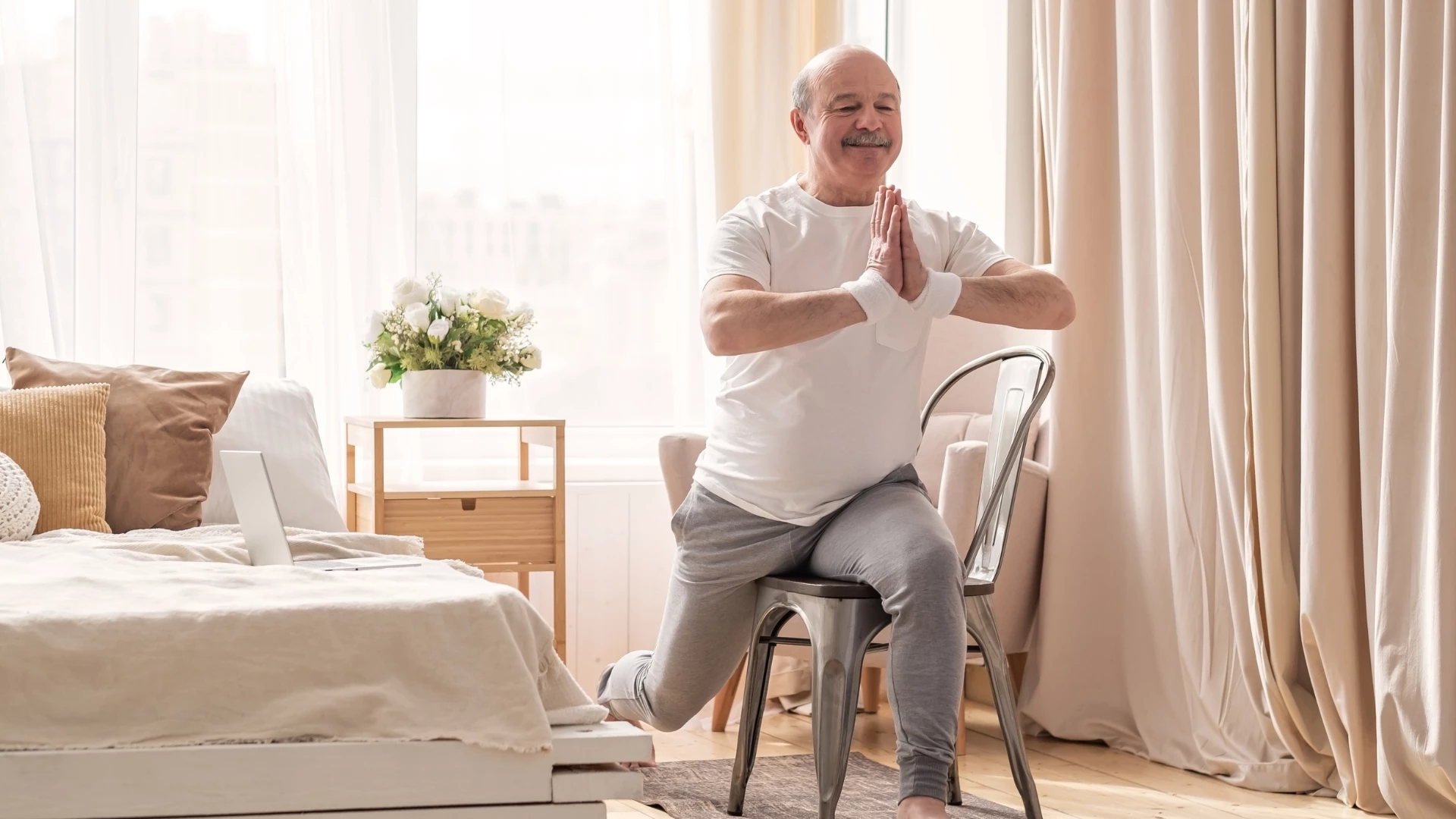
– Chair exercises
– Tai chi or yoga
Start Slow and Build Gradually
Begin with 10 to 15 minutes a day and slowly increase your duration and intensity. Consistency matters more than speed or distance. Use the “talk test”: if you can talk but not sing during activity, you are working at a moderate intensity.
Focus on Form and Safety
Wear supportive shoes, stay hydrated, and pay attention to your posture to prevent injury. Consider working with a physical therapist or certified trainer familiar with senior fitness to learn proper techniques.
What Seniors Commonly Report
Beyond clinical data, older adults consistently share tangible improvements in their daily lives:
– More energy throughout the day
– Easier time with household chores
– Better mood and less irritability
– Improved sleep without relying on medication
– Greater confidence in mobility
– Stronger social connections through group activities
These everyday wins make exercise one of the most impactful lifestyle choices for aging well.
Frequently Asked Questions About Exercise Benefits for Elderly People
How much exercise do seniors need each week?
The Physical Activity Guidelines for Americans recommend at least 150 minutes of moderate-intensity aerobic activity per week, such as brisk walking. Alternatively, 75 minutes of vigorous activity like cycling or swimming works. Add muscle-strengthening exercises on two or more days for full benefits.
What are the safest exercises for older adults?
Low-impact activities are ideal for seniors. Brisk walking, swimming, water aerobics, chair exercises, tai chi, and yoga are gentle on joints while providing significant health benefits. Always consult your doctor before starting a new routine.
Can exercise really help prevent dementia?
Yes. Research shows that older adults who stay physically active have a significantly lower risk of developing dementia, including Alzheimer’s disease. Exercise strengthens neural connections, improves blood flow to the brain, and supports the growth of new brain cells over time.
Does exercise help with sleep problems in seniors?
Yes. Physical activity improves sleep quality by helping regulate circadian rhythms and reducing nighttime awakenings. Even a single 30-minute session of moderate activity can promote deeper, more restorative sleep that night.
Is it too late to start exercising after 65?
It is never too late. Seniors who begin exercising at any age experience meaningful health benefits, including improved strength, better balance, enhanced mood, and reduced disease risk. Start slowly, choose enjoyable activities, and build gradually.
How does exercise lower cancer risk?
Regular physical activity reduces inflammation, regulates hormones, and supports immune function. These combined effects help the body detect and destroy abnormal cells before they become cancerous, lowering the risk of eight specific cancers including bladder, breast, colon, and lung cancer.
Key Takeaways for Healthy Aging Through Exercise
The benefits of exercise for elderly people are both immediate and long-lasting. A single workout can improve your sleep, lower anxiety, and reduce blood pressure within hours. Over time, consistent activity protects against dementia, heart disease, stroke, diabetes, depression, and eight types of cancer. Exercise also strengthens your immune system, preserves independence through better balance and strength, and provides valuable social connections.
The most important step is to start. Choose an activity you enjoy, begin at a comfortable pace, and build consistency over weeks and months. Talk to your doctor, focus on safety, and remember that every bit of movement counts. Staying active is one of the most powerful choices you can make for a longer, healthier, more independent life.