For many elderly individuals, visiting a traditional dental clinic can feel overwhelming or even impossible. Mobility issues, chronic health conditions, lack of transportation, and fear of clinical environments often prevent seniors from receiving essential oral care. This is where mobile dentistry steps in, transforming access by bringing dental services directly to the patient’s doorstep. Mobile dentistry for elderly adults is not just a convenience. It’s a vital solution that improves health outcomes and enhances quality of life.
As the aging population grows, so does the need for accessible, patient-centered dental care. Mobile dentistry addresses this need by eliminating common barriers and delivering personalized treatment in familiar, stress-free settings. From routine cleanings to emergency extractions, these on-the-go clinics offer a range of services tailored to older adults living at home, in assisted living facilities, or in nursing homes.
In this guide, we’ll explore the key benefits of mobile dentistry for elderly individuals, how it supports overall health, and why it’s becoming an essential part of senior healthcare.
Improved Access to Care for Homebound Seniors
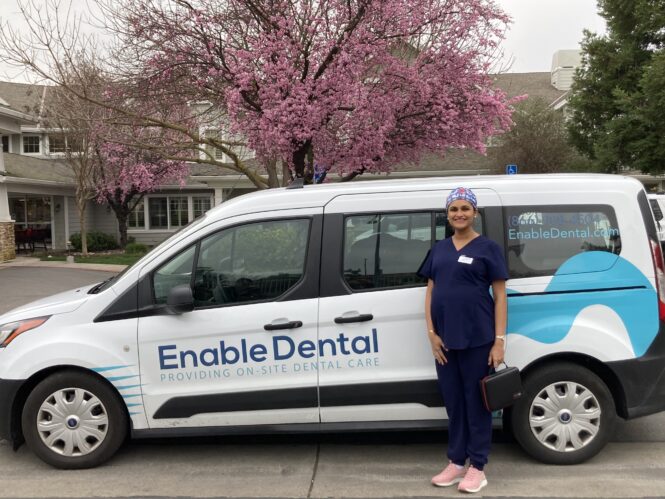
Many seniors face physical or logistical challenges that make traveling to a dental office difficult. Mobile dentistry removes the commute entirely, bringing care directly to where seniors live.
Overcoming Transportation Barriers
Elderly patients often rely on others for transportation, which can delay or prevent dental visits. With mobile dentistry, there’s no need to arrange rides, navigate traffic, or struggle with stairs and elevators. The clinic comes to them, whether it’s a private residence, retirement community, or long-term care facility.
Reaching Rural and Underserved Areas
Seniors in rural areas may live miles from the nearest dentist. Mobile units bridge this gap, especially in regions with few dental providers. For elderly patients in remote villages or low-income neighborhoods, a mobile van can be their only link to professional dental care.
Serving Homebound and Disabled Seniors
For those with severe arthritis, dementia, or post-stroke conditions, leaving home isn’t an option. Mobile dentistry enables dentists to treat bedridden or wheelchair-bound patients with dignity and comfort, ensuring they don’t go without essential oral healthcare.
Enhanced Comfort and Reduced Anxiety

Dental anxiety is common among older adults, especially those with cognitive impairments like Alzheimer’s or Parkinson’s disease. Mobile dentistry helps reduce stress by providing care in a familiar environment.
Treatment in a Familiar Setting
Being treated in their own home allows seniors to stay in a space where they feel safe and in control. This familiarity can calm nerves, improve cooperation, and lead to better treatment outcomes.
Personalized, Patient-Centered Approach
Mobile dental teams take time to understand each patient’s medical history, medications, and emotional needs. This personalized attention fosters trust and makes elderly patients more likely to accept necessary treatments.
Less Sensory Overload
Traditional clinics can be overwhelming, with bright lights, loud noises, and unfamiliar smells. Mobile setups are quieter, simpler, and designed for ease of use, making them ideal for sensitive or cognitively impaired seniors.
Early Detection of Oral and Systemic Health Issues
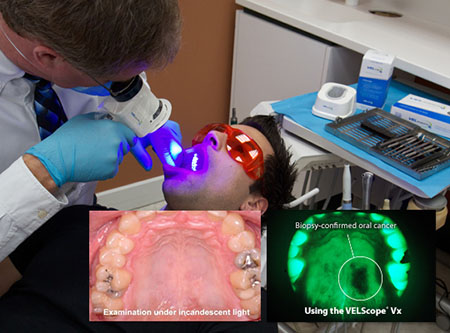
Oral health is closely linked to overall health, especially in older adults. Mobile dentistry plays a critical role in catching problems early, before they become serious.
Routine Screenings for Oral Diseases
During regular visits, mobile dentists perform comprehensive exams to detect cavities, gum disease, tooth wear, and oral cancer. Early diagnosis means less invasive treatments and better long-term outcomes.
Identifying Signs of Systemic Conditions
Poor oral health can signal broader health issues. For example:
- Gum disease is associated with heart disease and diabetes
- Dry mouth may indicate medication side effects or autoimmune disorders
- Oral lesions can be early signs of cancer or nutritional deficiencies
Mobile dentists are trained to spot these red flags and coordinate with primary care providers when needed.
Monitoring Medication-Related Oral Risks
Many seniors take medications that cause dry mouth (xerostomia), increasing the risk of tooth decay and infections. Mobile dental providers assess these risks and recommend preventive strategies like fluoride treatments or saliva substitutes.
Preventive Care That Saves Money
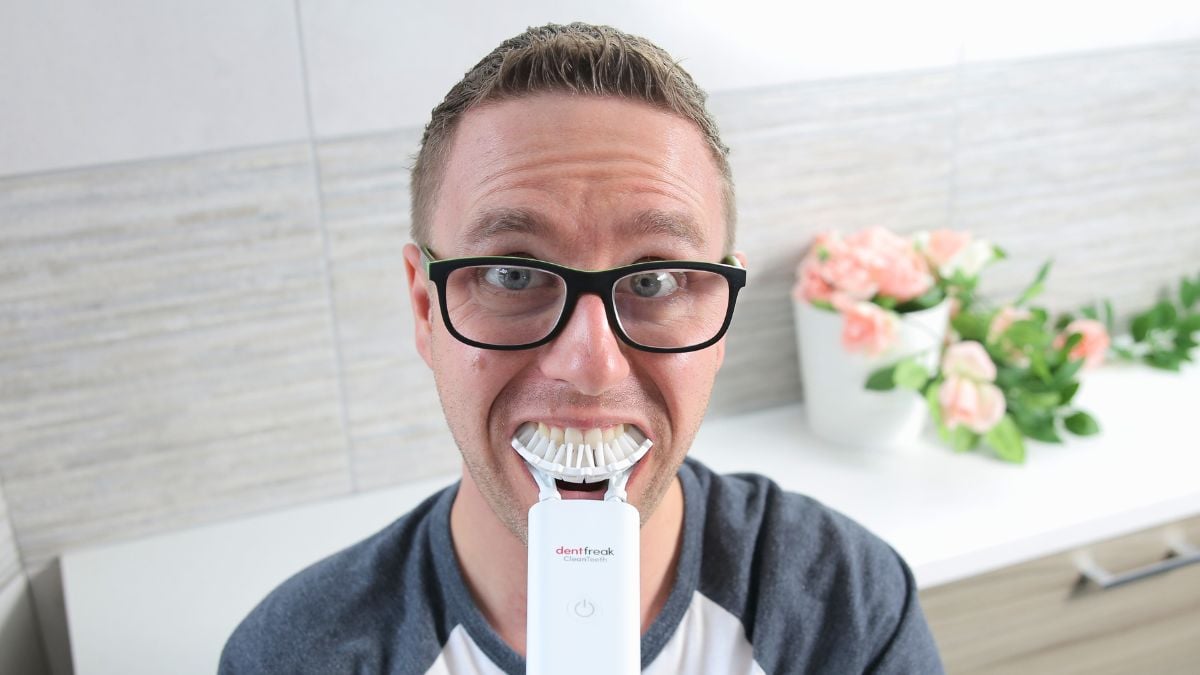
Prevention is more effective and less expensive than treatment. Mobile dentistry emphasizes routine care that keeps teeth healthy and avoids costly emergencies.
Regular Cleanings and Fluoride Applications
Mobile units provide professional cleanings and topical fluoride treatments that strengthen enamel and prevent decay. These services are especially important for seniors with exposed root surfaces or a history of cavities.
Oral Hygiene Education Tailored to Seniors
Dentists offer hands-on instruction on proper brushing, flossing, and denture care. They also suggest adaptive tools like electric toothbrushes or floss holders for those with limited dexterity.
Cost-Effective Alternative to Emergency Visits
Untreated dental problems often lead to pain, infection, and hospitalization. By catching issues early, mobile dentistry reduces the need for root canals, extractions, or ER visits, saving both patients and the healthcare system money.
Better Management of Chronic Conditions

For seniors with chronic illnesses, oral health can directly impact disease control. Mobile dentistry supports integrated care that improves overall wellness.
Supporting Diabetes Control
Gum disease makes blood sugar harder to manage. Treating periodontitis through mobile care helps diabetic patients maintain better glycemic control and reduces complications.
Reducing Risk of Heart Disease
Oral bacteria from infected gums can enter the bloodstream and contribute to inflammation in the arteries. Regular dental care lowers this risk and supports cardiovascular health.
Improving Nutrition and Eating Habits
Missing teeth or painful gums make it hard to chew healthy foods. Mobile dentists address these issues with restorations, dentures, or extractions, helping seniors eat better and avoid malnutrition.
Seamless Coordination with Caregivers and Physicians
Mobile dentistry doesn’t operate in isolation. It works alongside family members, home health aides, and medical professionals to ensure continuity of care.
Direct Communication with Family and Staff
After each visit, mobile dentists share findings and recommendations with caregivers and nursing staff. This ensures everyone involved in the senior’s care is informed and aligned.
Integration with Medical Records
Some mobile services use digital records that can be shared securely with primary care doctors or specialists, enabling coordinated treatment plans.
Follow-Up and Recall Reminders
Mobile providers schedule routine check-ups and send reminders, ensuring seniors don’t fall through the cracks. This continuity is especially important for those who may forget appointments or have no one to prompt them.
Ideal for Long-Term Care Facilities
Nursing homes and assisted living centers benefit greatly from mobile dental programs that serve multiple residents efficiently.
On-Site Visits Minimize Disruption
Transporting frail residents to dental offices is logistically complex and risky. Mobile clinics eliminate this burden by setting up temporary treatment stations within the facility.
Group Appointments Improve Efficiency
Mobile teams can schedule back-to-back visits for several residents, maximizing time and resources while minimizing travel costs.
Compliance with Regulatory Standards
Many long-term care facilities are required to ensure residents receive regular dental evaluations. Mobile dentistry helps meet these standards without overburdening staff.
Safety and Infection Control at Home
Concerns about hygiene should never deter seniors from getting care. Mobile dentistry follows strict safety protocols to protect patients.
Use of Portable Sterilization Equipment
Mobile units carry autoclaves or chemical sterilizers to clean instruments between patients. All tools are either sterilized or disposable.
Adherence to Infection Control Guidelines
Providers follow CDC and ADA guidelines for hand hygiene, personal protective equipment (PPE), and surface disinfection, even in non-clinical settings.
Safe Setup in Any Environment
Dental teams bring foldable chairs, portable lights, and suction systems designed for home use. They set up a clean, organized workspace that meets clinical standards.
Frequently Asked Questions About Mobile Dentistry for Elderly
What services does mobile dentistry offer for elderly patients?
Mobile dental clinics provide oral examinations, preventive cleanings, fluoride applications, fillings, extractions, basic endodontic procedures, minor surgeries, and oral health education. These services cover most routine and preventive needs for seniors.
Is mobile dentistry safe for seniors with chronic health conditions?
Yes. Mobile dental teams review each patient’s medical history and medications before treatment. They follow strict infection control protocols and use portable sterilization equipment to ensure safety in any setting.
How does mobile dentistry help seniors who live in rural areas?
Mobile units travel directly to rural communities, retirement facilities, and nursing homes. This eliminates the need for long-distance travel and brings professional dental care to seniors who would otherwise have limited or no access.
Can mobile dentists detect health problems beyond the mouth?
Yes. Mobile dentists are trained to identify oral signs of systemic conditions such as diabetes, heart disease, and medication side effects. They can coordinate findings with primary care providers for comprehensive care.
Why is preventive dental care important for the elderly?
Preventive care reduces the risk of cavities, gum disease, and tooth loss. It also lowers the chance of emergency visits, infections, and complications related to chronic conditions like diabetes and heart disease.
How can families arrange mobile dental services for an elderly loved one?
Families can contact local mobile dental providers or check with their loved one’s assisted living or nursing facility. Many services accept direct scheduling and coordinate with caregivers and physicians.
Final Thoughts on Mobile Dentistry for Elderly Care
Mobile dentistry is revolutionizing senior oral healthcare by making it accessible, comfortable, and prevention-focused. For elderly individuals who struggle with mobility, transportation, or anxiety, mobile services offer a lifeline to better health and improved quality of life.
As awareness grows and technology advances, the role of mobile dentistry in elderly care will continue to expand. If you or a loved one faces barriers to traditional dental visits, consider reaching out to a local mobile dental provider. A simple phone call could be the first step toward restoring comfort, confidence, and overall wellness through better oral health.