Anxiety in elderly women is one of the most overlooked mental health concerns in healthcare today. Many older women suffer in silence because their symptoms are mistaken for normal aging, chronic illness, or depression. Studies show that anxiety affects roughly 10–20% of older adults, and women are nearly twice as likely as men to develop it. Despite this, countless cases go undiagnosed because the signs look different than what most people expect.
This guide breaks down the specific anxiety symptoms in elderly women, how they differ from younger adults, common triggers, and practical steps for getting help. Whether you’re an older woman experiencing these symptoms or a family member seeking answers, you’ll find clear, actionable information here.
Physical Signs of Anxiety in Elderly Women

Older women often experience anxiety through their bodies rather than their emotions. Because physical complaints are taken more seriously in medical settings, these symptoms usually drive doctor visits—but the underlying cause is frequently missed.
Unexplained Aches and Chronic Pain
Persistent headaches, back pain, muscle tension, or stomach problems can all point to anxiety. The body’s stress response tightens muscles, disrupts digestion, and heightens pain sensitivity. When an elderly woman already manages arthritis or other chronic conditions, new or worsening pain deserves a closer look at her emotional health.
Heart Palpitations and Breathing Problems
Racing heart, chest tightness, shortness of breath, and dizziness are common anxiety symptoms. In older adults, these signs often trigger fears of heart attacks or strokes, leading to emergency room visits. If cardiac tests return normal results and episodes happen during stressful moments, anxiety may be the real cause.
Sleep Disruptions and Nighttime Worry
Trouble falling asleep, waking frequently, or rising too early are hallmark signs of anxiety in elderly women. Worries about health, loneliness, or becoming a burden keep the mind racing at night. Poor sleep then increases daytime fatigue, which feeds back into greater anxiety.
Emotional and Cognitive Warning Signs
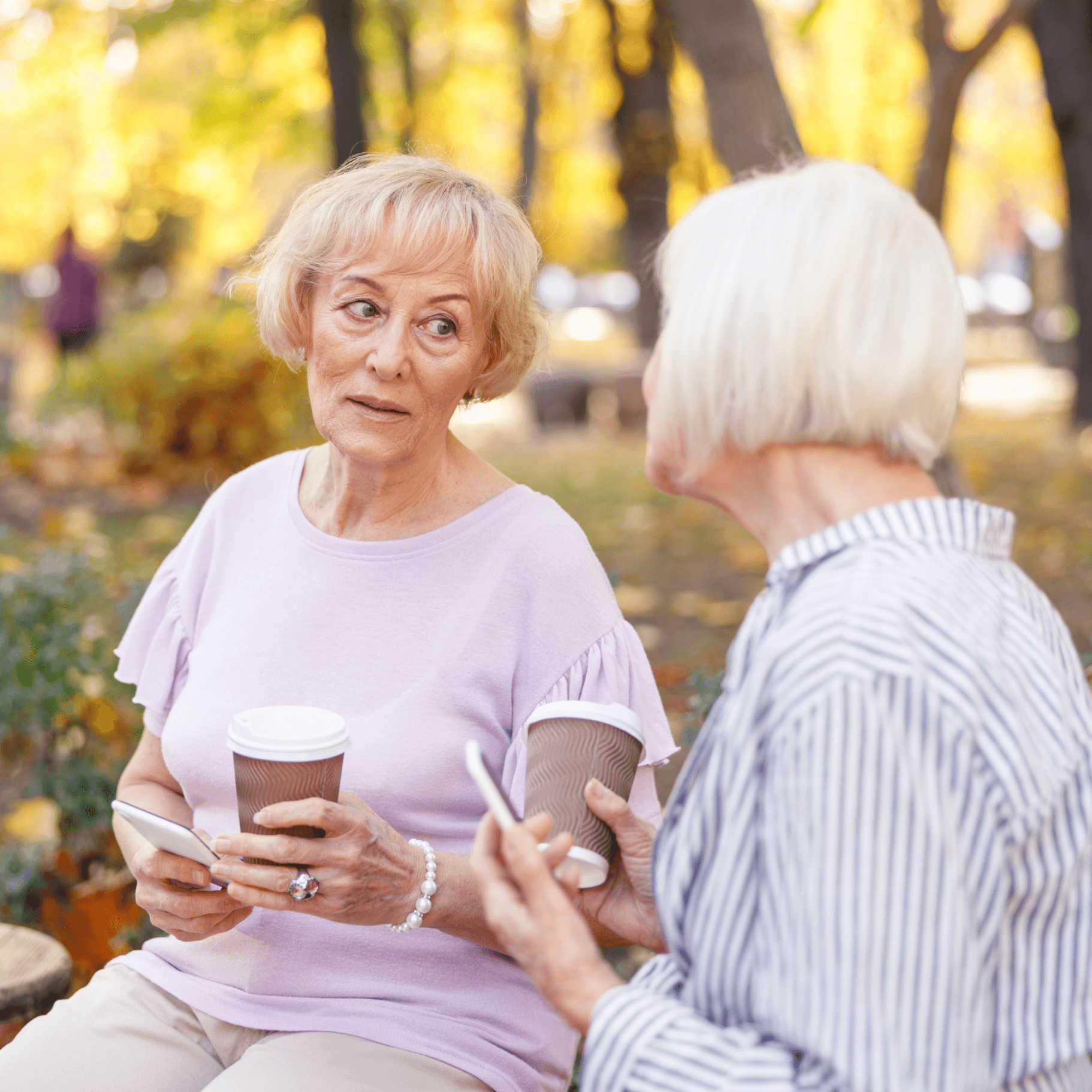
Emotional changes in older women can be subtle, but they reveal a great deal when you know what to look for.
Constant Health Worry and Doctor Visits
Repeatedly checking blood pressure, researching symptoms online, or seeking multiple medical opinions may signal health anxiety. While staying informed is wise, when fear of illness dominates daily life, it becomes a problem in itself.
Fear of Falling or Losing Independence
Many elderly women develop intense anxiety about falling or becoming dependent on others. This fear can become so strong that they stop walking, avoid leaving the house, or refuse social invitations. Over time, this avoidance weakens the body and deepens isolation.
Memory Fog and Trouble Concentrating
Anxiety interferes with focus and short-term memory. An older woman might forget appointments, lose items, or feel mentally cloudy. Unlike dementia, anxiety-related memory problems tend to come and go and often improve once stress is managed.
Behavioral Changes to Watch For
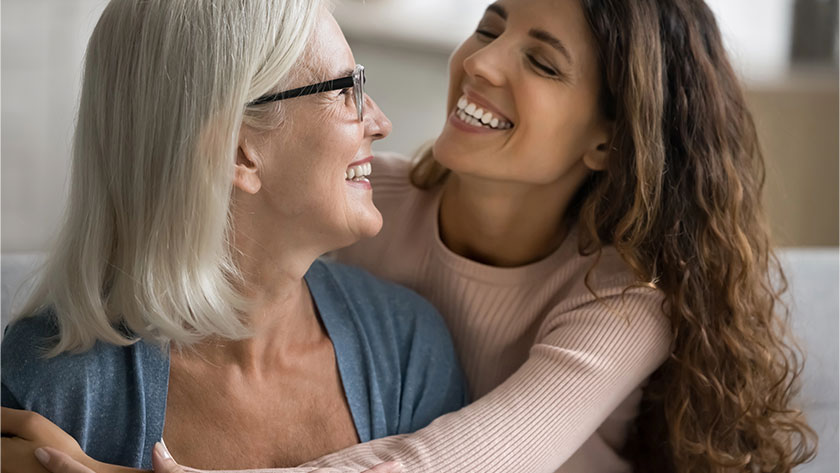
Shifts in daily habits and social patterns often serve as early indicators of anxiety, especially when no medical reason explains them.
Pulling Away from Social Life
Skipping family gatherings, avoiding phone calls, or refusing to join friends may stem from anxiety about being judged or feeling unable to keep up. Social withdrawal increases loneliness and makes anxiety worse over time.
Repetitive Checking and Compulsive Habits
Excessive cleaning, checking locks repeatedly, or calling family members many times a day provides short-term relief but strengthens anxious patterns. These behaviors often go unnoticed because they seem like good habits on the surface.
New Dependence on Others
A previously independent woman who suddenly needs help with grocery shopping, driving, or managing medications may be driven by anxiety rather than physical decline. Fear, not inability, often fuels this shift.
Common Triggers for Anxiety in Later Life
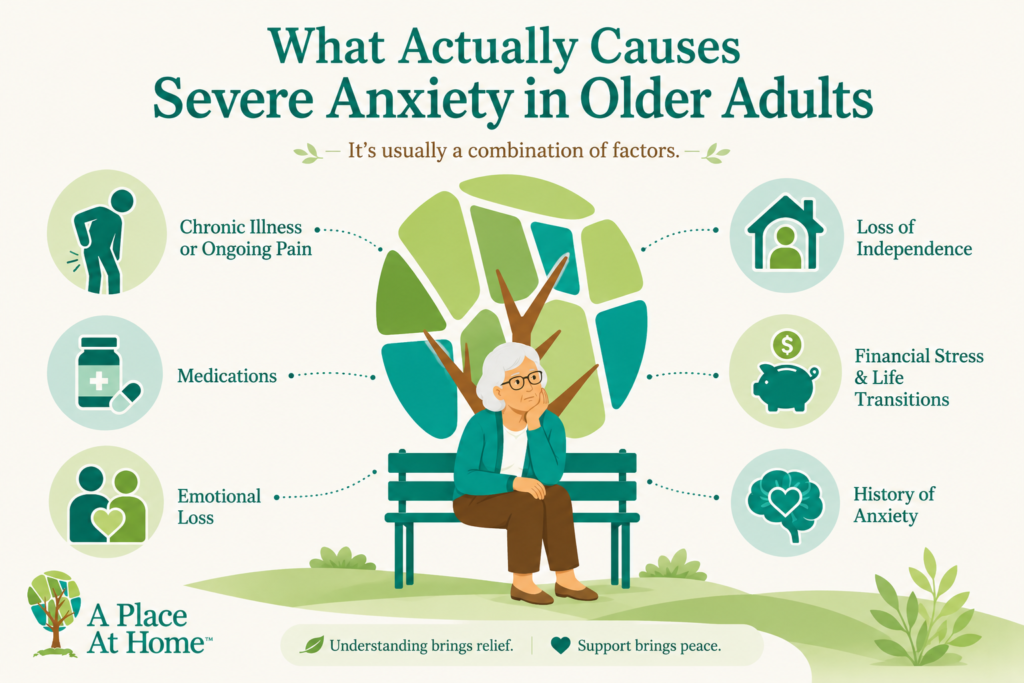
Anxiety rarely appears without reason. Specific life changes common in older age can spark or intensify symptoms, particularly in women.
Grief and Loss of Loved Ones
The death of a spouse, sibling, or close friend is one of the most powerful triggers. While grief is natural, ongoing distress, fear of being alone, or constant worry about safety may signal an anxiety disorder.
Chronic Illness and Physical Decline
Conditions like heart disease, diabetes, COPD, or arthritis create ongoing stress and a sense of losing control. Pain, fatigue, and treatment burdens leave little energy for emotional coping.
Medication Side Effects and Interactions
Certain medications—including corticosteroids, beta-blockers, and some thyroid drugs—can cause or worsen anxiety. Older adults often take multiple prescriptions, raising the risk of interactions that affect mood.
Financial and Housing Worries
Concerns about running out of money, paying for healthcare, or losing a home create persistent anxiety. Women, who often live longer and earn less over a lifetime, face this risk at higher rates.
How Anxiety Looks Different in Older Women

Anxiety in elderly women does not resemble the same condition in younger adults. Biological, psychological, and social factors shape how it shows up.
Atypical Symptom Presentation
Older women rarely say they feel “anxious” or “nervous.” Instead, they describe physical symptoms or express distress through irritability, sadness, or exhaustion. This makes anxiety harder to detect during short medical appointments.
Co-Occurring Depression
Anxiety and depression frequently appear together in older women. Feeling hopeless and constantly on edge at the same time reduces motivation to seek help and worsens overall functioning.
Hormonal and Brain Changes
Menopause, reduced brain volume in areas that regulate emotion, and lower levels of neurotransmitters like serotonin all influence anxiety risk. These biological shifts combine with life stressors to create greater vulnerability.
When to Seek Professional Help
Knowing the difference between normal worry and a treatable condition can speed up the path to recovery.
Symptoms Lasting More Than Two Weeks
If anxiety disrupts sleep, appetite, social life, or daily tasks for more than two weeks, professional evaluation is needed. Occasional concern is normal; ongoing distress is not.
Sudden Personality or Routine Changes
Becoming withdrawn, overly suspicious, or unable to make decisions are warning signs. Family members are often the first to notice these shifts and should take them seriously.
Expressions of Helplessness
Statements like “I’m a burden,” “I can’t go on,” or “I don’t want to be alone” require immediate, compassionate attention. These words may signal severe anxiety or rising depression risk.
How Doctors Diagnose Anxiety in Elderly Women
Proper diagnosis requires a thorough process because anxiety mimics so many other conditions.
Full Medical Review
A complete look at medical history, current medications, and symptoms helps rule out physical causes. Blood tests can check for thyroid problems, vitamin deficiencies, or infections.
Standardized Screening Tools
The GAD-7 questionnaire is short, validated, and easy to use. A score of 10 or higher suggests moderate to severe anxiety and calls for further evaluation.
Mental Health Specialist Referral
When anxiety is suspected, a geriatric psychiatrist or psychologist experienced with older adults can provide accurate diagnosis and a treatment plan tailored to the individual.
Effective Treatment Options
Treatment works best when it combines medical, therapeutic, and lifestyle approaches suited to each woman’s needs.
Cognitive Behavioral Therapy
CBT is the leading therapy for anxiety in older adults. It teaches women to recognize distorted thinking—like assuming the worst in social situations—and replace it with balanced perspectives. Sessions can be adjusted for hearing or mobility challenges.
Medication Options
SSRIs such as sertraline and escitalopram are commonly prescribed and generally safe for older adults. Doctors start with low doses and increase slowly to reduce side effects. Benzodiazepines are usually avoided because they raise the risk of falls and confusion.
Mind-Body Practices
Gentle yoga, tai chi, and mindfulness meditation lower stress hormones and improve emotional balance. These activities also support physical stability, making them ideal for older women managing both anxiety and mobility concerns.
How Family and Caregivers Can Help
Loved ones play a critical role in spotting anxiety and encouraging treatment.
Listen with Compassion
Saying “Don’t worry” dismisses real feelings. Instead, try “That sounds really hard. Would you like to talk about it?” Validating emotions opens the door to honest conversation.
Encourage a Doctor’s Visit
Frame a medical appointment around overall wellness, not just anxiety. Comparing it to managing blood pressure or cholesterol makes the visit feel less stigmatizing.
Support Social Connections
Regular phone calls, visits, or involvement in community groups reduce isolation. Strong social ties act as a buffer against both anxiety and depression.
Daily Habits That Reduce Anxiety
Small, steady routines build resilience and lower anxiety over time.
Create a Predictable Schedule
A consistent daily routine for meals, medication, activity, and rest provides structure and a sense of control. Predictability calms the nervous system.
Cut Back on Caffeine and Alcohol
Coffee, tea, chocolate, and alcohol can all worsen anxiety symptoms. Reducing these helps stabilize mood and improve sleep quality.
Try Grounding Techniques
The 5-4-3-2-1 method offers quick relief during stressful moments. Name five things you see, four you can touch, three you hear, two you smell, and one you taste. This exercise pulls attention into the present and eases anxious thoughts.
Frequently Asked Questions About Anxiety Symptoms in Elderly Women
What are the most common anxiety symptoms in elderly women?
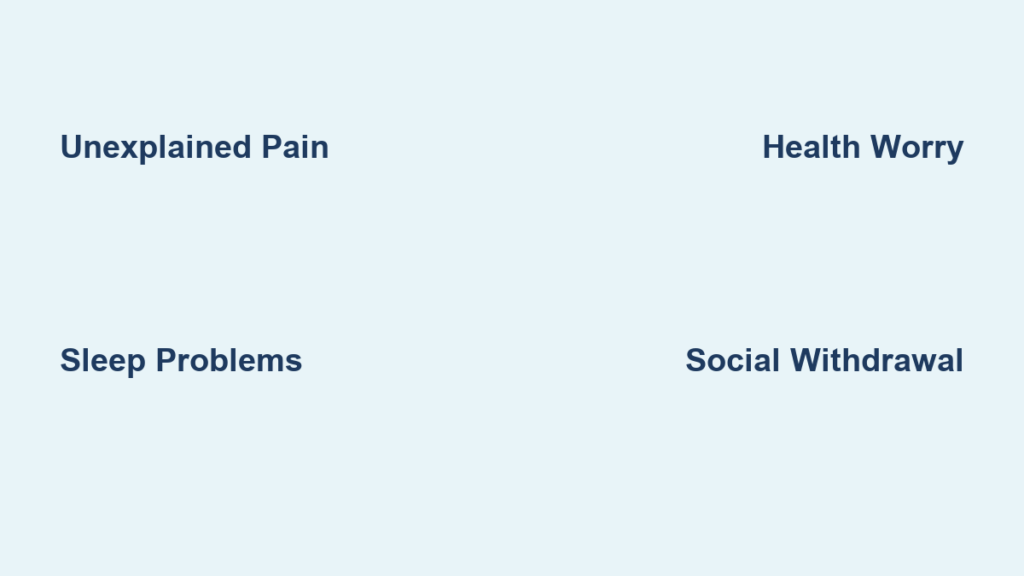
The most common signs include unexplained physical pain, sleep problems, rapid heartbeat, constant health worry, social withdrawal, and memory difficulties. Many older women focus on physical complaints rather than emotional distress, which makes anxiety easy to miss.
Why is anxiety often missed in older women?
Anxiety symptoms in elderly women often look like physical illness, medication side effects, or normal aging. Doctors may focus on ruling out heart disease, dementia, or depression without asking about anxiety directly.
Can anxiety in elderly women be treated successfully?
Yes. A combination of cognitive behavioral therapy, appropriate medication, social support, and lifestyle changes helps most older women experience significant improvement. Early recognition leads to better outcomes.
Are medications safe for treating anxiety in older women?
SSRIs are generally safe and well-tolerated when prescribed carefully. Doctors start with low doses and monitor closely. Benzodiazepines are usually avoided due to higher risks of falls, confusion, and dependence in older adults.
How can family members tell the difference between normal worry and an anxiety disorder?
Normal worry is occasional and tied to specific events. An anxiety disorder involves persistent symptoms lasting more than two weeks that interfere with daily life, sleep, relationships, or health.
What should I do if my elderly mother shows signs of anxiety?
Start with a calm, nonjudgmental conversation. Encourage a medical appointment focused on overall wellness, and offer to accompany her for support. If symptoms are severe or include talk of hopelessness, seek professional help promptly.
Key Takeaways for Recognizing Anxiety in Elderly Women
Anxiety symptoms in elderly women are real, common, and highly treatable. The condition often hides behind physical complaints like pain, sleep problems, and fatigue, making it easy to overlook. Emotional signs such as constant worry, fear of falling, and memory fog deserve just as much attention as physical health concerns.
Triggers like grief, chronic illness, medication side effects, and financial stress frequently set the stage for anxiety. Recognizing these risk factors helps families and doctors act sooner.
With proper diagnosis, therapy, medication when needed, and supportive daily habits, older women can regain confidence and emotional well-being. If you or someone you love shows these signs, schedule a medical evaluation today and start the path toward relief.