For aging adults living with vision loss, staying mentally and physically engaged is essential. Without meaningful interactions, isolation can quickly take root, leading to depression, cognitive decline, and reduced quality of life. Yet many families and caregivers struggle to find suitable activities for vision impaired elderly individuals—ones that are safe, enjoyable, and truly accessible.
The good news? Low or no-vision doesn’t mean low engagement. With the right approach, seniors can continue to learn, create, connect, and thrive. This guide explores practical, sensory-rich activities tailored to those with visual impairments, focusing on touch, sound, memory, and social connection. You’ll discover how to adapt common pastimes, introduce new hobbies, and create routines that promote independence and joy.
Sensory-Based Activities
Engaging the senses beyond sight opens a world of possibility. When vision is limited, touch, hearing, smell, and even taste become powerful tools for stimulation and connection.
Tactile Crafts with Safety in Mind
Hands-on crafting builds fine motor skills and provides a sense of accomplishment. Use materials with distinct textures to enhance the experience.
- Adapted knitting or crocheting: Use large needles and high-contrast yarn (e.g., wool vs. smooth acrylic). Some seniors learn to knit by feel alone, relying on muscle memory.
- Tactile collage making: Glue buttons, fabric scraps, sandpaper, and ribbons onto cardboard. Label each texture verbally or with braille tags.
- Clay or playdough modeling: Non-drying clay allows repeated use. Simple shapes like balls, coils, and pinch pots are easy to identify by touch.
Pro tip: Always supervise when using scissors or hot glue guns. Opt for blunt-tipped tools and fabric glue for safer crafting.
Music and Sound Engagement
Music stimulates memory, lifts mood, and requires no visual input—making it ideal for vision-impaired seniors.
- Sing-alongs with familiar songs: Choose tunes from their youth (1940s–60s). Use a speaker with voice prompts or a playlist labeled by genre or decade.
- Percussion instruments: Hand drums, bells, and rhythm sticks allow participation even with limited mobility. Encourage group drumming for social bonding.
- Voice-recorded storytelling: Record family members reading favorite books or sharing personal memories. Label each recording clearly (e.g., “Mom’s Garden Story”).
Expert note: Devices like the Victor Reader Stream or Audible on voice-activated tablets make audio access easier.
Cognitive Stimulation Techniques

Keeping the mind active supports long-term brain health and delays cognitive decline. These activities promote thinking, memory, and problem-solving without relying on sight.
Audio-Based Learning and Games
Listening-based games challenge the brain while being fully accessible.
- Podcasts and audiobooks: Choose mystery series, history docs, or self-help topics. Libraries often offer free access via apps like Libby.
- Talking puzzles: Use a voice-enabled crossword app or play radio quiz shows together. The National Public Radio (NPR) Sunday Puzzle is a fun weekly option.
- Memory recall games: Ask questions like “What was your first job?” or “Describe your wedding day.” Write down answers to revisit later.
Difficulty level: Easy to moderate. Can be done solo or with a caregiver.
Calendar and Routine Reinforcement
Structure reduces anxiety and confusion. Use non-visual cues to mark time and events.
- Tactile calendars: Attach rubber bands for appointments, textured stickers for holidays. Update daily with verbal reminders.
- Verbal scheduling: Announce the day, date, and plan each morning. Pair routines with sounds (e.g., tea kettle = 10 a.m. break).
- Scent cues for time: Use different scents (lavender in evening, citrus in morning) to signal parts of the day.
Physical Movement and Safety
Staying mobile supports independence and physical health. Adapt exercises to ensure safety and confidence.
Seated Exercise Routines
Ideal for limited mobility or balance concerns, seated workouts maintain strength and circulation.
- Arm circles and shoulder rolls: 10 reps, 2 sets
- Ankle pumps and leg lifts: Prevents swelling and improves blood flow
- Deep breathing with movement: Inhale while raising arms, exhale while lowering
Time estimate: 15–20 minutes daily. Play soft background music to enhance rhythm.
Guided Walking with Verbal Cues
For those who can walk, guided outdoor time boosts mood and orientation skills.
- Walk in familiar areas (e.g., backyard or quiet sidewalk)
- Use clear verbal instructions: “Three steps forward,” “Turn right at the bench”
- Pair with nature sounds: birds, wind, water
Warning: Avoid uneven surfaces. Use a cane or sighted guide if needed.
Social Connection Strategies
Loneliness is a major risk for vision-impaired seniors. Social activities foster emotional well-being and reduce isolation.
Group Programs for the Blind
Many organizations offer free or low-cost group activities.
- Local senior centers: Ask about vision-specific programs
- Blindness advocacy groups: Organizations like Lighthouse Guild or American Foundation for the Blind host virtual and in-person events
- Religious or community groups: Many offer prayer circles, discussion groups, or volunteer roles accessible by audio
Pro tip: Use a phone with large buttons or voice commands to stay in touch with friends.
Family Interaction Through Voice
Simple, consistent contact makes a big difference.
- Weekly phone calls: Set a regular time so it becomes routine
- Voice messages from grandchildren: Kids can record songs or stories
- Shared meals with description: Say what’s on the plate (“You have chicken on your left, rice in front”) to make dining inclusive
Adaptive Technology Use
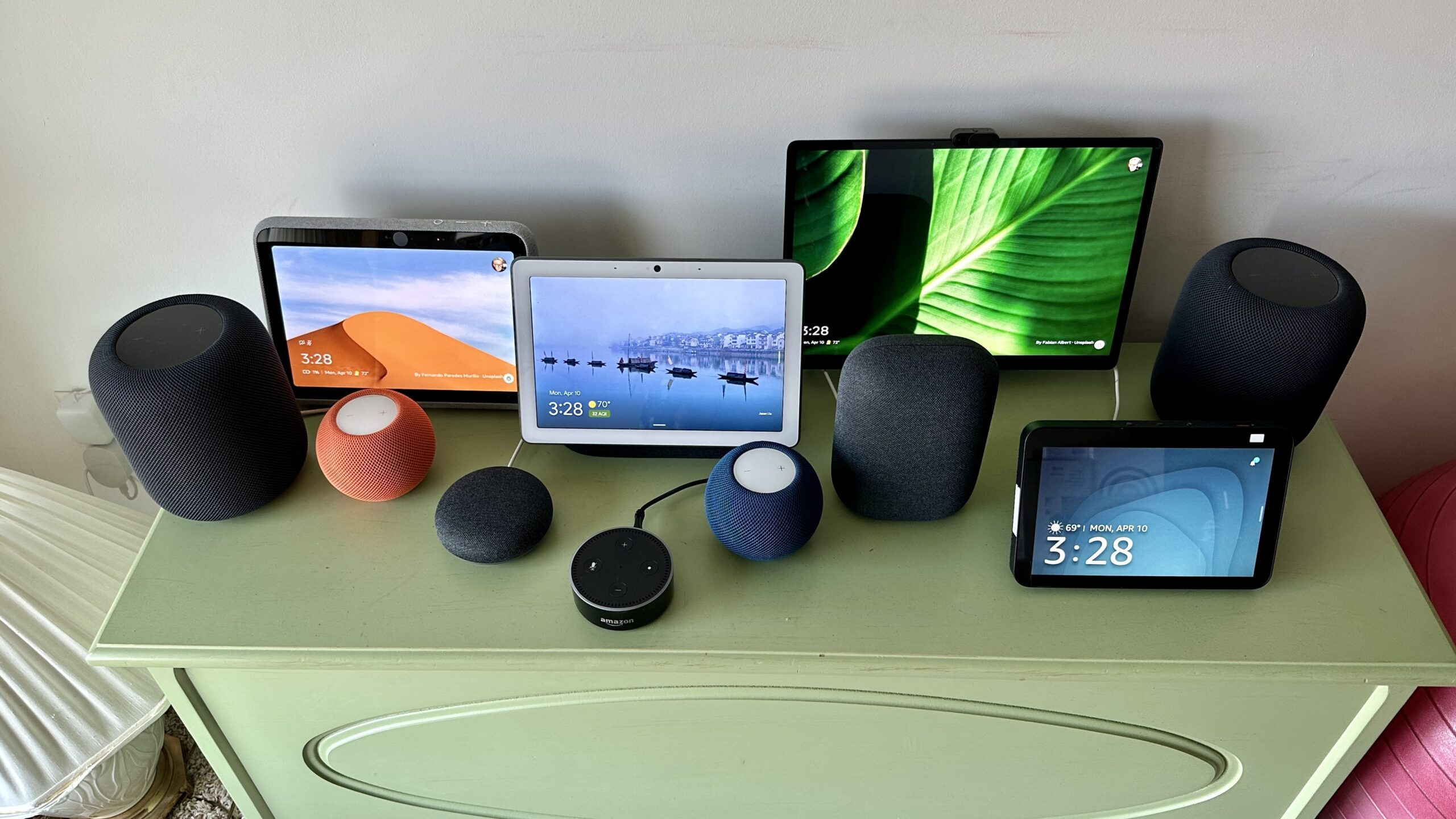
Modern tools can dramatically improve independence and access to entertainment.
Voice-Activated Devices
Smart speakers like Amazon Echo or Google Nest respond to voice commands.
- Play music, set reminders, check weather
- Control lights and thermostats (with smart home setup)
- Call contacts hands-free: “Call daughter on speaker”
Setup tip: Program frequently used commands in advance and repeat them aloud during training.
Screen Readers and Audiobook Apps
Digital access is possible with the right tools.
- iPhone VoiceOver: Built-in screen reader. Enable in Settings > Accessibility
- Android TalkBack: Similar function for Android users
- Library apps: Bookshare, Learning Ally, and National Library Service for the Blind offer free audiobooks
Training note: Start with one app and practice daily. Caregivers can assist with initial setup.
Gardening Without Sight
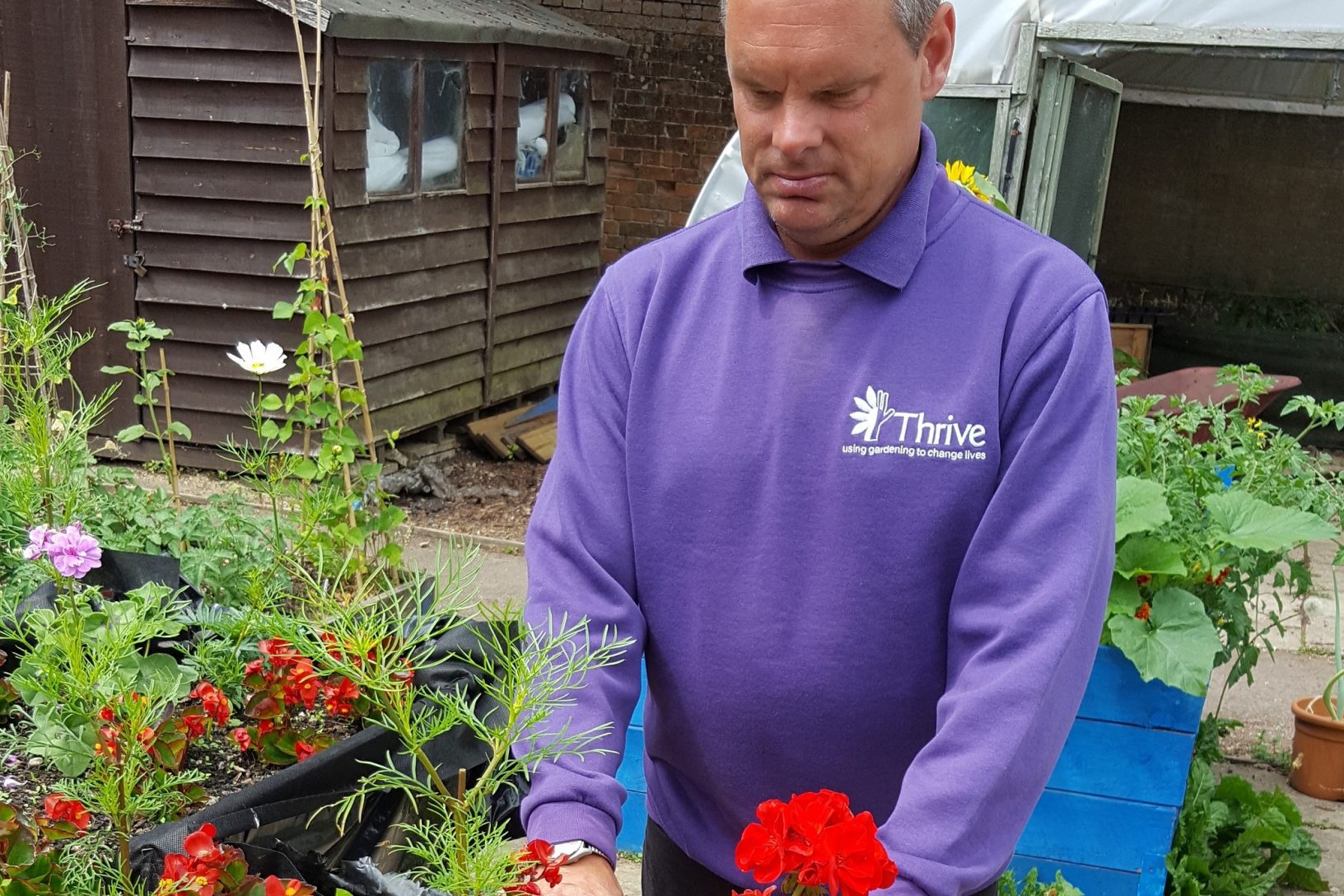
Gardening engages smell, touch, and memory—offering therapeutic benefits even without vision.
Container Gardening with Scented Plants
Use pots to create a safe, reachable garden space.
- Recommended plants: Mint (sharp scent), lavender (calming), rosemary (woody texture), jasmine (evening fragrance)
- Label pots by touch: Use rubber bands, beads, or braille tags
- Watering routine: Use a self-watering pot or add pebbles as a tactile level indicator
Safety check: Place containers on stable surfaces. Avoid toxic plants.
Nature Exploration
Even without gardening, nature contact is healing.
- Walk through a garden path with handrails
- Touch tree bark, leaves, and flowers with guidance
- Listen to wind chimes or a water fountain nearby
Pet Companionship Benefits
_and_Morris_61.jpg?format=webp&width=3840&quality=75)
Animals provide unconditional love and sensory feedback.
Emotional Support Animals
Cats, dogs, or small pets offer warmth and routine.
- Dogs: Provide companionship and subtle movement cues
- Cats: Purring is calming; they often seek out laps
- Birds: Singing can trigger joy and memory
Note: Ensure the pet’s temperament matches the senior’s energy level and mobility.
Guided Pet Interaction
Help seniors engage safely.
- Describe the animal’s appearance and behavior
- Guide their hand to pet gently
- Name the pet clearly each time it enters the room
Mealtime as Engagement
Eating together isn’t just about nutrition—it’s a social and sensory event.
Descriptive Dining
Help seniors connect with food through words and touch.
- Say: “Your plate has meatloaf at six o’clock, mashed potatoes at twelve, and green beans in the middle”
- Let them explore the plate with clean hands if comfortable
- Use high-contrast placemats (dark plate on light table) if some vision remains
Simple Cooking Together
Adapt recipes for safety and accessibility.
- Use talking kitchen scales and timers
- Pre-cut ingredients to reduce risk
- Focus on smell and taste: “Now we’re adding cinnamon—what does it remind you of?”
Time estimate: 20–30 minutes for simple dishes like oatmeal or sandwiches.
Frequently Asked Questions About Activities for Vision Impaired Elderly
What are the best activities for someone who is completely blind?
Sensory-based activities work best, including tactile crafts, music engagement, audiobooks, and guided exercise. These rely on touch, sound, and smell rather than sight.
How can I help a visually impaired senior stay socially connected?
Encourage regular phone calls, voice messages from family, and participation in local blindness advocacy groups. Many offer virtual events accessible by audio.
Are there hobbies that don’t require any vision at all?
Yes. Gardening with scented plants, knitting by feel, listening to podcasts, and playing percussion instruments are all fully accessible without sight.
What technology helps seniors with vision loss?
Voice-activated smart speakers, screen readers like VoiceOver and TalkBack, and audiobook apps such as Bookshare and Learning Ally provide independence and entertainment.
How do I make mealtimes more engaging for someone with vision loss?
Use descriptive language to explain the plate layout, let them explore food with clean hands, and focus on the aroma and flavor of each dish.
Final Thoughts on Meaningful Activities for Vision Impaired Elderly
Meaningful activities for vision impaired elderly individuals are within reach—no matter the level of sight. By focusing on sound, touch, memory, and connection, caregivers and families can create fulfilling daily routines.
Start small, prioritize safety, and celebrate every moment of engagement. With patience and creativity, joy is still possible—one sound, one touch, one shared story at a time.