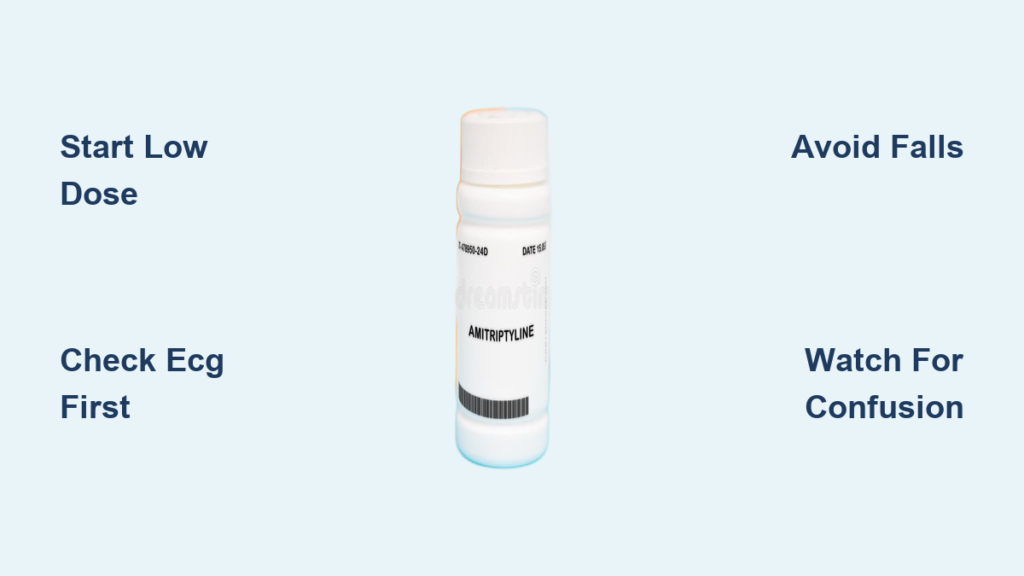
Amitriptyline is a tricyclic antidepressant prescribed for depression, chronic nerve pain, migraine prevention, and insomnia. While effective, its use in older adults carries serious safety concerns that every patient and caregiver should understand. The American Geriatrics Society Beers Criteria flags amitriptyline as potentially inappropriate for seniors because of its strong anticholinergic effects, sedation, and fall risks.
In elderly patients, even low doses can trigger confusion, dizziness, constipation, and dangerous drops in blood pressure. Age-related changes in liver and kidney function slow drug clearance, allowing amitriptyline to accumulate to toxic levels. This guide explains the most common and dangerous side effects, safe dosing practices, monitoring strategies, and safer alternatives worth discussing with your doctor.
High-Risk Amitriptyline Side Effects in Elderly Patients

Older adults are especially vulnerable because amitriptyline affects multiple body systems at once. Pre-existing health conditions and slower metabolism amplify these reactions.
Anticholinergic Reactions
These are the most frequent and troublesome side effects in seniors.
- Dry mouth (xerostomia): Affects up to 1 in 3 users. Can lead to dental decay and trouble swallowing. Sugar-free gum or lozenges can help stimulate saliva.
- Constipation: Worsens existing bowel problems. May lead to fecal impaction if untreated. No bowel movement for 3 days requires medical attention.
- Urinary retention: Difficulty starting or completing urination. Common in men with prostate enlargement. Sudden inability to urinate is a medical emergency.
- Blurred vision: Caused by pupil dilation and reduced eye focus. Increases fall risk, especially in dim lighting.
- Cognitive decline: Confusion, memory problems, and delirium may appear within days of starting treatment.
Cardiovascular Dangers
Heart-related side effects rank among the most serious concerns for seniors.
- Orthostatic hypotension: Blood pressure drops sharply when standing, causing dizziness or fainting. This is a leading cause of falls in elderly patients on amitriptyline.
- Irregular heartbeat: Amitriptyline can prolong the QTc interval, raising the risk of dangerous arrhythmias.
- Tachycardia: Resting heart rate may climb significantly, especially at higher doses.
- Baseline ECG required: Anyone over 50 or with a heart history needs an electrocardiogram before starting treatment.
CNS and Behavioral Changes
The aging brain is highly sensitive to amitriptyline’s central nervous system effects.
- Drowsiness and sedation: Occurs in about 30% of users. Impairs balance and reaction time. Combined with low blood pressure, this doubles fall risk.
- Dizziness: Often worsens when standing or walking.
- Confusion and agitation: Delirium can develop rapidly, especially in patients with dementia.
- Suicidal thoughts: Although the FDA black box warning focuses on young adults, elderly patients also face risk during early treatment or dose changes.
- Seizures: High doses lower the seizure threshold, especially in those with neurological conditions.
Safe Dosing for Older Adults
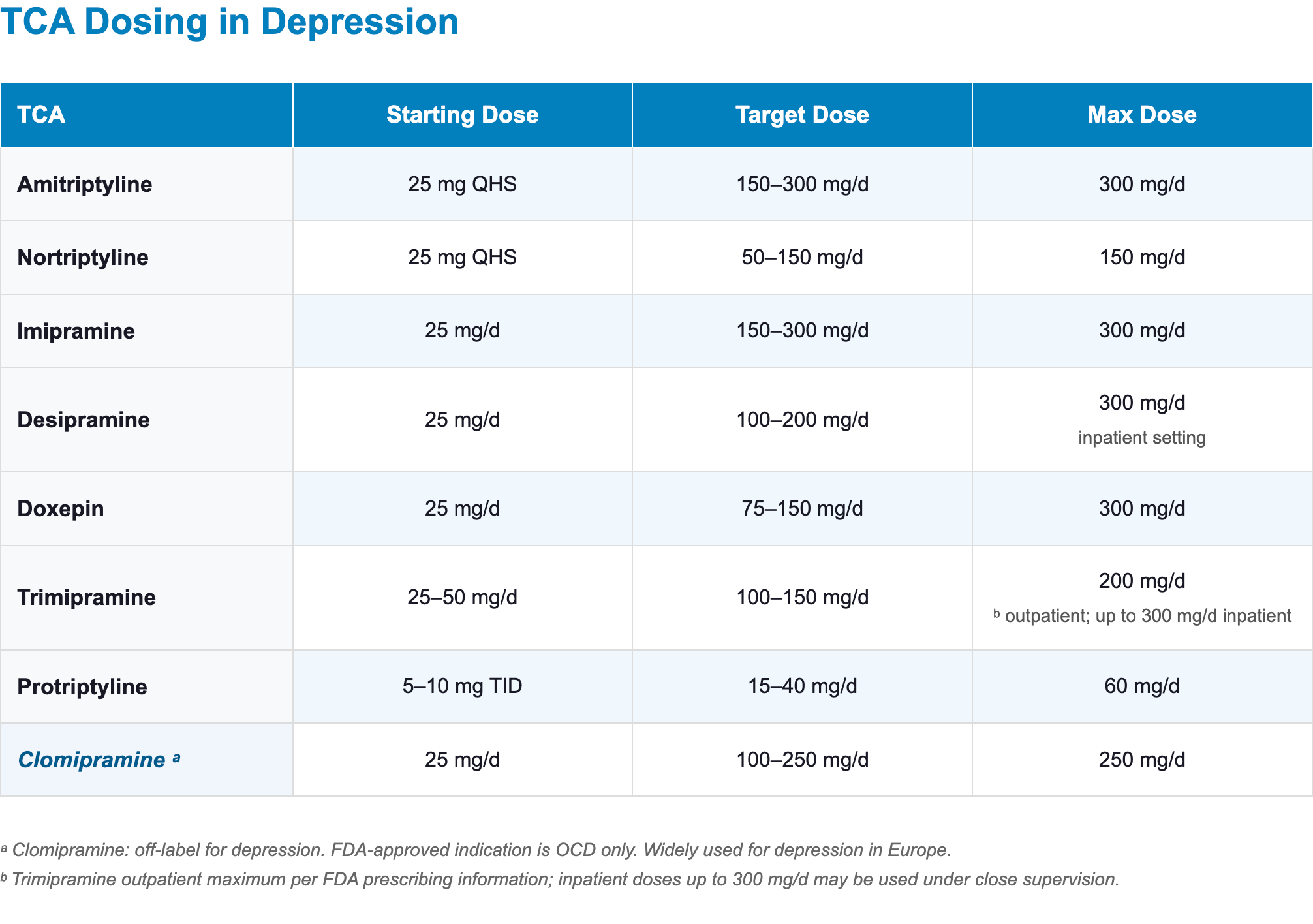
Standard adult doses are unsafe for seniors. Careful adjustments are essential to reduce toxicity.
Start Low, Go Slow
- Initial dose: 10 mg at bedtime is typical for elderly patients. Some guidelines suggest starting at 5–10 mg for off-label pain or sleep.
- Titration: Increase by 5–10 mg every 1–2 weeks based on response and tolerance.
- Maximum daily dose: Usually capped at 50–100 mg for outpatients. Never exceed 150 mg without hospital supervision.
- Single nightly dose: Preferred to minimize daytime sedation and improve adherence.
Dose Adjustment Factors
- Liver impairment: Reduces drug metabolism. Lower doses are needed.
- Kidney dysfunction: Slows elimination of active metabolites.
- Drug interactions: Many common medications raise amitriptyline levels.
- Body composition: Increased fat stores prolong drug retention.
Monitor clinical response rather than blood levels for dose adjustments. Serum testing is only useful in suspected overdose or non-response.
Critical Drug Interactions
Polypharmacy makes drug interactions a top concern in elderly patients.
Avoid These Combinations
- MAO inhibitors: Selegiline, phenelzine. Risk of hypertensive crisis, hyperthermia, and death.
- Cisapride: Severe arrhythmias from QTc prolongation.
- Linezolid: Risk of serotonin syndrome and CNS toxicity.
- Methylene blue: Life-threatening reactions.
High-Risk Combinations
- Sedatives: Benzodiazepines, opioids, and antihistamines increase drowsiness and fall risk.
- Other anticholinergics: Bladder medications (oxybutynin) and antihistamines (diphenhydramine) worsen confusion and constipation.
- Alcohol: Enhances sedation and impairs judgment. Avoid completely.
- Blood pressure medications: May cause unpredictable drops in pressure.
Always review the full medication list, including OTC drugs and supplements, before starting amitriptyline.
Falls, Fractures, and Hospitalization Risk

Amitriptyline significantly raises the risk of serious injury in older adults.
Why Falls Happen
- Triple threat: Sedation plus dizziness plus orthostatic hypotension creates a high fall risk.
- Impaired vision: Blurred focus reduces environmental awareness.
- Slowed reflexes: Delayed reaction to tripping or stumbling.
Patients on anticholinergic drugs like amitriptyline have up to a 50% higher fall rate.
Real-World Consequences
- Hip fractures from falls often lead to long-term disability or death.
- Head injuries may go unnoticed due to cognitive blunting.
- Hospital admissions rise due to drug-related confusion or cardiac events.
One documented case involved an 82-year-old woman who started on 25 mg amitriptyline, developed dizziness within 48 hours, fell, and fractured her femur. The drug was discontinued, and she recovered with physical therapy.
When Is Amitriptyline Ever Safe?
Despite the risks, it may be appropriate in select cases with strict safeguards.
Limited Use Cases
- Refractory neuropathic pain: When SSRIs, SNRIs, or gabapentinoids fail.
- Severe insomnia with depression: Only after non-anticholinergic options are exhausted.
- Migraine prevention: If newer agents are ineffective or contraindicated.
Safety Checklist Before Prescribing
- Confirm no recent heart attack
- Perform baseline ECG to check QTc
- Assess cognitive status with MMSE or MoCA
- Evaluate fall risk, including gait and home safety
- Review all medications for interactions
- Discuss risks with patient and caregiver
If safer alternatives exist, use them first.
Monitoring Protocols for Safety

Ongoing surveillance is non-negotiable when using amitriptyline in seniors.
Baseline Testing
- ECG: Mandatory for anyone over 50 or with cardiac history.
- Liver function tests: Check ALT, AST, and bilirubin.
- Renal function: Serum creatinine and eGFR.
- Thyroid panel: Rule out hypothyroidism mimicking depression.
- BMI and weight: Track changes from appetite stimulation.
Ongoing Monitoring Schedule
- Weekly for 4 weeks: Mood, sedation, dizziness, blood pressure
- Monthly for 3 months: Cognitive screen, urination, bowel function
- Every 3–6 months: Repeat ECG if on high dose or has cardiac risk
- Any dose change: Evaluate for new side effects within 72 hours
Train family members to watch for confusion, falls, or unusual behavior.
The HARVEST Safety Framework
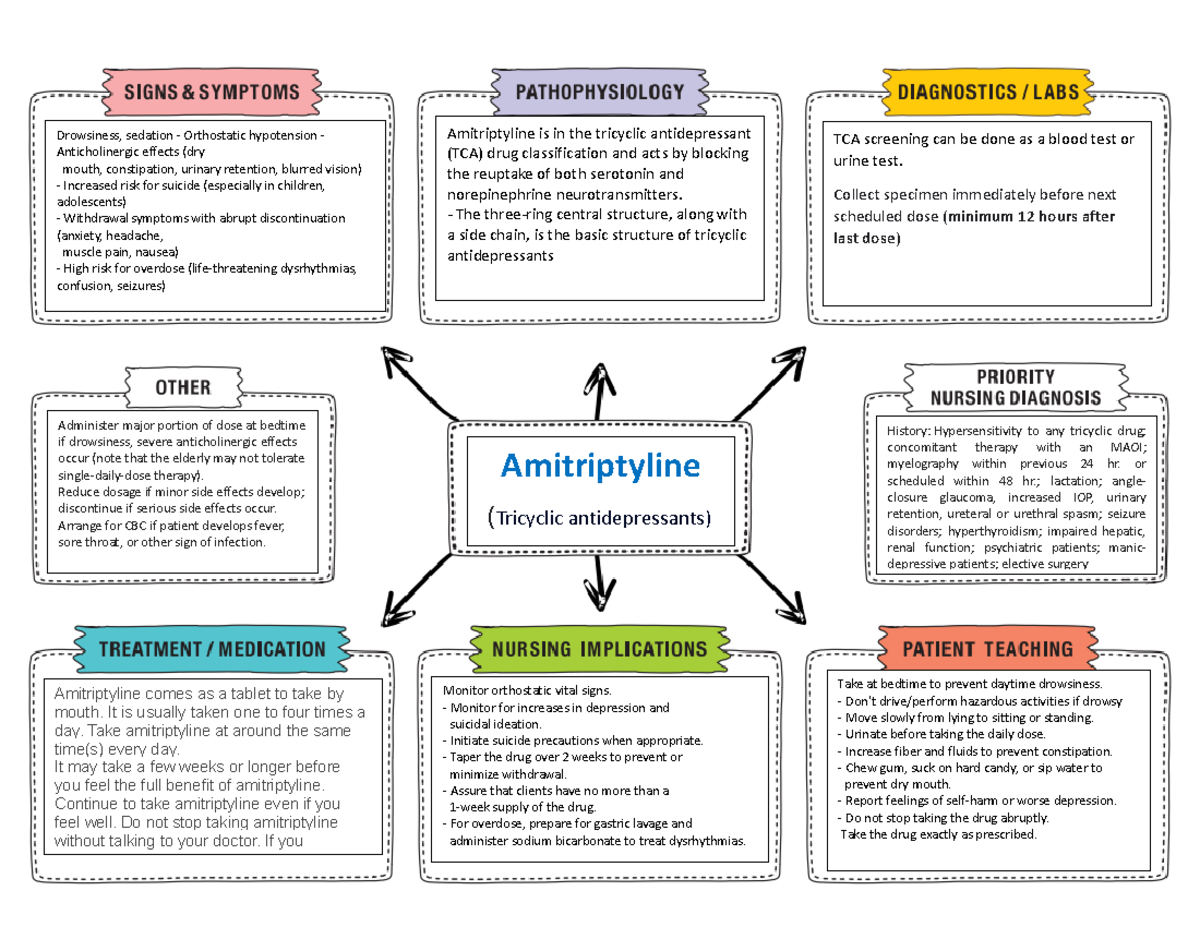
Use this protocol to minimize risks when prescribing amitriptyline.
- Have a full medication list, including OTC drugs and supplements
- Assess health status, including heart, liver, kidney, and cognitive function
- Review Beers Criteria to confirm appropriateness
- Verify interactions using software or a pharmacist
- Ensure patient understanding of side effects and warning signs
- Safety through scheduled follow-ups and lab checks
- Therapeutic goals defined with clear duration
This framework reduces preventable harm and supports informed decisions.
Overdose: Symptoms and Emergency Response
Amitriptyline has a narrow therapeutic window. Overdose can be fatal.
Signs of Toxicity
- Neurological: Extreme drowsiness, coma, seizures, hallucinations
- Cardiac: Irregular pulse, very low blood pressure, abnormal heart rate
- Anticholinergic: Hot dry skin, dilated pupils, no bowel sounds, urinary retention
- Other: Nausea, vomiting, low body temperature
As little as 5 mg/kg can be dangerous in elderly patients.
What to Do
- Call 911 immediately if overdose is suspected
- Contact Poison Control at 1-800-222-1222
- Do not induce vomiting unless instructed
- Stay with the person until help arrives
- Bring the pill bottle to the hospital
There is no specific antidote. Treatment is supportive and includes airway management, IV fluids, and cardiac monitoring.
Patient and Caregiver Guidance
Education is the key to safe use.
Daily Safety Tips
- Rise slowly and sit on the edge of the bed for 30 seconds before standing
- Avoid driving until sedation resolves, which may take weeks
- Stay hydrated to prevent constipation and support kidney function
- Eat fiber-rich foods like vegetables, whole grains, and prunes
- Use night lights to reduce fall risk during bathroom trips
Skin and Sun Protection
- Amitriptyline increases sunburn risk
- Wear sunscreen (SPF 30+), hats, and long sleeves
- Avoid tanning beds
Medication Management
- Store at room temperature, away from moisture and children
- Take a missed dose within a few hours; skip if near the next dose
- Taper slowly over 2–4 weeks to avoid withdrawal symptoms
Report side effects to the FDA at 1-800-FDA-1088 or through MedWatch.
Safer Alternatives to Consider
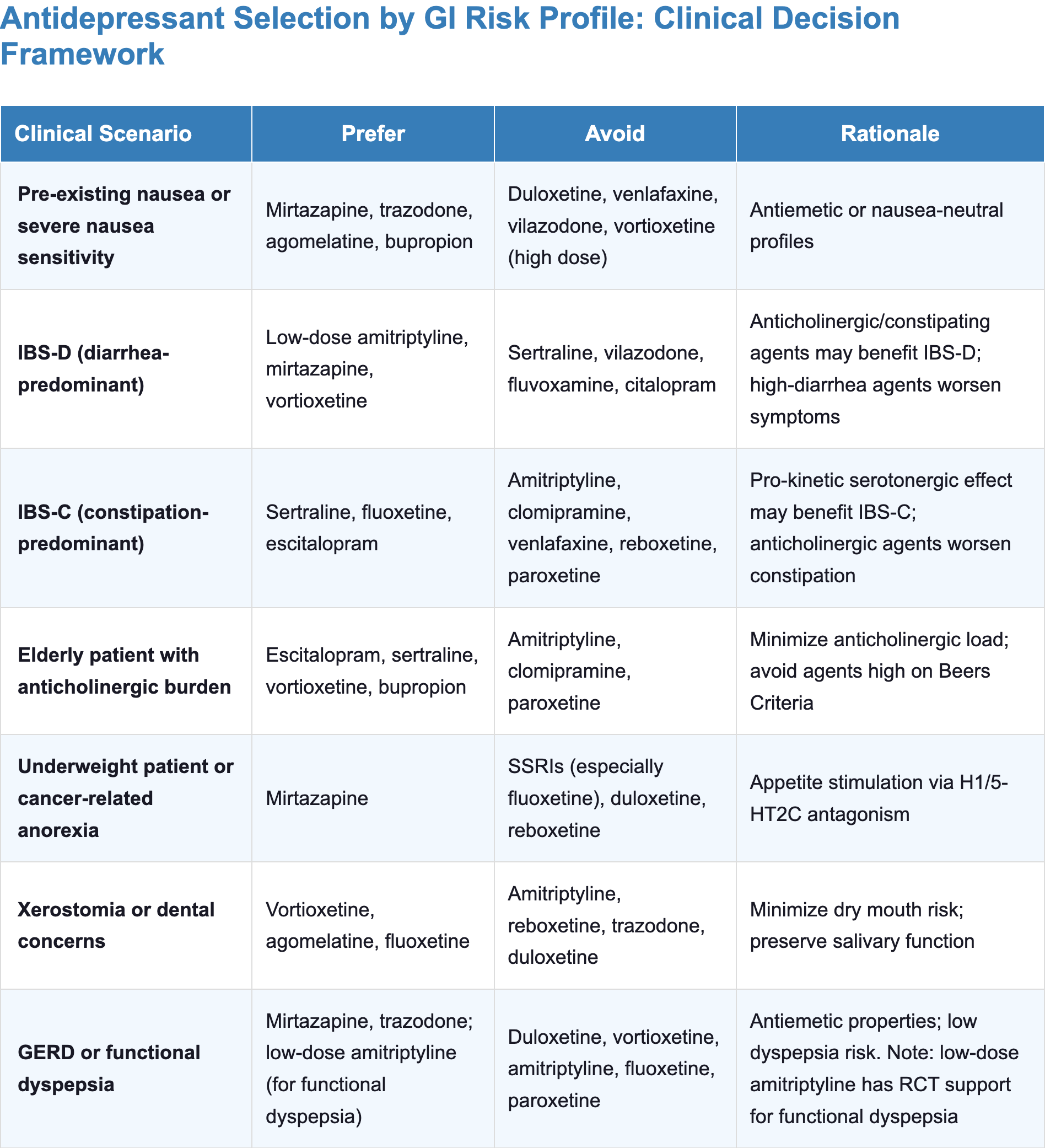
Often, better options exist for elderly patients.
For Depression
- SSRIs: Sertraline and citalopram have fewer anticholinergic effects
- SNRIs: Duloxetine and venlafaxine offer effectiveness with lower sedation
- Mirtazapine: Sedating but less anticholinergic (watch for weight gain)
For Neuropathic Pain
- Gabapentin or pregabalin: First-line for diabetic neuropathy
- Duloxetine: Approved for diabetic nerve pain
- Topical agents: Lidocaine patches and capsaicin cream have minimal systemic exposure
For Insomnia
- Trazodone (low dose): Less anticholinergic than amitriptyline
- Melatonin: Helpful for circadian rhythm disruption
- CBT-I: The gold standard non-drug treatment for insomnia
Start with non-anticholinergic agents whenever possible.
Frequently Asked Questions About Amitriptyline Side Effects in Elderly
Why is amitriptyline considered unsafe for elderly patients?
Amitriptyline appears on the Beers Criteria as potentially inappropriate for older adults because of its strong anticholinergic effects, sedation, and orthostatic hypotension. These effects increase the risk of falls, fractures, confusion, and cardiac events in seniors.
What is the safest dose of amitriptyline for an elderly patient?
Most guidelines recommend starting at 10 mg at bedtime, with gradual increases of 5–10 mg every 1–2 weeks. The maximum outpatient dose is typically capped at 50–100 mg daily, and never above 150 mg without hospital supervision.
Can amitriptyline cause confusion in older adults?
Yes. Amitriptyline’s anticholinergic properties can cause confusion, memory problems, and delirium within days of starting treatment. Seniors with dementia face an especially high risk of cognitive worsening.
How does amitriptyline increase fall risk in the elderly?
The drug causes sedation, dizziness, blurred vision, and orthostatic hypotension. Together, these effects impair balance and reaction time, raising fall rates by up to 50% compared to non-users.
What should I do if an elderly person misses a dose?
Take the missed dose as soon as you remember, unless it is almost time for the next scheduled dose. Never double up. If doses are frequently missed, talk to the doctor about adherence strategies.
Can amitriptyline be stopped suddenly?
No. Abrupt discontinuation can cause withdrawal symptoms like headache, nausea, and fatigue. A gradual taper over 2–4 weeks is required to safely stop the medication.
Key Takeaways for Managing Amitriptyline Side Effects in the Elderly
Amitriptyline side effects in elderly patients are common, serious, and often preventable. Its strong anticholinergic profile, sedative effects, and cardiac risks make it a high-hazard medication in older adults. While it may have a role in select, closely monitored cases, safer alternatives exist for depression, pain, and insomnia.
Prescribers should follow Beers Criteria, start at ultra-low doses, conduct baseline ECGs, and maintain ongoing monitoring. Patients and caregivers should learn the warning signs and fall prevention strategies. The goal is not to eliminate amitriptyline entirely, but to ensure it is used only when benefits clearly outweigh the risks, with every safeguard in place.
Next step: Schedule a medication review with your doctor or pharmacist to discuss whether amitriptyline remains the best option, or whether a safer alternative could better protect your health.