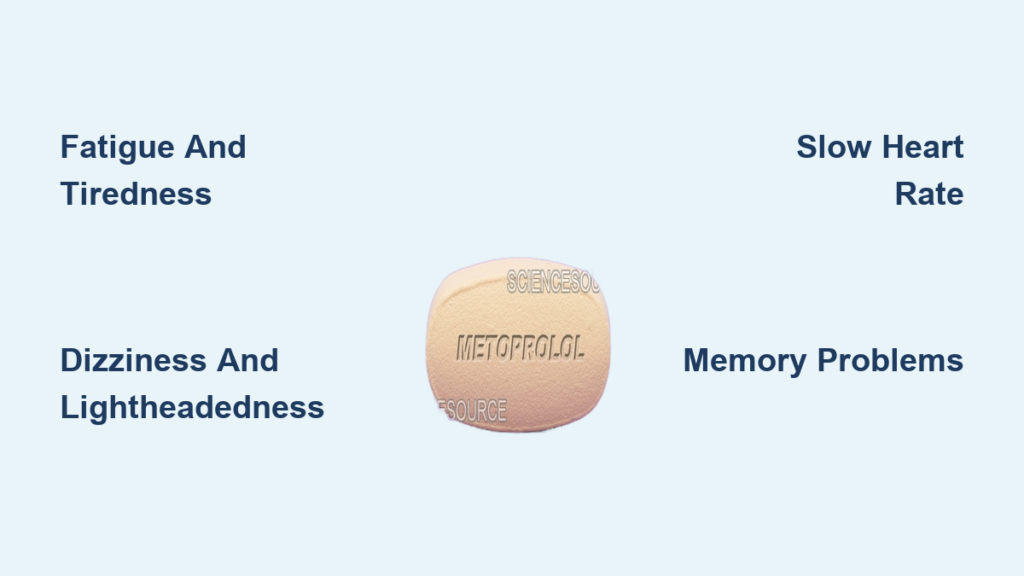
Metoprolol is a widely prescribed beta-blocker used to manage high blood pressure, heart failure, and certain rhythm disorders. However, metoprolol side effects in elderly patients can be more intense because aging affects how the body processes medication. Older adults also tend to take multiple prescriptions, which raises the chance of drug interactions and overlapping reactions. Spotting these risks early helps protect health and independence.
Many seniors develop subtle or unusual responses to metoprolol that get dismissed as normal aging. Fatigue, dizziness, or mental fog often go unreported or misdiagnosed. Left unchecked, these issues can trigger falls, hospital visits, or loss of independence. This guide covers the most common and serious metoprolol side effects in older adults, how to recognize them, and when to call a doctor, so you or your loved one can stay safe on this medication.
Why Older Adults React Differently to Metoprolol

Aging changes how the body handles drugs. Liver metabolism slows, kidney filtration declines, and the brain becomes more sensitive to certain medications. For seniors on metoprolol, these shifts can turn mild reactions into serious concerns.
Slower Drug Clearance
The kidneys and liver remove metoprolol from the body. As these organs age, the drug stays in the system longer, building up higher concentrations over time.
Increased Receptor Sensitivity
Heart and brain receptors in older adults often respond more strongly to beta-blockers. This means even standard doses can produce stronger effects than expected.
Polypharmacy Complications
Most seniors take five or more medications. Each new drug adds another chance for interaction, especially with heart, blood pressure, or diabetes treatments.
Common Metoprolol Side Effects in Elderly Patients
Several reactions appear frequently in older adults. Most are manageable with monitoring, but they should never be ignored.
Persistent Fatigue and Low Energy
Tiredness is one of the most reported complaints. Metoprolol lowers heart rate and cardiac output, leaving seniors feeling drained or short on stamina. This often gets mistaken for aging or inactivity.
Signs to watch for:
– Needing frequent daytime naps
– Struggling with stairs or short walks
– Losing interest in favorite activities
Action step: Track energy patterns throughout the day. If fatigue disrupts daily life, ask your doctor about dose adjustment.
Dizziness and Lightheadedness
Feeling dizzy, especially when standing, is common because metoprolol lowers blood pressure. In seniors, this raises the risk of falls, fractures, and fear of moving around.
Visual cues include:
– Swaying when rising from a chair
– Grabbing furniture or walls while walking
– Describing “spinning” or “floating” sensations
Pro tip: Measure blood pressure while lying down and standing. A drop of 20 mmHg or more in systolic pressure signals orthostatic hypotension, a major dizziness trigger.
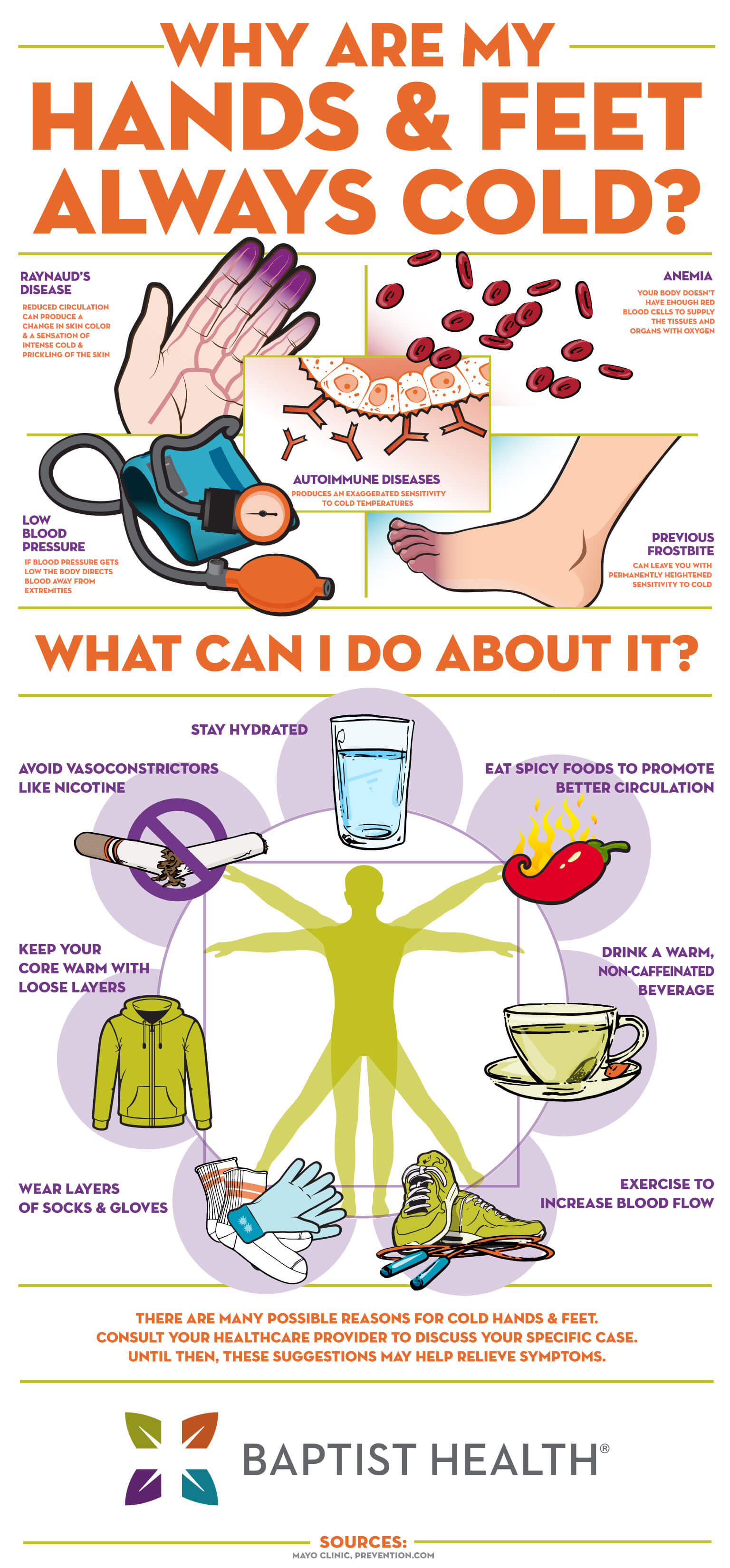
Cold Hands and Feet
Metoprolol reduces blood flow to the extremities by blocking beta receptors that control vessel tone. Seniors may notice persistently cold hands and feet, even indoors.
Why it matters: Poor circulation slows wound healing and can mimic peripheral vascular disease. Watch for skin discoloration or numbness, which may require a medication review.
Serious Side Effects That Require Prompt Attention
Some reactions can become dangerous, especially in seniors with existing heart, lung, or metabolic conditions. Quick response matters.
Slow Heart Rate (Bradycardia)
Metoprolol intentionally lowers heart rate, but in elderly patients it can drop too far, sometimes below 50 beats per minute. This condition, called bradycardia, may cause fainting or confusion.
Warning signs include:
– Near-fainting episodes
– Sudden confusion or memory lapses
– Shortness of breath with minimal effort
What to do: Check your pulse regularly. If it stays under 50 bpm or symptoms appear, contact your doctor right away. Never stop metoprolol suddenly.
Worsening Heart Failure Symptoms
Although metoprolol treats heart failure, starting or raising the dose too quickly can briefly worsen symptoms in frail seniors.
Red flags to monitor:
– Increased shortness of breath
– Swollen ankles or legs
– Sudden weight gain of two or more pounds in a day
Important note: These symptoms may appear within days of starting or adjusting the dose. Report them quickly so your doctor can slow the titration or adjust other medications.
Masked Hypoglycemia in Diabetic Seniors
Older adults with diabetes on metoprolol may miss the usual warning signs of low blood sugar, such as shakiness or rapid heartbeat. The drug blunts these natural responses.
Safety steps to follow:
– Check blood sugar more often
– Teach caregivers about subtle signs like sweating or drowsiness
– Avoid skipping meals or overexertion
Cognitive and Mood-Related Reactions
Beta-blockers can cross into the brain, especially in seniors with age-related changes in blood-brain permeability.
Brain Fog and Memory Issues
Some seniors notice trouble concentrating, forgetfulness, or mental cloudiness after starting metoprolol. These symptoms often go overlooked but affect daily function.
Examples include:
– Missing appointments
– Misplacing items often
– Struggling to follow conversations
Note: These effects may improve with a lower dose or a switch to a more cardioselective beta-blocker. Always report cognitive changes to your healthcare provider.
Depression and Low Mood
Though less common, metoprolol has been linked to mood changes, including sadness or loss of interest in hobbies.
Clues to consider:
– Pulling away from social activities
– Expressing hopelessness
– Changes in sleep or appetite
Action step: Never dismiss mood symptoms as “just aging.” A medication review may be needed, especially if depression appears after starting metoprolol.
Falls and Mobility Risks Linked to Metoprolol

Falls are a top cause of injury in older adults, and metoprolol contributes through several pathways.
Combined Effects of Dizziness and Fatigue
Low energy, dizziness, and slower reflexes together raise fall risk, especially during nighttime bathroom trips or on uneven floors.
Prevention tips:
– Install grab bars in bathrooms
– Use a raised toilet seat
– Keep nightlights on in hallways
Expert insight: Medication reviews that include metoprolol can lower fall risk in seniors taking multiple drugs.
Risky Drug Interactions
Metoprolol interacts with several medications commonly used by older adults, amplifying side effects.
High-risk combinations include:
– Amiodarone or digoxin, which raise the risk of severe bradycardia
– Clonidine, which can cause rebound hypertension if stopped suddenly
– Other blood pressure drugs, which increase hypotension and fall risk
Must-do: Keep an updated medication list and share it with every provider. Ask about deprescribing when appropriate.
Managing Metoprolol Side Effects Safely in Seniors
Never stop metoprolol abruptly. Doing so can trigger chest pain, heart attack, or dangerous blood pressure spikes.
Gradual Dose Adjustment
If side effects appear, your doctor may:
– Lower the dose
– Switch to a different beta-blocker
– Change from immediate-release to extended-release
Timeframe: Dose adjustments usually take one to two weeks to show full effect.
Simple At-Home Monitoring
Seniors and caregivers can track responses with basic checks.
Daily and weekly tasks:
– Check resting heart rate each morning
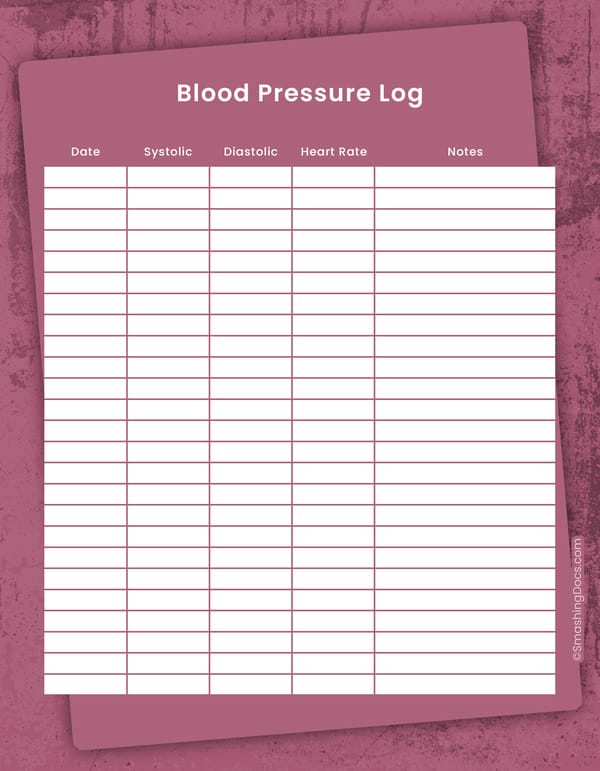
– Monitor blood pressure weekly or as advised
– Weigh yourself at the same time daily if heart failure is a concern
Tool suggestion: Use a journal or smartphone app to log readings and symptoms.
When to Seek Medical Help
Some symptoms need fast evaluation, while others still deserve a timely doctor’s visit.
Emergency Warning Signs
Seek immediate care for any of the following:
– Fainting or near-fainting
– Chest pain or tightness
– Severe shortness of breath
– Swelling in the lower legs or abdomen
– Heart rate below 50 bpm with dizziness
Remember: These may signal serious heart rhythm issues or worsening heart failure.
Non-Urgent but Important Concerns
Schedule a doctor visit for:
– Persistent fatigue
– Memory problems
– Cold extremities
– Mood changes
– Frequent dizziness
Early conversations prevent complications and improve comfort.
Preventing Problems Before They Start
Proactive care lowers the risk of adverse effects in elderly patients on metoprolol.
Regular Checkups and Lab Tests
Older adults should expect:
– Kidney function tests every six to twelve months
– Electrolyte panels if taking diuretics
– ECG if heart rhythm concerns exist
Why: Impaired kidney function slows metoprolol clearance, raising side effect risk.
Medication Review at Every Visit
Ask your doctor to:
– Evaluate whether metoprolol is still needed
– Check for duplication or interactions
– Consider alternatives if side effects persist
Pro tip: Bring all medications, including supplements, in a bag to every appointment.
Frequently Asked Questions About Metoprolol Side Effects in Elderly Patients
What is the most common metoprolol side effect in elderly patients?
Fatigue and dizziness are the most frequently reported reactions. Older adults often feel unusually tired or lightheaded because of slower drug clearance and increased sensitivity to blood pressure changes.
Can metoprolol cause memory problems in seniors?
Yes. Some seniors experience brain fog, forgetfulness, or trouble concentrating while on metoprolol. These symptoms may improve with a lower dose or a switch to a different beta-blocker.
How does metoprolol affect heart rate in older adults?
Metoprolol lowers heart rate by blocking beta receptors. In seniors, the rate can drop too low, sometimes below 50 bpm, causing bradycardia. Regular pulse checks help catch this early.
Is metoprolol safe for elderly patients with diabetes?
Metoprolol can be used, but it may mask the warning signs of low blood sugar. Diabetic seniors should check glucose more often and educate caregivers about subtle hypoglycemia symptoms.
What should seniors do if they feel dizzy on metoprolol?
Sit or lie down immediately to prevent falls. Measure blood pressure while lying and standing. Report frequent dizziness to your doctor, as dose adjustment may be needed.
Can metoprolol increase fall risk in the elderly?
Yes. Dizziness, fatigue, and low blood pressure from metoprolol all contribute to falls. Home safety improvements and medication reviews can help reduce this risk.
Key Takeaways for Managing Metoprolol Side Effects in Elderly Patients

Metoprolol remains a valuable medication for heart health, but it requires extra care in older adults. Watch for fatigue, dizziness, slow heart rate, and cognitive changes, and report them early. Never stop the drug suddenly, and keep all healthcare providers informed about the full medication list.
Your next step: schedule a medication review with your doctor today. Bring every prescription and supplement, and ask whether your current metoprolol dose still fits your health needs. Small adjustments can make a big difference in safety and quality of life.