

Itchy skin in seniors is more than a minor irritation. As skin ages, it becomes thinner, drier, and far more fragile, making persistent itching a common and often disruptive problem. This condition, known medically as pruritus, can interfere with sleep, damage delicate skin, and quietly erode quality of life. For many older adults, the cause is not just what is happening on the skin’s surface but also what is happening inside the body.
The good news is that most cases of elderly itching can be dramatically improved with the right approach. In this guide, you will learn how to identify hidden medical causes, build a gentle daily skincare routine, choose safe soothing products, and recognize when professional care is needed. Whether you are caring for a parent or managing your own symptoms, these evidence-based strategies can help restore comfort and restful sleep.
Identify Hidden Medical Causes of Itching
Before investing in lotions and creams, rule out the internal conditions that commonly trigger itching in older adults. Persistent pruritus is often a signal from within, not just a skin problem.
Chronic Diseases That Trigger Pruritus
Several systemic illnesses are strongly linked to itching in seniors:
- Kidney disease: Intense, widespread itching is common in late-stage renal failure, even when lab results appear normal
- Liver disease: Bile buildup can stimulate nerve endings and cause itching without any visible rash
- Diabetes: Poor circulation and nerve damage contribute to dry, irritated skin
- Thyroid disorders: Both overactive and underactive thyroid function can cause dryness and itching
- Iron deficiency anemia: A frequently overlooked cause of years-long unexplained itching; in one case, a 98-year-old patient found complete relief after IV iron infusions
Request blood work to check a complete blood count, iron and ferritin levels, liver and kidney function, thyroid hormones, and vitamins B12 and D.
Medications That Cause Itching as a Side Effect
Common prescriptions can trigger or worsen pruritus:
- Statins for cholesterol management
- Opioids for pain relief
- Antihypertensives for blood pressure control
If a new medication was started around the time itching began, ask the prescribing doctor whether an alternative is available. Never stop a prescription without medical guidance.
Infections and Allergies to Watch For
In seniors, infections do not always look or feel typical:
- Urinary tract infections: In older adults with dementia, a UTI may show up as skin irritation or increased agitation rather than urinary symptoms
- Shingles: Can cause burning, itching, or tingling before any rash appears
- Fungal infections: More common in aging skin and may respond to antifungal creams or coconut oil
Also watch for allergic reactions to new soaps, lotions, laundry detergents, or supplements (especially those containing shellfish ingredients). Keep a simple log of when itching flares to identify patterns.
Build a Gentle Daily Skincare Routine
The single most powerful step in stopping itchy skin is consistent, gentle skincare. Aging skin needs protection, not aggressive cleansing.
Replace Hot Showers with Lukewarm Baths
Hot water strips the natural oils that protect aging skin. Instead:
- Limit full showers to twice weekly during winter months
- Use sponge baths on off days
- Bathe in lukewarm water for no more than 20 minutes
- Avoid scrubbing; pat skin dry with a soft towel
Adding epsom salt to bathwater can provide extra soothing relief, especially before bedtime.
Choose Hypoallergenic, Fragrance-Free Cleansers
Harsh soaps like Ivory and heavily fragranced body washes dry out delicate skin and trigger irritation.
Better options include:
- Aveeno Gentle Baby Body Wash
- CeraVe SA Cleanser
- Olay moisturizing body wash
Look for products labeled fragrance-free rather than unscented. Unscented products often contain masking chemicals that can still irritate sensitive skin. Rinse shampoo and conditioner thoroughly, since residue on the neck and back is a common hidden cause of itching.
Moisturize Aggressively and Immediately
This is the most effective step for dry, itchy skin.
Within three minutes of bathing, while the skin is still slightly damp:
- Apply a thick moisturizer
- Petrolatum (petroleum jelly) is widely considered the most inert, natural hypoallergenic moisturizer available
- Cetaphil, Aveeno, and CeraVe Moisturizing Cream are excellent alternatives
Reapply moisturizer multiple times throughout the day, especially on the arms, legs, and hands. For very dry areas, try warming a small amount of olive oil in the microwave and applying it daily, or use plain coconut oil twice a day.
Run a humidifier in the bedroom during dry months to prevent overnight moisture loss.
Use Targeted Topical Treatments for Flare-Ups
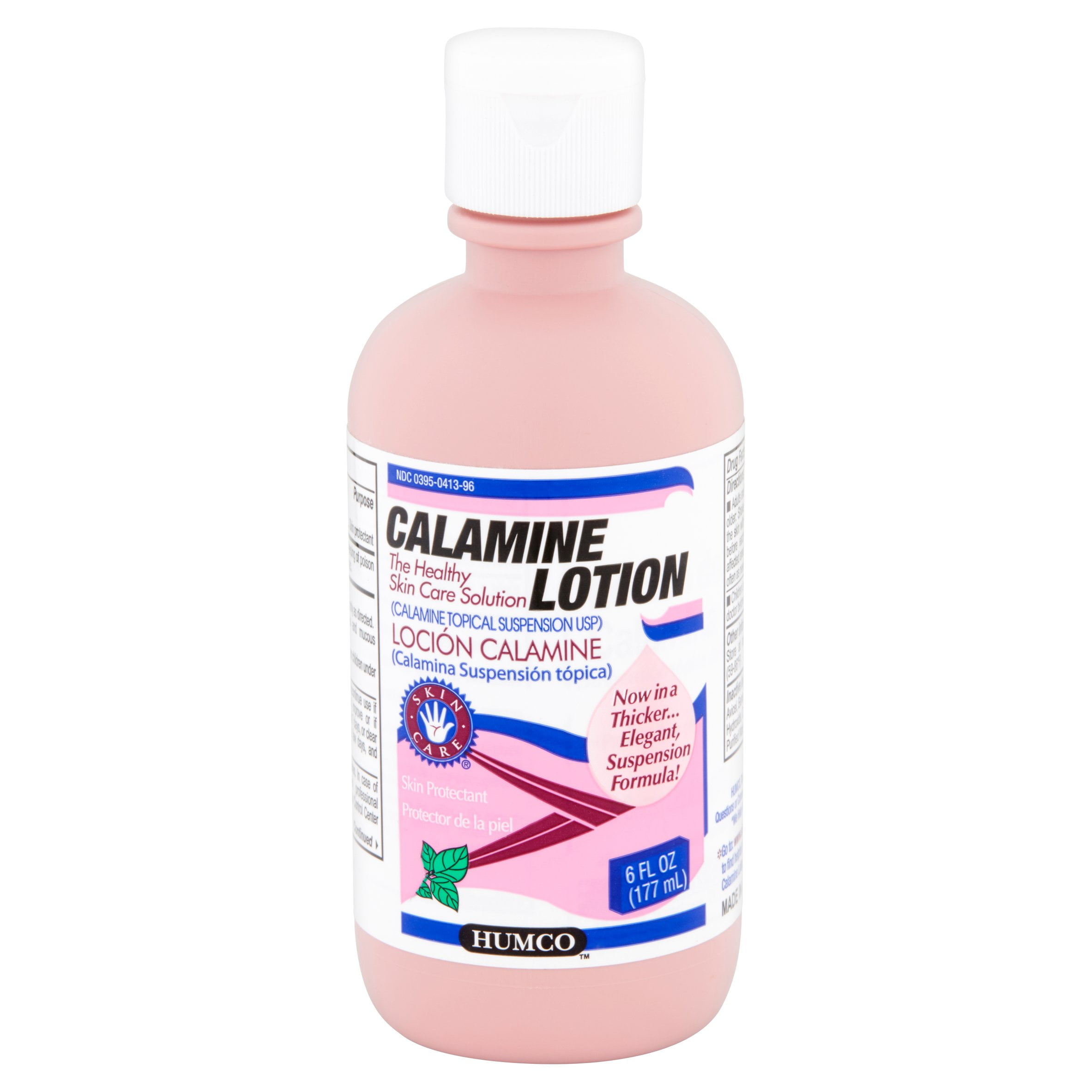
When daily moisturizing is not enough, targeted treatments can calm irritation and help heal damaged skin.
Over-the-Counter Soothing Options
For temporary relief, try:
- Calamine lotion: Cools and calms irritated skin
- Sarna lotion: Now available without a prescription and effective for nighttime itching
- Caladryl or Calmoseptin: Useful for minor irritation on small areas
Avoid products containing alcohol or added fragrance, which can worsen dryness.
Cool Compresses for Localized Relief
For an itchy hot spot, soak a clean cloth in cool water and apply it to the area for 10 to 15 minutes. Repeat as needed. This simple technique reduces inflammation and helps break the itch-scratch cycle.
Prescription Treatments for Severe Cases
For long-term or severe itching, a doctor may recommend triamcinolone 0.025% to 0.1% ointment. A proven bedtime protocol includes:
- Bathing in plain lukewarm water for 20 minutes
- Applying the ointment to wet skin
- Putting on cotton pajamas
- Repeating nightly for three to five days
This method traps moisture and enhances absorption. For scalp itching that resembles cradle cap, gently wipe scaly patches with a cotton ball soaked in witch hazel, then apply coconut oil to soothe the area.
Prevent Scratching and Protect Fragile Skin
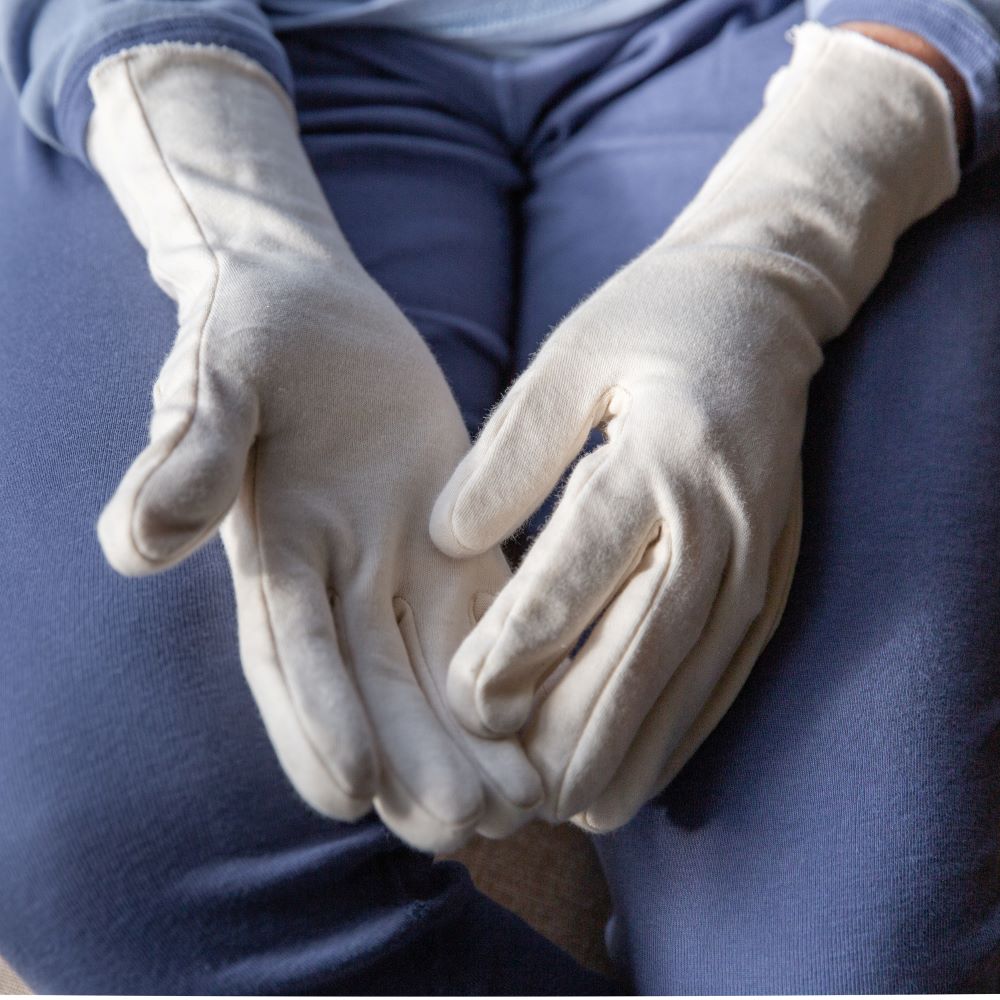
Scratching damages fragile aging skin, increases infection risk, and often makes itching worse.
Keep Nails Short and Smooth
Trim fingernails regularly and file the edges smooth. This minimizes cuts and tears from unconscious scratching, especially during sleep.
Wear Soft, Loose Clothing
Choose 100 percent cotton or other natural fibers, and favor loose-fitting garments. Avoid wool and synthetic fabrics that trap heat and irritate the skin.
Protect Skin at Night
Nighttime itching often worsens due to inactivity and warmth. Try these strategies:
- Wear cotton gloves to bed to prevent unconscious scratching
- Apply moisturizer right before sleep
- Use cool, breathable bedding
Avoid adhesive bandages, which can tear elderly skin when removed.
Adjust Hydration and Diet for Healthier Skin
What goes into the body directly affects how the skin feels. Simple dietary changes can meaningfully reduce itching.
Stay Well Hydrated
Drink water steadily throughout the day. Aim for six to eight glasses unless fluid intake is restricted for medical reasons. Dehydration worsens dry skin and increases itching.
Identify and Remove Food Triggers
Some seniors find relief by eliminating common triggers for three months:
- Gluten
- Tomatoes
- Peanuts
- Eggs
Reintroduce one food at a time and watch for changes. Keeping a simple food and symptom journal can make patterns easier to spot.
Correct Nutritional Deficiencies
Low levels of iron, vitamin B12, and vitamin D can all cause chronic itching without any visible rash. A blood test can confirm deficiencies, and targeted supplementation or IV iron infusions may bring dramatic relief.
Know When to Seek Medical Help
Most itching improves with careful home care, but certain warning signs require prompt medical attention.
Red Flags That Need a Doctor
Contact a healthcare provider if you notice:
- Itching that interferes with sleep or daily activities
- Open sores, blisters, or oozing skin
- Redness, warmth, or swelling (possible signs of cellulitis)
- Unexplained weight loss, fatigue, or jaundice
- Symptoms that return after steroid treatment
Even when the skin looks normal, persistent itching warrants investigation.
How to Prepare for the Appointment
Bring the following to make the visit as productive as possible:
- A list of all medications, supplements, and dosages
- Notes on when itching occurs and what makes it better or worse
- A list of skin products currently in use
- A few written questions for the doctor
Expect the doctor to order blood work and possibly a skin biopsy, chest X-ray, or CT scan if a systemic cause is suspected. Referrals to a dermatologist, hematologist, or pharmacist may follow.
Special Care for Seniors with Dementia
Older adults with cognitive decline often cannot describe what they are feeling. Caregivers must look for behavioral clues instead.
Watch for Nonverbal Signals
Signs that a dementia patient may be itching include:
- Increased agitation or restlessness
- Repeatedly touching or rubbing a specific area
- Skin lesions from unnoticed scratching
Remember that UTIs in dementia patients often present as skin irritation or confusion rather than urinary symptoms.
Choose the Safest Products
Stick with gentle, non-irritating options such as olive oil or petrolatum. Apply moisturizers during routine care, such as dressing changes, to make the process easier. Use fragrance-free laundry detergent at half the usual amount, and keep nails short to limit accidental damage.
Follow Proven Daily and Seasonal Protocols
Consistency is what turns these strategies into real relief.
Bedtime Routine for Severe Itching
- Bathe in plain lukewarm water for 20 minutes
- Pat skin dry and leave it slightly damp
- Apply triamcinolone ointment to affected areas
- Put on cotton pajamas
- Repeat nightly for three to five days
Winter Skincare Protocol
- Shower only twice per week and use sponge baths otherwise
- Apply CeraVe SA moisturizer immediately after bathing
- Run a humidifier indoors
- Switch to fragrance-free detergent at half the usual dose
- Stay well hydrated throughout the day
Daily Moisturizing Checklist
- Apply thick lotion after every bath
- Reapply to hands and arms two to three times daily
- Use petrolatum on extra-dry spots like heels and elbows
- Treat flaky scalp with witch hazel followed by coconut oil
Frequently Asked Questions About Itchy Skin in the Elderly
What is the most common cause of itchy skin in elderly people?
Dry skin from age-related changes is the leading cause, but persistent itching often points to an underlying condition such as kidney disease, liver disease, thyroid problems, or iron deficiency anemia.
What is the best moisturizer for elderly itchy skin?
Petrolatum is widely regarded as the most hypoallergenic and inert moisturizer. CeraVe, Cetaphil, and Aveeno are excellent alternatives, especially when applied to damp skin within minutes of bathing.
Can medications cause itchy skin in older adults?
Yes. Statins, opioids, and many blood pressure medications can trigger itching. Review all current prescriptions with a doctor or pharmacist if symptoms begin after starting a new drug.
When should an elderly person see a doctor for itchy skin?
Seek medical care if itching disrupts sleep, leads to skin damage, or comes with symptoms like weight loss, fatigue, or jaundice. Persistent itching always deserves investigation, even when the skin looks normal.
How often should seniors bathe to avoid dry, itchy skin?
Limit full showers to twice weekly during winter and use sponge baths on other days. Always use lukewarm water, gentle fragrance-free cleansers, and apply moisturizer immediately after bathing.
What helps itchy skin at night for the elderly?
A cool bedroom, a humidifier, moisturizer applied right before bed, and cotton gloves to prevent unconscious scratching can all reduce nighttime flare-ups.
Key Takeaways for Stopping Itchy Skin in the Elderly
Relief is absolutely possible. Start by ruling out medical causes through blood work, then build a foundation of gentle skincare with lukewarm baths, fragrance-free cleansers, and aggressive moisturizing with petrolatum or a quality alternative. Address flare-ups with cool compresses, Sarna lotion, or prescription creams as needed, and protect fragile skin by keeping nails short and choosing soft cotton clothing.
Stay hydrated, evaluate your diet for hidden triggers, and run a humidifier during dry months. Most importantly, do not wait to seek help if itching persists. Comfort, restful sleep, and healthy skin are within reach at any age.