

Picture this scenario: your 80-year-old mother suddenly needs to rush to the bathroom multiple times a day, leaving her weak, anxious, and embarrassed to leave the house. Diarrhea in elderly individuals is far more serious than a passing stomach bug. Seniors face heightened risks of dehydration, malnutrition, and skin breakdown because their bodies hold less fluid reserve and their thirst signals weaken with age. Many older adults suffer in silence, assuming frequent loose stools are simply part of getting older. In reality, chronic diarrhea in seniors often signals an underlying issue that deserves medical attention and a clear management plan.
Treating diarrhea in elderly patients requires more than just waiting it out. The right combination of dietary changes, medication review, hydration strategies, and trigger avoidance can restore comfort and dignity. This guide walks you through evidence-based, practical steps to treat diarrhea in elderly loved ones safely. You will learn how to identify causes, build a healing meal plan, choose the right medications, and know when to push for further medical care.
Identify the Root Cause Before Treating
Rule Out C. diff After Antibiotic Use
If your loved one has taken antibiotics in recent weeks, Clostridioides difficile (C. diff) must be ruled out first. This bacterial infection triggers persistent, watery diarrhea and can become dangerous in older adults. A simple stool test detects it quickly, and treatment with targeted antibiotics like vancomycin or fidaxomicin usually resolves the infection. Early diagnosis prevents serious complications such as colitis or sepsis.
Investigate Microscopic Colitis
Microscopic colitis ranks among the leading causes of chronic diarrhea in seniors. This inflammatory condition causes sudden, urgent bowel movements with as little as 3 seconds of warning. The only way to confirm it is through a colonoscopy with biopsy. However, invasive testing may not be appropriate for very elderly patients. If your loved one is 90+, symptom management often takes priority over diagnosis, especially when a restricted diet already keeps symptoms under control.
Review All Medications for Side Effects
Many prescription drugs list diarrhea as a common side effect. One documented case involved a 76-year-old taking long-term medication for polymyalgia rheumatica and cardiomyopathy, plus occasional trazodone for sleep, who experienced chronic diarrhea possibly linked to her prescriptions. Schedule a medication review with a trusted pharmacist to identify any gastrointestinal culprits. Even over-the-counter supplements can play a role. Track when diarrhea started in relation to any new medication changes for clearer patterns.
Uncover Hidden Dietary Triggers
Food triggers are often the most overlooked cause of diarrhea in elderly individuals. Sugar alcohols like xylitol, erythritol, and sorbitol lurk in sugar-free gum, candies, and ice creams such as sugar-free Fudgesicles. These ingredients are frequently buried in fine print, so reading every label matters. Other common culprits include:
- Caffeinated coffee, which speeds up gut motility
- Cranberry-apple juice in large amounts (20 ounces or more)
- Excessive sweets or dairy products
- Processed foods with long ingredient lists
Build a Healing Bland Diet

Start With the Rice and Ground Chicken Protocol
The most effective long-term dietary approach for diarrhea in elderly patients is the rice and ground chicken diet. Medical consensus confirms this regimen can be sustained indefinitely when paired with a daily multivitamin. One 93-year-old lived successfully on this plan, and another individual with microscopic colitis followed it for three years without issue.
A sample daily plan looks like this:
- Breakfast: White rice with boiled ground chicken
- Lunch: Mashed white potato and chicken
- Dinner: Rice and chicken, with optional banana
This bland, low-fiber approach gives the gut time to heal while preventing nutritional emergencies.
Add Binding Foods as Symptoms Improve
Once bowel movements stabilize, introduce gentle, binding foods one at a time:
- Bananas (rich in potassium and pectin)
- Mashed sweet potato
- Saltine crackers or plain toast
- Graham crackers or vanilla wafers
- Red Jell-O (low in fiber and easy to digest)
Hold off on high-fiber, fatty, or spicy foods until symptoms fully resolve.
Eliminate Problematic Foods Completely
Strict elimination prevents setbacks. Avoid the following without exception:
- Dairy products (if any intolerance is suspected)
- Gluten-containing grains such as wheat, barley, and rye
- All processed and packaged foods
- Sugar-free products containing sugar alcohols
- Caffeine and alcohol
Even minor slip-ups can trigger immediate diarrhea in sensitive seniors.
Prioritize Hydration and Electrolytes
Prevent Dehydration Proactively
Dehydration is the single greatest danger when treating diarrhea in elderly individuals. Older adults have a diminished thirst sensation and lower fluid reserves, making them vulnerable fast. Encourage small, frequent sips of water throughout the day rather than large glasses. Watch carefully for these warning signs:
- Dry mouth or cracked lips
- Dark-colored urine
- Dizziness or lightheadedness
- Sudden confusion
Replenish Electrolytes With the Right Drinks
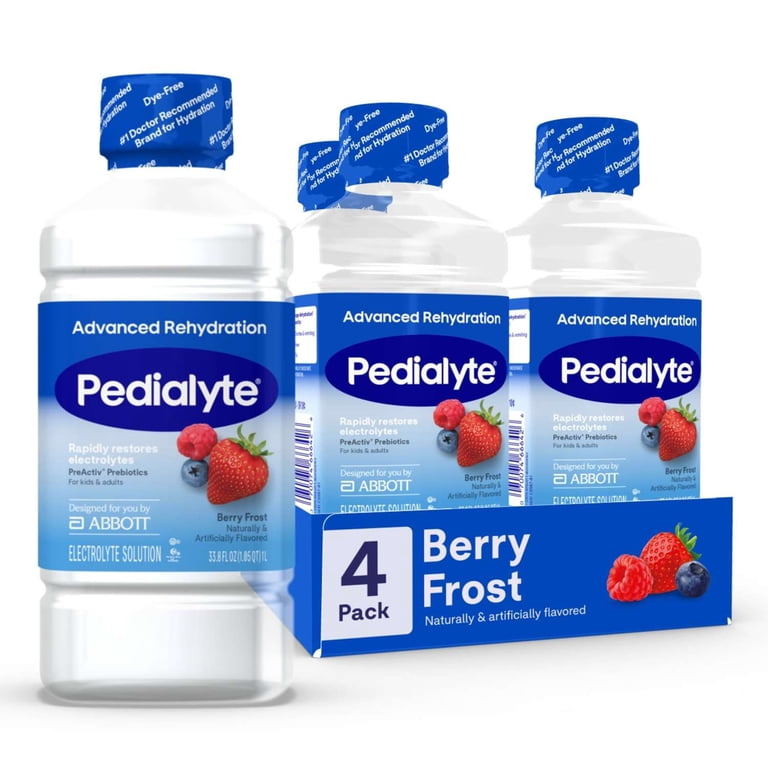
Plain water alone does not replace what the body loses during diarrhea. Sodium, potassium, and chloride all need replenishing. Reach for:
- Oral rehydration solutions such as Pedialyte
- Low-sugar electrolyte beverages
- Homemade broth made with chicken bouillon cubes (though note the high sodium content)
Avoid sugary sports drinks, which often worsen diarrhea rather than help it.
Choose Medications Carefully

Start Low With Loperamide (Imodium)
For symptom control, loperamide is frequently effective. However, seniors should start with just half a tablet daily for chronic management and use it only as needed for acute episodes. Overuse leads to severe constipation, which carries its own serious risks in older adults. Remember that Imodium manages symptoms but never addresses the underlying cause.
Try the Pepto-Bismol Protocol Under Guidance
A protocol inspired by Johns Hopkins uses bismuth subsalicylate (Pepto-Bismol) at 8 tablets per day for 8 weeks, spread throughout meals. This approach may reduce inflammation linked to microscopic colitis. Stay alert for tinnitus (ringing in the ears), a known side effect at this dose, and stop immediately if it develops.
Ask About Cholestyramine
For certain types of chronic diarrhea, doctors may prescribe cholestyramine, a bile acid binder. Some patients find it effective, though others discontinue due to side effects. Discuss this option with a primary care provider if dietary changes and over-the-counter medications fall short.
Diagnose Wisely Based on Age and Condition
Start With Non-Invasive Stool Tests
Basic stool tests rule out infections like C. diff without any discomfort. Always complete this step before considering more invasive procedures, particularly when antibiotics have been involved recently.
Weigh Colonoscopy Risks Carefully
A colonoscopy with biopsy remains the only way to confirm microscopic colitis. Still, the procedure carries real risks from sedation and complications. For a 93-year-old who is stable on a manageable diet and not losing weight, conservative management may be the wiser path. Ask the medical team whether testing will actually change treatment before agreeing to invasive procedures.
Protect Skin and Preserve Dignity

Prevent Skin Breakdown
Frequent diarrhea increases the risk of perineal skin irritation and pressure sores. When using absorbent briefs, clean the area thoroughly after every episode and dry gently but completely. Apply barrier cream such as zinc oxide lightly to protect the skin without trapping excess moisture.
Use Behavioral Strategies to Encourage Independence
One caregiver reported major improvements after refusing to clean up after her husband. He began showering himself, washing soiled clothes, and cleaning the toilet independently, which led to fewer accidents and reduced caregiver burden. This approach restored both dignity and caution.
Track Triggers and Reduce Stress
Keep a Daily Symptom Log
Tracking creates accountability and reveals hidden patterns. Use a simple notebook or app to record:
- Time of each bowel movement
- Consistency (loose, watery, formed)
- Foods and drinks consumed 2 to 4 hours beforehand
- Medications taken that day
Over time, clear patterns emerge that make trigger avoidance much easier.
Reduce Stress and Anxiety
Stress directly worsens gut symptoms. Encourage calming activities such as nature documentaries, Smithsonian programs about trains or cruise ships, and quiet environments. Minimize exposure to loud noises, chaotic settings, or stressful visitors when possible.
Know When to Seek Immediate Medical Help
Watch for Red Flags
Contact a healthcare provider promptly if any of the following occur:
- Unexplained weight loss
- Skin breakdown or open sores
- Worsening dehydration signs such as confusion or low urine output
- Constant or bloody diarrhea
- Fever or severe abdominal pain
These may signal infection, malabsorption, or other urgent conditions requiring medical treatment.
Advocate for Proper Care
Do not accept dismissal when symptoms are severe. If a doctor says your loved one is fine despite frequent or explosive diarrhea, be the squeaky wheel. Push for medication evaluations, stool tests, or referrals to a gastroenterologist until answers emerge.
Frequently Asked Questions About Treating Diarrhea in Elderly
What is the fastest way to treat diarrhea in elderly at home?
Begin hydration immediately with small sips of water and an electrolyte solution like Pedialyte. Start a bland diet of rice and ground chicken, and consider half a tablet of loperamide for symptom relief. If diarrhea persists beyond 48 hours or warning signs appear, contact a doctor right away.
What foods should seniors eat when they have diarrhea?
Focus on binding, low-fiber foods such as white rice, ground chicken, bananas, mashed potatoes, saltines, and plain toast. Red Jell-O and vanilla wafers are also well tolerated. Avoid dairy, gluten, caffeine, processed foods, and anything containing sugar alcohols until symptoms disappear completely.
When should an elderly person go to the hospital for diarrhea?
Seek emergency care if the senior shows signs of severe dehydration (confusion, dizziness, dark urine), passes blood, develops a fever, loses weight rapidly, or cannot keep fluids down. Constant diarrhea lasting more than two days also warrants medical evaluation.
Can medications cause chronic diarrhea in elderly patients?
Yes. Many prescription drugs list diarrhea as a side effect, including certain heart medications, sleep aids like trazodone, and treatments for autoimmune conditions. Schedule a pharmacist consultation to review every medication and identify possible gastrointestinal triggers.
Is the rice and chicken diet safe long-term for seniors?
Medical experts confirm that seniors can live indefinitely on rice and chicken when paired with a daily multivitamin to prevent nutrient gaps. Many elderly patients with chronic diarrhea, including those with microscopic colitis, have thrived on this regimen for years.
Key Takeaways for Treating Diarrhea in Elderly Loved Ones
The most important steps for managing diarrhea in elderly individuals center on hydration, a strict bland diet, medication review, and trigger avoidance. Start with non-invasive stool tests to rule out infections, then build a sustainable meal plan around rice and ground chicken. Use Imodium cautiously at low doses, consider the Pepto-Bismol protocol under medical guidance, and weigh invasive testing against quality of life for very elderly patients. Protect skin integrity, track triggers diligently, and advocate fiercely when symptoms are dismissed. With consistency and the right approach, most seniors can regain comfort, dignity, and freedom from chronic diarrhea. Start today by reviewing medications and clearing the pantry of trigger items, then build your healing routine one small step at a time.





