
Respiratory syncytial virus (RSV) is often dismissed as a childhood illness, yet it hospitalizes an estimated 110,000 to 180,000 U.S. adults aged 50 and older each year. Adults over 65 face the highest risk, especially those with chronic heart or lung conditions. Unlike in children, RSV in elderly patients often mimics influenza, COVID-19, or worsening chronic disease, making accurate diagnosis a real clinical challenge. Lower viral loads in older adults can also produce false-negative test results.
This guide breaks down exactly how to diagnose RSV in elderly patients. You will learn how to identify high-risk individuals, recognize early and severe symptoms, choose the most accurate test, interpret results correctly, and take action when symptoms escalate.
Identify High-Risk Elderly Patients
Why Age and Health Status Drive Risk
Adults aged 65 and older are at greatest risk for severe RSV, with risk climbing sharply after age 75. Frailty, weakened immunity, and chronic medical conditions significantly increase the likelihood of hospitalization or death. RSV can progress rapidly in this group, turning mild symptoms into serious complications within days.
Residents of Long-Term Care Facilities
Nursing home residents face elevated risk due to close quarters and shared common spaces. Outbreaks can spread quickly through these facilities, making early detection critical. Staff should monitor residents closely during RSV season and act on any new respiratory symptoms without delay.
Chronic Conditions That Worsen RSV Outcomes
Older adults with the following conditions are far more likely to develop severe RSV complications:
- Chronic obstructive pulmonary disease (COPD)
- Asthma
- Congestive heart failure
- Coronary artery disease
- Diabetes
- Immunosuppression from illness or medication
Recognize Early and Severe RSV Symptoms

Early Signs Often Overlooked
RSV typically begins with mild, cold-like symptoms that are easy to miss in older adults. Watch for:
- Runny or stuffy nose
- Sore throat
- Dry cough
- Low-grade fever
- Fatigue or general malaise
Fever may be minimal or entirely absent, which can delay diagnosis.
Symptoms That Signal Progression
As the virus moves into the lower respiratory tract, symptoms escalate quickly. Be alert for:
- Wheezing
- Rapid or labored breathing
- Shortness of breath
- Chest tightness or pain
- Worsening of existing heart or lung disease
- Confusion or disorientation, which may indicate low oxygen levels
A lingering cough can persist for weeks even after other symptoms resolve.
Emergency Warning Signs
Seek immediate medical help if an older adult shows any of the following:
- Difficulty breathing
- Bluish lips or fingertips (cyanosis)
- Chest retractions or flaring nostrils
- Sudden confusion or dizziness
- Inability to eat or drink
- Worsening symptoms despite home care
These signs may point to respiratory failure or severe pneumonia.
Perform a Targeted Clinical Assessment
Key Physical Exam Findings
During evaluation, clinicians should focus on:
- Listening for wheezing, crackles, or decreased airflow
- Measuring respiratory rate, since tachypnea is a red flag
- Checking oxygen saturation with pulse oximetry (levels below 94% suggest hypoxia)
- Assessing for fever, dehydration, and signs of respiratory distress
- Examining nasal passages and throat for inflammation
Abnormal breath sounds combined with low oxygen levels raise strong suspicion for RSV-related lower respiratory tract infection.
Factor in Seasonal Timing
RSV circulates most heavily from mid-fall to early spring in the U.S., though timing varies by region. Clinicians should keep suspicion high during these months, especially when community transmission is elevated. Local public health reports can guide testing decisions.
Decide Whether Testing Is Needed
Use clinical judgment to determine testing based on:
- Patient age and comorbidities
- Symptom severity and progression
- Functional status, including ability to eat, walk, or speak comfortably
- Risk of complications or hospitalization
Testing is strongly advised for symptomatic high-risk individuals.
Choose the Right Specimen Collection Approach
Nasal Aspirate vs. Swab
The collection method directly impacts accuracy:
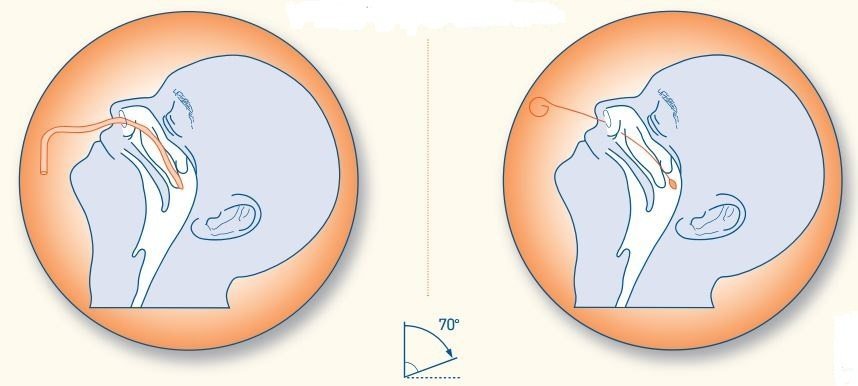
- Nasal aspirate or wash: Preferred for older adults. Saline is flushed into the nose and suctioned out, capturing more viral material. This matters because elderly patients often have lower viral loads.
- Nasal swab: Less invasive but may collect insufficient virus, increasing the risk of false negatives. Use only when aspirate is not feasible.
Test Within the First Few Days
Collect samples within the first three to four days of symptom onset. Viral load drops over time, reducing sensitivity. Delayed testing risks missing the infection entirely.
Consider At-Home Test Kits
FDA-authorized at-home kits are available that test for RSV, flu, and COVID-19 from a single nasal swab. Samples are processed by a lab using PCR. While convenient, results take longer, so patients should consult their provider before using one.
Compare Lab Testing Methods

Rapid Antigen Tests: Quick but Less Reliable
Rapid antigen tests detect viral proteins and return results in under an hour. However:
- Sensitivity is lower in older adults due to reduced viral shedding
- False negatives are more common
- Best used during peak RSV season with high clinical suspicion
A positive result confirms RSV, but a negative result does not rule it out.
RT-PCR: The Gold Standard for Adults
RT-PCR detects viral genetic material and is significantly more sensitive than antigen testing. It:
- Identifies very low viral levels
- Is recommended for older adults and immunocompromised patients
- Requires lab processing, with results in hours to days
- Greatly reduces false-negative rates
Choose PCR when accurate diagnosis is critical.
Multiplex Respiratory Pathogen Panels
These PCR panels test for multiple viruses at once, including:
- RSV
- Influenza A and B
- SARS-CoV-2 (COVID-19)
- Adenovirus
- Human metapneumovirus
Panels are especially useful when symptoms overlap with other respiratory illnesses.
Why Blood Tests Fall Short for Acute Diagnosis
Serology (antibody) tests are not useful for diagnosing current RSV infection. They:
- Detect past infection, not acute illness
- Require paired samples taken weeks apart
- Are used mainly for public health surveillance
Interpret Test Results Accurately
A Positive Result Confirms RSV
A positive test, especially via RT-PCR, confirms active infection. This guides:
- Isolation precautions
- Symptom management
- Monitoring for complications
- Public health reporting in institutional settings
A Negative Result Does Not Rule Out RSV
Negative tests can miss the infection, especially when:
- The sample was collected late in the illness
- A swab was used instead of an aspirate
- Viral load was low
- Testing fell outside peak shedding
Repeat testing or clinical follow-up may be needed if suspicion remains high.
False Negatives Are Common in the Elderly
Due to lower viral replication in older adults, false negatives occur more often than in children. Always correlate results with clinical presentation. Treat based on clinical judgment when symptoms strongly suggest RSV, even with a negative test.
Use Additional Diagnostic Tools When Needed
Chest X-Ray for Complications
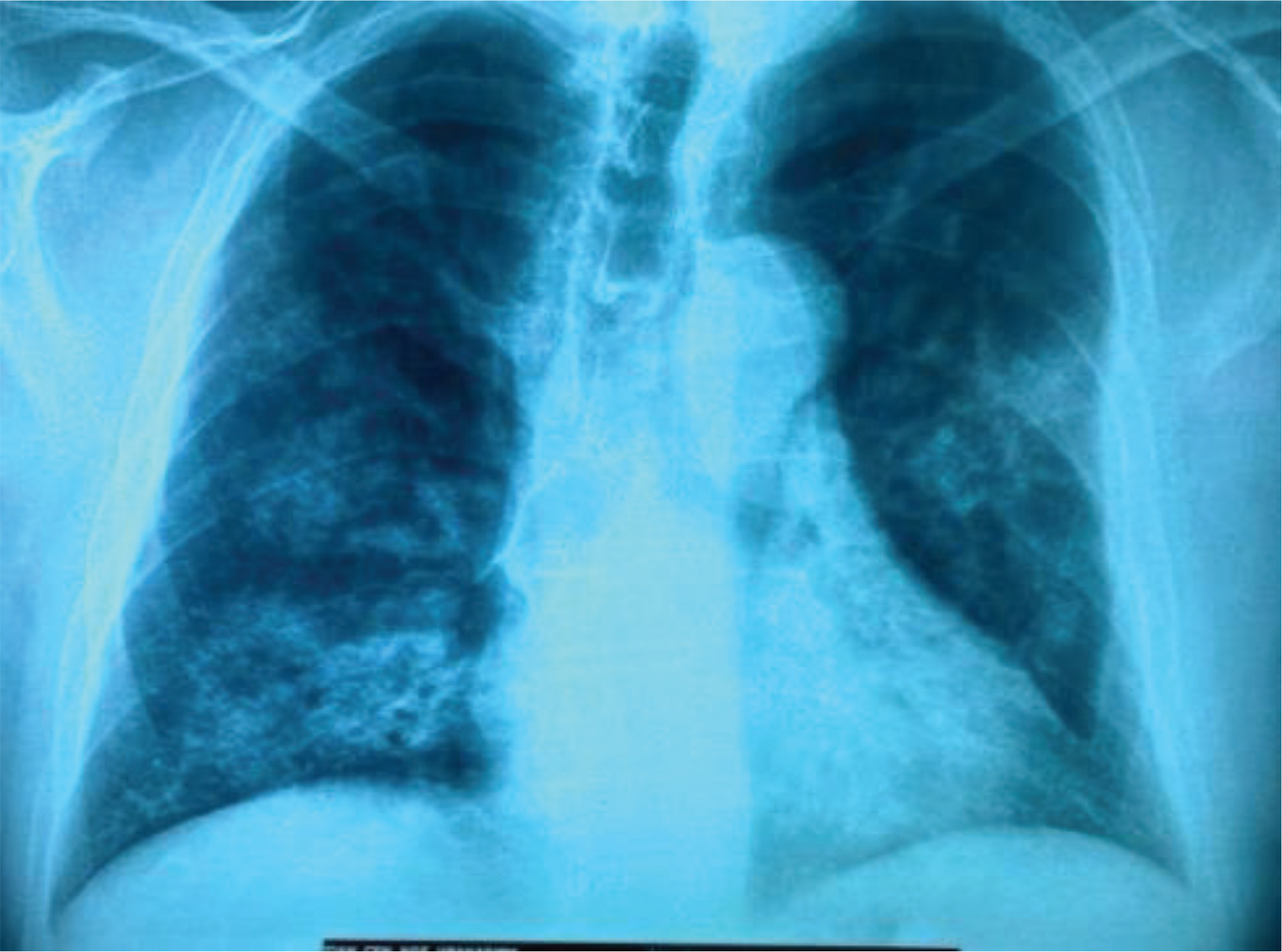
Imaging helps reveal complications such as:
- Pneumonia (seen as infiltrates or consolidation)
- Bronchitis
- Heart failure exacerbation
- Bacterial co-infection
Chest X-rays do not diagnose RSV itself but identify secondary issues that require treatment.
Rule Out Other Illnesses
RSV symptoms overlap with many conditions. Differential diagnosis should consider:
- Influenza: Sudden high fever and body aches
- COVID-19: Possible loss of taste or smell and prolonged fatigue
- Bacterial pneumonia: Higher fever, productive cough, localized chest pain
- COPD exacerbation: History of smoking and chronic airflow limitation
- Congestive heart failure: Leg swelling, orthopnea, elevated BNP levels
Multiplex testing and clinical context help distinguish between these.
Follow Age-Based Testing Guidelines
Adults 50 to 64 with Risk Factors
Testing is recommended for this group if they have:
- Chronic lung or heart disease
- Immunosuppression
- Other conditions raising the risk of severe illness
Even mild symptoms warrant evaluation during RSV season.
Routine Testing for Adults 65 and Older
All adults 65 and older with moderate to severe respiratory symptoms should be tested, regardless of comorbidities. Early diagnosis supports better outcomes and stronger infection control.
Prioritize Testing in Long-Term Care Facilities
In nursing homes and assisted living centers:
- Test any resident with new respiratory symptoms
- Implement cohorting and isolation for confirmed cases
- Screen close contacts to prevent outbreaks
- Notify public health authorities as required
Prompt action limits spread and protects vulnerable residents.
Make Confident Clinical Decisions
Balance Symptoms with Test Results
Diagnosis should not rely on testing alone. Combine:
- Clinical findings such as wheezing or low oxygen
- Timing of illness
- Local RSV activity
- Patient risk profile
Treat clinically consistent cases even when tests are negative.
Decide on Hospitalization vs. Home Care
Outpatient management is appropriate when:
- Symptoms are mild
- Vital signs are stable
- Reliable caregivers are present
- Follow-up is accessible
Hospitalization is warranted when patients have:
- Oxygen saturation below 90%
- Respiratory distress
- Inability to maintain hydration
- Worsening comorbidities
Support Public Health Surveillance
Confirmed RSV cases in institutional settings should be reported to local health departments. Surveillance data helps track outbreaks and guide prevention strategies.
Prevent Future RSV Infections
Recommend RSV Vaccination
Current CDC guidance recommends:
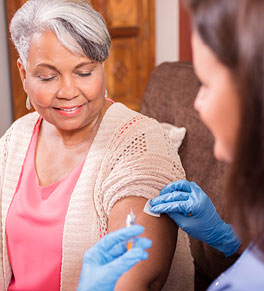
- All adults 75 and older receive a single dose of RSV vaccine
- Adults 50 to 74 with increased risk (such as lung or heart disease or frailty) also get vaccinated
Only one dose is recommended at this time. No booster is advised.
Promote Daily Preventive Habits
Encourage older adults to:
- Wash hands frequently with soap and water
- Avoid close contact with sick individuals
- Cover coughs and sneezes
- Disinfect commonly touched surfaces
- Avoid sharing drinks, utensils, or personal items
These habits reduce transmission risk year-round.
Limit Spread During Active Illness
RSV is contagious for three to eight days. Immunocompromised individuals may shed virus for up to four weeks. Advise isolation during symptoms and reinforce good hygiene to protect others.
Frequently Asked Questions About RSV Diagnosis in the Elderly
What Are the First Signs of RSV in Elderly Adults?
The earliest signs include a runny or stuffy nose, sore throat, dry cough, low-grade fever, and fatigue. Fever may be mild or absent, which can make early detection tricky in this age group.
When Should an Elderly Person Go to the ER for RSV?
Seek emergency care immediately if the person has difficulty breathing, bluish lips or fingertips, chest retractions, flaring nostrils, sudden confusion, or inability to eat or drink. These signs may indicate respiratory failure or severe pneumonia.
Which RSV Test Is Most Accurate for Older Adults?
RT-PCR is the most accurate test for older adults. It detects low levels of viral genetic material and greatly reduces the risk of false-negative results compared to rapid antigen tests.
Can RSV Be Diagnosed at Home?
Yes. FDA-authorized at-home kits can test for RSV, flu, and COVID-19 from a single nasal swab. The sample is mailed to a lab for PCR analysis. Consult a healthcare provider before using one to confirm it is the right choice.
How Long Is RSV Contagious in the Elderly?
RSV is typically contagious for three to eight days while symptoms are present. Immunocompromised individuals may continue to shed the virus for up to four weeks after symptoms resolve.
Why Are False-Negative RSV Tests More Common in the Elderly?
Older adults tend to have lower viral loads than children, which makes the virus harder to detect. Nasal swabs and rapid antigen tests are especially prone to missing infection in this group. Nasal aspirates and RT-PCR improve accuracy.
Key Takeaways for Diagnosing RSV in Elderly Patients
Diagnosing RSV in elderly adults requires clinical awareness paired with the right diagnostic tools. Start by identifying high-risk patients, recognizing symptoms early, and testing within the first few days using nasal aspirates and RT-PCR. Interpret negative results cautiously, since false negatives are common in older adults, and always weigh test findings against clinical presentation. Combine vaccination, prompt testing, and infection control measures to protect this vulnerable population from serious outcomes.