
Low oxygen levels in older adults can quietly drain energy, cloud thinking, and strain the heart. As lungs age, they lose elasticity, and chronic conditions like COPD, heart disease, or anemia often reduce how much oxygen reaches vital organs. Many caregivers notice warning signs like confusion, fatigue, or bluish lips without realizing the cause.
This guide explains practical, evidence-based ways to improve oxygen levels in elderly individuals at home. You’ll learn breathing exercises, safe movement routines, environmental fixes, and when to seek medical care. Always involve a healthcare provider before changing any treatment plan, especially if chronic illness is involved.
Optimize Breathing with Targeted Exercises
Breathing exercises train the lungs to work more efficiently, which directly raises blood oxygen saturation. They are safe, free, and can be done daily by most seniors, even those with limited mobility.
Practice Pursed-Lip Breathing Daily
Pursed-lip breathing slows your breath, keeps airways open longer, and helps release trapped air in the lungs. It is especially helpful for people with COPD or shortness of breath during activity.
Steps to follow:
1. Sit upright in a comfortable chair.
2. Breathe in slowly through your nose for two counts.
3. Purse your lips as if you are about to whistle.
4. Exhale gently through pursed lips for four counts.
5. Repeat the cycle for 5 to 10 minutes, two to three times daily.
Pro tip: Use this technique during exertion, such as climbing stairs or standing up, to prevent breathlessness.
Try Diaphragmatic (Belly) Breathing
This method strengthens the diaphragm, allowing deeper, fuller breaths that deliver more oxygen with less effort.
How to do it:
1. Lie flat or sit with one hand on your chest and one on your belly.
2. Inhale slowly through your nose, letting only the belly rise.
3. Exhale through pursed lips while the belly gently falls.
4. Practice for 5 to 10 minutes, twice per day.
Visual cue: If the hand on your chest rises more than the one on your belly, refocus on abdominal breathing.
Increase Physical Activity Safely

Movement improves circulation and teaches the body to use oxygen more efficiently. Even light, consistent activity can raise baseline SpO2 levels within weeks.
Start with Short, Frequent Walks
Walking is one of the simplest ways to strengthen the heart and lungs without overexertion.
Guidelines:
– Begin with 5 to 10 minutes of indoor walking, two to three times daily.
– Gradually increase to 30 minutes total per day.
– Use a pulse oximeter before and after to track improvements.
Environment tip: Open windows or walk outdoors in clean air to maximize oxygen intake.
Incorporate Chair-Based Exercises
For seniors with limited mobility, seated workouts maintain cardiovascular health and encourage deep breathing.
Effective routines:
– Arm raises: Lift both arms overhead while inhaling, then lower while exhaling.
– Torso twists: Gently rotate the upper body side to side with deep breaths.
– Ankle pumps: Flex and point the feet to improve circulation.
Time estimate: 15 minutes, twice daily.
Warning: Stop immediately if dizziness, chest pain, or SpO2 drops below 90 percent occur.
Enhance Indoor Air Quality

Indoor air often contains more pollutants than outdoor air, especially in tightly sealed homes. Seniors who spend most of their time indoors benefit greatly from cleaner air.
Open Windows for Natural Ventilation
Stale air accumulates carbon dioxide and reduces available oxygen. Fresh outdoor air directly increases blood oxygen levels.
Best practices:
– Open windows for 10 to 15 minutes, two to three times daily.
– Choose low-pollution times, such as early morning or late evening.
– Use cross-ventilation by opening two opposite windows.
Exception: Avoid opening windows during high pollen, wildfire smoke, or smog alerts.
Use HEPA Air Purifiers
High-Efficiency Particulate Air filters remove dust, mold, pet dander, and smoke, all of which can irritate the lungs.
Placement tips:
– Put one unit in the bedroom and another in the main living area.
– Run continuously on a low setting.
– Replace filters every 6 to 12 months.
Pro tip: Pair with a humidifier to maintain 40 to 50 percent humidity and prevent airway dryness.
Eliminate Indoor Pollutants
Common household products release chemicals that lower air quality and irritate the lungs.
Immediate actions:
– Ban indoor smoking.
– Switch to fragrance-free, non-toxic cleaners.
– Avoid burning candles or using aerosol sprays.
Fact: Secondhand smoke reduces the blood’s oxygen-carrying capacity by raising carboxyhemoglobin levels.
Address Sleep-Related Oxygen Drops

Nocturnal hypoxia, or low oxygen during sleep, is common in older adults, especially those with sleep apnea or heart failure. Untreated, it causes daytime fatigue, memory issues, and increased fall risk.
Evaluate for Sleep Apnea
Obstructive sleep apnea causes repeated breathing pauses during sleep, leading to oxygen desaturation and poor rest.
Signs to watch for:
– Loud, persistent snoring
– Gasping or choking sounds at night
– Morning headaches
– Excessive daytime sleepiness
Next step: Ask a healthcare provider about a sleep study (polysomnography).
Use CPAP if Prescribed
Continuous Positive Airway Pressure machines keep airways open during sleep, preventing oxygen drops and improving daytime alertness.
Tips for success:
– Clean the mask and tubing daily.
– Use distilled water in the humidifier to prevent dryness.
– Wear the device every night, even one missed night can affect oxygen levels.
Result: Most users see higher baseline SpO2 and better energy within weeks of consistent use.
Elevate the Head During Sleep
A slight incline can reduce airway collapse and improve oxygen flow.
Method:
– Use an extra pillow or adjustable bed to raise the head 30 to 45 degrees.
– Avoid sleeping completely flat.
Benefit: Reduces snoring and mild apnea episodes in many seniors.
Monitor with a Pulse Oximeter at Home
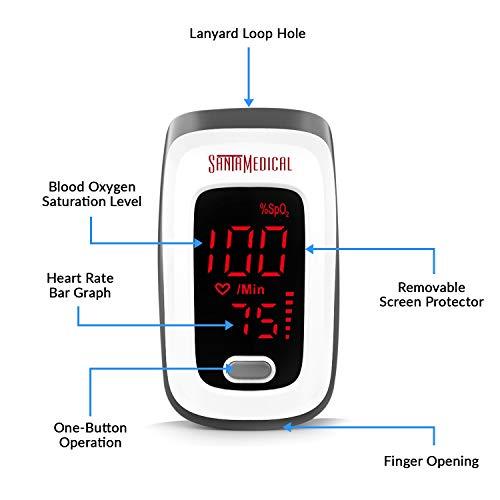
Regular tracking catches low oxygen early, before symptoms become severe.
Choose a Reliable Fingertip Oximeter
Select an FDA-cleared device that displays both SpO2 and pulse rate for a complete picture.
Best times to check:
– First thing in the morning (baseline)
– After physical activity
– Right before bedtime
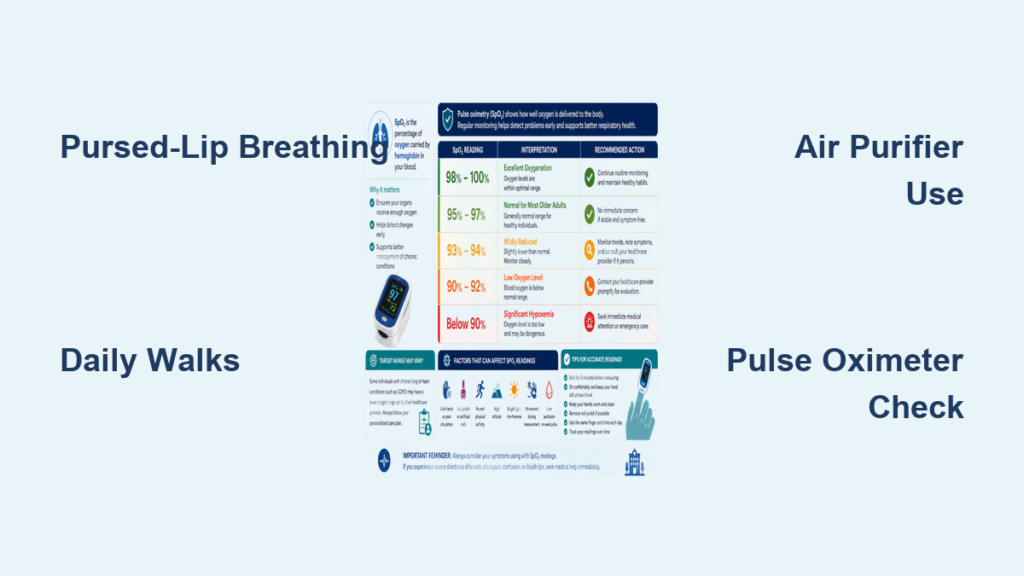
Normal range: 95 to 100 percent. For chronic lung disease, follow your doctor’s specific target, which is often at or above 88 percent.
Recognize Inaccurate Readings
Several common factors can cause false low or high readings.
Common causes of error:
– Cold hands
– Dark nail polish
– Poor circulation
– Tremors or movement during measurement
Fix: Warm the hands, remove polish, and sit still for 30 seconds before reading.
Track Trends, Not Just Numbers
A single low reading may not be alarming, but a downward trend signals a problem.
Action plan:
– Log daily readings in a notebook or app.
– Call your provider if SpO2 falls to 92 percent or lower at rest, drops 4 percent or more from baseline, or symptoms like confusion or rapid breathing appear.
Support Oxygenation with Nutrition and Hydration

The body needs proper fuel and fluid balance to transport and use oxygen efficiently.
Stay Well-Hydrated
Dehydration thickens mucus, making it harder to clear airways, and reduces blood volume, which limits oxygen delivery.
Daily goal: 6 to 8 glasses of water, unless a doctor has restricted fluids.
Tips:
– Offer small sips throughout the day.
– Include water-rich foods like melon, cucumber, and soup.
– Monitor urine color; pale yellow indicates good hydration.
Eat Iron-Rich Foods
Iron is essential for hemoglobin, the protein that carries oxygen in red blood cells.
Top sources:
– Lean red meat
– Spinach and lentils
– Fortified cereals
– Tofu and beans
Pair with vitamin C from orange juice or bell peppers to boost absorption.
Caution: Avoid iron supplements unless prescribed, since excess iron can be harmful.
Limit Heavy, Hard-to-Digest Meals
Large meals redirect blood to the digestive system, reducing oxygen available to the lungs and muscles.
Better approach:
– Eat 4 to 5 small meals daily.
– Avoid lying down for at least 2 hours after eating.
– Choose soft, easy-to-chew foods for frail seniors.
Know When to Seek Medical Help
Natural methods work well for mild drops, but medical intervention is critical when oxygen falls too low.
Recognize Emergency Symptoms
Seek immediate care if the elderly person shows any of these signs:
- Confusion or sudden disorientation
- Bluish lips or fingernails (cyanosis)
- Rapid breathing or heart rate
- Severe shortness of breath at rest
- SpO2 at or below 88 percent on room air
Action: Call emergency services right away. Do not wait.
Discuss Supplemental Oxygen Therapy
If chronic hypoxemia is diagnosed, a doctor may prescribe portable oxygen to maintain safe levels at home.
Common types:
– Oxygen concentrators: Pull oxygen from room air for home use.
– Portable tanks: Allow mobility outside the home.
Important: Never use oxygen without a prescription, as too much can also be dangerous.
Review Medications with a Doctor
Some drugs, including sedatives and opioids, can suppress breathing and lower oxygen levels.
Ask your provider:
– Are any current medications affecting respiration?
– Can dosages be adjusted safely?
– Are there safer alternatives available?
Prevent Future Oxygen Drops with Routine Care
Ongoing prevention keeps oxygen levels stable and reduces hospital visits.
Schedule Regular Check-Ups
Lung and heart function should be monitored annually, or more often if chronic conditions exist.
Tests to request:
– Pulmonary function test (PFT)
– Chest X-ray (if indicated)
– Echocardiogram (for heart-related oxygen issues)
Stay Up-to-Date on Vaccinations
Respiratory infections like flu, pneumonia, and COVID-19 can rapidly lower oxygen in seniors.
Essential vaccines:
– Flu shot: Yearly
– Pneumococcal vaccine: As recommended, usually two doses
– COVID-19 boosters: Per current health guidelines
Pro tip: Encourage caregivers and family members to vaccinate as well, since this indirectly protects the senior.
Avoid High Altitudes and Extreme Temperatures
High elevations have less oxygen in the air, and cold air can trigger bronchospasm in sensitive individuals.
Travel advice:
– Avoid destinations above 5,000 feet unless cleared by a doctor.
– Wear a scarf over the mouth in cold weather to warm the air before breathing it in.
Frequently Asked Questions About Improving Oxygen Levels in Elderly
What is a normal oxygen level for an elderly person?
For most adults, a normal pulse oximeter reading is between 95 and 100 percent. However, people with chronic lung conditions like COPD may have acceptable levels as low as 88 to 92 percent, as determined by their healthcare provider.
When should I call a doctor about low oxygen in an elderly person?
Call your healthcare provider if the home pulse oximeter reading is 92 percent or lower. If it drops to 88 percent or below, go to the nearest emergency room immediately, especially if symptoms like confusion, bluish lips, or rapid breathing are present.
Can breathing exercises really raise oxygen levels in seniors?
Yes. Pursed-lip breathing and diaphragmatic breathing open airways, strengthen breathing muscles, and improve the exchange of oxygen and carbon dioxide. When practiced consistently, these techniques can raise baseline SpO2 levels over time.
Does drinking water help increase blood oxygen?
Indirectly, yes. Good hydration keeps mucus thin and easy to clear, supports healthy blood volume, and helps the cardiovascular system deliver oxygen efficiently. Dehydration does the opposite, making it harder for the body to oxygenate tissues.
How can I improve oxygen levels at night for an elderly person?
Start by evaluating for sleep apnea and using a CPAP machine if prescribed. Elevating the head of the bed 30 to 45 degrees, using a HEPA air purifier in the bedroom, and maintaining consistent sleep routines can also improve nighttime oxygen levels.
Is supplemental oxygen safe for older adults at home?
Yes, but only when prescribed and monitored by a healthcare provider. Using oxygen without a prescription or at the wrong flow rate can be harmful. A doctor will determine the correct dosage and duration based on the underlying condition.
Key Takeaways for Improving Oxygen Levels in Elderly
Improving oxygen levels in older adults works best with a layered approach. Start with simple, high-impact habits like pursed-lip breathing, short daily walks, and opening windows for fresh air. Support these habits with proper hydration, iron-rich meals, and a clean indoor environment. Use a home pulse oximeter to track trends and catch problems early.
Most importantly, involve a healthcare provider in every decision, especially if the person has COPD, heart disease, or sleep apnea. Small, consistent actions each day often make the biggest difference in energy, clarity, and long-term health.





