
High blood pressure doesn’t have to be a life sentence, especially after 60. Yet too many older adults accept elevated numbers as “normal aging,” unaware that real, measurable reductions are possible without medication. The truth is that consistently high blood pressure damages arteries, fuels heart disease, and contributes to half of all heart attacks and strokes. The good news is that you can lower blood pressure naturally, starting today.
This guide reveals the most effective strategies for seniors, including diet tweaks, simple exercises, breathing techniques, and smart supplements, all designed to reduce systolic pressure by meaningful margins. No gym required. No drastic changes. Just consistent, doable actions that work with aging, not against it.
Fix the Potassium-Sodium Balance
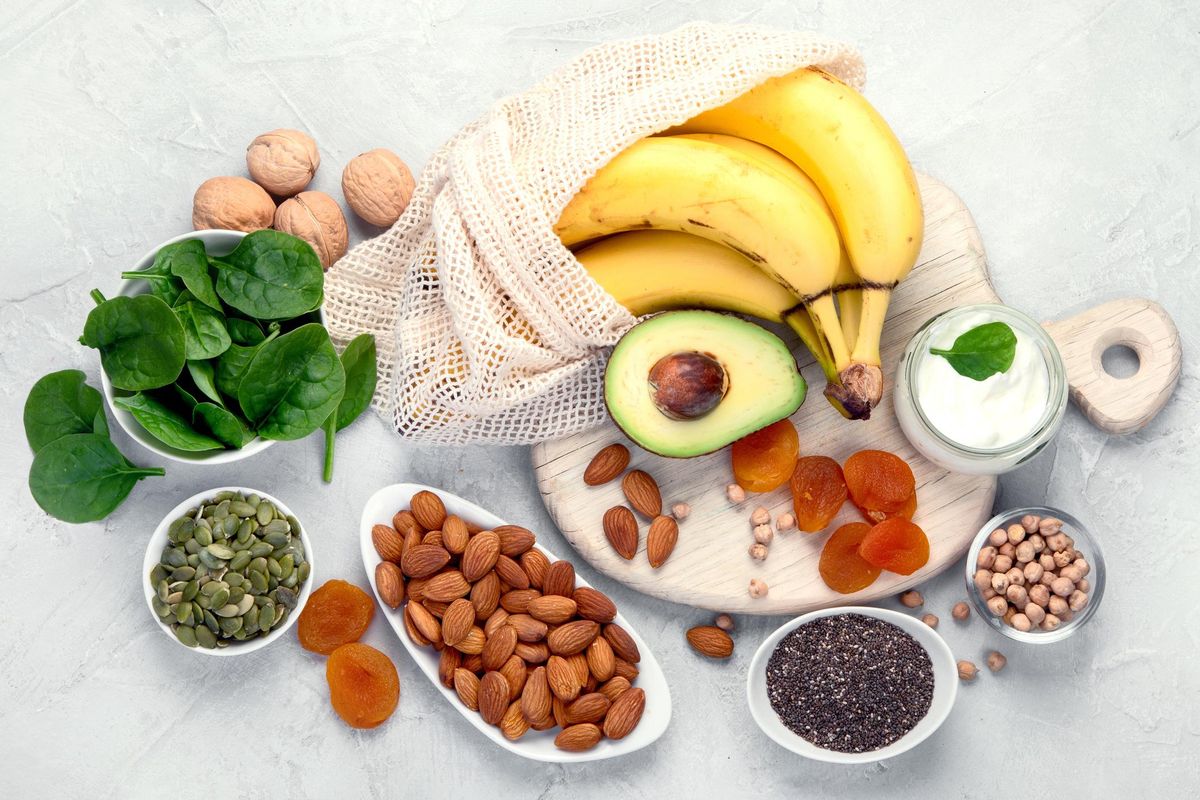
The real driver of high blood pressure isn’t just salt; it’s the ratio of sodium to potassium in your diet. As you age, potassium levels often drop while sodium intake stays high, causing arteries to stiffen and pressure to rise. Potassium acts like a natural relaxant for blood vessels, helping your kidneys flush excess sodium and improving arterial flexibility. Boosting potassium alone can lower systolic pressure by 5 to 8 points without medication.
Eat More Potassium-Rich Foods
Focus on whole, unprocessed foods packed with potassium. These are safe, effective, and easy to add to daily meals:
- Avocados – Add slices to toast or salads
- Sweet potatoes – Bake or roast with olive oil
- Spinach – Sauté with garlic or blend into smoothies
- Bananas – Keep as a quick snack
- Lentils and beans – Use in soups, stews, or salads
- Salmon – Grill or bake 2–3 times per week
- Plain yogurt – Choose unsweetened versions
Start with one extra serving per day. For example, swap a snack for a banana or add spinach to your morning eggs.
Avoid Potassium Supplements Without Medical Advice
While food sources are safe, potassium supplements can be dangerous, especially if you have kidney issues. The kidneys regulate potassium, and impaired function can lead to dangerous buildup. Always consult your doctor before considering supplements. Even low-dose forms require monitoring. Your safest bet is to get potassium from food first.
Do Isometric Exercises 4 Days a Week
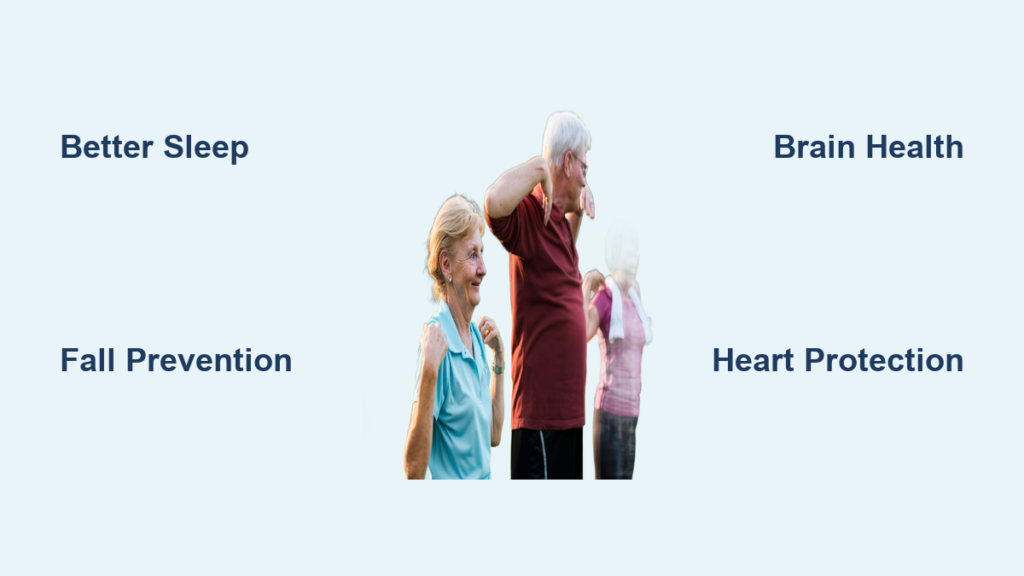
For seniors, isometric exercises, where muscles contract without movement, are more effective than cardio at lowering blood pressure. Unlike running or cycling, isometrics improve arterial flexibility and reduce vascular resistance with minimal joint strain. Studies show they can lower systolic pressure by 7 to 10 points, comparable to some medications.
These exercises require no equipment, can be done seated or lying down, and fit into daily routines like during TV commercials or while reading.
Try These 3 Proven Isometric Moves
Wall Sits
- Stand with back against a wall
- Slide down into a seated position with knees at 90 degrees
- Hold for 30–45 seconds
- Rest 1 minute, then repeat 3 times
Look for: Thigh burn, which means the muscles are working properly.
Planks
- Lie face down, then prop up on forearms and toes
- Keep your body in a straight line; don’t let hips sag
- Hold for 30 seconds
- Rest, then repeat 2–3 times
Tip: Start on your knees if a full plank feels too challenging.
Hand Grips
- Use a grip strengthener or rolled-up towel
- Squeeze one hand for 30–45 seconds
- Rest 30–60 seconds, then repeat 5 times per hand
- Complete the sequence on both hands
Best time: While watching TV or talking on the phone.
Stick to 4 Days Weekly
Consistency beats intensity. Aim for 4 sessions per week, for example, Monday, Tuesday, Thursday, and Friday. Even 10 minutes total is enough. Skip sessions if you have uncontrolled hypertension or recent heart issues. Check with your doctor first.
Breathe to Lower Blood Pressure Daily
Your nervous system controls blood pressure more than your heart does. Chronic stress keeps the body in fight-or-flight mode, raising pressure even if diet and exercise are on point. The fix is controlled breathing. Just 5 minutes a day can activate the baroreflex, the body’s natural blood pressure regulator, and drop systolic numbers by 5 to 10 points.
Use Resonance Breathing (5-5 Method)
This technique, also called coherent breathing, is the most effective for daily blood pressure control.
How to do it:
- Inhale through your nose for 5 seconds
- Exhale slowly through your mouth for 5 seconds
- Repeat for 5 minutes (6 breaths per minute)
When to do it:
- First thing in the morning
- Before bed
- Before taking your blood pressure reading
- During stressful moments
Pro tip: Set a phone timer or use a free app like “Breathe” (iOS) or “Paced Breathing” (Android).
Try 4-7-8 Breathing for Sleep and Calm
If anxiety or poor sleep affects your pressure, this method acts as a nervous system reset.
Steps:
- Inhale through your nose for 4 seconds
- Hold your breath for 7 seconds
- Exhale through your mouth for 8 seconds
- Repeat 4 times
Best for: Calming racing thoughts, falling asleep faster, and reducing nighttime pressure spikes.
Measure Blood Pressure the Right Way
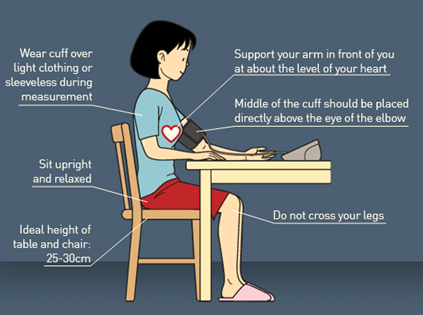
Most home readings are inaccurate because of poor technique. Bad data leads to bad decisions. To track real progress, measure correctly every time.
Follow These 5 Steps
- Use an upper-arm monitor. Wrist monitors are less accurate. Choose an FDA-cleared device.
- Sit quietly for 5 minutes first. No talking, no phone, no TV.
- Keep your arm at heart level. Rest it on a table or pillow; don’t let it hang.
- Take readings at the same time daily. Best times are morning (after the bathroom, before meds) and evening.
- Take two readings, 1 minute apart. Record the average.
Track for 2–4 Weeks
Don’t react to one high number. Instead, track daily for 2–4 weeks to see trends. Use a notebook or app like “Hello Heart” or “My BP Lab.” Share the log with your doctor to guide treatment decisions.
Frequently Asked Questions About Lowering Blood Pressure for Seniors
What is the fastest natural way to lower blood pressure for seniors?
Controlled breathing techniques like resonance breathing (5 seconds in, 5 seconds out) can produce a 5–10 point systolic drop during or shortly after a 5-minute session. However, lasting results require consistent lifestyle changes including diet, exercise, and stress management.
How quickly can seniors see results from lifestyle changes?
Many people notice changes within 2–4 weeks of consistent effort. Isometric exercises and dietary potassium changes typically show measurable effects within the first month. Tracking blood pressure daily provides the clearest picture of progress.
Are isometric exercises safe for seniors with joint problems?
Yes. Isometric exercises involve holding muscle tension without movement, making them low-impact and joint-friendly. However, seniors with uncontrolled hypertension, recent heart issues, or severe joint conditions should consult a doctor before starting.
Can seniors lower blood pressure without medication?
Many seniors see meaningful reductions through diet, exercise, breathing techniques, and targeted supplements. However, lifestyle changes should complement, not replace, medical care. Always work with your doctor before adjusting medications.
Is potassium safe for seniors with kidney disease?
No. Seniors with kidney issues should never take potassium supplements without medical supervision, as impaired kidneys cannot regulate potassium effectively. Food-based potassium from whole foods is generally safer, but consultation with a doctor is essential.
Which supplement is most effective for seniors with high blood pressure?
Magnesium glycinate is often recommended because deficiency is common after 60, and it can lower systolic pressure by approximately 5 points while also improving sleep. However, supplements work best alongside diet and exercise changes, not as standalone solutions.
Key Takeaways for Lowering Blood Pressure After 60
Lowering blood pressure naturally is achievable through four core strategies: fixing the potassium-sodium ratio with whole foods, performing isometric exercises 4 days weekly, practicing daily breathing techniques, and measuring blood pressure accurately to track real progress.
Each strategy delivers real benefits on its own, but combining them creates powerful synergy. Start with one change, such as adding spinach to meals or doing hand grips during TV time. Master it. Then add another. Consistency beats intensity every time.
Lowering blood pressure after 60 isn’t about accepting a number. It’s about reclaiming control, one breath, one bite, one squeeze at a time. Begin today with one small change, and schedule a check-in with your doctor to ensure your approach is safe and effective for your specific health situation.