
You climb the stairs and feel winded. You open a jar and your hands struggle. You brush off these moments as “just getting older,” but they may signal something more serious: elderly frailty syndrome. This clinical condition affects roughly 1 in 10 adults over 65 and climbs to 1 in 4 by age 85, according to the Cleveland Clinic. Unlike normal aging, frailty is a diagnosable syndrome marked by declining reserves across multiple body systems, leaving you vulnerable to falls, hospitalization, and loss of independence.
The encouraging truth? Frailty is not inevitable, and it can sometimes be reversed. In this guide, you will learn how to distinguish frailty from ordinary aging, recognize the early warning signs, understand the root causes, and take practical steps to rebuild strength and resilience at any age.
Frailty vs Normal Aging: Why the Difference Matters
Many older adults assume frailty is simply part of growing older. It is not. While aging brings gradual changes, frailty is a distinct medical syndrome characterized by a sharp drop in the body’s ability to handle stress, whether from infection, surgery, or a minor fall. Think of it as your body losing its “reserve power” to bounce back.
The biggest difference? Reversibility. Normal aging progresses slowly and steadily. Frailty, however, can sometimes be turned around with the right interventions. A person aging normally may walk a bit slower but still manage daily tasks. A frail person may struggle to rise from a chair, feel exhausted after minimal effort, or lose weight without trying.
Understanding this distinction prevents resignation. Instead of thinking “I am just getting old,” you can ask a more empowering question: “What is draining my energy, and how can I fix it?”
Frailty Is Not a Guaranteed Part of Aging
Frailty does not affect everyone as they grow older. In fact, the majority of adults over 65 are not frail. This shows that while age increases risk, lifestyle and health management play a decisive role. People who stay active, eat well, manage chronic conditions, and remain socially engaged are far less likely to develop the condition.
The takeaway is simple: aging is unavoidable, but frailty is not.
The Health Bank Account Model: How Frailty Develops
To understand how frailty takes hold, picture your body as a health savings account. Every day, your body makes withdrawals for basic functions like breathing, digesting, and moving. It makes deposits through healthy habits like exercise, nutrition, and sleep.
Make Regular Health Deposits
Deposits are actions that build and maintain your body’s reserves:
– Physical activity strengthens muscles and the heart
– Balanced nutrition fuels cells and repairs tissue
– Quality sleep allows recovery and hormone balance
– Chronic disease control reduces ongoing strain
– Social connection boosts mental resilience and motivation
These are not just good habits. They are essential investments in your long-term health capital.
Avoid Accelerated Health Withdrawals
Some factors drain your health account faster than others:
– Chronic diseases such as diabetes, heart disease, and osteoporosis
– Medications with sedating or fatiguing side effects
– Diets lacking protein, vitamins, and minerals
– Inactivity that leads to muscle loss
– Loneliness or depression
When withdrawals exceed deposits, your balance drops. Once you are overdrawn, even small stressors like a cold or a minor fall can trigger serious decline.
Recognize the Overdrawn State
An overdrawn health account shows up as constant fatigue, unintentional weight loss, slower walking speed, and inability to perform daily tasks. This is frailty: your body lacks the reserve to maintain baseline function. The good news is that you can start making deposits at any time, even late in life.
Who Is Most at Risk for Elderly Frailty Syndrome
Frailty does not appear overnight. It builds from a mix of biological, behavioral, and social factors. Knowing the risks helps you take preventive action before decline sets in.
Chronic Diseases That Drive Decline
Multiple long-term health conditions significantly raise the odds of developing frailty. Key culprits include:
– Osteoporosis and osteopenia, which weaken bones and limit mobility
– Diabetes, which damages nerves and blood vessels when poorly controlled
– Heart disease, which reduces stamina and endurance
– Arthritis, where pain discourages movement and accelerates muscle loss
Each condition acts like a recurring withdrawal from your health account. Managing them effectively frees up energy for recovery and resilience.
Medications That Drain Your Reserves
Some drugs, especially when used long-term or in combination, contribute to frailty:
– Sedatives and benzodiazepines, which can cause dizziness and falls
– Anticholinergics found in some allergy and bladder medications, linked to cognitive decline
– Multiple prescriptions (polypharmacy), which increase side effect risks
If you take several medications, ask your doctor whether any of them could be affecting your energy or balance.
Poor Nutrition and Its Role in Frailty
A limited or unbalanced diet fails to replenish what your body loses daily. Key issues include:
– Low protein intake, which leads to muscle wasting
– Vitamin D and calcium deficiency, which weaken bones and muscles
– Dehydration, which causes fatigue and confusion
Even mild malnutrition can tip the balance toward frailty, especially when combined with other risks.
Inactivity and Muscle Loss
The body adapts to demand. Without regular movement, muscles shrink, joints stiffen, and stamina drops. Sedentary behavior is one of the fastest ways to deplete your health reserves. You do not need intense workouts; consistent activity like walking, stretching, or light resistance training is enough.
Social Isolation Weakens Resilience
Loneliness affects the body, not just the mind. Socially isolated older adults often experience higher inflammation, poorer sleep, lower motivation to eat or move, and reduced adherence to medical care. Strong social ties improve mental health, encourage healthy behaviors, and provide practical support during illness.
The Five Clinical Warning Signs of Frailty

Frailty has clear clinical markers. Most diagnostic tools use a set of five key criteria. Meeting three or more typically confirms the syndrome.
Unintentional Weight Loss
Losing 10 pounds or more in a year without trying is a red flag. It often signals poor nutrition, underlying illness, or reduced appetite. Muscle loss, not fat loss, is the primary concern, as it directly impacts strength and mobility.
Self-Reported Exhaustion
Frequently feeling worn out, even after rest, is a core symptom. Doctors often ask how often you feel your energy does not last. Weekly or more frequent exhaustion suggests your body is struggling to meet basic demands.
Weakness Measured by Grip Strength
Grip strength is a reliable indicator of overall muscle function. A handgrip dynamometer measures force in kilograms, and low grip strength correlates strongly with frailty, falls, and mortality, often more than blood pressure or cholesterol readings.
Slow Walking Speed
Walking speed over a short distance, such as 4 meters, is a powerful predictor of health. Speeds slower than 0.8 meters per second are often considered abnormal and linked to higher frailty risk. Slow gait reflects declining muscle power, balance, and coordination.
Low Physical Activity Levels
If you move less than 150 minutes of moderate activity per week, you are at higher risk. Activity does not have to be gym-based. Gardening, walking the dog, and household chores all count toward your weekly total.
How Doctors Diagnose Elderly Frailty Syndrome
There is no single blood test for frailty. Instead, doctors use clinical assessments that combine physical exams and standardized tools.
Common Screening Tools
Over a dozen scales exist, but two are most widely used:
– The Fried Frailty Phenotype, which is based on the five criteria above
– The Clinical Frailty Scale (CFS), a 9-point scale ranging from “very fit” to “terminally ill”
These tools help standardize diagnosis and track progress over time.
What a Comprehensive Assessment Includes
A thorough evaluation goes beyond physical metrics:
– Cognitive screening to rule out dementia-related decline
– Fall risk assessment that evaluates balance, gait, and home safety
– BMI and body composition checks for sarcopenia (muscle loss)
– Social support review to determine available help during illness
This holistic approach ensures treatment plans address every aspect of vulnerability.
Why Early Detection Is Critical
Catching frailty early, when you meet one or two criteria, is essential. At this “pre-frail” stage, interventions are most effective. Waiting until three or more signs appear makes reversal harder. Early action can prevent disability and hospitalization.
Complications of Untreated Frailty
When frailty goes unmanaged, the consequences compound quickly. Frail individuals have lowered immunity, making them more vulnerable to new illnesses. Their bodies also struggle to recover from existing conditions, leading to longer hospital stays and slower healing.
Over time, frailty progresses to disability, robbing people of the ability to perform activities of daily living. This loss of independence is one of the most emotionally difficult outcomes. Advanced frailty is also associated with shortened life expectancy, making early intervention all the more urgent.
How to Reverse or Slow Elderly Frailty Syndrome
The most empowering fact about frailty is that it can be reversed, especially with early, consistent effort.
Manage Underlying Health Conditions
Treating chronic diseases reduces the constant drain on your body. Examples include:
– Tight blood sugar control in diabetes
– Optimizing heart failure medications
– Treating depression or sleep apnea
Every well-managed condition frees up energy for recovery and function.
Start Safe Strength Training
Exercise is the closest thing to a cure for frailty. Resistance training twice a week builds muscle, improves balance, and boosts energy. Start simple with exercises like:
– Chair stands (sit-to-stand repetitions)
– Wall push-ups
– Resistance band movements
Even light weights or bodyweight exercises help. The goal is progressive overload, gradually increasing effort over time.
Optimize Nutrition for Muscle Health
Diet must support muscle repair and immune function. Key strategies include:
– Protein at every meal, aiming for 1.0 to 1.2 grams per kilogram of body weight daily
– Vitamin D and calcium to protect bones and support muscle
– Hydration, with at least 6 to 8 glasses of water daily
Consider consulting a dietitian for a personalized plan, especially if your appetite is low.
Prioritize Restorative Sleep
Poor sleep increases inflammation and impairs recovery. Aim for 7 to 8 hours per night. Helpful habits include:
– Keeping a consistent sleep schedule
– Limiting screen time before bed
– Avoiding caffeine after noon
– Treating sleep apnea if diagnosed
Good sleep is when your body repairs tissue and resets hormones.
Stay Socially Connected
Social engagement improves mood, motivation, and adherence to healthy habits. Ways to connect include:
– Joining a senior center or class
– Volunteering in your community
– Scheduling regular calls with family
– Walking with a friend
Support networks also provide help during setbacks, reducing crisis risk.
Proactive Steps to Prevent Frailty Before It Starts
Even if you are not frail now, prevention matters, especially after age 65.
Stay Active Every Day
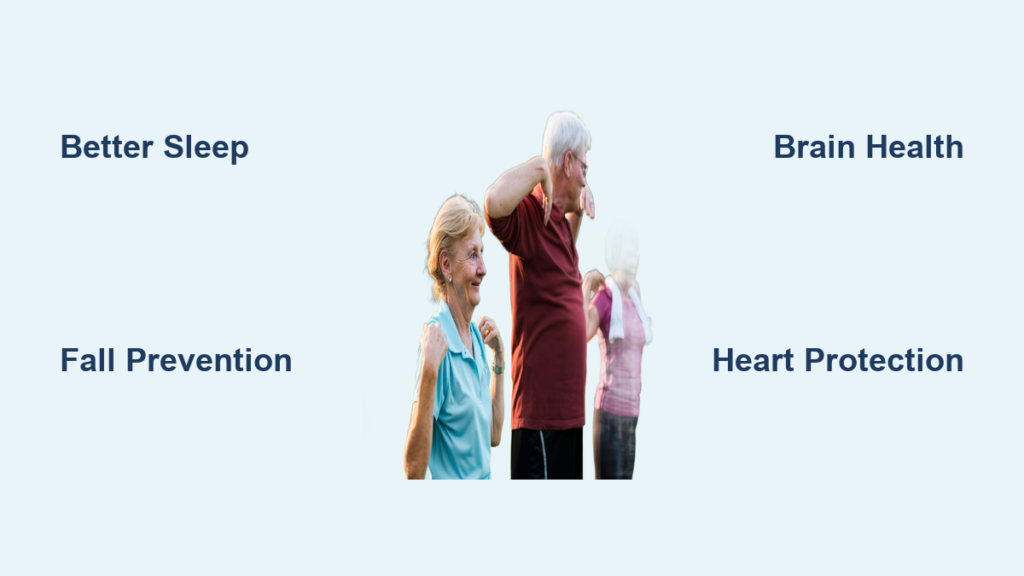
Movement is medicine. Aim for:
– 150 minutes weekly of moderate aerobic activity like brisk walking
– Two days of strength training
– Balance exercises such as tai chi or heel-to-toe walking
Consistency matters more than intensity. Every step counts.
Eat a Resilience-Boosting Diet
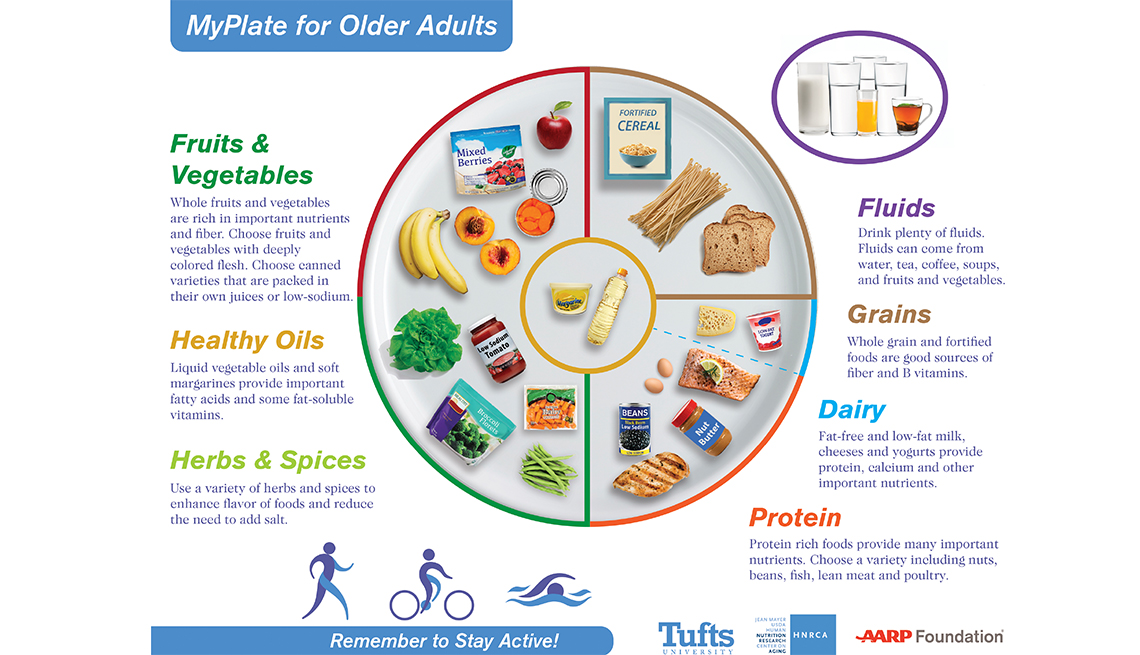
Focus on whole, nutrient-dense foods:
– Lean proteins such as chicken, fish, beans, and eggs
– Colorful vegetables and fruits
– Whole grains and healthy fats like nuts and olive oil
Avoid ultra-processed foods high in sugar and sodium.
Monitor Key Health Metrics
Track important indicators regularly:
– Weight (monthly)
– Walking speed (noticeable slowing?)
– Energy levels (daily)
– Grip strength (if possible)
Early changes signal when to act.
Build a Reliable Support System
Have someone to call if you feel weak or unsteady. Care partners can:
– Encourage healthy habits
– Notice changes you might miss
– Help during illness
You do not have to manage elderly frailty syndrome alone.
When to See a Doctor About Frailty Concerns
If you or a loved one shows signs of frailty, do not wait. Schedule a medical evaluation if you notice:
– Unintentional weight loss of 10 pounds or more in a year
– Frequent exhaustion that rest does not resolve
– Difficulty rising from a chair or climbing stairs
– Noticeably slower walking speed
– Reduced interest in activities you once enjoyed
Early evaluation opens the door to interventions that can reverse decline and protect independence.
Frequently Asked Questions About Elderly Frailty Syndrome
What is the main cause of elderly frailty syndrome?
Elderly frailty syndrome develops when the body’s physiological reserves decline faster than they can be replenished. Chronic diseases, poor nutrition, inactivity, certain medications, and social isolation all accelerate this decline. It is not caused by aging alone.
Can elderly frailty syndrome be reversed?
Yes, in many cases, especially when caught early. Consistent strength training, proper nutrition, sleep improvement, chronic disease management, and social engagement can reverse frailty or significantly slow its progression.
How do doctors test for frailty?
Doctors use validated screening tools such as the Fried Frailty Phenotype or the Clinical Frailty Scale. These assess weight loss, exhaustion, grip strength, walking speed, and physical activity levels. No single blood test exists for frailty.
How much protein do older adults need to prevent frailty?
Older adults generally need 1.0 to 1.2 grams of protein per kilogram of body weight daily to support muscle maintenance. For a 150-pound person, that translates to roughly 68 to 82 grams of protein spread across meals.
Is frailty the same as disability?
No. Frailty and disability are related but distinct. A person can be frail without being disabled, and vice versa. Frailty describes reduced physiological reserve, while disability refers to difficulty performing specific daily tasks.
What is the fastest way to rebuild strength after frailty?
Resistance training is the most effective intervention. Starting with simple bodyweight exercises like chair stands and wall push-ups, then progressing to resistance bands or light weights, builds muscle and improves function relatively quickly when done consistently.
Key Takeaways for Managing Elderly Frailty Syndrome
Elderly frailty syndrome is a serious but manageable condition. It is not defined by age alone but by how much reserve your body has left. By making consistent deposits through activity, nutrition, sleep, and connection, you can protect independence, improve quality of life, and even reverse decline.
Start today. Take a short walk, add protein to your next meal, or call a friend. Small, consistent steps build the resilience needed to keep frailty at bay.