
Constipation in older adults affects far more than daily comfort. It impacts mobility, independence, and overall quality of life. Many seniors accept it as a normal part of aging, but chronic constipation is treatable and should never be ignored. Left unmanaged, it can lead to serious complications like fecal impaction, hemorrhoids, or even bowel obstruction.
This guide walks you through proven constipation cures for elderly adults, starting with simple lifestyle changes and progressing to medical options when needed. You will learn how diet, hydration, movement, and proper bathroom habits work together to restore regularity. Most importantly, you will discover when professional medical evaluation becomes essential for lasting relief.
Recognize the Warning Signs of Constipation in Seniors
Before exploring treatments, you need to identify constipation correctly. Many seniors believe they are fine as long as they have one bowel movement per week. That assumption is wrong and dangerous.
Common Symptoms You Should Never Ignore
You may be constipated if you regularly experience any of the following:
– Fewer than three bowel movements per week
– Hard, dry, or lumpy stools
– Straining during elimination
– A feeling of incomplete evacuation
– Bloating, abdominal discomfort, or persistent fullness
Even one persistent sign, especially chronic straining or hard stools, deserves attention. Early action prevents complications and restores comfort faster.
Red Flags That Require Immediate Medical Attention
In older adults, constipation can signal deeper health problems. Do not self-treat if you notice any of these warning signs:
– Sudden changes in bowel habits
– Blood in stool
– Unexplained weight loss
– Severe abdominal pain
These symptoms could indicate bowel obstruction, diabetes, neurological disorders, or colon cancer. Always consult a doctor before starting any constipation treatment.
Fix Your Diet With Fiber and Fluids

Diet is the most powerful tool for preventing and reversing constipation in seniors. Two factors matter most: fiber and fluids. Get both right, and your digestive system responds quickly.
Add Insoluble Fiber Gradually
Insoluble fiber adds bulk to stool and stimulates intestinal contractions, helping waste move through the colon efficiently.
The best fiber-rich foods for elderly adults include:
– Whole grains like oatmeal, brown rice, and whole-wheat bread
– Vegetables such as broccoli, carrots, spinach, and green beans
– Fruits with skin, including apples, pears, and berries
– Legumes like lentils, black beans, and chickpeas
Pro Tip: Add fiber slowly to your diet. A sudden increase causes gas, bloating, and cramping, especially in older digestive systems. Start with an extra serving of vegetables at dinner, then add fruit at breakfast. Aim for 25 to 30 grams of fiber daily, building up over 2 to 3 weeks.
Hydrate Even When You Don’t Feel Thirsty
Here is a critical fact: fiber without fluids makes constipation worse. Dry fiber absorbs water in the gut and swells, but without enough water, it creates a blockage.
The challenge is that older adults often lose their sense of thirst. By the time you feel thirsty, you may already be dehydrated.
Effective hydration strategies include:
– Drinking a glass of water with every meal and medication
– Keeping a water bottle nearby and sipping throughout the day
– Eating hydrating foods like cucumbers, watermelon, soups, and herbal teas
– Monitoring urine color, since pale yellow indicates proper hydration
Warning: If you have heart failure or kidney disease, talk to your doctor before increasing fluid intake. Too much water can be dangerous in these conditions.
Move Your Body to Stimulate Digestion

Physical activity is a natural stimulant for your digestive tract. Even light movement encourages peristalsis, the wave-like muscle contractions that push stool forward.
Safe Daily Movement for Seniors
You do not need intense exercise to see results. Just 30 minutes of light activity most days makes a meaningful difference.
Safe options include:
– Walking around the house or around the block
– Chair exercises like leg lifts and seated marches
– Gentle stretching or tai chi
– Standing during phone calls or commercial breaks
Tip: Try to be active after meals. This boosts digestion and supports the gastrocolic reflex, the natural signal that eating triggers a bowel movement.
Use the Gastrocolic Reflex to Your Advantage
This reflex is strongest in the morning, especially after breakfast. That timing matters for building a reliable routine.
Follow this simple sequence:
1. Eat a fiber-rich breakfast such as oatmeal with fruit
2. Drink a warm beverage like tea, coffee, or warm water
3. Sit on the toilet 15 to 30 minutes later, even if you feel no urge
Over time, this trains your body to have regular, predictable bowel movements.
Optimize Your Toilet Position

Many seniors strain not because of hard stool, but because of poor defecation mechanics. The way you sit on the toilet can make elimination easier or significantly harder.
Use a Footstool to Mimic Squatting
Sitting on a standard toilet creates a sharp angle between the rectum and anus, making it harder for stool to pass.
The fix is simple. Mimic a squatting position by:
– Placing a footstool under your feet
– Leaning forward slightly with elbows resting on knees
– Keeping your knees higher than your hips
This straightens the anorectal angle and can reduce straining by up to 70 percent.
Product Tip: Look for a “squatty potty” or any stable footrest 6 to 8 inches high.
Avoid Rushing or Forcing Bowel Movements
Spending too long on the toilet increases pressure and raises your risk of hemorrhoids.
Healthy bathroom habits include:
– Limiting bathroom time to 5 to 10 minutes
– Avoiding pushing or holding your breath
– Getting up and trying again later if nothing happens
Forcing a bowel movement weakens pelvic floor muscles over time and increases discomfort.
Review Your Medications With a Doctor
One of the most overlooked causes of constipation in seniors is medication side effects. Many commonly prescribed drugs slow gut motility significantly.
Common Medications That Cause Constipation
These drugs are frequent culprits in elderly patients:
– Opioid painkillers such as oxycodone and morphine
– Antacids containing calcium or aluminum
– Iron supplements
– Calcium supplements
– Antidepressants, especially tricyclic varieties
– Blood pressure medications like verapamil and diltiazem
– NSAIDs such as ibuprofen and naproxen
Action Step: Bring a complete list of all medications and supplements to your doctor. Ask directly whether any of them could be causing your constipation. Never stop a prescription on your own, but your doctor may adjust the dose or switch you to a less constipating alternative.
Choose the Right Laxative When Needed

If diet, fluids, and movement do not help within 2 to 3 weeks, short-term laxative use may be appropriate. However, not all laxatives are safe for seniors. Always consult a doctor before starting any medication.
Bulk-Forming Agents (Psyllium, Methylcellulose)
These work best for mild, ongoing constipation. They absorb water and increase stool bulk to stimulate bowel movements. You must take them with plenty of water, or they can cause blockage. Start with half the recommended dose to avoid bloating.
Stool Softeners (Docusate Sodium)
These are best for seniors with hemorrhoids, anal fissures, or those recovering from surgery. They draw water into the stool to soften it and reduce straining, which is safer for heart patients.
Osmotic Laxatives (Polyethylene Glycol, Lactulose)
These work best for moderate to severe constipation. They pull water into the colon to soften stool and promote movement. Polyethylene glycol, sold under names like Miralax, is often preferred because it is gentle, effective, and causes fewer side effects.
Stimulant Laxatives (Senna, Bisacodyl)
Use these with caution and only for short-term relief. They can cause cramping, electrolyte imbalances, and dependency with long-term use. Avoid them in frail seniors or anyone with abdominal pain.
Address Opioid-Induced Constipation
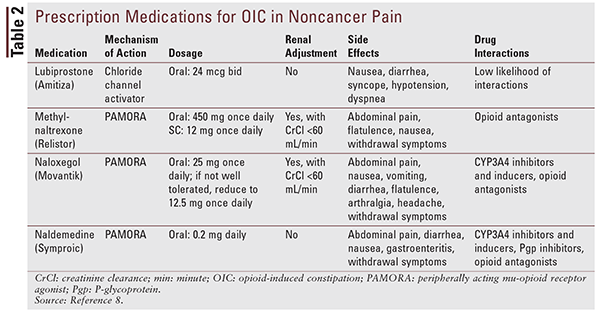
Seniors on opioid pain medications almost always develop constipation. Unlike regular constipation, this type will not resolve with diet and lifestyle changes alone.
Opioid Antagonists Block the Problem
These prescription medications block the constipating effects of opioids in the gut without reducing pain relief.
Common options include:
– Methylnaltrexone (Relistor)
– Naldemedine (Symproic)
– Naloxegol (Movantik)
These are taken daily and are highly effective. If you are on long-term opioids, ask your doctor about adding one of these agents to your treatment plan.
Prevent Serious Complications Early
Ignoring constipation can lead to dangerous problems, especially in older adults. Prevention is always easier than treatment.
Watch for Fecal Impaction
This occurs when hard stool becomes stuck in the rectum and cannot be passed. It is a medical emergency requiring prompt intervention.
Warning signs include:
– Liquid stool leaking around a blockage (paradoxical diarrhea)
– Abdominal swelling and pain
– Nausea or vomiting
– Inability to pass gas
Treatment requires manual disimpaction or enemas under medical supervision. To prevent fecal impaction, stay consistent with fiber, fluids, and movement. Never delay bowel movements when you feel the urge.
Protect Against Hemorrhoids and Fissures
Chronic straining increases pressure in the rectal veins, leading to swollen hemorrhoids or painful anal fissures.
Prevention tips include:
– Using stool softeners if you have a history of fissures
– Avoiding prolonged sitting on the toilet
– Keeping the anal area clean and dry
Know When to See a Doctor
Constipation in anyone over 65 always warrants medical evaluation. What looks like simple constipation could indicate something more serious.
Seek Help Immediately for These Symptoms
Go to a doctor right away if you experience:
– No bowel movement for over 7 days
– Severe abdominal pain or bloating
– Blood in stool
– Unexplained weight loss
– Vomiting alongside constipation
What Your Doctor Will Evaluate
Your provider will likely:
– Review your complete medication list
– Perform a physical exam, possibly including a rectal exam
– Order tests if needed, such as blood work or imaging
– Rule out bowel obstruction, colon cancer, or neurological issues
Only after serious causes are ruled out should you begin targeted treatment.
Caregiver Tips for Managing Elderly Constipation
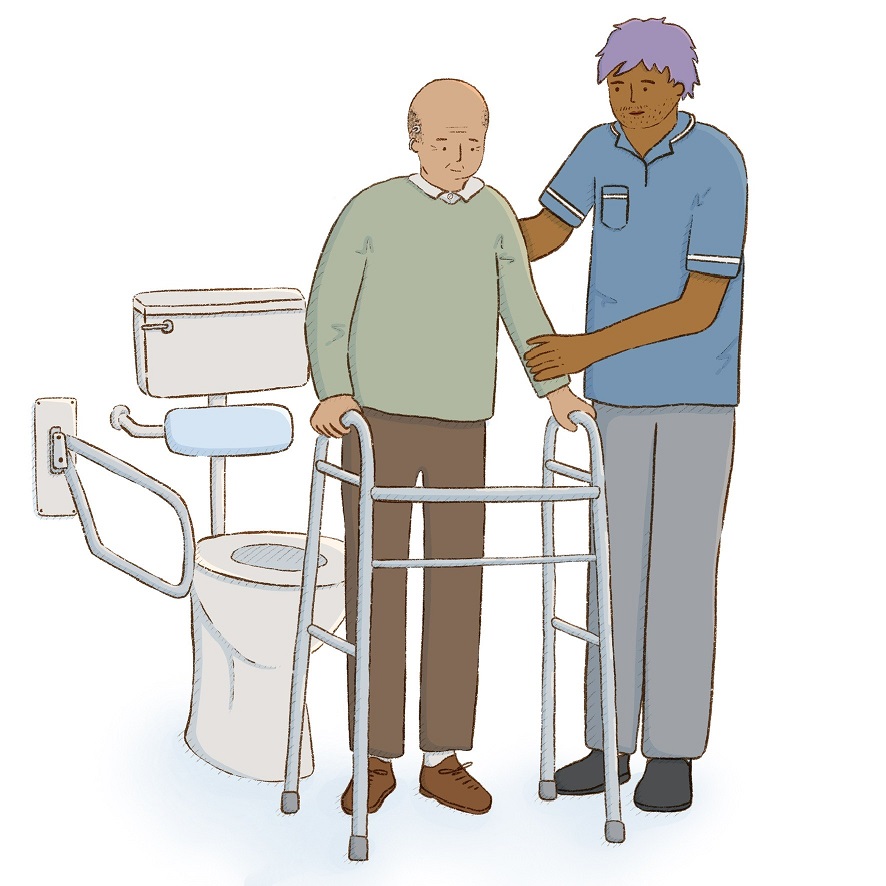
If you care for an elderly person, you play a key role in preventing and managing constipation effectively.
Daily Habits to Encourage
Support your loved one with these strategies:
– Offer high-fiber snacks like apple slices, prunes, or whole-grain crackers
– Remind them to drink water, even when they say they are not thirsty
– Assist with safe mobility through walks and standing exercises
– Help establish a bathroom routine after meals
– Use a bedside commode if mobility is limited
Monitor Bowel Patterns Consistently
Keep a simple log tracking:
– Number of bowel movements per week
– Stool consistency using the Bristol Stool Chart
– Any straining or discomfort
This information helps track progress and informs medical decisions when needed.
Frequently Asked Questions About Constipation Cures for Elderly
What Is the Fastest Constipation Cure for Elderly Adults?
Warm liquids combined with gentle movement after meals often produce the fastest natural relief. A cup of warm water or herbal tea followed by a short walk can trigger the gastrocolic reflex within 15 to 30 minutes. For immediate relief, osmotic laxatives like polyethylene glycol typically work within 1 to 3 days.
Are Laxatives Safe for Seniors to Use Regularly?
Bulk-forming agents and stool softeners are generally safe for daily use in seniors. However, stimulant laxatives should only be used short-term because they can cause dependency and electrolyte imbalances. Always consult a doctor before starting any regular laxative routine.
How Much Fiber Should an Elderly Person Eat Daily?
Most seniors should aim for 25 to 30 grams of fiber per day. Increase your intake gradually over 2 to 3 weeks to avoid gas and bloating. Always pair increased fiber with adequate water intake, or constipation can actually worsen.
What Drinks Help Elderly People With Constipation?
Warm liquids are particularly effective, including warm water, herbal tea, and prune juice. Coffee in moderation can also stimulate bowel movements. Aim for 6 to 8 glasses of fluid daily, adjusting based on your doctor’s advice if you have heart or kidney conditions.
When Should an Elderly Person See a Doctor for Constipation?
Anyone over 65 should see a doctor if constipation lasts more than 2 to 3 weeks despite lifestyle changes. Immediate medical attention is needed for blood in stool, severe abdominal pain, vomiting, or no bowel movement for over 7 days. These symptoms may indicate serious underlying conditions.
Can Prescription Medications Cause Constipation in Seniors?
Yes, many common prescriptions cause constipation as a side effect. Opioids, certain antidepressants, blood pressure medications, iron supplements, and antacids with calcium or aluminum are frequent culprits. Review your complete medication list with your doctor to identify potential causes.
Key Takeaways for Managing Constipation Cures for Elderly Adults
Start with the simplest solutions and build from there. Increase fiber gradually while drinking plenty of water throughout the day. Add 30 minutes of light daily movement, especially after meals. Optimize your bathroom posture using a footstool to reduce straining. Review all medications with your doctor to identify hidden causes.
If these steps do not bring relief within 2 to 3 weeks, schedule a medical evaluation. Do not suffer in silence or assume constipation is a normal part of aging. Effective constipation cures for elderly adults exist, and the right combination can restore comfort, mobility, and independence.
Your Next Step: Choose one change from this guide and implement it today. Whether it is drinking an extra glass of water, taking a short walk after breakfast, or scheduling a medication review with your doctor, taking action now sets the foundation for lasting relief and better quality of life.