
High blood pressure affects nearly half of all adults over 60, making it one of the most common health concerns for older Americans. If you or a loved one has recently been diagnosed with hypertension, understanding the root causes can help you take meaningful action. Many seniors develop elevated readings for reasons that differ significantly from younger adults.
This guide breaks down the primary causes of high blood pressure in elderly individuals, explains why aging increases risk, and offers practical steps for prevention and management. You’ll learn which factors you can control and which require medical attention.
How Aging Naturally Affects Blood Pressure

Blood vessels lose flexibility with age, a process called arterial stiffening. This forces the heart to pump harder, raising systolic pressure even in otherwise healthy seniors.
Why Systolic Pressure Rises More Than Diastolic
The top number (systolic) tends to climb steadily after age 60, while the bottom number (diastolic) may actually decrease. This pattern is so common it has its own clinical name: isolated systolic hypertension.
The Role of Plaque Buildup Over Decades
Years of dietary choices, stress, and normal wear contribute to arterial plaque. Narrowed vessels combined with stiffening create a double burden on cardiovascular health.
Pro Tip: Ask your doctor to check both numbers separately. A “normal” diastolic reading can mask dangerous systolic elevation in older adults.
Common Medical Causes of High Blood Pressure in Elderly

Several health conditions become more prevalent with age and directly contribute to elevated readings.
Kidney Function Decline
The kidneys regulate fluid balance and filter sodium. When kidney function drops, fluid retention increases blood volume and pressure. Chronic kidney disease is both a cause and consequence of hypertension.
Hormonal Changes and Endocrine Disorders
Conditions like thyroid dysfunction, adrenal tumors, and sleep apnea can trigger secondary hypertension. Many of these disorders go undiagnosed in seniors because symptoms mimic normal aging.
Diabetes and Insulin Resistance
High blood sugar damages blood vessel walls over time. Roughly 60% of seniors with diabetes also have hypertension, creating a dangerous cycle.
Medication-Related Causes of Hypertension in Older Adults
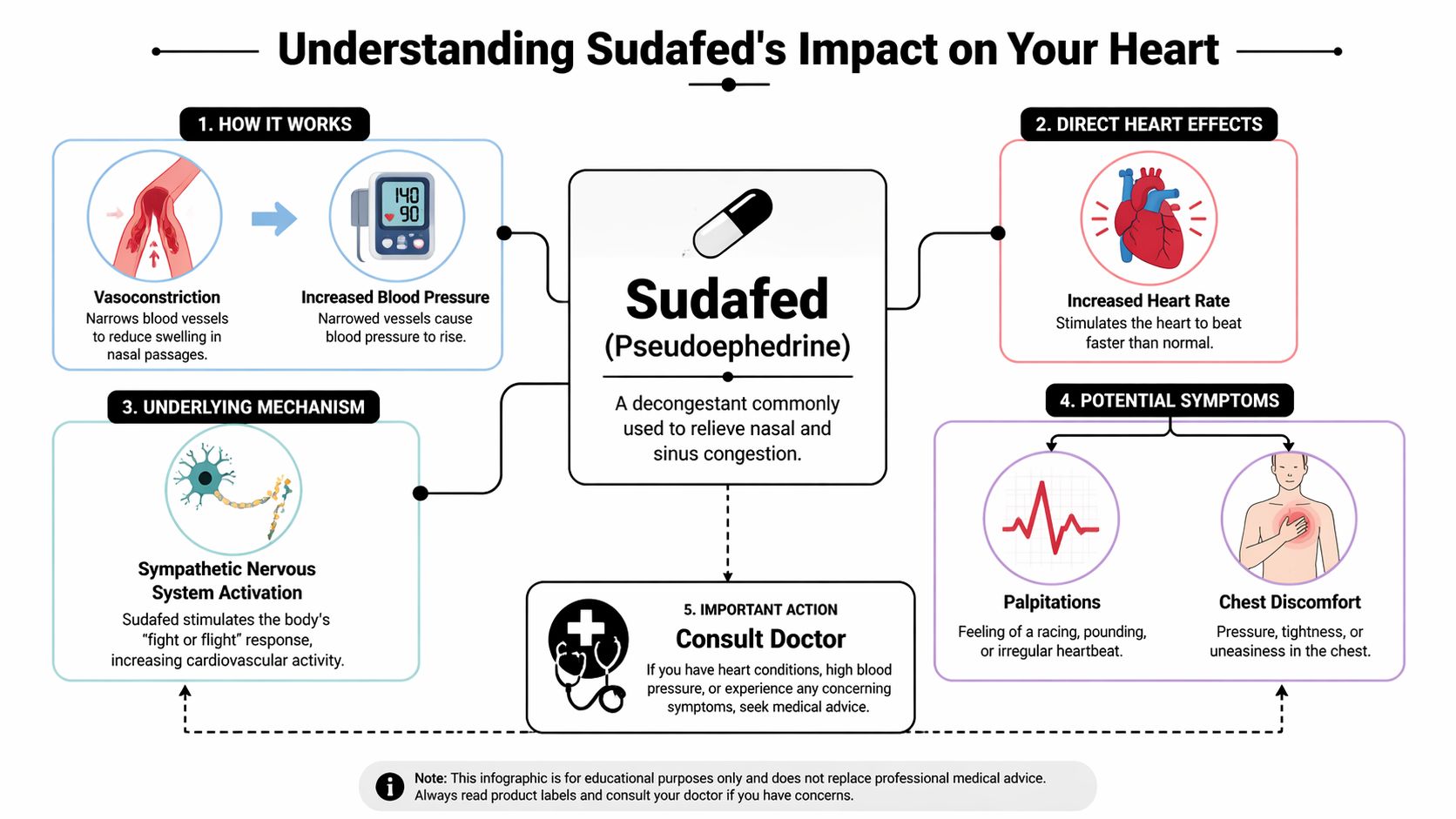
Many seniors take multiple prescriptions daily, and some common drugs can raise blood pressure as a side effect.
NSAIDs and Pain Relievers
Ibuprofen and naproxen reduce kidney function temporarily, causing fluid retention. Daily use for arthritis pain is a frequent culprit in newly diagnosed cases.
Decongestants and Cold Medications
Over-the-counter products containing pseudoephedrine constrict blood vessels. Seniors with existing hypertension should always check labels or ask pharmacists first.
Certain Antidepressants and Steroids
Prescription medications for mood, inflammation, and autoimmune conditions can elevate readings. Never stop these suddenly, but do discuss concerns with your prescribing doctor.
Expert Note: Bring a complete medication list to every appointment. Drug interactions are an overlooked cause of high blood pressure in elderly patients.
Lifestyle Factors That Contribute to Senior Hypertension
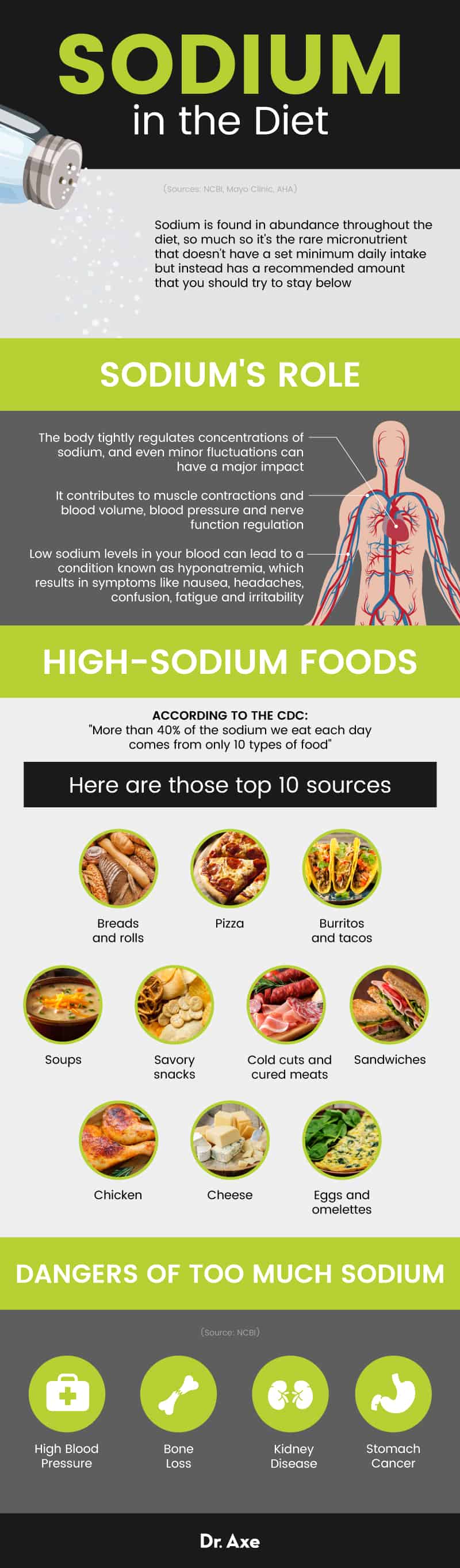
Daily habits play a larger role than most people realize, even after decades of established routines.
High Sodium Intake
The American Heart Association recommends under 1,500 mg of sodium daily for seniors. Restaurant meals, canned soups, and bread are top hidden sources.
Physical Inactivity
Muscle loss and joint pain often reduce activity levels. Less movement means weaker hearts and stiffer vessels, compounding age-related changes.
Excess Alcohol Consumption
More than one drink daily for women or two for men can steadily raise blood pressure. Alcohol also interferes with many blood pressure medications.
Chronic Sleep Disruption
Poor sleep quality, including sleep apnea, prevents nighttime blood pressure from dropping as it should. This pattern is linked to higher cardiovascular event rates.
Risk Factors You Cannot Change but Should Monitor
Some causes of high blood pressure in elderly populations are beyond personal control, but awareness enables earlier intervention.
Family History and Genetics
If parents had hypertension or stroke before age 70, your risk increases significantly. Genetic predisposition interacts with lifestyle choices over a lifetime.
Long-Standing Race-Related Health Disparities
Black Americans develop hypertension earlier and more severely than other groups. This reflects complex social, economic, and biological factors that warrant proactive screening.
History of Preeclampsia in Women
Women who had pregnancy-related hypertension face higher lifetime cardiovascular risk, even decades after delivery.
Warning Signs That Require Immediate Medical Attention
Hypertension is often called the “silent killer” because symptoms may not appear until damage is advanced. Seniors should watch for these red flags:
- Severe headache with confusion or vision changes
- Chest pain or shortness of breath during minor activity
- Sudden weakness or numbness on one side of the body
- Blood pressure readings above 180/120 mmHg
Call 911 immediately if any of these symptoms occur. They may indicate a hypertensive crisis or stroke.
Practical Steps to Reduce Causes of High Blood Pressure in Elderly Adults
Prevention and management work at any age, but benefits appear quickly in seniors.
Adopt the DASH Eating Pattern
This diet emphasizes fruits, vegetables, whole grains, and lean protein while limiting saturated fat. Studies show it can lower systolic pressure by 8 to 14 points within weeks.
Move Safely Every Day
Aim for 150 minutes of moderate activity weekly. Walking, water aerobics, and chair exercises all count. Consistency matters more than intensity.
Monitor Readings at Home
Home monitoring provides your doctor with accurate data and helps catch concerning trends early. Choose an upper-arm cuff with a digital display for reliability.
Schedule Regular Kidney Function Tests
Annual bloodwork can detect declining kidney function before it affects blood pressure. Early intervention slows both kidney disease and hypertension progression.
Frequently Asked Questions About High Blood Pressure in Elderly
What is the most common cause of high blood pressure in elderly individuals?
The most common cause is age-related arterial stiffening combined with long-term lifestyle factors like sodium intake and physical inactivity. This is called primary hypertension and accounts for most senior cases.
Can high blood pressure in elderly be cured?
Hypertension cannot typically be cured, but it can be effectively managed through medication, diet, exercise, and lifestyle changes. Many seniors achieve healthy readings with consistent effort.
What blood pressure reading is dangerous for seniors?
Readings above 180/120 mmHg constitute a hypertensive crisis requiring emergency care. For ongoing management, most seniors should target under 130/80 mmHg, though targets vary by individual health status.
Why does systolic blood pressure rise more in older adults?
Systolic pressure rises because arteries become stiffer with age, requiring more force to push blood through them. Diastolic pressure may actually decrease as vessels lose elasticity.
Are blood pressure medications safe for elderly patients?
Modern blood pressure medications are generally safe and well-studied in older adults. Doctors typically start with lower doses and adjust based on response and side effects.
How often should seniors check their blood pressure?
Seniors with diagnosed hypertension should check readings at least weekly, or as directed by their doctor. Those with normal readings can check a few times yearly during routine appointments.
Key Takeaways for Managing Senior Hypertension

Understanding the causes of high blood pressure in elderly adults empowers you to make informed decisions. Aging-related vessel changes, kidney function decline, medication side effects, and lifestyle habits all contribute to elevated readings. While some risk factors like genetics cannot be changed, most causes respond well to targeted interventions.
Start by scheduling a comprehensive checkup that includes bloodwork, medication review, and home monitoring training. Small daily choices about food, movement, and sleep add up to meaningful pressure reductions within weeks. Share this information with family members and caregivers, since managing senior hypertension works best as a team effort.
Your next step is simple: check your blood pressure this week and write down the numbers. Bring that record to your next doctor’s appointment and ask which of the causes discussed here apply most to your situation.