

Watching a parent pace the hallway at 3 a.m. or hearing them say they haven’t slept in days is heartbreaking. Elderly not sleeping at night affects millions of seniors and their families, yet many assume it’s just a normal part of aging. The truth is more hopeful: while sleep patterns change with age, chronic insomnia is treatable and often reversible.
This guide explains the real causes behind elderly not sleeping at night, the health risks of poor rest, and proven strategies to restore deep, restorative sleep. You’ll learn when to seek medical help, how to adjust daily habits, and what to do if dementia is part of the picture.
How Sleep Naturally Changes With Age

The Internal Body Clock Shifts Earlier
Aging pushes the body’s internal clock forward. Seniors often feel drowsy by early evening and wake before sunrise, sometimes as early as 4 or 5 a.m. This shift creates long stretches of wakefulness in the middle of the night, even when total sleep time seems normal. Without strong morning light or daytime activity, the rhythm drifts further out of sync.
Deep Sleep Becomes Shorter
The brain spends less time in deep non-REM sleep as decades pass. This stage handles physical repair, so losing it leaves older adults feeling less refreshed. They also stay in lighter sleep stages, making them more sensitive to noises, temperature changes, or the urge to use the bathroom.
Melatonin Levels Drop
The brain produces less melatonin, the hormone that signals sleepiness, as people grow older. This decline weakens the natural cue to fall asleep and contributes to daytime drowsiness. Some seniors try melatonin supplements, but a doctor’s guidance is important to avoid side effects.
Medical Conditions That Disrupt Senior Sleep
Chronic Pain and Arthritis
Joint pain from arthritis or old injuries is a leading cause of nighttime waking. Lying still for hours intensifies stiffness, prompting constant position changes. Pain also delays sleep onset. Treating the root cause through medication, physical therapy, or heat packs works better than sleep aids alone.
Frequent Nighttime Urination
Waking two or more times nightly to urinate affects most seniors. Causes include age-related bladder changes, prostate enlargement, diabetes, heart conditions, and diuretic medications. Each trip raises fall risk and breaks sleep continuity. Limiting fluids after 6 p.m. and reviewing medications with a doctor can reduce these episodes.
Sleep Apnea in Older Adults
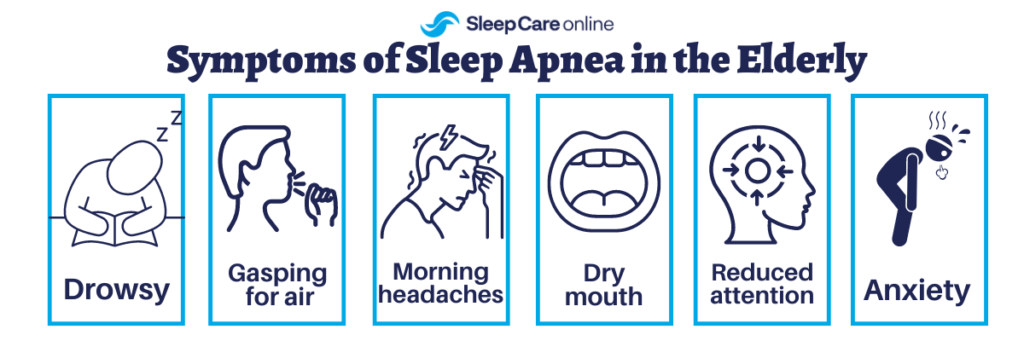
Obstructive sleep apnea causes breathing to pause repeatedly during sleep due to airway collapse. Loud snoring, gasping, and daytime fatigue are common signs. Untreated sleep apnea raises the risk of heart attack and stroke, and it appears more often in people with Alzheimer’s. A sleep study confirms the diagnosis, and CPAP therapy often restores restful sleep.
Restless Legs and Leg Movements
Restless Legs Syndrome creates uncomfortable tingling, crawling, or aching sensations in the legs that worsen at night and ease with movement. Periodic Limb Movement Disorder causes involuntary leg jerks every 20 to 40 seconds during sleep. Both disrupt rest, but treatments like iron supplements or specific medications can help.
Dementia and Nighttime Confusion
Sundowning and Wandering
Seniors with dementia often experience sundowning, a state of increased confusion, anxiety, or agitation in the late afternoon and evening. This can lead to pacing, yelling, or waking throughout the night. Some wander without awareness of time or danger. These behaviors are symptoms of brain changes, not intentional actions. Up to 50% of those with moderate to severe Alzheimer’s face significant nighttime disruptions.
Reversed Sleep-Wake Cycles
Many with dementia sleep most of the day and stay awake all night. This reversal stems from damage to the brain’s circadian control center. Maximizing bright light exposure in the morning and keeping the home dim and quiet in