Every year, hundreds of thousands of older adults suffer strokes that could have been avoided with the right prevention strategy. For adults aged 55 and above, stroke is not an inevitable consequence of getting older. Research shows that 80% of strokes are preventable through consistent lifestyle changes and proper medical care. The truth is simple: understanding your risk factors and taking small daily actions can dramatically reduce your chances of experiencing this life-altering event.
This comprehensive guide explains exactly how to prevent strokes in elderly adults using CDC-recommended strategies. You will discover practical steps covering diet, exercise, medication management, and chronic disease control. Whether you are a senior protecting your own health or a caregiver supporting a loved one, these evidence-based tips can help promote a longer, healthier, stroke-free life.
Build a Stroke-Prevention Diet Around Whole Foods

Reduce Sodium and Embrace Fiber
High blood pressure remains the leading contributor to stroke, and excess sodium directly raises blood pressure readings. Older adults should actively limit salt by avoiding processed foods, canned soups, and restaurant meals. Instead, fill your plate with fresh fruits, vegetables, whole grains, and lean proteins. These foods are naturally low in sodium and high in fiber, which helps control cholesterol levels. The DASH eating plan, specifically designed to combat hypertension, aligns perfectly with these guidelines.
Swap Unhealthy Fats for Heart-Healthy Options
Saturated and trans fats found in fried foods, red meat, and packaged snacks contribute to arterial plaque buildup. This plaque narrows blood vessels and increases the risk of ischemic stroke. Replace these harmful fats with options like avocados, nuts, olive oil, and fatty fish such as salmon. Omega-3 fatty acids in fish reduce inflammation and support overall cardiovascular health.
Pro Tip: Use olive oil instead of butter, snack on almonds rather than chips, and eat two servings of fatty fish each week for maximum benefit.
Maintain a Healthy Weight Through Small Changes

Assess Your Numbers
Excess weight strains the heart and increases blood pressure, cholesterol, and insulin resistance. Doctors use Body Mass Index (BMI) to evaluate whether your weight falls within a healthy range. A BMI between 18.5 and 24.9 is considered ideal, while 25–29.9 indicates overweight and 30 or higher suggests obesity. For elderly individuals, losing even 5–10% of body weight can produce meaningful reductions in stroke risk.
Waist circumference offers additional insight into cardiovascular danger. Men should aim for a waist measurement under 40 inches, while women should stay below 35 inches. Excess abdominal fat is closely linked to higher heart disease and stroke risk.
Adopt Sustainable Habits
Rather than attempting drastic diets, focus on manageable adjustments:
– Replace sugary drinks with water or herbal tea
– Use smaller plates to naturally control portions
– Add one extra serving of vegetables at dinner
These small shifts, promoted through the CDC’s “Start Small. Live Big.” campaign, lead to lasting results without feeling overwhelming.
Stay Physically Active Every Week
Follow Recommended Exercise Guidelines
Regular physical activity strengthens your heart, lowers blood pressure, and improves circulation throughout your body. The CDC recommends that adults aged 55 and older get at least 2 hours and 30 minutes of moderate-intensity aerobic activity per week. Brisk walking is one of the safest and most effective choices, especially for those with joint concerns.
Other excellent options include:
– Water aerobics for joint-friendly resistance training
– Cycling on flat terrain
– Chair-based exercises for limited mobility
– Tai chi to improve balance and circulation
Build Consistency Gradually
Many seniors struggle with sedentary habits due to mobility issues or fear of falling. Begin with three short 10-minute walks daily, then gradually extend the duration. Consistency matters far more than intensity. Even light activity performed regularly reduces stroke risk significantly.
Warning: Always consult your physician before starting any new exercise program, particularly after a TIA or cardiac event.
Quit Smoking and Avoid Secondhand Smoke
Understand the Immediate Danger
Smoking damages blood vessel walls, elevates blood pressure, and accelerates clot formation. Elderly smokers face twice the stroke risk of non-smokers. The encouraging news is that quitting brings benefits at any age. Within just two years, your stroke risk begins approaching that of someone who never smoked.
Access Proven Cessation Tools
Going cold turkey rarely produces lasting results. Talk to your doctor about these evidence-based options:
– Nicotine replacement therapy including patches and gum
– Prescription medications such as varenicline or bupropion
– Counseling services and quitlines like 1-800-QUIT-NOW
The CDC’s Smoking and Tobacco Use website provides free personalized plans to help you succeed. Remember, it is never too late to quit.
Expert Note: Secondhand smoke also raises stroke risk, so keeping your living environment smoke-free protects everyone in your home.
Limit Alcohol Consumption Carefully
Know Your Personal Limit
Excessive alcohol consumption raises blood pressure and can trigger atrial fibrillation, a heart rhythm disorder that frequently leads to stroke. For older adults, current guidelines recommend:
– Men should consume no more than 2 drinks per day
– Women should consume no more than 1 drink per day
One standard drink equals 12 ounces of beer, 5 ounces of wine, or 1.5 ounces of distilled spirits.
Prevent Binge Drinking
Many seniors unintentionally exceed safe limits during social gatherings or while coping with loneliness. Binge drinking causes sudden dangerous spikes in blood pressure and heart rate. Alternate alcoholic beverages with water, use smaller glasses, and track your intake using a journal or smartphone app.
Manage High Blood Pressure Consistently
Monitor Your Numbers Regularly
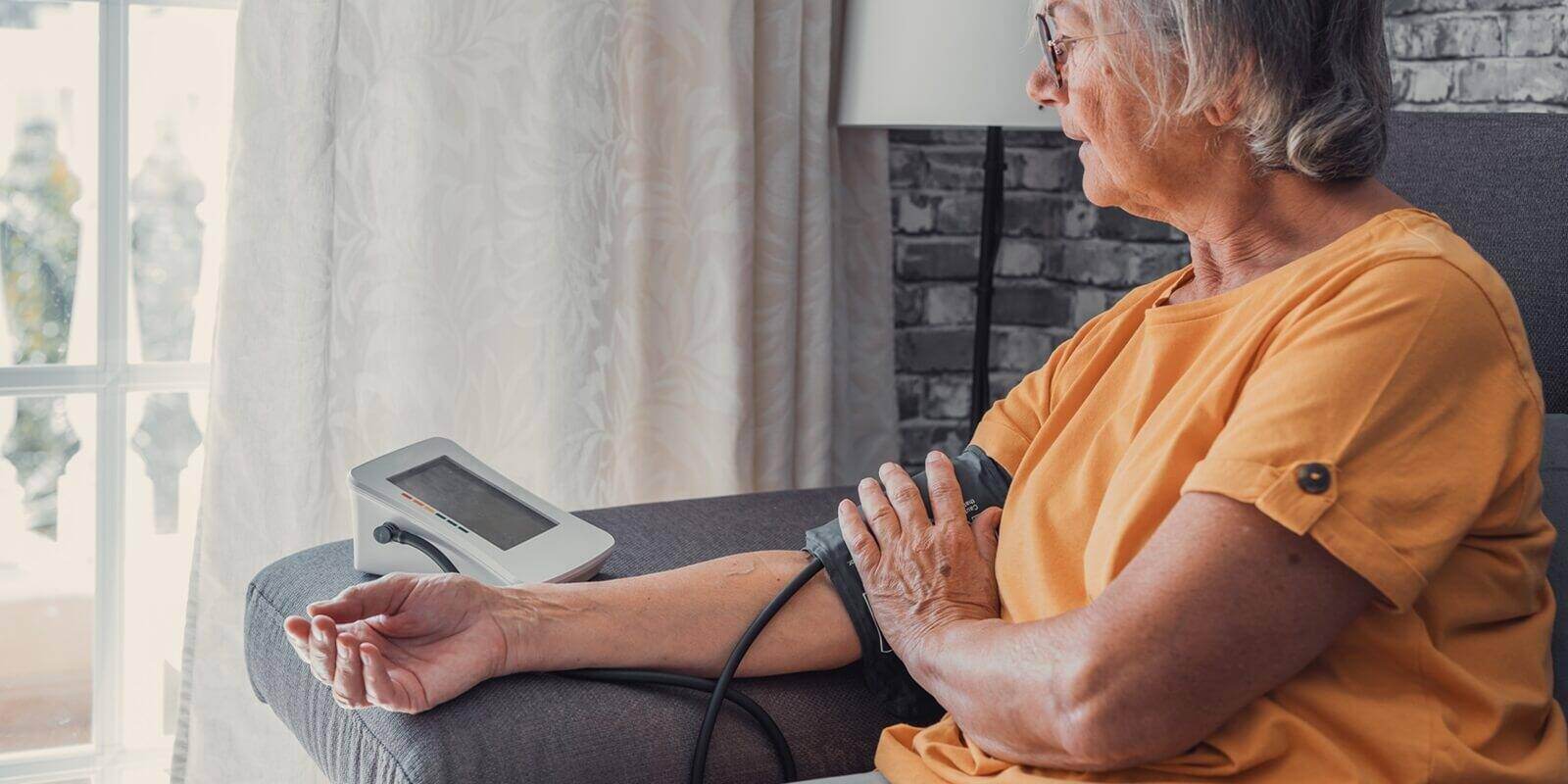
High blood pressure earns its reputation as the “silent killer” because it typically produces no warning symptoms. Yet it remains the most significant modifiable stroke risk factor. Every elderly adult should check blood pressure regularly at home, at the pharmacy, or during doctor visits.
Target reading: Below 120/80 mm Hg
Take Action When Readings Rise
If your readings consistently exceed 130/80 mm Hg, schedule a conversation with your doctor. Your treatment plan may include:
– Medications such as ACE inhibitors or diuretics
– Dietary adjustments including reduced sodium and increased potassium
– Stress management techniques like meditation or deep breathing
Home monitoring reveals patterns and confirms whether treatments are working effectively.
Common Mistake: Stopping medication once numbers improve is dangerous. Always consult your doctor before making any changes.
Control Cholesterol with Testing and Treatment
Get Tested Every Five Years
High LDL cholesterol contributes to artery-clogging plaque that triggers ischemic strokes. A simple blood test measures your total cholesterol, HDL, LDL, and triglycerides. The CDC recommends testing at least once every five years, or more frequently if you take cholesterol medications or have elevated levels.
Aim for these ideal levels:
– Total cholesterol below 200 mg/dL
– LDL below 100 mg/dL
– HDL above 40 mg/dL for men and above 50 mg/dL for women
– Triglycerides below 150 mg/dL
Combine Lifestyle and Medical Approaches
Natural strategies include eating soluble fiber from oats, beans, and apples, exercising regularly, and losing excess weight. When lifestyle changes prove insufficient, doctors may prescribe statins or other cholesterol-lowering medications proven to reduce stroke risk in older adults.
Prioritize Diabetes Management
Test and Track Blood Sugar Levels
Diabetes doubles stroke risk by damaging blood vessels and accelerating plaque accumulation. If you experience frequent urination, blurred vision, or unusual fatigue, ask your doctor about testing. Once diagnosed, monitor your blood glucose as directed, typically daily or weekly depending on your treatment plan.
A1C goal for most elderly patients: Below 7%, though targets should be personalized based on your overall health.
Combine Diet, Activity, and Medication
Effective diabetes management includes choosing low-glycemic foods like non-starchy vegetables and whole grains, staying active especially after meals, and taking all prescribed medications consistently. Poor blood sugar control damages both the brain and heart over time, making consistent management absolutely essential.
Treat Heart Disease and Atrial Fibrillation
Address Atrial Fibrillation Immediately
Atrial fibrillation causes irregular heartbeats that allow blood to pool and form dangerous clots. These clots can travel to the brain and trigger a stroke. Some patients experience palpitations, dizziness, or shortness of breath, while others notice nothing at all.
Treatment typically involves blood thinners like apixaban or warfarin, rate or rhythm control medications, and procedures such as cardioversion or ablation when appropriate.
Critical: If you have atrial fibrillation, stroke prevention becomes a top priority even when you feel perfectly fine.
Manage Coronary Artery Disease
Narrowed heart arteries indicate systemic vascular disease that increases stroke likelihood. Work closely with your healthcare team on appropriate medications including beta-blockers, aspirin, and statins. Lifestyle modifications and potential interventions like stents or bypass surgery may also be necessary to protect both heart and brain.
Take Every Medication Exactly as Prescribed
Follow Prescriptions Without Fail
Many elderly adults manage multiple medications for blood pressure, cholesterol, diabetes, and heart rhythm control. Skipping doses or stopping early can undo months of progress and dramatically increase stroke risk. Always take medicine at the same time each day, use pill organizers or reminder apps, and refill prescriptions before running out completely.
Never Stop Without Medical Guidance
Some patients discontinue medications when they feel better or experience side effects. This decision can be extremely dangerous. Stopping a blood thinner, for example, can trigger a sudden stroke. If you have concerns about side effects or costs, discuss alternatives with your doctor rather than stopping on your own.
Red Flag: If you feel confused about your medications, bring every pill bottle to your next appointment for a thorough review.
Build a Strong Partnership With Your Healthcare Team
Collaborate Actively on Prevention
Stroke prevention works best as a team effort involving your doctor, nurse, pharmacist, and any specialists. Schedule regular checkups and arrive prepared with a current medication list, recent blood pressure or glucose readings, and written questions about symptoms or side effects.
Ask your doctor directly: “What is my personal stroke risk, and what specific steps can I take to lower it?”
Leverage CDC Campaigns for Motivation
Programs like “Start Small. Live Big.” specifically encourage adults 55 and older to take manageable steps toward better health. The “Live to the Beat” campaign supports Black adults, who face higher stroke risks, with culturally relevant resources and guidance for finding trusted healthcare providers.
Take Immediate Action After a TIA

Recognize the Warning Signs
A transient ischemic attack, often called a “mini-stroke,” produces temporary stroke-like symptoms that resolve completely. However, up to 1 in 3 people who experience a TIA will suffer a full stroke within one year without proper treatment.
Watch for these sudden symptoms:
– Facial drooping on one side
– Arm weakness or numbness
– Speech difficulty or slurring
Urgency: Always treat a TIA as a medical emergency requiring immediate care.
Follow Your Post-TIA Prevention Plan
After a TIA, your healthcare team will design a comprehensive prevention strategy including daily aspirin or anticoagulant medication, aggressive blood pressure and cholesterol management, carotid artery screening, and targeted lifestyle changes. Strict adherence to this plan can reduce future stroke risk by up to 80%.
Frequently Asked Questions About Stroke Prevention in Elderly
What is the most important step to prevent strokes in elderly adults?
Controlling high blood pressure is the single most effective strategy because it is the leading modifiable risk factor for stroke. Elderly adults should monitor their blood pressure regularly and work with their doctor to keep readings below 120/80 mm Hg through medication, diet, and exercise.
Can strokes really be prevented in older adults?
Yes, up to 80% of strokes are preventable through lifestyle changes and proper management of chronic conditions like hypertension, diabetes, and high cholesterol. Consistent healthy habits significantly reduce risk at any age.
How much exercise does an elderly person need to prevent stroke?
The CDC recommends at least 2 hours and 30 minutes of moderate-intensity aerobic activity per week, such as brisk walking. This can be broken into shorter sessions throughout the week and adjusted based on individual fitness levels.
What foods should elderly adults avoid to prevent stroke?
Limit sodium, saturated fats, trans fats, and cholesterol by avoiding processed foods, canned soups, fried foods, red meat, and packaged snacks. These foods raise blood pressure and contribute to arterial plaque buildup.
How does diabetes increase stroke risk in elderly?
Diabetes damages blood vessels over time and accelerates plaque accumulation in arteries, doubling stroke risk. Managing blood sugar through diet, exercise, and medication is essential for prevention.
What should I do if I suspect a TIA?
Seek emergency medical care immediately, even if symptoms resolve quickly. A TIA signals significantly elevated stroke risk, and prompt treatment can prevent a full stroke from occurring.
Key Takeaways for Preventing Strokes in Elderly Adults
Preventing strokes in elderly adults is absolutely achievable through consistent, evidence-based strategies. Focus on controlling blood pressure, cholesterol, and diabetes while staying physically active and eating a nutrient-rich diet. Avoid smoking, limit alcohol consumption, and take every medication exactly as prescribed.
Partner closely with your healthcare team and take advantage of free CDC resources including the BMI calculator and smoking cessation tools. Remember that small, sustainable changes produce the most lasting results. By taking action today, you or your loved one can enjoy a longer, healthier, and stroke-free life.
Start with just one change this week, whether it is adding a daily walk, swapping processed snacks for fresh fruit, or scheduling a long-overdue checkup. Your future health depends on the decisions you make right now.