
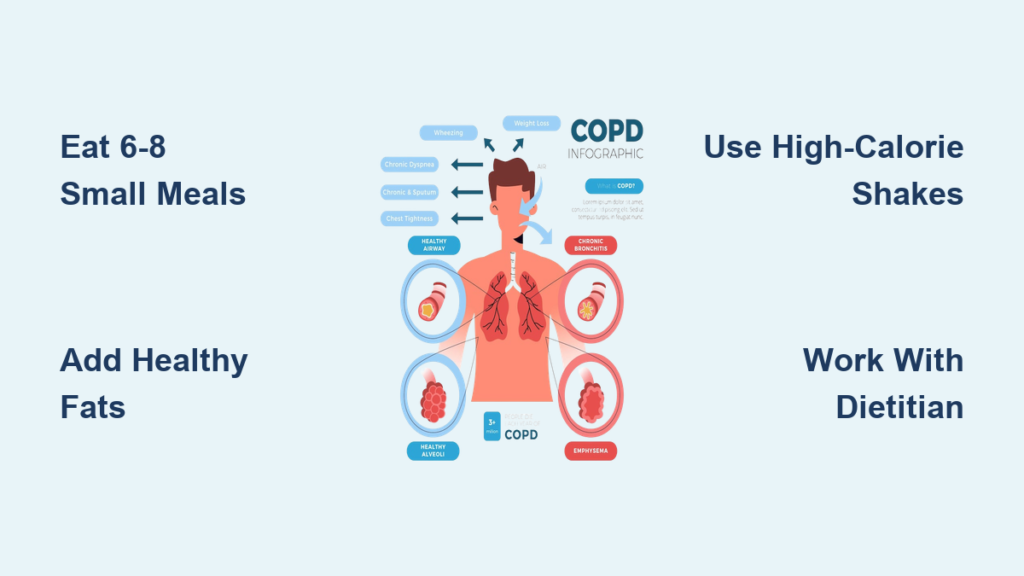
Losing weight unintentionally in your 60s, especially when you are already underweight, can feel alarming. For older adults with chronic conditions like COPD, it often becomes a daily battle. If you are over 60, struggling to gain weight despite eating large meals, you are not alone. Many elderly individuals with respiratory disease or a fast metabolism face this exact challenge.
The solution is not just eating more. It is about eating smarter, with the right foods, timing, and medical support. This guide shares targeted strategies for seniors who need to gain weight safely, even when exercise is not an option.
Assess Underlying Causes Before Adding Calories
Before increasing your food intake, confirm why weight loss continues. A high metabolism from past thyroid issues can burn energy rapidly, even at rest. COPD also raises caloric needs significantly due to constant breathing effort.
Rule Out Hidden Medical Contributors
Several factors may work against weight gain:
- Hypermetabolism: Common in COPD because the body works harder to breathe.
- Malabsorption: GI disorders or chronic pancreatitis can block nutrient uptake.
- Medication side effects: Some prescriptions reduce appetite or slow digestion.
- Chronic inflammation: Ongoing illness increases energy expenditure.
Action Step: Ask your doctor for a full metabolic panel, thyroid function test, and nutritional blood work, including albumin, prealbumin, vitamin D, and B12. Share all results with a registered dietitian.
Confirm Your True Calorie Needs
Most elderly adults need 1,600 to 2,000 calories daily. With COPD, you may require 2,500 to 3,000+ calories just to maintain your weight, let alone gain.
Pro Tip: Request a resting metabolic rate (RMR) test if available. It measures your exact calorie burn and prevents under-eating, even when portions seem large.
Optimize Meal Timing and Frequency

Eating three large meals can backfire when breathing is labored. A full stomach pushes against the diaphragm, making it harder to breathe. This causes early fullness and reduced intake.
Eat 6 to 8 Small Meals Daily
Smaller, more frequent meals reduce respiratory strain and improve total calorie intake.
What to do:
– Space meals every 2 to 2.5 hours while awake.
– Aim for 350 to 500 calories per mini-meal.
– Choose calorie-dense, soft, easy-to-chew foods.
Example Daily Schedule:
– 8:00 AM: High-calorie shake
– 10:00 AM: Scrambled eggs with avocado on toast
– 12:00 PM: Creamy pasta with cheese
– 2:30 PM: Peanut butter banana smoothie
– 5:00 PM: Mashed potatoes with gravy and ground turkey
– 7:00 PM: Full-fat yogurt with granola
– 9:00 PM: Cottage cheese with sliced peaches in heavy cream
Choose High-Calorie, Nutrient-Dense Foods

Not all calories work the same. Focus on foods that deliver energy, protein, and key nutrients without requiring effort to eat or digest.
Top Weight-Gain Foods for Seniors
| Food | Calories (per serving) | Key Benefits |
|---|---|---|
| Peanut butter (2 tbsp) | 190 | High fat, protein, easy to add |
| Whole eggs (1 large) | 78 | Complete protein, choline |
| Full-fat cottage cheese (1 cup) | 220 | Slow-digesting casein protein |
| Avocado (½ medium) | 120 | Healthy monounsaturated fats |
| Olive oil (1 tbsp) | 120 | Anti-inflammatory, calorie booster |
| Whole milk (8 oz) | 150 | Natural sugars, protein, calcium |
| Heavy cream (2 tbsp) | 100 | Adds richness, easy calories |
Boost Every Meal with Healthy Fats
Adding 1 to 2 tablespoons of oil, butter, or cream increases calories without increasing volume.
Easy upgrades:
– Drizzle olive oil on pasta, mashed potatoes, or soups.
– Mix heavy cream into oatmeal or fruit smoothies.
– Spread butter on toast, rice, or pancakes.
– Stir MCT oil into shakes for quick-digesting calories with less bloating.
Warning: Avoid trans fats and processed oils. Stick to natural fats to support heart and lung health.
Use COPD-Specific Nutritional Supplements
Standard protein shakes like Boost or Ensure may not deliver enough calories or the right balance for COPD patients. Some contain high sugar, which can worsen hyperglycemia.
Choose Low-Carb, High-Fat Formulas
Look for pulmonary-specific supplements:
– Pulmocare (Abbott): Balanced carb-to-fat ratio, designed for lung disease.
– Beneprotein with heavy cream base: Mix unflavored protein powder with full-fat milk or cream.
– Fortisip Compact Protein (available internationally): 300 calories in just 125ml, low volume, high protein.
Make Your Own High-Calorie Shakes
Custom shakes help you avoid sugar spikes while maximizing calories.
Sample Recipe: COPD Weight-Gain Shake (500+ calories)
– 1 cup whole milk or full-fat coconut milk: 150 cal
– 2 tbsp peanut butter: 190 cal
– 1 tbsp MCT oil or olive oil: 120 cal
– 1 scoop unflavored or vanilla protein powder: 100 cal
– ½ banana or ¼ cup oats: 50 cal
– Optional: Dash of cinnamon for blood sugar support
Blend and sip slowly over 15 to 20 minutes to avoid breathlessness.
Pro Tip: Serve the shake cold. Cold liquids can reduce breathlessness in COPD.
Manage Blood Sugar While Gaining Weight
Hyperglycemia and low blood sugar episodes complicate nutrition. High sugar intake causes spikes and crashes, reducing appetite and energy.
Stabilize Blood Sugar Naturally
- Avoid sugary drinks and desserts, including “healthy” options like fruit juice.
- Pair carbs with fat or protein to slow absorption (apple with peanut butter).
- Choose low-glycemic carbs such as oats, sweet potato, brown rice, and whole grain bread.
- Monitor glucose when possible, aiming for steady levels between meals.
Expert Note: Non-diabetic hyperglycemia can be triggered by illness, stress, or cortisol spikes, which are common in chronic disease. Work with your doctor to rule out insulin resistance.
Work with a Pulmonary Dietitian
General nutrition advice often fails for complex cases. A registered dietitian (RD) who specializes in pulmonary care can create a personalized plan.
Why a Specialist Matters
- They understand COPD’s unique energy demands.
- They can calculate exact protein and calorie needs.
- They adjust plans for medications, swallowing issues, or dental problems.
- They provide meal plans tailored to your preferences and limits.
Action Step: Ask your pulmonologist for a referral. Bring:
– Recent weight logs
– Food diary (3 to 5 days)
– Lab results
– List of supplements and medications
Many VA hospitals offer free dietitian services for veterans. Use this valuable resource.
Prevent Muscle Loss with Protein Timing
Eating protein is not enough if your body breaks down muscle due to uneven intake.
Aim for 1.2 to 1.5g Protein per kg of Body Weight
At 125 lbs (about 57 kg), you need 68 to 85 grams of protein daily. More important than total amount is distributing protein across meals.
Ideal: 20 to 30 grams per meal or snack.
High-Protein Mini-Meal Ideas:
– 2 scrambled eggs plus 1 slice cheese: about 20g protein
– ½ cup cottage cheese plus ¼ cup nuts: about 18g
– 3 oz canned tuna plus 1 tbsp mayo: about 20g
– Protein shake with 1 scoop: about 20 to 25g
Avoid: Eating all your protein at one meal. Your body cannot store it efficiently, so spread it out.
Reduce Breathing Effort During Meals

Eating should not feel like exercise. For COPD patients, poor timing and posture increase fatigue and reduce intake.
Eat When You Are Least Breathless
- Choose times when oxygen levels are stable.
- Use supplemental oxygen during meals if prescribed.
- Rest 10 to 15 minutes before eating.
Use Proper Eating Techniques
- Sit upright with your head slightly forward.
- Take small bites and chew thoroughly.
- Sip water slowly instead of gulping.
- Pause between bites to breathe.
Pro Tip: Eat calorie-dense foods first when energy is highest. Buttered pasta before salad works better than the reverse.
Track Progress and Adjust Weekly
Gaining weight in elderly adults takes time, especially with medical barriers. Track what works and adjust as needed.
Monitor Weekly
- Weigh yourself on the same day, same time, same clothes (every Monday morning works well).
- Goal: Gain 0.5 to 1 lb per week. Faster gain may stress the heart.
- If no gain in 2 to 3 weeks, increase daily calories by 250 to 500.
Keep a Simple Log:
| Date | Weight | Daily Calorie Goal | Notes |
|——|——–|——————–|——-|
| Apr 1 | 124 lb | 2,600 | Felt tired, skipped snack |
| Apr 8 | 124.5 lb | 2,800 | Added oil to meals, felt better |
Frequently Asked Questions About Gaining Weight with COPD
Why does COPD cause weight loss?
COPD increases the energy needed to breathe. The respiratory muscles work much harder, burning extra calories even at rest. This hypermetabolism makes weight gain difficult without targeted calorie increases.
How many calories does an elderly person with COPD need daily?
Most seniors need 1,600 to 2,000 calories. With COPD, daily needs often rise to 2,500 to 3,000+ calories just to maintain weight. Gaining weight may require even more, depending on metabolism and activity level.
Are protein shakes like Ensure enough for COPD patients?
Standard shakes may fall short. They often contain high sugar and lack the fat-to-carb balance needed for lung disease. Pulmonary-specific formulas like Pulmocare or custom high-fat shakes work better.
Can an elderly person gain weight without exercise?
Yes. Weight gain is possible without exercise by focusing on calorie-dense foods, frequent small meals, and proper protein distribution. The key is increasing intake strategically, not just eating larger portions.
What foods help seniors gain weight safely?
Soft, calorie-dense foods work best: peanut butter, whole eggs, avocado, olive oil, full-fat dairy, cottage cheese, and pasta. These provide healthy fats and protein without causing digestive strain.
When should a senior see a dietitian for weight loss?
See a registered dietitian if you have lost more than 5 to 10% of your body weight unintentionally, struggle to maintain weight despite eating well, or have a chronic illness like COPD. Early intervention prevents further decline.
Final Thoughts on Gaining Weight Safely with COPD
You have already tried many approaches, and that persistence matters. The path forward is about precision, consistency, and the right support system.
Key takeaways to remember:
– COPD increases calorie needs to 2,500 to 3,000+ daily.
– Eating 6 to 8 small, frequent meals reduces breathlessness.
– Adding healthy fats to every meal boosts calories without volume.
– COPD-specific supplements like Pulmocare outperform standard shakes.
– A pulmonary dietitian offers personalized, effective guidance.
– Stabilizing blood sugar prevents appetite crashes.
– Spreading protein across the day preserves muscle.
– Weekly tracking helps you adjust calories as needed.
Weight gain is possible, even with COPD and a fast metabolism. It requires the right foods, the right timing, and professional support tailored to your unique health situation.
Next Step: Call your doctor or VA clinic today and request a referral to a registered dietitian with pulmonary experience. Bring your food log and weight history. This single step can transform your approach and finally move the scale in the right direction.





