
Delirium in elderly individuals strikes without warning, turning a clear-minded senior into a confused, disoriented patient within hours. This sudden change in mental function affects thinking, memory, attention, and awareness, making it one of the most frightening experiences for families and caregivers. It impacts about 1 in 7 hospitalized adults and up to half of intensive care patients, making it a true medical emergency that demands immediate attention.
The good news is that delirium treatment works when started quickly. The foundation of how to treat delirium in elderly patients lies in finding the underlying cause, whether that’s an infection, a medication reaction, or dehydration. Once the trigger is addressed, supportive care, environmental adjustments, and targeted strategies can help restore mental clarity. This guide explains each step of the process so you can act with confidence.
Why Rapid Identification of Underlying Causes Comes First
Delirium is a symptom, not a disease itself. Finding and treating what triggered it is the most critical step in how to treat delirium in elderly patients effectively.
Common Triggers Worth Investigating
- Infections: Urinary tract infections, pneumonia, or sepsis are frequent culprits, especially when fever is absent
- Medication changes: New prescriptions, dose adjustments, or side effects from anticholinergics, benzodiazepines, or opioids
- Metabolic imbalances: Low sodium, high calcium, kidney or liver dysfunction
- Dehydration or malnutrition: Often overlooked in seniors with reduced appetite or fluid intake
- Low blood sugar or oxygen levels
- Recent surgery or anesthesia, particularly after hip or cardiac procedures
- Alcohol or drug withdrawal
- Untreated pain or injury
Use the 4AT Test for Quick Screening
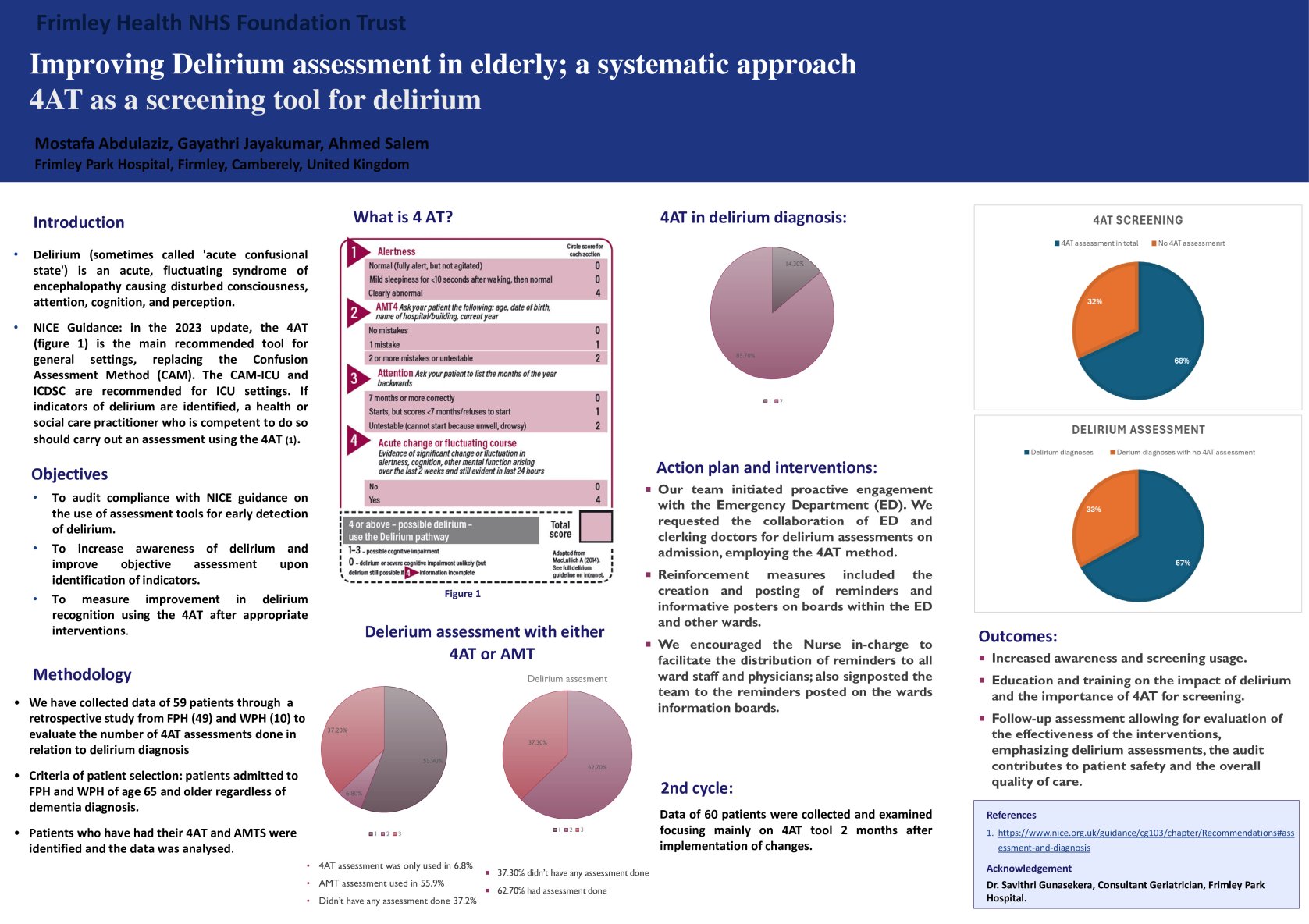
Healthcare providers often use the 4AT test to detect delirium fast. This validated tool scores four areas:
1. Alertness: Is the person drowsy or hard to rouse?
2. Attention: Ask them to spell “WORLD” backward or recite months in reverse
3. Acute change: Did confusion start suddenly?
4. Disorientation: Do they know the date or where they are?
A score of 4 or higher suggests delirium and requires immediate medical evaluation.
Essential Diagnostic Tests to Uncover the Cause

No single test confirms delirium, but the right workup reveals what is driving it.
Key Tests Healthcare Providers Order
- Blood work: CBC, electrolytes, glucose, kidney and liver function, calcium, magnesium
- Urinalysis and culture: To detect UTIs even without urinary symptoms
- Chest X-ray: Rules out pneumonia
- ECG: Identifies arrhythmias or heart issues
- Brain imaging (CT or MRI): Only if stroke, bleed, or tumor is suspected
- Oxygen saturation: Checks for hypoxia
These tests should be ordered promptly. Delays in acute settings can worsen outcomes significantly.
Treat the Triggering Condition Immediately
Once the cause is identified, targeted treatment begins right away.
Infection Management
- Start antibiotics if bacterial infection is confirmed or strongly suspected
- Monitor response within 24 to 48 hours
- Reassess mental status as the infection clears
Medication Review and Adjustment
- Stop or reduce high-risk drugs:
- Anticholinergics such as diphenhydramine or oxybutynin
- Benzodiazepines such as lorazepam or diazepam
- Sedatives and unnecessary antipsychotics
- Avoid polypharmacy: Simplify regimens and eliminate nonessential drugs
- Involve pharmacists in medication reconciliation
Correct Metabolic and Nutritional Deficiencies
- Rehydrate with IV or oral fluids
- Replace electrolytes like sodium and potassium carefully
- Administer vitamin B1 (thiamine) if deficiency is suspected, especially with alcohol use history
- Ensure adequate caloric intake through preferred foods or nutritional support
Provide Immediate Supportive Care

Supportive care protects the patient, prevents complications, and creates the best conditions for brain recovery.
Ensure Patient Safety
- Use bed alarms or one-on-one supervision for agitated patients at fall risk
- Remove unnecessary medical equipment such as IV poles or catheters when possible
- Keep the room clutter-free to reduce confusion
Maintain Hydration and Nutrition
- Offer fluids frequently with assistance if needed
- Provide favorite foods and adaptive utensils
- Evaluate swallowing before offering food or drink to prevent aspiration
Promote Calmness and Orientation
- Place a clock and large-print calendar within view
- Keep familiar objects nearby: family photos, glasses, hearing aids
- Gently repeat the time, date, and location throughout the day
- Use name tags or whiteboards with daily updates
Apply Nonpharmacologic Interventions First
Non-drug strategies form the backbone of delirium care and should start in every patient.
Optimize Sleep-Wake Cycles
- Preserve natural circadian rhythm:
- Open curtains during the day for sunlight exposure
- Reduce noise and lights at night
- Avoid unnecessary nighttime disruptions such as routine vital checks
- Encourage daytime activity and discourage long naps
Encourage Mobility and Physical Activity
- Help the person sit up, stand, or walk daily
- Involve physical or occupational therapy early
- Use mobility aids to prevent immobility-related complications
Engage the Mind
- Offer simple cognitive activities: puzzles, reading, familiar music
- Talk about family, past jobs, or hobbies
- Keep interactions short and calm to avoid overstimulation
Reserve Medications for Severe Symptoms Only

Medications are not routine in delirium treatment but may be necessary in specific situations.
When to Consider Drugs
- Severe agitation that threatens safety
- Distressing hallucinations or paranoia
- Aggression toward self or others
- Symptoms that persist despite nonpharmacologic efforts
Antipsychotics: Limited Use Only
- Low-dose haloperidol or risperidone may be used short-term
- These drugs do not shorten delirium duration but may reduce distress
- Monitor closely for side effects: sedation, falls, arrhythmias
- Taper and discontinue as symptoms improve
Avoid Benzodiazepines (Except for Withdrawal)
- Generally avoided since they can worsen confusion
- Only used when delirium stems from alcohol or benzodiazepine withdrawal
- Lorazepam may be appropriate for alcohol withdrawal syndrome
Melatonin and Sleep Aids
- Melatonin (1 to 3 mg at bedtime) may help regulate sleep
- Ramelteon has shown some benefit in prevention
- Avoid sedative-hypnotics like zolpidem due to fall and confusion risks
Manage Delirium at End of Life
In hospice or palliative care, delirium is common and often irreversible. The focus shifts from cure to comfort.
Prioritize Symptom Relief
- Treat reversible causes only if they cause distress
- Use antipsychotics like haloperidol or olanzapine to manage agitation or hallucinations
- Administer subcutaneously if oral intake is not possible
Support Family Understanding
- Explain that delirium is common near end of life
- Reassure families that the person may not be aware of surroundings
- Help loved ones say goodbye and provide emotional support
Prevent Recurrence and Complications
After recovery, delirium increases long-term risks. Prevention is essential.
Reduce Risk of Future Episodes
- Avoid high-risk medications using the Beers Criteria as a guide
- Monitor cognitive status during hospital stays
- Educate caregivers on early warning signs
Prevent Physical Complications
- Avoid immobility to prevent muscle loss and blood clots
- Prevent aspiration by assessing swallowing first
- Reduce fall risk with assistive devices, non-slip footwear, and supervision
Support Recovery at Home
Recovery can take weeks or months. Ongoing support improves long-term outcomes.
Reorient Daily
- Repeat the time, date, and location gently
- Use calendars, clocks, and family photos
- Share updates about loved ones to maintain connection
Encourage Light Activity
- Walking around the house or seated exercises
- Occupational therapy for daily living skills
- Gradual return to normal routines
Address Emotional Aftermath
- Some patients recall frightening delirium experiences
- Listen without judgment and validate feelings
- Refer for counseling if anxiety, depression, or PTSD appears
Involve Family and Caregivers Fully
Family members are essential partners in delirium care.
Empower Caregivers
- Teach them to recognize early signs: confusion, attention lapses, sleep changes
- Show how to communicate clearly and calmly
- Encourage bringing glasses, hearing aids, and familiar items to the hospital
Provide Caregiver Support
- Caring for someone with delirium is exhausting
- Encourage breaks, rest, and self-care
- Suggest support groups or counseling services
Monitor Long-Term Cognitive Health
Delirium serves as a red flag for future brain health concerns.
Watch for Dementia Risk
- Up to 50% of delirium survivors develop dementia within a few years
- Schedule follow-up cognitive assessments
- Refer to neurology or memory clinic if decline continues
Track Mental Health
- Post-delirium anxiety, depression, and PTSD are common
- Screen for mood symptoms during recovery
- Offer psychological support when needed
Frequently Asked Questions About Delirium in Elderly Patients
What is the fastest way to treat delirium in elderly patients?
The fastest way to treat delirium in elderly patients is to identify and address the underlying cause, such as an infection or medication reaction, while providing supportive care. Most cases begin improving within days once the trigger is managed, though full recovery may take weeks.
Can delirium in elderly patients be treated without medication?
Yes, nonpharmacologic strategies are the first-line treatment for delirium in elderly patients. These include reorientation, sleep-wake cycle support, mobility, hydration, and family involvement. Medications are reserved for severe agitation or distress.
How long does delirium last in elderly patients?
Most delirium episodes last a few days, but some persist for weeks or months. Recovery time depends on the cause, the patient’s overall health, and how quickly treatment begins. Some patients may not return to their previous cognitive baseline.
What medications should be avoided in delirium?
Benzodiazepines (except for alcohol or benzodiazepine withdrawal), anticholinergics, and sedative-hypnotics like zolpidem should generally be avoided as they can worsen confusion and increase fall risk.
Is delirium in elderly patients reversible?
Delirium is usually reversible with prompt treatment of the underlying cause and supportive care. However, some patients experience lingering cognitive effects, and delirium increases the long-term risk of dementia.
Key Takeaways for Treating Delirium in Elderly Patients
Learning how to treat delirium in elderly patients centers on three priorities: find the cause fast, deliver supportive care, and reserve medications for severe symptoms only. Early identification through tools like the 4AT test, followed by targeted treatment of infections, medication issues, or metabolic imbalances, gives patients the best chance of full recovery.
Nonpharmacologic strategies such as sleep-wake cycle support, mobility, hydration, and family involvement should begin immediately and continue throughout recovery. Medications like haloperidol or risperidone play a limited role and only for severe agitation or distress. After the acute phase, ongoing support at home, cognitive monitoring, and caregiver education help prevent recurrence and protect long-term brain health.
Your next step: If you notice sudden confusion, attention problems, or personality changes in an older adult, contact a healthcare provider immediately. Early action is the single most powerful factor in treating delirium in elderly patients successfully.