
You’ve probably noticed it in yourself or a loved one—forgetting a name, missing an appointment, or walking into a room without remembering why. For many older adults, these moments raise a common concern about why elderly forget things more often than they used to. The truth is, some memory changes are a normal part of aging, while others may signal an underlying health issue.
Memory lapses in older adults are often misunderstood. While they can be frustrating, they don’t always point to dementia. In fact, many causes of forgetfulness—like stress, poor sleep, medication side effects, or even hearing loss—are treatable. Recognizing what’s normal and what’s not can help you take the right steps toward better brain health.
Normal Age-Related Memory Changes
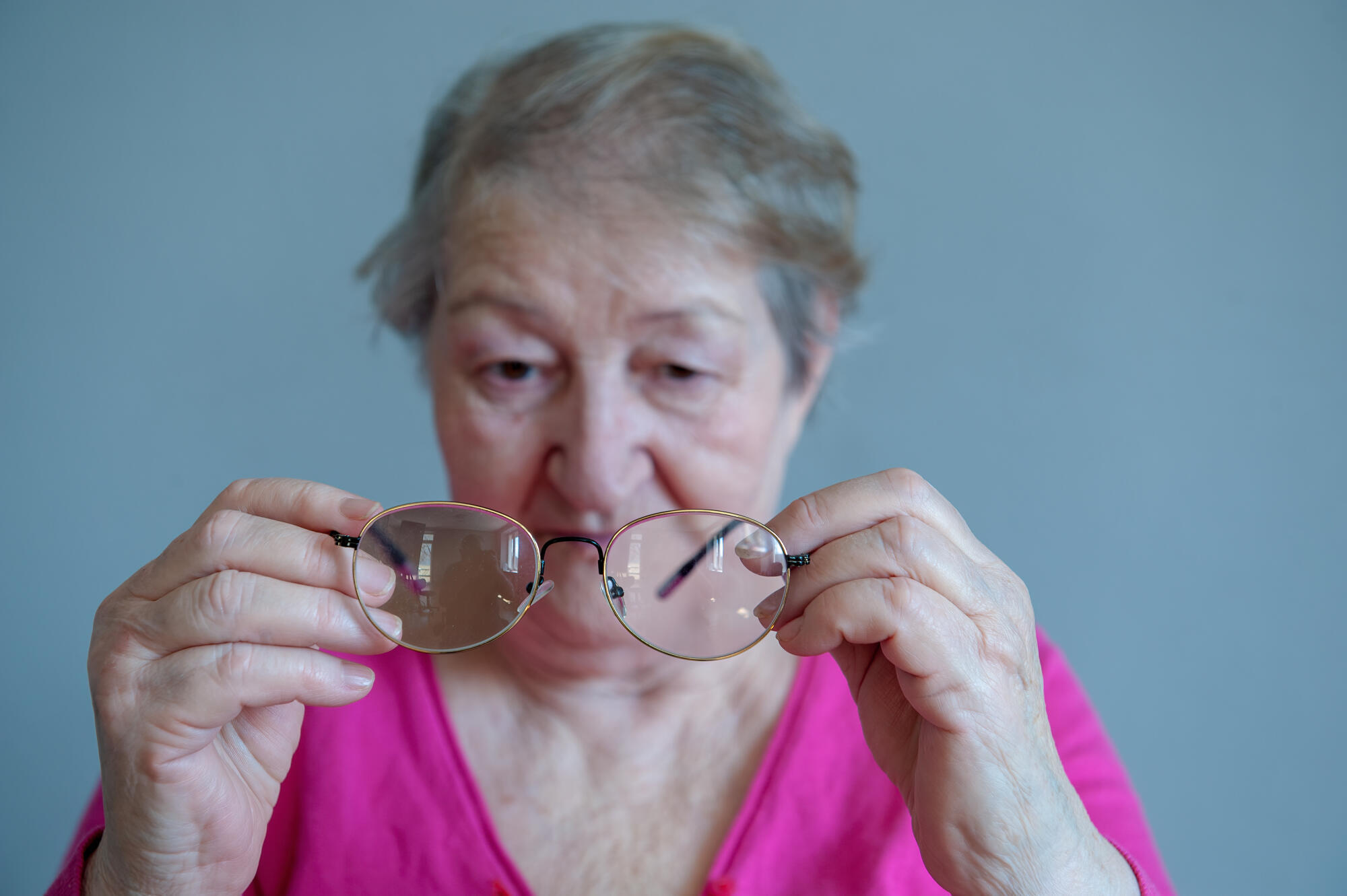
As we age, the brain naturally changes. These shifts can affect how quickly we recall names, learn new information, or multitask. But occasional forgetfulness doesn’t mean something is wrong.
Occasional Lapses, Not Daily Disruptions
Normal memory changes in aging include:
– Forgetting a person’s name shortly after meeting them
– Misplacing keys or glasses, but remembering where you last saw them
– Taking longer to recall a fact or word
– Forgetting an appointment, then recalling it later
These moments are usually temporary and don’t interfere with daily life. You can still manage finances, drive safely, and maintain relationships without significant problems.
Brain Changes Behind Normal Forgetfulness
The aging brain experiences:
– Slower processing speed
– Reduced ability to multitask
– Mild shrinkage in memory-related areas like the hippocampus
However, critical thinking, wisdom, and long-term memory often remain strong. The brain adapts by relying more on experience and established routines to function well.
Health Conditions That Mimic Memory Loss

Not all forgetfulness comes from aging. Several health problems can make memory issues seem worse than they really are.
Depression and Anxiety Impact Memory
Emotional health plays a major role in cognitive function. Depression and anxiety can:
– Reduce focus and concentration
– Make it harder to store and retrieve memories
– Cause mental fog or confusion
When mood improves with treatment, memory often follows. Many people report feeling sharper after starting therapy or medication for depression.
Physical Illness Affects Brain Function
When the body is unwell, the brain often pays the price. Common physical conditions that impair memory include:
– Infections such as urinary tract infections
– Pneumonia or other acute illnesses
– Chronic diseases like diabetes or heart disease
– Poor nutrition or dehydration
These issues can cause sudden confusion or memory lapses, sometimes mistaken for dementia. Treating the illness often restores mental clarity.
Mild Cognitive Impairment vs. Dementia

Some memory problems fall between normal aging and dementia. Mild Cognitive Impairment (MCI) is one such condition.
Mild Cognitive Impairment (MCI) Explained
MCI involves noticeable memory or thinking problems, but not severe enough to interfere with daily life. Signs include:
– Forgetting important events more often
– Losing the thread of conversations
– Taking longer to complete complex tasks
Unlike dementia, MCI doesn’t stop you from driving, managing bills, or living independently.
MCI: Not Always a Path to Dementia
Many people with MCI never develop dementia. In fact:
– Some stabilize or improve over time
– Lifestyle changes can reverse symptoms
– Regular monitoring helps track changes
A diagnosis of MCI is a signal to take brain health seriously, not a life sentence.
Functional Cognitive Disorder: A Reversible Condition
Functional Cognitive Disorder (FCD) is often mistaken for dementia, but it’s fundamentally different.
FCD vs. Dementia: Key Differences
FCD is not caused by brain cell loss. Instead, it’s linked to how the brain functions under stress. Characteristics include:
– Symptoms come and go
– Memory problems vary by situation
– No progressive brain damage
– Often improves with therapy and support
People with FCD may forget appointments one day but recall them perfectly the next. This inconsistency is a red flag for FCD, not dementia.
Treatment Can Restore Cognitive Function
FCD responds well to:
– Cognitive behavioral therapy
– Stress management techniques
– Gradual re-engagement in daily activities
Unlike progressive dementias, FCD can improve significantly with the right support.
Lifestyle Factors That Affect Memory
Daily habits play a huge role in brain health. Many causes of forgetfulness are within your control.
Stress Overloads the Brain
Chronic stress makes it harder to focus, think clearly, learn new information, and remember things later. When stress is managed, memory function often rebounds. Simple techniques like deep breathing, walking, or journaling can make a big difference.
Poor Sleep Disrupts Memory Consolidation
Sleep is when the brain processes and stores memories. Without enough rest, the mind struggles to integrate what you experienced during the day. Older adults need 7–8 hours of sleep per night for optimal cognitive function.
Alcohol Damages Brain Cells Over Time
Excessive drinking can lead to:
– Short-term blackouts
– Long-term brain damage known as alcohol-related brain damage (ARBD)
– Permanent memory loss
Even moderate drinking can affect sleep and cognition. Cutting back often leads to noticeable improvements in mental sharpness.
Medication Side Effects on Memory

Many common medications can cause confusion, drowsiness, or memory lapses, especially when combined.
Common Memory-Impairing Medications
Drugs that may affect memory include:
– Benzodiazepines
– Anticholinergics
– Sleep aids
– Certain painkillers
These medications can cause brain fog, making it hard to think clearly or remember recent events.
What to Do About Medication Effects
If you suspect a medication is affecting memory:
– Review the drug leaflet for cognitive side effects
– Talk to your GP or pharmacist
– Never stop a medication without medical advice
– Ask about alternatives with fewer cognitive risks
A medication review can often resolve memory issues.
Sensory and Attention Problems That Mimic Forgetfulness
Sometimes, memory problems aren’t about memory at all. They’re about how information gets into the brain.
Attention Deficits Look Like Memory Loss
If you can’t focus, you can’t remember. Being unable to concentrate means information never fully registers in your mind. What seems like forgetting is actually losing focus.
Hearing and Vision Loss Hinder Memory
Sensory deficits create information gaps:
– Hearing loss makes conversations hard to follow
– Poor vision affects reading and recognizing faces
– Missing information can’t be stored in memory
What looks like forgetfulness may actually be missed input. Treating hearing or vision problems often improves apparent memory.
Dementia: When Forgetfulness Is a Warning Sign
Dementia is not a normal part of aging. It’s a group of diseases that damage brain cells and disrupt daily life.
Early Signs of Dementia
Memory loss is often the first symptom, but it’s not the only one. Watch for:
– Repeating the same questions
– Getting lost in familiar places
– Struggling to find words
– Misplacing items in odd places
– Poor judgment
These signs go beyond occasional lapses and represent a decline in function.
Dementia Progresses Over Time
Unlike normal forgetfulness, dementia symptoms:
– Worsen steadily
– Interfere with independence
– Affect relationships and safety
– Require increasing support
Early diagnosis helps manage symptoms and plan for the future.
When to See a Doctor
Not every memory lapse needs medical attention, but some do.
Red Flags That Need Evaluation
Seek help if you or a loved one experiences:
– Memory problems that disrupt daily life
– Inability to manage medications or finances
– Getting lost in familiar places
– Personality or mood changes
– Family members expressing concern
These signs suggest something beyond normal aging.
Benefits of Early Diagnosis
Seeing a GP early can:
– Identify treatable causes like vitamin deficiency or thyroid issues
– Rule out infections or medication side effects
– Provide access to support services
– Allow time for future planning
– Improve quality of life with early interventions
Don’t wait. Early action makes a difference.
Key Differences: Normal Aging vs. Dementia

Understanding the contrast helps reduce fear and guide decisions.
Memory: Normal vs. Problematic
| Feature | Normal Aging | Dementia |
|---|---|---|
| Forgets names | Occasionally, recalls later | Frequently, never recalls |
| Misplaces items | Finds them nearby | Puts them in strange places |
| Daily function | Unaffected | Declines over time |
| Independence | Maintained | Lost gradually |
| Progression | Stable | Worsens |
Treatable vs. Progressive Causes
Reversible Causes:
– Depression
– Sleep disorders
– Medication side effects
– Vitamin B12 deficiency
– Thyroid problems
– Hearing or vision loss
Progressive Conditions:
– Alzheimer’s disease
– Vascular dementia
– Lewy body dementia
– Frontotemporal dementia
Action Steps for Better Brain Health
You can support memory and cognitive function at any age.
Lifestyle Changes That Work
- Exercise regularly: 30 minutes of walking most days boosts blood flow to the brain
- Eat brain-healthy foods: Focus on vegetables, whole grains, fish, and nuts
- Stay socially active: Conversations and activities stimulate the brain
- Challenge your mind: Puzzles, reading, learning new skills
- Manage chronic conditions: Control blood pressure, diabetes, and cholesterol
Preventive Habits to Start Now
- Get annual hearing and vision checks
- Review medications yearly with your doctor
- Prioritize 7–8 hours of quality sleep
- Limit alcohol consumption
- Practice stress-reduction techniques
Small changes add up to long-term protection.
Frequently Asked Questions About Elderly Forgetfulness
Is forgetting names a normal part of aging?
Yes, forgetting a name shortly after meeting someone is common with age. Normal forgetfulness involves occasional moments that don’t disrupt daily life. If you eventually recall the name or the information comes back later, it’s typically not a cause for concern.
Can depression cause memory loss in older adults?
Absolutely. Depression and anxiety can reduce focus, make it harder to store memories, and cause mental fog. When the underlying mood disorder is treated, memory function often improves significantly.
What is the difference between MCI and dementia?
Mild Cognitive Impairment involves noticeable memory problems that don’t interfere with daily independence. People with MCI can still drive, manage finances, and live on their own. Dementia, however, progressively disrupts daily functioning and independence.
When should an older adult see a doctor about memory problems?
You should see a GP when memory issues interfere with daily life, such as getting lost in familiar places, struggling with medications, or experiencing personality changes. Family members expressing concern is also a valid reason to seek evaluation.
Can medication cause forgetfulness in elderly people?
Yes, many medications can cause confusion, drowsiness, or memory lapses. Common offenders are benzodiazepines, anticholinergics, sleep aids, and some painkillers. A medication review with your doctor or pharmacist can identify and resolve these issues.
Is Functional Cognitive Disorder the same as dementia?
No. FCD is not caused by brain cell loss and doesn’t progressively worsen like dementia. Symptoms often fluctuate and can improve with therapy, stress management, and proper support.
Key Takeaways for Understanding Elderly Forgetfulness
Memory lapses in older adults are common but not inevitable. Some forgetfulness is a normal part of aging, while many other causes are treatable or reversible. The key is recognizing red flags like progressive decline, disrupted daily function, or sudden confusion.
Pay attention to patterns, act early when something seems off, and don’t hesitate to seek medical advice. Many causes of forgetfulness, including depression, sleep problems, medication side effects, and sensory deficits, respond well to treatment. By understanding the real reasons behind memory changes, you can take meaningful steps to protect brain health and maintain independence for years to come.