
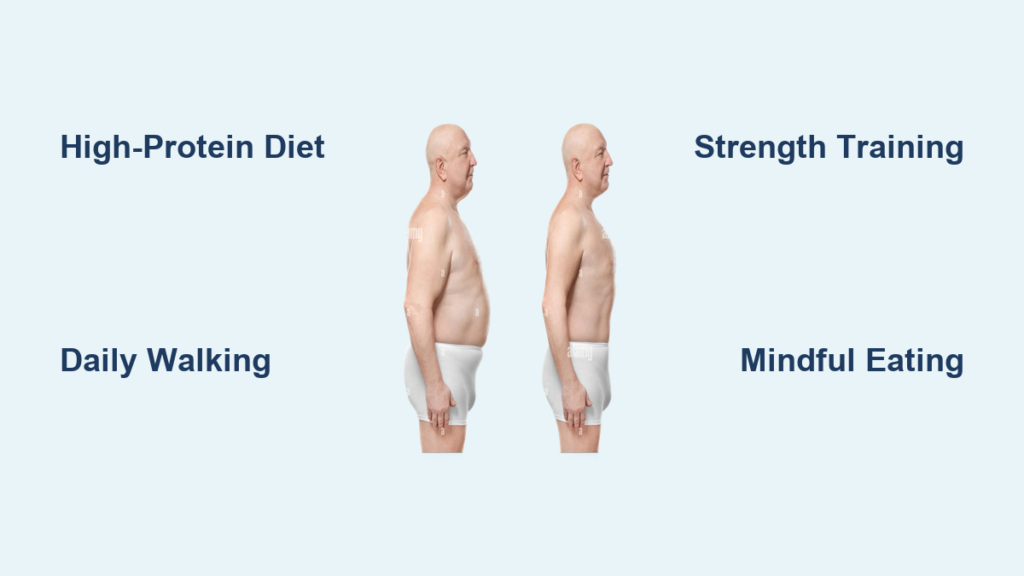
Losing weight becomes more challenging with age, but it is far from impossible. For seniors, shedding excess pounds is not about quick fixes or extreme diets. It is about making sustainable, health-focused changes that support mobility, energy, and longevity. How can seniors lose weight in a way that protects muscle mass, supports joint health, and improves overall well-being? The answer lies in a balanced approach combining smart nutrition, safe physical activity, and lifestyle adjustments tailored to aging bodies.
Many older adults struggle with slow metabolism, reduced physical activity, and medical conditions that complicate weight loss. Yet losing even 5 to 10 percent of body weight can significantly improve blood pressure, blood sugar control, and joint pain. The key is starting safely, especially if you have heart disease, diabetes, or arthritis. This guide provides practical, doctor-approved strategies to help seniors lose weight without sacrificing strength or vitality.
Healthy Eating for Senior Weight Loss
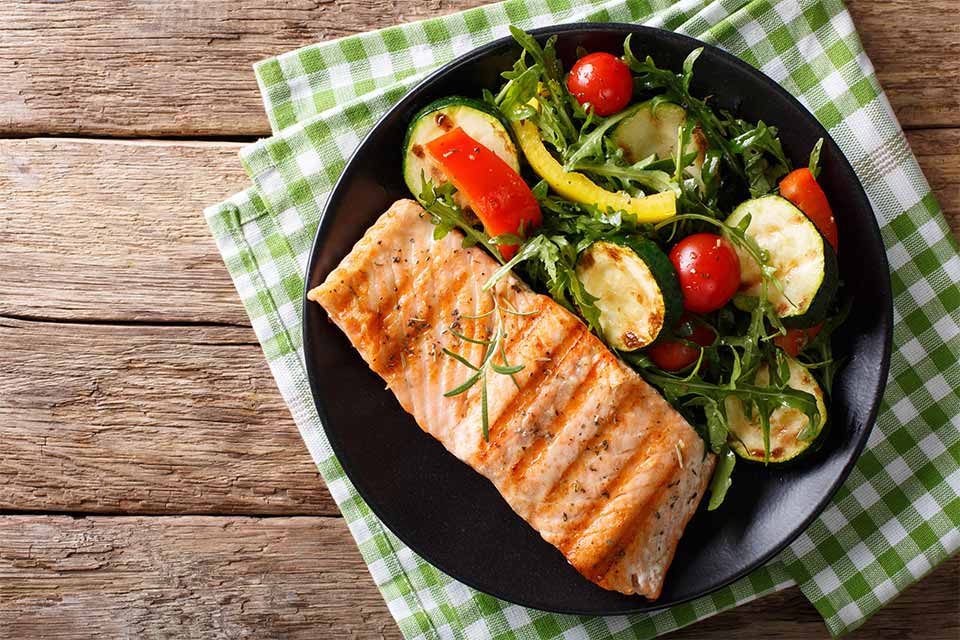
Good nutrition is the foundation of any weight loss plan, especially for seniors who need fewer calories but more nutrients. As metabolism slows, eating the same amount as in younger years leads to weight gain. The goal is to eat less volume but higher quality, focusing on nutrient-dense, fiber-rich foods that keep you full and energized.
Choose High-Protein, Low-Calorie Foods
Protein helps preserve muscle mass during weight loss, which is critical for seniors. Aim for 1.0 to 1.2 grams of protein per kilogram of body weight daily. Good sources include:
- Skinless chicken or turkey
- Fatty fish like salmon (rich in heart-healthy omega-3s)
- Eggs or egg whites
- Greek yogurt or cottage cheese
- Beans, lentils, and tofu
Include a source of protein at every meal to reduce hunger and maintain strength.
Fill Up on Fiber-Rich Vegetables
Non-starchy vegetables are low in calories but high in volume and fiber, helping you feel full longer. Focus on:
- Leafy greens such as spinach, kale, and arugula
- Cruciferous veggies including broccoli, cauliflower, and Brussels sprouts
- Colorful options like bell peppers, carrots, and tomatoes
Fill half your plate with vegetables at lunch and dinner to naturally reduce calorie intake.
Limit Sugars and Refined Carbs
Sugary drinks, white bread, pastries, and processed snacks spike blood sugar and contribute to fat storage. Replace them with:
- Water, herbal tea, or sparkling water
- Whole grains like oats, quinoa, and brown rice
- Fresh fruit instead of juice or desserts
Cutting out just one sugary drink per day can save over 150 calories and lead to a pound of weight loss per month.
Safe and Effective Exercise for Older Adults
Physical activity is essential for burning calories, preserving muscle, and improving balance and mood. The best weight loss plans for seniors combine strength training, cardio, and flexibility work, all adapted to individual ability levels.
Start with Daily Walking
Walking is one of the safest and most effective exercises for seniors. It improves heart health, burns calories, and requires no special equipment. Aim for:
- 20 to 30 minutes most days
- Brisk pace where you can talk but not sing
- Flat, even surfaces or a treadmill
Use walking poles if you need extra stability. Even short 10-minute walks add up and boost metabolism.
Build Strength Twice a Week
Muscle loss, known as sarcopenia, accelerates after age 50 and slows metabolism. Strength training reverses this trend. Use:
- Resistance bands
- Light dumbbells ranging from 1 to 5 pounds
- Bodyweight exercises like chair squats and wall push-ups
Perform 8 to 10 exercises, 1 to 2 sets of 10 to 15 reps, two days per week. Focus on major muscle groups including legs, back, chest, and arms.
Add Balance and Flexibility Work
Falls are a major risk for seniors, especially when losing weight and adjusting movement patterns. Prevent injury with:
- Tai chi or gentle yoga
- Heel-to-toe walks
- Standing on one foot while holding a chair for support
Do balance exercises 3 to 5 times per week for 5 to 10 minutes.
Manage Portion Sizes and Eating Habits
Even healthy foods can lead to weight gain if eaten in excess. Seniors often need only 1,200 to 1,800 calories per day, depending on activity level and gender. Learning to control portions is key.
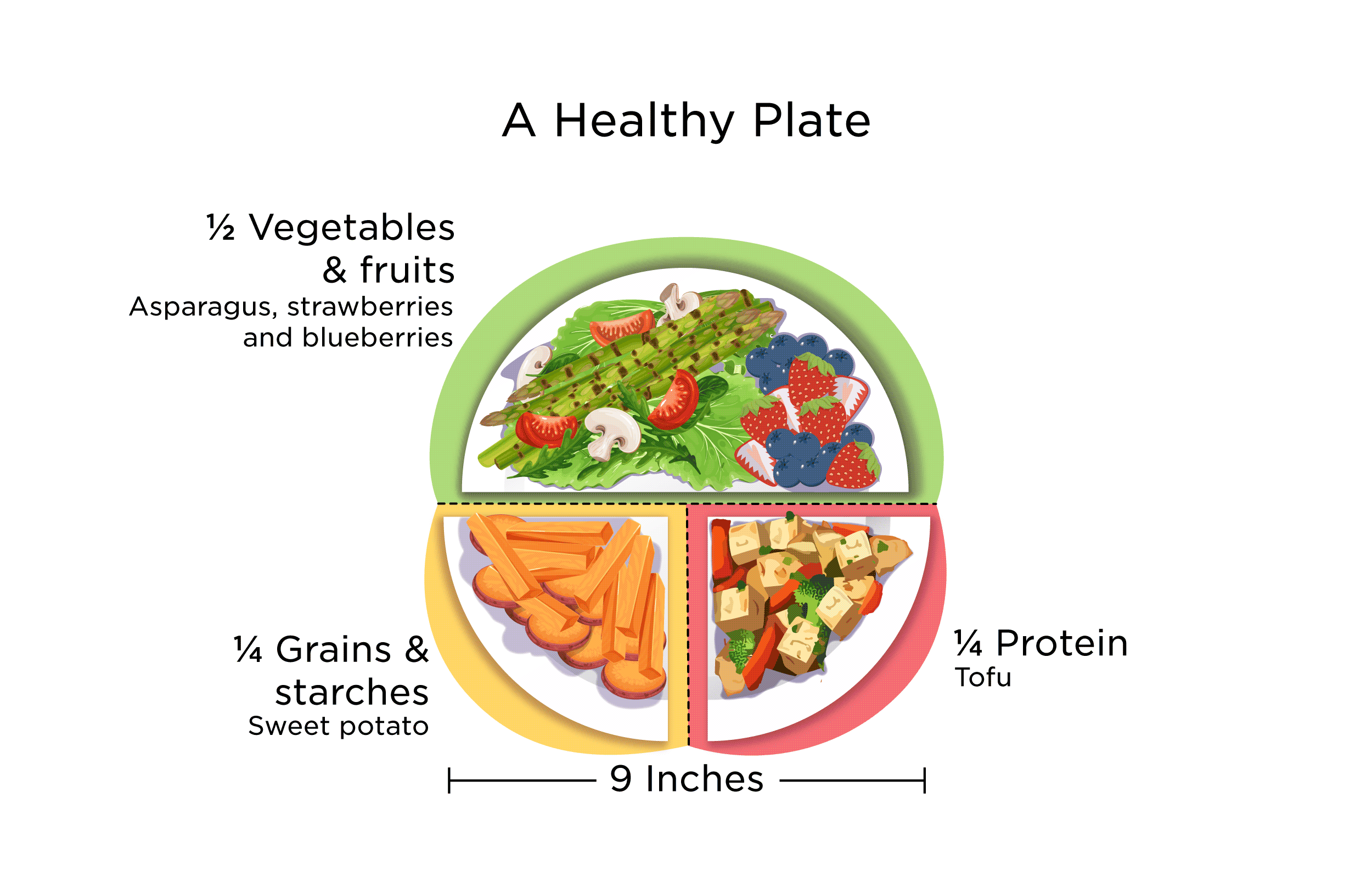
Use the Plate Method
A simple visual tool to balance meals:
- Half plate: non-starchy vegetables
- Quarter plate: lean protein
- Quarter plate: whole grains or starchy vegetables
- Add a small serving of healthy fat such as olive oil, avocado, or nuts
This method prevents overeating without counting calories.
Eat Slowly and Mindfully
It takes about 20 minutes for your brain to register fullness. To avoid overeating:
- Chew each bite thoroughly
- Put your fork down between bites
- Turn off the TV and focus on your meal
Mindful eating helps you recognize true hunger and stop when satisfied.
Avoid Late-Night Snacking
Eating late at night, especially high-calorie snacks, can sabotage weight loss. If you feel hungry after dinner:
- Drink herbal tea or water
- Choose a light option like a small apple or a few almonds
- Brush your teeth early to signal the end of eating
Address Common Weight Loss Challenges
Seniors face unique obstacles when trying to lose weight. Recognizing and planning for these issues improves long-term success.
Overcome a Slow Metabolism
Metabolism drops about 2 to 3 percent per decade after age 20. To counter this:
- Prioritize protein and strength training
- Stay active throughout the day with short walks and stretching
- Avoid very low-calorie diets below 1,200 calories without medical supervision
Extreme calorie restriction can lead to muscle loss and fatigue.
Manage Medications That Cause Weight Gain
Some medications for depression, diabetes, or high blood pressure can increase appetite or slow weight loss. If you are struggling:
- Talk to your doctor and do not stop medication on your own
- Ask if alternatives are available
- Focus on diet and exercise to offset effects
Never adjust medication without professional guidance.
Stay Motivated Without the Scale
Weight can fluctuate due to water retention, muscle gain, or medical conditions. Do not rely solely on the scale. Track progress with:
- How clothes fit
- Increased energy or mobility
- Improved blood pressure or blood sugar
- Walking farther or faster
Non-scale victories keep motivation strong.
Prevent Muscle Loss During Weight Loss

Losing weight often means losing some muscle, but seniors must minimize this to stay strong and independent. Rapid or unbalanced weight loss increases frailty risk.
Prioritize Protein Intake
Aim for 1.0 to 1.2 grams of protein per kilogram of body weight. Spread protein evenly across meals, about 20 to 30 grams per meal. For example:
- Breakfast: 2 eggs and 1 slice whole grain toast equals about 15 grams of protein
- Lunch: 3 oz chicken salad plus Greek yogurt equals about 25 grams
- Dinner: 4 oz salmon with quinoa equals about 30 grams
This distribution supports muscle maintenance better than loading protein at one meal.
Avoid Crash Diets
Diets under 1,200 calories or extreme fasting can cause rapid muscle loss and nutrient deficiencies. Seniors should aim to lose 1 to 2 pounds per week maximum. Slow, steady weight loss preserves muscle and is more sustainable.
Combine Diet with Strength Training
Exercise signals the body to hold onto muscle even in a calorie deficit. Without resistance training, up to 25 percent of weight lost can be muscle. With it, that drops to 5 to 10 percent.
Stay Hydrated and Support Overall Health
Dehydration is common in seniors and can mimic hunger, leading to overeating. Proper hydration supports metabolism, digestion, and energy.
Drink Water Throughout the Day
Many older adults lose the sensation of thirst. Make hydration a habit:
- Keep a water bottle nearby
- Drink a glass with each meal and medication
- Choose water over sugary or alcoholic drinks
Aim for 6 to 8 glasses daily, more if active or in hot weather.
Recognize Thirst vs. Hunger
Sometimes the body confuses dehydration with hunger. If you feel hungry between meals:
- Drink a glass of water first
- Wait 15 minutes
- Reassess because true hunger will persist
This simple step prevents unnecessary snacking.
Support Gut and Heart Health
A healthy digestive system improves nutrient absorption and reduces bloating. Support it with:
- Probiotic-rich foods like yogurt, kefir, and sauerkraut
- Prebiotic fibers including onions, garlic, and bananas
- Limited processed foods and added sugars
Heart-healthy choices such as omega-3s and whole grains also support long-term weight management.
Get Support and Medical Guidance
Weight loss is safer and more effective with professional support. Seniors should never start a new diet or exercise plan without consulting their doctor.
Talk to Your Doctor First
Before making changes:
- Review current health conditions
- Discuss medications
- Get clearance for physical activity
Your doctor may recommend blood tests or a referral to a dietitian.
Work with a Registered Dietitian
A dietitian can create a personalized meal plan that fits your health needs, preferences, and budget. Many accept Medicare for medical nutrition therapy.
Join a Senior-Friendly Program
Look for:
- SilverSneakers (free with many Medicare plans)
- YMCA or community center classes
- Online groups or walking clubs
Social support increases accountability and makes weight loss more enjoyable.
Frequently Asked Questions About Senior Weight Loss
What is a safe rate of weight loss for seniors?
A safe rate of weight loss for seniors is 1 to 2 pounds per week. This pace helps preserve muscle mass and prevents nutrient deficiencies. Faster weight loss often leads to muscle loss, fatigue, and rebound weight gain.
How much protein do seniors need during weight loss?
Seniors need 1.0 to 1.2 grams of protein per kilogram of body weight daily during weight loss. Spreading 20 to 30 grams across each meal supports muscle preservation and keeps hunger under control.
What are the best exercises for seniors who want to lose weight?
The best exercises combine walking, strength training, and balance work. Walking 20 to 30 minutes most days burns calories safely. Strength training twice a week with bands, light weights, or bodyweight exercises preserves muscle. Balance exercises like tai chi reduce fall risk.
Can seniors lose weight without losing muscle?
Yes, seniors can lose weight without losing muscle by eating enough protein and doing regular strength training. Without resistance exercise, up to 25 percent of weight lost can be muscle. With strength training, muscle loss drops to 5 to 10 percent.
Should seniors avoid certain diets when trying to lose weight?
Seniors should avoid crash diets, very low-calorie plans under 1,200 calories, and extreme fasting. These approaches cause rapid muscle loss, nutrient deficiencies, and fatigue. A balanced, nutrient-dense eating plan with moderate calorie reduction is safer and more sustainable.
Key Takeaways for Seniors Starting a Weight Loss Journey
Weight loss after 65 is not only possible, it is one of the best things you can do for your health. Focus on balanced nutrition with adequate protein, fiber-rich vegetables, and limited added sugars. Combine safe exercise including walking, strength training, and balance work to protect muscle and prevent falls. Stay hydrated, get medical guidance, and track progress beyond the scale.
Start by talking to your doctor at your next appointment and asking for a referral to a registered dietitian. Small, consistent changes today will build a stronger, healthier tomorrow.





