
For millions of families, helping a loved one age with dignity and their own home is both a priority and a challenge. Knowing how to care for seniors at home goes beyond basic assistance and involves thoughtful planning, access to the right services, and attention to physical, emotional, and social well-being. With the right support, older adults can safely remain in their homes longer, preserving their autonomy and quality of life.
This guide provides a clear, actionable roadmap for family caregivers and loved ones. From personal care and nutrition to emergency safety and respite support, we will walk through every critical aspect of senior home care. You will learn how to find trusted services, manage daily needs, prevent isolation, and protect your own well-being, all while ensuring your senior loved one thrives in familiar surroundings.
Support Daily Living Activities
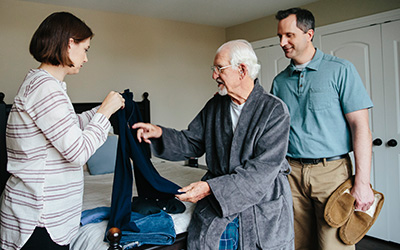
Seniors often need help with everyday tasks that become harder due to aging, illness, or mobility issues. Addressing these needs early ensures safety and independence.
Help with Personal Care Tasks
Activities of daily living, also called ADLs, include essential self-care routines. When a senior struggles with any of these, it is a clear sign they may need support:
- Bathing and showering
- Dressing and grooming
- Using the toilet and managing incontinence
- Eating meals independently
- Moving from bed to chair or walking short distances
A trained aide, family member, or companion caregiver can assist with these tasks. Never assume a senior will ask for help. Observe for signs like missed meals, unkept appearance, or difficulty standing.
Pro Tip: Start with small supports, like helping with socks or buttons, before moving to full assistance. This preserves dignity and encourages independence.
Manage Household Chores
Household maintenance keeps the home safe and livable. Common chores seniors may need help with:
- Vacuuming, dusting, and bathroom cleaning
- Doing laundry and changing bed linens
- Yard work, snow removal, and home repairs
- Grocery shopping and putting food away
Practical solutions:
- Hire local cleaning or handyman services
- Use grocery delivery apps
- Enlist neighbors or volunteers for yard work
- Sign up for dry-cleaning pickup services
Warning: Clutter, spoiled food, or unopened mail can signal declining ability to manage the home. Address these early.
Arrange Reliable Home Health Care

When medical needs arise, professional home health care brings expert support directly to the home.
When to Hire Home Health Aides
Consider home health services if your loved one:
- Recently left the hospital and needs recovery support
- Has a chronic condition like diabetes or heart disease
- Requires wound care, injections, or medication management
- Uses medical equipment such as oxygen or an insulin pump
These services are often temporary but vital for healing and stability. Providers may come for a few hours each day or stay around the clock depending on the level of care needed.
Find Certified Providers
To ensure quality:
- Ask your doctor for referrals
- Ask friends or neighbors for recommendations
- Use online tools to find and compare Medicare-certified home health agencies
- Always check references before hiring
- Check for complaints filed with state and local agencies that regulate health services
- Contact the Better Business Bureau in your area
Note: Medicare may cover skilled nursing or therapy at home if certain conditions are met. Ask your provider for details.
Prevent Loneliness with Companion Care

Social connection is as important as physical care. Isolation increases risks for depression, cognitive decline, and early mortality.
Benefits of Regular Companionship
Companion caregivers offer:
- Friendly conversation and emotional support
- Help with light housekeeping and meal prep
- Assistance running errands or attending appointments
- Encouragement to stay active and engaged
Even a few hours a week can make a meaningful difference in mood and mental sharpness.
Access Free or Low-Cost Visitor Programs
Many communities offer free volunteer-based visiting services. These include:
- Senior companion programs through local nonprofits
- Friendly visitor networks organized by religious groups
- Volunteer match services via Area Agencies on Aging
These volunteers typically visit for less than two hours weekly to chat, read, or go for walks.
Did You Know? Some long-term care insurance plans help pay for companion visits. Check your policy for details.
Ensure Proper Nutrition and Meal Support

Poor nutrition is a silent health risk for seniors living alone. Lack of appetite, mobility issues, or memory problems can lead to weight loss and weakness.
Use Meal Delivery Services
Meals on Wheels and similar programs deliver healthy meals to seniors at home on a daily or weekly basis.
Key features:
- Options for special diets including diabetic-friendly and low-sodium meals
- Delivered 5–7 days a week
- Drivers often do a brief wellness check, offering vital human interaction
Call 888-998-6325 or visit the Meals on Wheels America website to find local programs.
Try Subscription Meal Kits
For seniors who enjoy cooking but struggle with shopping:
- Silver Cuisine, Magic Kitchen, and similar services offer easy-to-prepare meals
- Delivered weekly with simple heating instructions
- Can be managed online by a family member
Tip: Combine delivery with a weekly family meal. Cook together over video or in person.
Encourage Social Eating
Eating alone every day harms mental health. Help your loved one:
- Join a senior center lunch program
- Attend a community potluck or faith-based meal
- Share dinner with family or neighbors regularly
- Suggest sharing cooking duties with a friend
Even one shared meal a week boosts well-being.
Set Up Emergency Safety Systems
Falls and medical emergencies are leading causes of hospitalization for seniors. Being prepared can save lives.
Install Medical Alert Devices
Wearable emergency alert systems let seniors call for help instantly:
- Neck pendants or wristbands with a button to press
- Fall monitors that auto-alert if a fall occurs
- GPS tracking devices for those prone to wandering
Most systems connect to 24/7 monitoring centers that dispatch emergency services.
Choose the Right System
Compare options based on:
- Home vs. mobile use
- Fall detection capability
- Battery life and charging needs
- Monthly cost
Critical Rule: The device only works if worn. Encourage daily use by choosing a comfortable, lightweight model.
Combine with Human Check-Ins
Technology does not replace human contact. Set up:
- Daily phone calls from family
- Neighbor wellness checks every few days
- Video chats to visually assess well-being
Red Flag: If a senior refuses to wear the device or answer calls, investigate underlying issues like depression or fear of losing independence.
Organize Transportation Solutions
Losing the ability to drive can isolate seniors. Reliable transportation keeps them connected to care and community.
Use Senior-Friendly Ride Services
Options include:
- Public transit with senior discounts or free passes
- Non-emergency medical transport (NEMT) for doctor visits
- Volunteer driver programs through senior centers or nonprofits
- Ride-share discounts with Uber Health and Lyft
Some adult day care centers also provide pickup and drop-off.
Plan Ahead for Appointments
Create a transportation calendar for:
- Doctor visits
- Pharmacy pickups
- Social events
- Grocery trips
Assign family members, hire help, or schedule rides in advance.
Pro Tip: Keep a list of local ride services in the senior’s phone and on the fridge.
Manage Finances and Legal Needs
Cognitive changes can make bill paying and financial decisions difficult. Early planning prevents crisis.
Help with Bill Payment
Options include:
- Setting up automatic payments for rent, utilities, and insurance
- Using online banking through the websites of service providers or their bank
- Hiring a financial counselor through your local Area Agency on Aging
A trusted relative or trained volunteer can also lend a hand. Never hand over full account control without safeguards.
Establish Power of Attorney
A power of attorney allows a trusted person to manage finances legally.
What a POA can do:
- Pay bills from the older person’s bank account
- Deal with creditors
- Find out about Social Security or Medicare benefits
- File insurance claims
Have an attorney draft the document while the senior is still mentally capable.
Warning: POA does not allow medical decisions. Use an advance directive for that.
Access Professional Care Coordination
When care needs grow complex, a professional can help organize everything.
Hire a Geriatric Care Manager
Also called an aging life care expert, this professional is usually a licensed nurse or social worker who specializes in geriatrics. They:
- Assess the older adult’s health and living situation
- Develop a personalized care plan
- Coordinate and monitor services
- Help with transitions between care settings
- Act as a liaison between family, doctors, and agencies
Ideal for families who live far away or feel overwhelmed.
Find a Qualified Manager
Contact:
- Aging Life Care Association at 520-881-8008 or online
- Your doctor or hospital discharge planner for referrals
Questions to Ask Before Hiring:
– Are you a licensed geriatric care manager?
– How long have you been providing care management services?
– Are you available for emergencies around the clock?
– What are your fees, and can you provide them in writing?
Take Care of the Caregiver

Family caregivers are at high risk for burnout. Supporting yourself is not selfish; it is essential.
Use Respite Care Services
Respite care gives you a break while ensuring your loved one is safe. Options include:
- In-home aides for a few hours a week
- Adult day care centers offering 6–8 hours with meals and activities
- Short-term facility stays lasting a few days to weeks
Call the ARCH National Respite Locator at 703-256-2084 to find programs nearby.
Join a Caregiver Support Group
Talking with others who understand reduces stress and isolation.
Where to find groups:
- Local hospitals and senior centers
- Alzheimer’s Association or AARP chapters
- Online forums for caregivers
Expert Note: Counseling from a mental health professional is often covered by insurance. Ask your provider for in-network therapists.
Prioritize Your Health
You cannot pour from an empty cup. Make time for:
- Regular doctor visits
- Exercise and healthy eating
- Social time with friends
- Mental health support when needed
Connect with Local and National Resources
You do not have to navigate this alone. Free help is available.
Use the Eldercare Locator
Call 800-677-1116 or visit the Eldercare Locator online to find:
- In-home care services
- Meal programs
- Transportation
- Financial assistance
- Legal aid
This free service connects you with your local Area Agency on Aging (AAA).
Key Organizations at a Glance
| Service | Contact |
|---|---|
| Eldercare Locator | 800-677-1116 |
| Meals on Wheels | 888-998-6325 |
| Medicare Help | 800-633-4227 |
| Medicaid Info | 877-267-2323 |
| Adult Day Care | 877-745-1440 |
| Respite Care | 703-256-2084 |
| Geriatric Care Managers | 520-881-8008 |
| Financial Help | 855-411-2372 |
Frequently Asked Questions About Caring for Seniors at Home
What Are the First Steps to Take When a Senior Needs Care at Home?
Start by assessing your loved one’s daily needs, including personal care, meals, and safety. Contact the Eldercare Locator at 800-677-1116 to connect with local resources and Area Agencies on Aging. Build a support team gradually rather than trying to do everything alone.
Does Medicare Cover Home Health Care for Seniors?
Medicare may cover skilled nursing or therapy at home if certain conditions are met, such as a recent hospital discharge or a chronic condition requiring medical care. However, Medicare generally does not cover companion or homemaker services. Check with your provider for specific eligibility requirements.
How Can I Help a Senior Who Lives Alone Stay Safe?
Combine technology with human contact. Install a medical alert device with fall detection and set up regular check-ins through daily phone calls or visits from neighbors. Keep the home free of clutter and tripping hazards, and ensure emergency numbers are easily accessible.
What Is Respite Care and How Can Caregivers Access It?
Respite care provides short-term care for an older adult at home, in a facility, or at an adult day care center, giving caregivers a break. It may last a few hours or several weeks. Find local programs through the ARCH National Respite Locator at 703-256-2084.
How Can I Prevent My Senior Loved One from Feeling Isolated?
Encourage social eating at senior centers, set up regular video or phone calls with family, and consider companion care services. Even short interactions a few times a week can significantly improve mood and cognitive function.
When Should a Family Consider Hiring a Geriatric Care Manager?
Consider a geriatric care manager when care needs become complex, when family lives far away, or when caregivers feel overwhelmed. These professionals create personalized care plans, coordinate services, and provide ongoing support. Contact the Aging Life Care Association at 520-881-8008 for referrals.
Key Takeaways for Caring for Seniors at Home
Caring for seniors at home is a journey that requires patience, planning, and support. Address daily living needs early to preserve independence and safety. Use professional services such as home health aides and geriatric care managers when medical or complex needs arise. Remember that your own well-being as a caregiver directly impacts the quality of care you provide.
Start small by focusing on one or two areas at a time, such as setting up meal delivery or scheduling a check-in routine. Reach out to your local Area Agency on Aging through the Eldercare Locator for free guidance. With the right resources and support team, aging at home can be a dignified, loving, and fulfilling experience for everyone involved.