
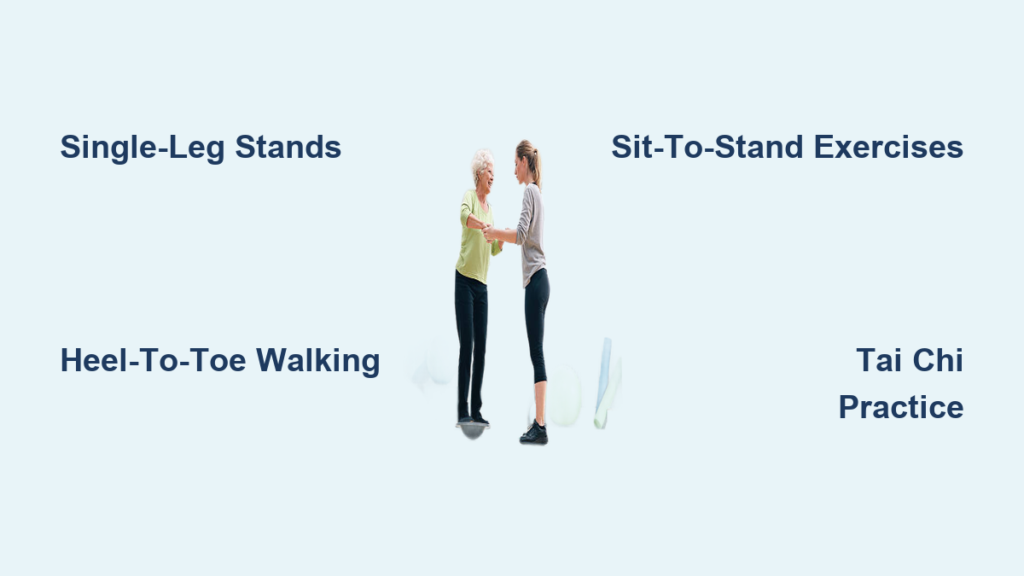
Falls are a leading cause of injury among older adults, with the CDC reporting that one in four seniors falls each year. Balance naturally declines with age due to changes in muscle strength, joint flexibility, vision, and inner ear function. The encouraging truth is that balance can be improved at any age with the right approach. How can seniors improve balance effectively? Through targeted exercises, strength training, home modifications, and lifestyle adjustments, older adults can build stability and maintain independence.
You don’t need a gym membership or fancy equipment to make real progress. Simple daily movements like standing on one foot while waiting for coffee or walking heel-to-toe down a hallway can produce meaningful results over time. This guide covers proven, research-backed strategies to help seniors improve balance, from beginner exercises to professional support options. Whether you’re starting fresh or building on an existing routine, you’ll find actionable steps tailored to your needs.
Balance-Boosting Exercises Seniors Can Do at Home
Regular, structured movement is the foundation of better balance. These exercises challenge stability in controlled ways, training the brain and body to work together. Aim for 3 to 5 sessions per week for noticeable improvement.
Single-Leg Stands for Ankle Stability
This foundational exercise strengthens the small muscles that keep you steady on your feet.
- Stand behind a sturdy chair or counter, feet hip-width apart.
- Lift one foot slightly off the ground, bending that knee.
- Hold for 10 to 30 seconds, then switch legs.
- Repeat 2 to 4 times per leg.
As you improve, try reducing hand support. For an extra challenge, practice with your eyes open first, then attempt with eyes closed only when standing near support.
Heel-to-Toe Walking for Coordination
This tandem walking exercise improves gait stability and mimics real-world balance demands.
- Position the heel of one foot directly in front of the toes of your other foot.
- Take 10 to 20 slow, controlled steps in a straight line.
- Use a wall or counter for light support if needed.
Perform 2 to 3 rounds per session. This drill is especially helpful for those who feel unsteady when walking or turning.
Sit-to-Stand Repetitions for Functional Strength
Building lower-body power makes daily activities like getting out of a chair safer and easier.
- Sit in a firm chair with feet flat on the floor, arms crossed over your chest.
- Stand up without using your hands, then slowly lower back down.
- Complete 10 to 15 repetitions.
Start with a higher, cushioned chair if needed. As strength builds, progress to lower chairs for greater challenge.
Strength Training Exercises That Improve Balance

Weak leg and core muscles are major contributors to instability. Targeted strength work corrects these weaknesses and supports better posture and movement control.
Leg Exercises for Standing and Walking
Strong quadriceps, hamstrings, and calves are essential for safe mobility.
- Calf raises: Stand behind a chair, rise onto your toes, pause, then lower slowly. Do 10 to 15 reps.
- Seated leg extensions: Sit tall and slowly straighten one leg, hold for 3 seconds, then lower. Repeat 10 times per leg.
- Side leg lifts: Hold a chair and lift one leg out to the side without leaning. Do 10 to 15 reps per side.
Aim for 2 to 3 sets of each exercise, 2 to 3 times per week. Rest at least one day between sessions for muscle recovery.
Core Exercises for Central Stability
Your core acts as the body’s stabilizing center, connecting upper and lower body movements.
- Seated marches: Sit tall and lift one knee at a time, alternating sides, for 20 total lifts.
- Pelvic tilts: Lie on your back with knees bent. Flatten your lower back against the floor by tilting your pelvis. Hold for 5 seconds, repeat 10 to 15 times.
- Standing abdominal holds: Pull your belly button toward your spine and hold for 5 seconds. Repeat 10 times.
These can be performed daily with no equipment required.
Tai Chi and Yoga for Balance Improvement
Mind-body practices like tai chi and yoga are among the most effective ways to improve balance, flexibility, and movement confidence in seniors.
Tai Chi for Fall Prevention
Tai chi involves slow, flowing movements that shift weight smoothly and build body awareness.
- Research has shown tai chi can reduce fall risk by up to 50% in older adults.
- Look for senior-friendly classes at community centers, senior centers, or local YMCAs.
- Even 10 to 15 minutes of daily practice can produce measurable benefits.
Many online tai chi programs cater specifically to older beginners, making it easy to start at home.
Chair Yoga for Safe Flexibility
Chair yoga adapts traditional poses to a seated or supported position, making it accessible for those with limited mobility.
- Improves flexibility, posture, and joint range of motion.
- Reduces fear of falling by building confidence in movement.
- Includes breathing exercises that promote relaxation.
Free chair yoga videos are widely available online. Search for “chair yoga for seniors” to find beginner-friendly routines.
Home Safety Modifications to Prevent Falls
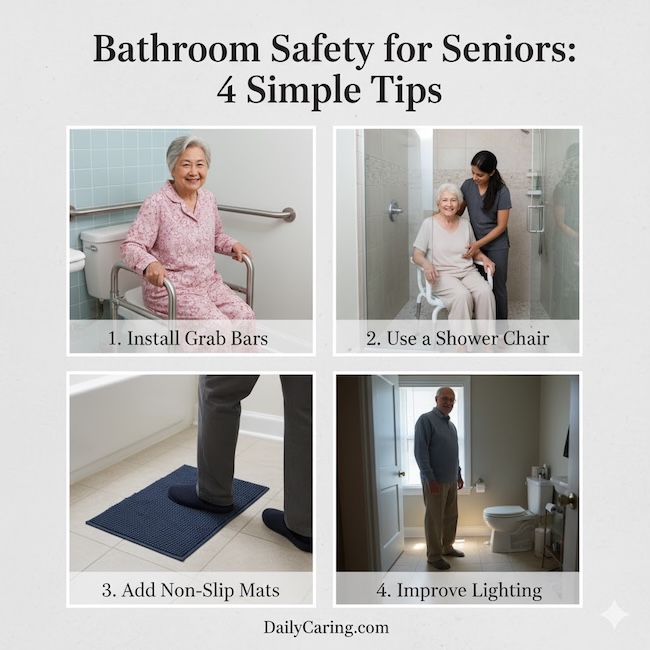
Even with strong balance skills, a hazardous environment increases injury risk. Most falls occur at home, making modifications essential.
Remove Common Trip Hazards
Clutter and loose items are leading causes of household falls.
- Secure area rugs with non-slip pads or remove them entirely.
- Keep walkways clear of shoes, boxes, cords, and pet toys.
- Route electrical cords along walls or tape them down securely.
Spend one afternoon walking through your home to spot and address hidden dangers.
Install Support in High-Risk Areas
Bathrooms and stairways pose the greatest fall risks for seniors.
- Install grab bars near toilets and inside showers or tubs.
- Ensure handrails run along both sides of staircases.
- Place non-slip mats in bathtubs, showers, and kitchens.
Important: Towel bars are not designed to support body weight. Always install proper grab bars anchored securely into wall studs.
Improve Lighting Throughout the Home
Poor visibility increases the chance of missteps and accidents.
- Add nightlights in bedrooms, hallways, and bathrooms.
- Install motion-sensor lights for automatic illumination.
- Replace dim bulbs with bright, energy-efficient LEDs.
Consider adding contrasting tape to stair edges to make steps more visible in low light.
Address Medications and Health Factors
Certain health conditions and medications can undermine balance without obvious warning signs.
Review Medications With Your Doctor
Some prescriptions cause dizziness, drowsiness, or lightheadedness as side effects.
- Ask your doctor or pharmacist to review all medications, including over-the-counter drugs and supplements.
- Report any new feelings of unsteadiness, dizziness, or fatigue.
- Never stop or adjust medications without medical guidance.
Common culprits include sedatives, blood pressure medications, and certain antidepressants.
Monitor Vision and Hearing Health
Sensory decline directly affects balance and spatial awareness.
- Schedule annual eye exams and keep glasses prescriptions current.
- Clean eyeglass lenses regularly and use adequate lighting when reading.
- Address hearing loss promptly, as it’s linked to higher fall risk.
If you wear bifocals or progressive lenses, use caution on stairs since these lenses can distort depth perception.
Use Assistive Devices for Added Safety
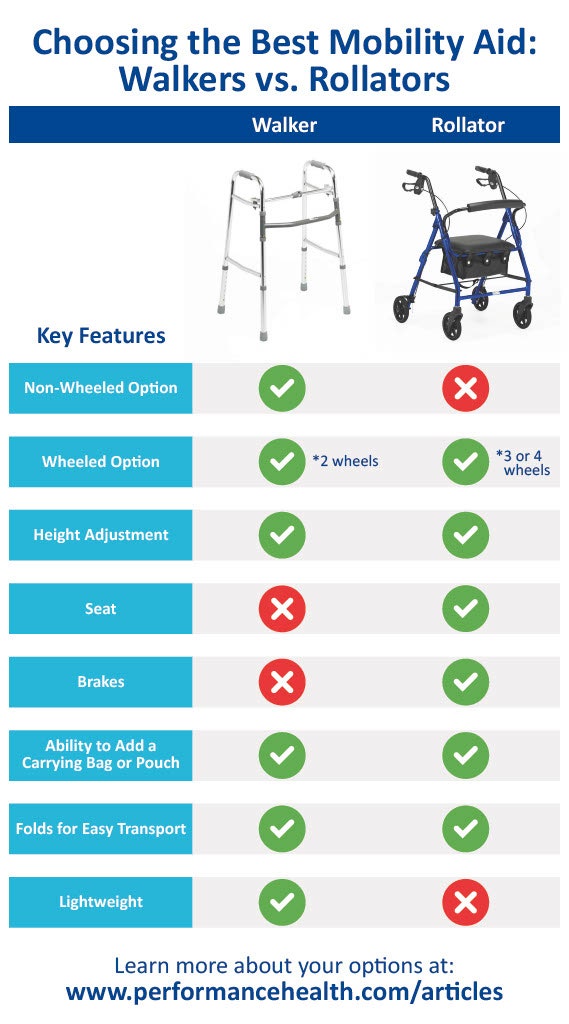
Using a cane or walker is a smart safety strategy, not a sign of weakness. The right device can prevent falls and increase confidence.
Selecting the Right Walking Aid
Different devices serve different needs.
- Canes: Best for mild balance issues or weakness on one side of the body.
- Walkers: Provide more support for those with significant instability.
- Rollators: Wheeled walkers that also offer a built-in seat for resting.
Ensure proper fit by checking that elbows bend slightly when gripping the device. A physical therapist can help with fitting and training.
Using Devices Safely and Correctly
Proper technique maximizes the benefit of any walking aid.
- Move the cane or walker in rhythm with your steps, typically opposite to the weaker leg.
- Avoid leaning heavily on the device or dragging it.
- Inspect rubber tips regularly for wear and replace them when worn down.
Using an aid correctly reduces joint strain and improves walking confidence.
Track Progress and Build Consistency
Improvement happens gradually, but tracking progress keeps motivation strong and results visible.
Set Achievable Milestones
Start with small, realistic goals you can build on.
- Hold a single-leg stand for 15 seconds without support.
- Walk heel-to-toe for 10 consecutive steps.
- Complete a full week of daily balance exercises.
Celebrate each accomplishment to reinforce the habit.
Keep a Simple Balance Journal
Recording your efforts builds awareness and accountability.
- Note specific wins, like “Held single-leg stand 25 seconds today.”
- Track weekly frequency: aim for at least 3 balance sessions per week.
- Record everyday improvements, like steadier steps on stairs.
Review your journal monthly to see how far you’ve come.
When to Seek Professional Help
If balance issues persist or worsen, professional support can make a significant difference.
Consult a Physical Therapist
A physical therapist offers personalized assessment and training.
- Identifies your specific balance weaknesses.
- Designs a customized exercise program for your needs.
- Teaches safe movement techniques for daily activities.
Many insurance plans, including Medicare, cover physical therapy for fall prevention when prescribed by a doctor.
Request a Fall Risk Assessment
Your doctor can perform a formal evaluation.
- Tests like the Timed Up and Go assess mobility and stability.
- Strength checks identify muscle weaknesses contributing to falls.
- Medication reviews reveal drugs that may affect balance.
Early intervention prevents minor balance issues from becoming serious injuries.
Frequently Asked Questions About Balance Improvement for Seniors
How often should seniors practice balance exercises?
Aim for at least 3 to 5 balance-focused sessions per week. Short daily practice (10 to 15 minutes) often works better than longer, less frequent sessions. Consistency matters more than duration for building lasting stability.
What is the single best exercise for senior balance?
The sit-to-stand exercise is widely recommended because it builds functional leg strength needed for everyday movements. Tai chi is also considered one of the most effective overall practices, with research showing it can cut fall risk nearly in half.
Can balance really be improved after age 70 or 80?
Yes, balance can be improved at virtually any age. Studies show that even frail seniors in their 90s gain strength and stability through targeted training. The key is starting at an appropriate level and progressing gradually.
How long does it take to see improvement?
Most people notice small improvements within 4 to 6 weeks of consistent practice. More significant changes in strength, confidence, and stability typically develop over 2 to 3 months of regular exercise.
Are there balance exercises seniors should avoid?
Seniors should generally avoid exercises that involve high impact, rapid direction changes, or unstable surfaces without supervision. Movements that cause pain, sharp dizziness, or joint strain should be stopped immediately. Always consult a doctor before starting a new program.
When should a senior see a doctor about balance problems?
See a doctor if you experience frequent unsteadiness, have fallen recently, feel dizzy when standing up, or notice sudden changes in coordination. These symptoms can signal underlying issues that benefit from medical evaluation.
Key Takeaways for Improving Balance as a Senior
Improving balance is one of the most powerful steps seniors can take to protect their independence and quality of life. The most effective approach combines several strategies: performing balance exercises like single-leg stands and heel-to-toe walking 3 to 5 times weekly, building leg and core strength through targeted resistance movements, and exploring mind-body practices like tai chi or chair yoga. Equally important are home safety modifications, including removing trip hazards, installing grab bars, and improving lighting throughout the house.
Your next step is simple: choose one exercise from this guide and try it today. Even 5 minutes of practice builds the foundation for steadier steps tomorrow. If you’re unsure where to start or have existing health concerns, schedule a checkup to discuss your balance goals with your doctor.





