
A single misstep on a stair or a sudden dizzy spell can turn an ordinary day into a hospital visit. For millions of older adults, balance problems quietly reshape daily life, limiting confidence, independence, and activity. Yet most people assume unsteadiness is just a normal part of getting older. It is not. Balance loss has specific, identifiable causes, and many of them respond well to targeted action.
In this guide, you’ll discover the six main reasons elderly lose balance, the symptoms to watch for, and proven strategies to restore steadiness, starting today.
Muscle Loss and Slower Reactions
Muscles are your body’s first defense against a fall. When you trip or slip, your legs and core must react in milliseconds to keep you upright. Unfortunately, muscle mass naturally decreases over the years, a process known as sarcopenia. This decline begins as early as age 30 and speeds up after 60.
Weakened muscles mean weaker responses. Nerve signals travel more slowly, force production drops, and daily inactivity accelerates the cycle of weakness. A simple stumble over a rug that a 30-year-old could recover from may become an unavoidable fall for someone with significant sarcopenia.
Strengthen Muscles to Prevent Falls
- Resistance train 2–3 times weekly with squats, lunges, step-ups, and chair stands
- Eat 1.0–1.2 grams of protein per kilogram of body weight daily, spread across meals
- Move more often throughout the day by standing hourly or walking after meals
- Add speed drills like quick steps or stair climbing to sharpen reaction time
Pro Tip: Begin with bodyweight exercises and progress slowly. Even five minutes a day builds meaningful strength over time.
Inner Ear Decline Affects Stability
The vestibular system inside your inner ear acts like a gyroscope. It detects head motion and keeps your vision steady while you move. With age, the tiny hair cells in this system degenerate, and the nerve signals traveling to the brain weaken.
The result is a wobbly, off-center sensation, especially when turning the head, walking in crowds, or moving between light and dark spaces.
Recognize Vestibular Decline
- Feeling unsteady when walking
- Dizziness when turning the head quickly
- Trouble focusing on objects while in motion
Retrain the Inner Ear System
Gaze stabilization exercises are highly effective:
- Fix your eyes on a small target, like a letter on a card at arm’s length
- Slowly turn your head side to side, about 20 degrees each way, while keeping focus locked on the target
- Perform 10–20 repetitions, three sets daily
- Start seated, then progress to standing once you feel steady
Mild dizziness during these drills is normal. Stop and rest if symptoms persist beyond 10–15 minutes.
Poor Joint Feedback Impairs Posture

Proprioception is your body’s built-in GPS. Receptors in your ankles, knees, hips, and spine constantly tell your brain where your limbs are in space. With age, these signals slow and weaken, making it harder to adjust your stance automatically.
Imagine stepping off a curb and misjudging the depth. A younger person corrects instantly. An older adult with poor proprioception may stumble because the brain didn’t receive accurate joint feedback quickly enough.
Sharpen Proprioception with Simple Drills
- Tapping exercise: Stand near a paper towel roll or small box while holding a counter. Alternately tap the object with each foot without knocking it over.
- Step-in/step-out training: Practice controlled stepping into and out of a low, sturdy box, focusing on placement.
- Foam pad balance: Stand on a foam pad or pillow while holding a countertop. This challenges ankle stability and joint feedback.
Safety Rule: Always use support. Never attempt balance exercises alone if you have a history of falls.
Vision Problems Increase Fall Risk
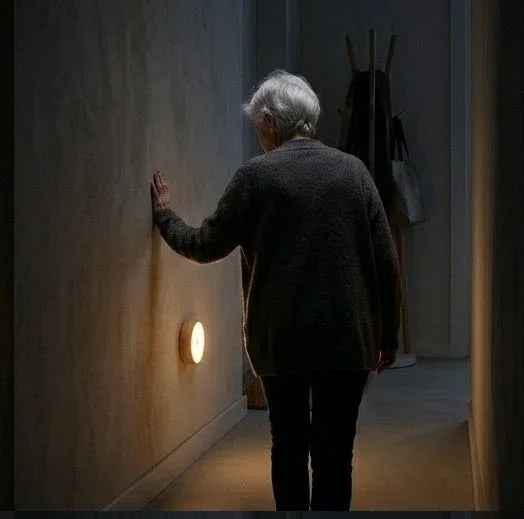
Your eyes deliver up to 90 percent of the information your brain uses for balance. They detect obstacles, judge distances, and orient your body in space. Age-related eye conditions can quietly erode this critical advantage.
Common Vision Issues in Older Adults
- Cataracts causing clouded vision in low light
- Glaucoma narrowing peripheral vision
- Macular degeneration blurring central vision
- Dry eyes making focusing uncomfortable
Even small changes in lighting, glare, or clutter can become serious hazards when vision is compromised.
Protect and Strengthen Visual Balance
- Wear glasses consistently and keep prescriptions updated
- Install motion-sensor night lights and bright hallway lighting
- Practice eyes-closed balance safely by closing your eyes for 10–20 seconds while holding a counter, forcing the brain to lean on other senses
Why It Works: Training without vision teaches your brain to rely on proprioception and inner ear cues, building resilience for moments when vision is impaired.
Hearing Loss Disrupts Spatial Awareness
Hearing does far more than support conversation. Sound helps you detect movement, judge distances, and stay oriented, especially in low-light or busy spaces. Studies show that people with hearing loss are significantly more likely to fall than those with normal hearing.
How Hearing Affects Balance
- Trouble localizing where sounds come from
- Reduced awareness of approaching people or vehicles
- Difficulty navigating dark or unfamiliar spaces
Boost Stability Through Better Hearing
- Wear hearing aids as recommended, since research shows they may improve balance
- Protect your ears with earplugs during loud activities like mowing or concerts
- Use sound cues like voices or appliances to help orient yourself while walking
Brain Changes Slow Coordination
The brain is the command center that integrates every balance signal, then sends split-second commands to your muscles. Aging affects this process through reduced blood flow, loss of white matter, and conditions like Parkinson’s or Alzheimer’s disease. Past head injuries from previous falls add further risk.
These changes slow processing, reduce coordination, and impair judgment, leading to missteps, delayed reactions, and poor force control.
Support Brain Health for Better Balance
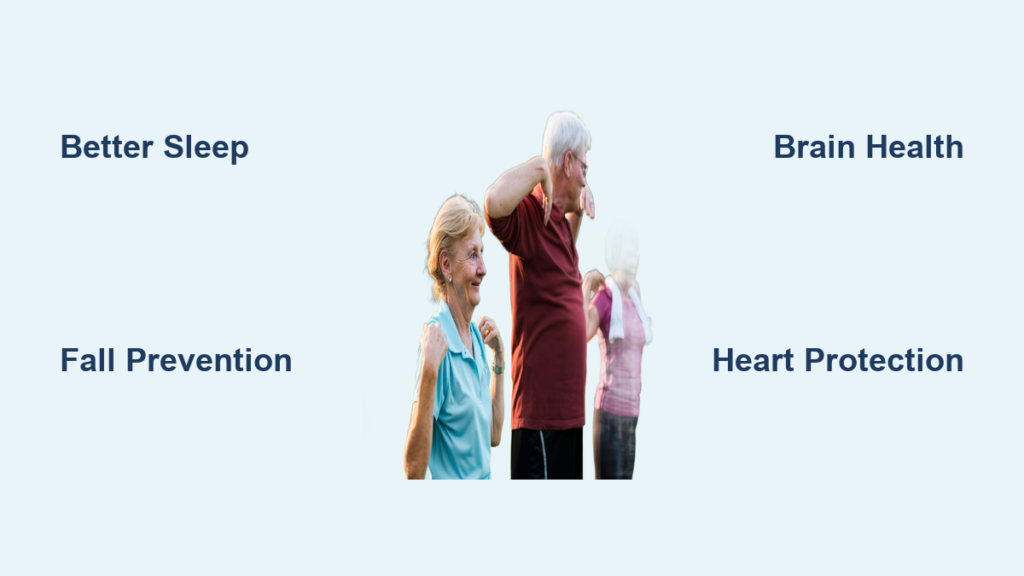
- Exercise daily to boost blood flow and neuroplasticity
- Eat brain-healthy foods like fatty fish, berries, leafy greens, nuts, and avocados
- Avoid alcohol and tobacco, which damage brain cells and circulation
- Sleep 7–9 hours nightly for memory, repair, and recovery
- Stay mentally and socially active through puzzles, reading, and conversation
Fact: Physically and mentally active adults enjoy better balance and lower fall risk, even into their 80s and 90s.
Medications and Medical Conditions That Worsen Balance
Common Medication Triggers
Many prescriptions and over-the-counter drugs affect balance, including:
- Blood pressure medications that cause dizziness when standing
- Sedatives and sleep aids
- Antidepressants and anti-anxiety drugs
- Older antihistamines like diphenhydramine
Review every medication with your doctor or pharmacist. Ask directly whether any could affect balance or cause dizziness, but never stop a prescribed drug without medical guidance.
Medical Conditions Linked to Imbalance
- Low blood pressure causing dizziness upon standing
- High blood pressure damaging vessels in the brain and inner ear
- Diabetes leading to nerve damage and reduced foot sensation
- Parkinson’s disease affecting gait and reaction time
- History of stroke or TIA impairing motor control
Managing these conditions often improves balance significantly.
Recognize the Warning Signs Early
Balance problems rarely appear overnight. Watch for:
- Dizziness or a spinning sensation
- Unsteadiness when standing or walking
- Nausea triggered by movement
- Fear of falling that causes activity avoidance
Quick Self-Check: Do I feel wobbly on my feet? Do I grip walls or furniture to move around? Have I fallen in the past year? Do I avoid walking or going out? A “yes” means it’s time to talk to a doctor.
When to Seek Medical Evaluation
If dizziness or imbalance is interfering with daily life, early evaluation can uncover treatable causes. Depending on your needs, your doctor may refer you to:
- A primary care physician for medication and blood pressure review
- An otolaryngologist (ENT) for inner ear disorders
- A physical therapist for a personalized balance and strength program
Trusted resources include the National Institute on Deafness and Other Communication Disorders (NIDCD) at nidcd.nih.gov.
Effective Treatments That Restore Stability

Vestibular Rehabilitation Therapy
A physical therapist can design vestibular rehabilitation therapy, a customized exercise program that retrains the brain to use remaining sensory inputs more effectively. Many people see noticeable improvement within 6–8 weeks.
Home Safety Upgrades
Most falls happen at home, but small changes dramatically reduce risk:
- Install handrails on stairs and in bathrooms
- Add non-slip mats in showers and near sinks
- Use motion-sensor night lights
- Remove rugs, cords, and clutter from floors
- Choose low-heeled, rubber-soled footwear over socks or smooth slippers
Use a cane or walker if recommended. Mobility aids increase independence rather than limit it.
Build a 5-Minute Daily Balance Routine
Balance is trainable at any age. Consistency matters far more than intensity.
- Strength: 10 chair stands
- Vision: 1 minute of head turns with gaze stabilization
- Proprioception: 1 minute of single-leg taps with support
- Safety: Turn on extra lights or remove a tripping hazard
Begin on solid ground with support, then progress to more challenging surfaces only when stable.
Frequently Asked Questions About Balance Loss in the Elderly
What Is the Most Common Cause of Balance Problems in Elderly Adults?
Muscle weakness and sarcopenia are leading contributors. Reduced muscle mass slows reaction time, making it harder to recover from trips or slips.
Can Balance Improve With Age, or Only Decline?
Balance can improve at any age. Targeted strength training, vestibular exercises, and home safety upgrades can restore significant stability.
How Long Does It Take to Improve Balance?
Many people notice progress within 6–8 weeks of consistent daily practice, especially when following a guided vestibular rehabilitation plan.
Are Falls a Normal Part of Aging?
No. While fall risk increases with age, most falls are preventable through exercise, medication review, vision care, and home modifications.
When Should an Older Adult See a Doctor for Balance Issues?
Schedule a visit if dizziness is recurring, if a fall has occurred, or if fear of falling is causing reduced activity.
Do Hearing Aids Really Help With Balance?
Yes. Research indicates hearing aids improve spatial awareness, which supports steadier walking and reduced fall risk.
Key Takeaways for Preventing Balance Loss in Seniors
Balance loss is not an inevitable part of aging. By addressing muscle weakness, inner ear decline, vision and hearing changes, brain health, medications, and home hazards, older adults can dramatically reduce fall risk and preserve independence.
Start with one small change today: a five-minute strength routine, a brighter hallway light, a medication review, or a walk after dinner. Each step builds the foundation for steadier years ahead.