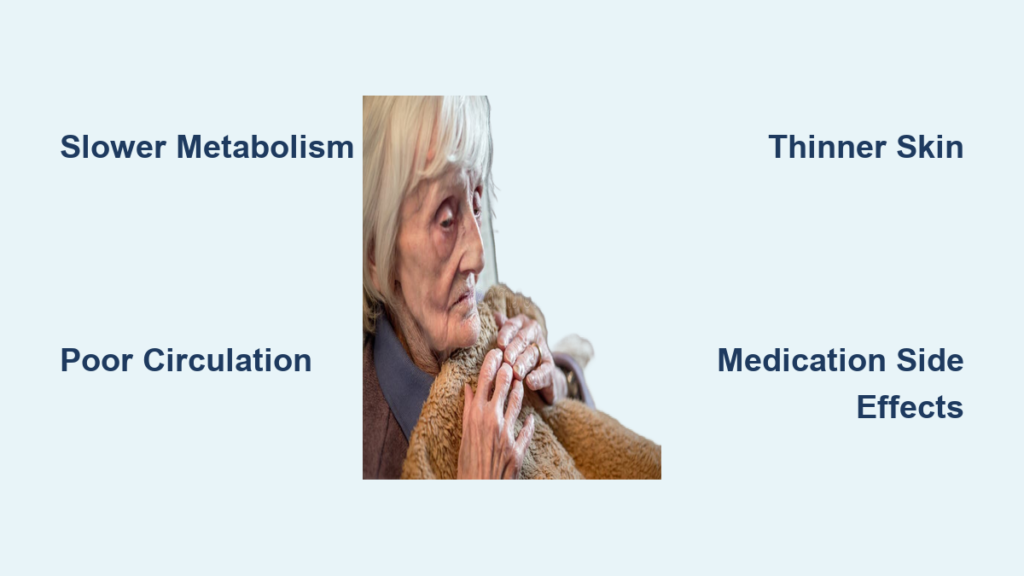
You’re not imagining things—older adults really do feel colder than younger people, and it’s more than just turning up the thermostat. As we age, our bodies undergo natural changes that make it harder to stay warm. Why do elderly get cold becomes a common concern for seniors and their caregivers, especially during colder months. From slower circulation to thinner skin, aging affects the body’s ability to regulate temperature.
Understanding the root causes can prevent serious health risks like hypothermia, fatigue, and reduced mobility. You’ll learn how medical conditions, medications, and lifestyle factors play a role—and what you can do at home to make a real difference. Whether you’re caring for a parent or noticing these changes in yourself, this guide delivers actionable insights backed by physiology and senior health research.
Age-Related Body Changes in Temperature Regulation

As people age, their bodies become less efficient at maintaining core temperature. This biological shift explains why many seniors feel chilly even in mildly cool environments.
Slower Metabolism Reduces Heat Production
Metabolism naturally slows with age, reducing the body’s ability to generate heat. Since heat production depends on cellular activity, a slower metabolic rate means fewer calories are burned at rest—leading to less internal warmth. Older adults may not shiver as effectively to generate heat, making them more vulnerable in cold settings.
Reduced Blood Circulation to Extremities
Aging blood vessels lose elasticity, which impairs circulation—especially to hands and feet. Poor blood flow means less warm blood reaches the skin’s surface, increasing cold sensitivity. Conditions like peripheral artery disease (PAD) worsen this issue, often causing persistent coldness in legs and feet.
Thinner Skin and Less Insulation
Over time, the skin thins and subcutaneous fat decreases. This layer of fat acts as natural insulation. With less of it, older adults lose body heat more quickly. Additionally, sweat glands become less active, disrupting the body’s ability to adjust to temperature changes.
Underlying Medical Conditions That Cause Coldness
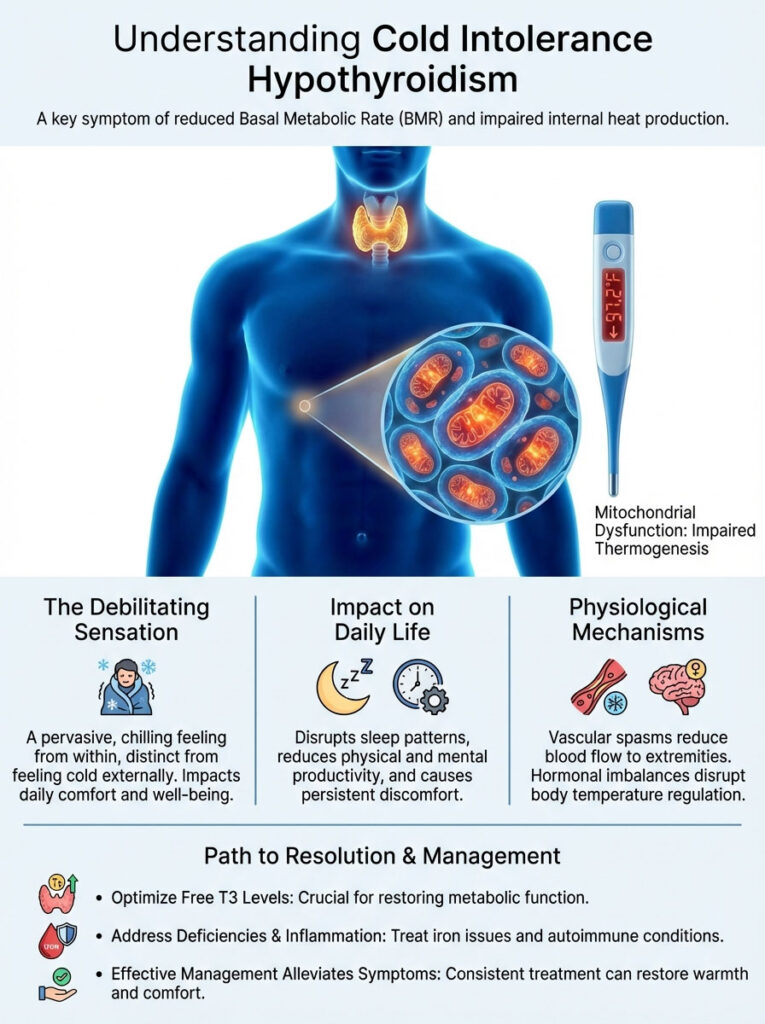
Several chronic health issues common in seniors contribute directly to feeling cold. Recognizing these can help guide treatment and improve comfort.
Hypothyroidism Slows Body Functions
An underactive thyroid slows bodily functions, including temperature regulation. Symptoms include fatigue, weight gain, dry skin, and constant coldness—especially in hands and feet. Blood tests can confirm the diagnosis, and hormone replacement therapy often resolves the issue.
Anemia Limits Oxygen and Heat
Low red blood cell count reduces oxygen delivery throughout the body, impairing energy and heat production. Iron-deficiency anemia is common in older adults due to poor nutrition or digestive issues. Other signs include weakness, pale skin, and shortness of breath.
Diabetes and Nerve Damage Alter Perception
Diabetes can cause peripheral neuropathy—nerve damage that distorts temperature perception. Seniors may feel cold even when their skin is warm. Poor circulation from diabetes also contributes to cold extremities and increases the risk of frostbite in extreme cold.
Heart and Kidney Disease Affect Circulation
Heart failure reduces the heart’s pumping efficiency, limiting warm blood flow. Kidney disease can lead to anemia and fluid imbalances, both of which affect body temperature. These conditions often coexist in older adults, compounding cold sensitivity.
Medication Side Effects That Increase Cold Sensitivity
Many prescriptions taken by seniors can interfere with temperature regulation, making them more prone to feeling cold.
Beta Blockers Constrict Blood Flow
Commonly used for high blood pressure and heart conditions, beta blockers reduce heart rate and constrict blood vessels. This limits blood flow to the skin and extremities, creating a persistent cold feeling—especially in the hands.
Antidepressants Change Temperature Perception
Certain antidepressants, particularly selective serotonin reuptake inhibitors (SSRIs) and tricyclics, can alter temperature perception. Some users report cold flashes or increased sensitivity to cool environments.
Parkinson’s Disease Medications Disrupt Autonomic Control
Drugs like levodopa can affect the autonomic nervous system, which controls involuntary functions including body temperature. Patients may experience unpredictable shifts in how they feel temperature.
Pro tip: Never stop or adjust medications without consulting a doctor. Instead, discuss cold symptoms with a healthcare provider to explore alternatives or dosage adjustments.
Environmental and Lifestyle Factors
Even healthy seniors can feel cold if their environment or habits don’t support warmth.
Inadequate Home Heating Raises Risk
Many older adults lower thermostat settings to save money. However, indoor temperatures below 68°F (20°C) can be unsafe. The National Institute on Aging recommends keeping homes at least this warm to prevent health risks.
Poor Nutrition Undermines Heat Production
Not eating enough calories or lacking essential nutrients—like iron, vitamin B12, and protein—can impair heat production. Malnutrition is more common in seniors due to reduced appetite, dental problems, or social isolation.
Dehydration Reduces Circulation
Water plays a role in temperature regulation. Dehydration reduces blood volume and circulation, making it harder to stay warm. Older adults often drink less fluid due to diminished thirst signals.
Sedentary Lifestyle Lowers Body Heat
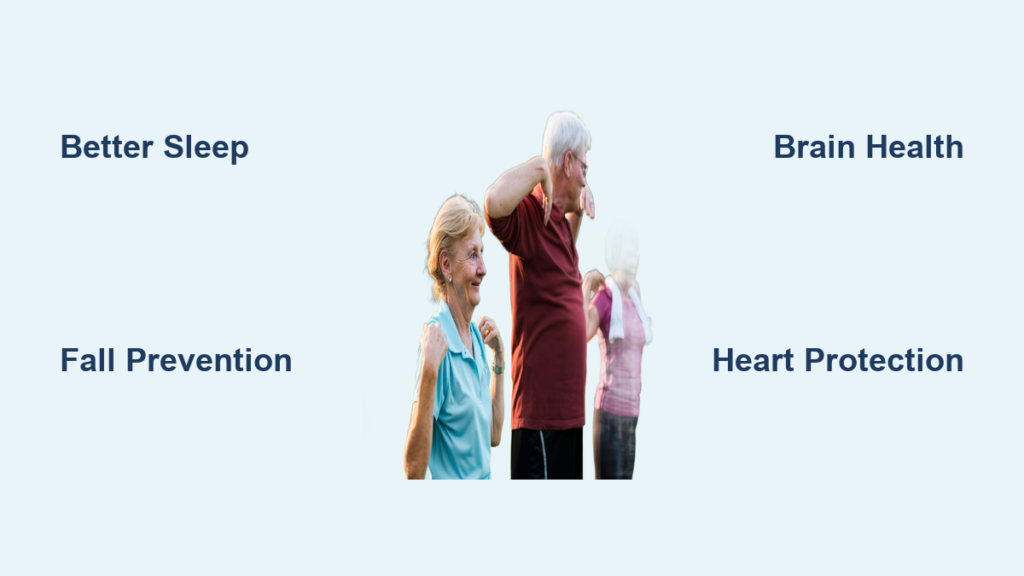
Physical activity generates body heat. Seniors who are inactive for long periods lose heat more quickly. Even light movement like walking or stretching can boost circulation and warmth.
Practical Ways to Keep Seniors Warm

Simple steps can significantly improve comfort and safety for older adults who feel cold.
Layer Clothing Strategically
Wearing multiple light layers traps warm air more effectively than a single heavy garment. Focus on:
- Base layer: Moisture-wicking fabric (thermal underwear)
- Middle layer: Wool or fleece for insulation
- Outer layer: Windproof and water-resistant material
Don’t forget hats, socks, and gloves—up to 10% of body heat can be lost through the head and extremities.
Use Heated Accessories Safely
Electric blankets, heated throws, and warm slippers provide targeted warmth. Choose models with automatic shut-off for safety. Microwaveable heating pads are also effective for short-term relief.
Optimize the Indoor Environment
- Set thermostat to 68–70°F (20–21°C)
- Use draft stoppers on doors and windows
- Close curtains at night to retain heat
- Consider space heaters with safety features for frequently used rooms
Warning: Avoid hot baths or heating pads directly on the skin—seniors may have reduced sensation and risk burns.
When to See a Doctor About Cold Sensitivity
Persistent coldness isn’t always normal and could signal an underlying condition.
Warning Signs of Hypothermia
Even mild hypothermia (body temperature below 95°F or 35°C) is dangerous. Watch for:
- Shivering (may stop in severe cases)
- Slurred speech
- Confusion or drowsiness
- Weak pulse
- Cold, pale skin
Seek emergency care immediately if these symptoms occur.
Unexplained or Sudden Cold Sensitivity
If a senior suddenly feels cold all the time—especially with fatigue, weight changes, or swelling—it’s time for a medical checkup. Blood tests can detect thyroid issues, anemia, or infections.
Cold Extremities with Pain or Discoloration
Blue, white, or red fingers or toes that hurt or tingle may indicate Raynaud’s phenomenon or poor circulation. A vascular specialist can evaluate blood flow and recommend treatment.
Prevention and Daily Habits for Lasting Warmth
Staying warm is part of healthy aging, not just comfort.
Eat Warm, Nutrient-Rich Meals
Hot soups, stews, and cooked grains provide both calories and warmth. Include iron-rich foods (lean meats, beans, spinach) and vitamin B12 (fish, eggs, fortified cereals) to support blood health.
Stay Hydrated with Warm Drinks
Warm herbal teas, broths, and warm water with lemon help maintain hydration and body temperature. Limit caffeine and alcohol—they can worsen dehydration and dilate blood vessels, increasing heat loss.
Move Regularly Throughout the Day
Encourage short walks, chair exercises, or stretching every few hours. Movement boosts circulation and generates internal heat. Even foot pumps while sitting help blood return from the legs.
Review Medications Annually
Review all prescriptions and supplements with a doctor at least once a year. Some drugs may no longer be needed, or alternatives with fewer side effects may be available.
Frequently Asked Questions About Why Elderly Get Cold
What causes elderly people to feel cold all the time?
A combination of slower metabolism, reduced circulation, thinner skin, and less body fat makes it harder for seniors to retain heat. Medical conditions and medications can worsen the issue.
Is feeling cold a sign of a serious health problem in older adults?
It can be. Persistent coldness may indicate hypothyroidism, anemia, diabetes-related nerve damage, or heart and kidney disease. A medical evaluation is recommended if symptoms are new or worsening.
What is the safest room temperature for elderly people?
The National Institute on Aging recommends keeping indoor temperatures at least 68°F (20°C) to reduce the risk of hypothermia and other cold-related health issues.
Can medications make seniors feel colder than usual?
Yes. Beta blockers, certain antidepressants, and Parkinson’s medications can interfere with circulation and temperature regulation, increasing cold sensitivity.
How can caregivers help seniors stay warm at home?
Layer clothing, maintain proper heating, prepare warm meals and drinks, encourage light movement, and schedule regular medication reviews with a healthcare provider.
When should a doctor be consulted about cold sensitivity in seniors?
Consult a doctor if coldness comes on quickly, is accompanied by fatigue or weight changes, or includes painful or discolored extremities. Emergency care is needed for signs of hypothermia.
Key Takeaways for Understanding Cold Sensitivity in Aging Adults
Feeling cold is common in older adults, but it should never be ignored. The reasons range from natural aging processes to treatable medical conditions like hypothyroidism, anemia, and circulation problems. Medications and environmental factors can also play a significant role in increasing cold sensitivity among seniors.
By understanding why do elderly get cold, families and caregivers can take proactive steps to improve comfort and prevent complications. Focus on layering clothing, maintaining indoor temperatures above 68°F, serving warm nutrient-rich meals, and encouraging regular movement. Schedule an annual medication review with a healthcare provider to identify drugs that may worsen cold sensitivity, and seek medical attention for sudden or severe symptoms. With the right approach, seniors can stay warm, healthy, and active year-round.