Over 12 million Americans aged 40 and older live with some form of vision impairment, and the risk climbs sharply with each passing decade. While needing reading glasses or extra light to see menus may feel routine, more serious elderly eyesight problems like macular degeneration, cataracts, glaucoma, and diabetic retinopathy can steal vision permanently when left undetected. These diseases often creep in silently, with no obvious symptoms until damage is already done. This guide walks you through the most common age-related vision threats, their warning signs, diagnostic methods, and proven treatments so you can act before vision loss becomes irreversible.
You will learn how to recognize normal aging versus dangerous changes, which symptoms demand urgent care, and what lifestyle habits offer the strongest protection. Whether you are an older adult, a caregiver, or a concerned family member, this information helps you make informed decisions about eye health.
Distinguish Normal Aging from Disease
Not every vision shift signals a serious condition. Some changes are simply the natural result of getting older. Knowing the difference helps you decide when to relax and when to schedule an appointment.
Expected Changes After 40
As the eye ages, the lens stiffens, pupils shrink, and retinal cells slowly decline. Common but harmless changes include:
– Needing more light to read comfortably
– Trouble focusing on close objects, known as presbyopia
– Slower adjustment when moving from bright to dim spaces
– Mild glare sensitivity during night driving
These issues are typically corrected with glasses, brighter bulbs, or simple environmental tweaks. They do not require medical treatment.
Red Flags That Need Attention
Some changes are never normal, regardless of age. Contact an eye care professional promptly if you notice:
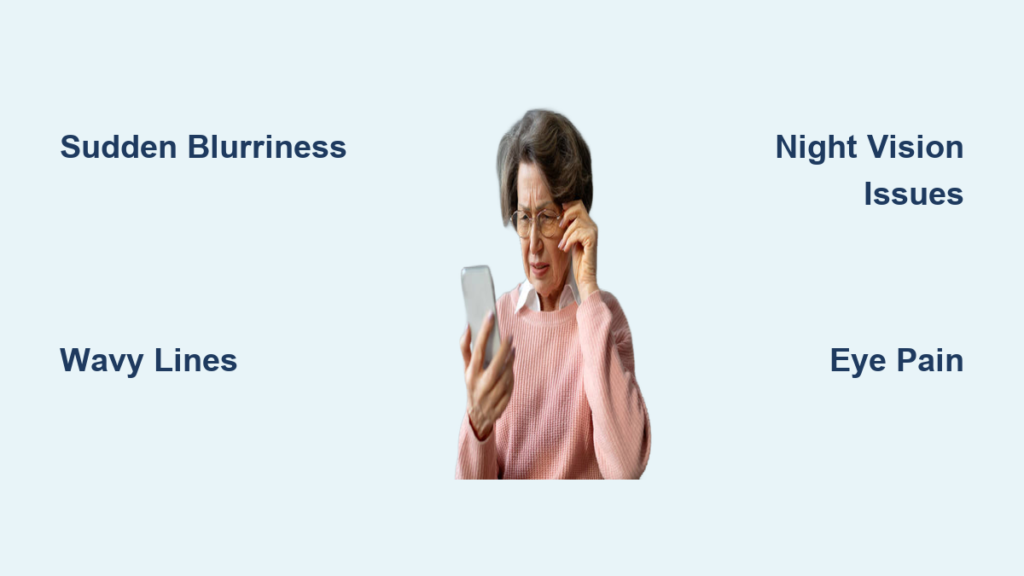
– Sudden blurriness that does not improve with new glasses
– Straight lines appearing wavy or distorted
– Dark or empty spots in your central vision
– A curtain-like shadow across your visual field
Catching these signs early dramatically improves the odds of preserving useful sight.
Age-Related Macular Degeneration (AMD)

AMD is the leading cause of severe central vision loss in adults over 65. It damages the macula, the part of the retina responsible for sharp, detailed vision needed for reading and recognizing faces.
Dry AMD: Slow, Steady Decline
Dry AMD accounts for 70 to 90 percent of cases and progresses gradually over years. The macula thins with age, and yellow deposits called drusen build up beneath the retina. Symptoms include blurred central vision, difficulty adapting to low light, and needing brighter illumination for reading.
There is no cure, but progression may slow with AREDS2-formula supplements containing vitamins C and E, zinc, copper, lutein, and zeaxanthin. About 7.3 million Americans have large drusen and face elevated risk, making regular dilated exams essential.
Wet AMD: A Medical Emergency
Wet AMD is far less common but far more urgent. Abnormal blood vessels grow beneath the macula and leak fluid or blood, causing rapid central vision loss within weeks or months. The hallmark warning sign is straight lines appearing wavy, a distortion called metamorphopsia.
Treatment involves anti-VEGF injections such as Lucentis or Eylea, which stop vessel growth and often stabilize vision. Prompt treatment is critical because delays raise the risk of permanent blindness in the affected eye.
Cataracts: Cloudy Lens, Clear Solution

Cataracts affect roughly 20.5 million Americans aged 40 and older, making them the top cause of vision loss in the United States. They form when proteins inside the lens clump together, creating cloudy patches that block light.
Symptoms and Daily Impact
Cataracts usually develop slowly, so early changes may go unnoticed. Common signs include:
– Cloudy or foggy vision, like looking through a dirty windshield
– Halos or glare around lights at night
– Faded or yellowed color perception
– Frequent updates to your eyeglass prescription
Over time, cataracts limit independence by making driving, reading, and recognizing faces difficult.
Surgery Restores Vision
The only effective treatment is surgery to remove the cloudy lens and replace it with a clear artificial intraocular lens. Most patients notice sharper vision within days, and over 90 percent report significant improvement. Despite excellent outcomes, many people delay surgery due to cost, fear, or simply not knowing it is an option. Insurance often covers medically necessary cases, though premium lenses may require out-of-pocket payment.
Glaucoma: The Silent Thief of Sight
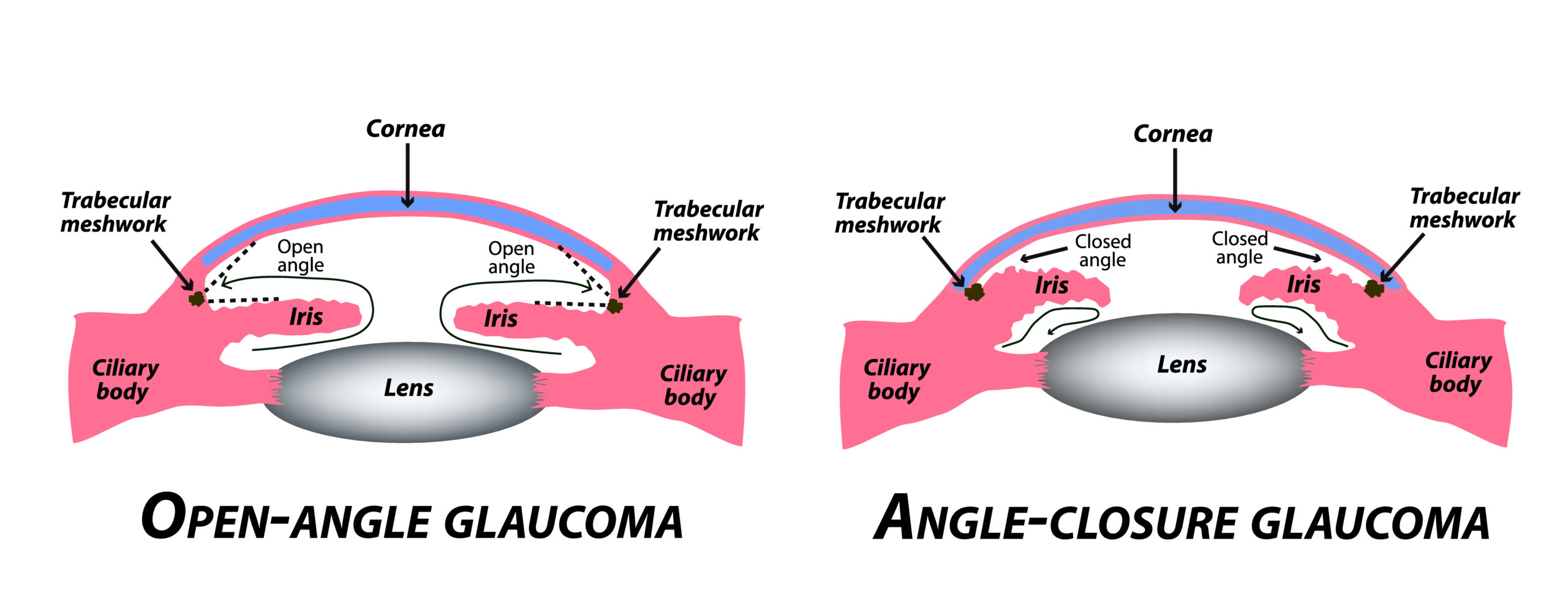
Glaucoma damages the optic nerve, most often because of elevated pressure inside the eye. It earned the nickname “sneak thief of sight” because most people notice nothing until vision is permanently lost.
Open-Angle vs. Angle-Closure
Open-angle glaucoma accounts for about 90 percent of cases and progresses slowly without pain. Peripheral vision fades first, often so gradually that people adapt without realizing something is wrong. Only pressure testing and visual field exams can catch it early.
Angle-closure glaucoma strikes suddenly with intense eye pain, headache, nausea, and blurred vision. This is a medical emergency requiring immediate treatment to prevent permanent damage.
Treatment to Protect Remaining Vision
Once vision is lost to glaucoma, it cannot be restored. The goal is to lower eye pressure and stop further harm. Options include daily prescription eye drops, laser therapy to improve fluid drainage, and surgery to create new drainage pathways for advanced cases. Glaucoma requires lifelong monitoring, typically every 3 to 6 months after diagnosis.
Diabetic Retinopathy: Blood Vessel Damage

For older adults living with diabetes, diabetic retinopathy is the leading cause of blindness. High blood sugar weakens the tiny blood vessels in the retina, leading to swelling, leakage, or abnormal growth.
Stages of Progression
The disease advances through four stages:
1. Mild nonproliferative retinopathy, marked by tiny bulges called microaneurysms
2. Moderate nonproliferative retinopathy, where some vessels become blocked
3. Severe nonproliferative retinopathy, with more blockages triggering fragile new vessel growth
4. Proliferative retinopathy, where new vessels bleed into the eye and cause sudden vision loss
Up to 50 percent of people with diabetic retinopathy are diagnosed too late for effective treatment, which is why routine screening matters so much.
Prevention and Treatment Options
Controlling blood sugar, blood pressure, and cholesterol is the foundation of prevention. Annual dilated eye exams catch problems before vision suffers. Treatments for advanced disease include laser photocoagulation, anti-VEGF injections, and vitrectomy surgery to remove blood from the eye. Early detection cuts the risk of severe vision loss by up to 95 percent.
Dry Eyes and Other Common Complaints
Beyond the four major diseases, elderly eyesight problems often include discomfort and functional annoyances that affect quality of life.
Dry Eye Syndrome
Tear production drops after age 40, leading to grittiness, burning, redness, and even paradoxical watery eyes caused by reflex tearing. Simple solutions include preservative-free artificial tears, warm compresses, and lid hygiene. For persistent cases, prescription drops like Restasis reduce inflammation, and punctal plugs block tear drainage to keep the eyes moist longer.
Refractive Errors and Night Vision
Nearsightedness, farsightedness, and astigmatism affect roughly 150 million Americans and remain correctable with glasses, contacts, or surgery at any age. Reduced pupil response and lens yellowing also make night driving harder, so older adults should limit driving after dark when possible and use anti-reflective coatings on their glasses.
Fall Prevention Tips
Poor depth perception and peripheral vision loss raise the risk of falls and accidents. Brighter lighting, motion-sensor night lights, and high-contrast markings on stairs and thresholds can dramatically improve safety at home.
Emergency Symptoms That Demand Immediate Care
Some vision changes cannot wait for a routine appointment. Delay can mean the difference between saving and losing sight.
Go to an Emergency Room or Eye Specialist Right Away If You Experience:
- Sudden vision loss in one or both eyes
- Severe eye pain combined with redness or nausea
- Flashing lights or a sudden shower of floaters, which may signal retinal detachment
- Double vision that does not resolve
- Blurred vision paired with headache or confusion, which can indicate a stroke
Conditions like retinal detachment and acute angle-closure glaucoma need treatment within hours to prevent permanent blindness.
How Comprehensive Eye Exams Catch Problems Early
Most age-related eye diseases have no early symptoms. A comprehensive dilated eye exam is the only reliable way to detect them before damage occurs.
What the Exam Includes
The doctor places drops in your eyes to widen the pupils, which takes 15 to 20 minutes. Once dilated, the physician examines the retina, optic nerve, and blood vessels. Common tests include:
– Tonometry to measure eye pressure and screen for glaucoma
– Visual field testing to check peripheral vision
– Amsler grid testing to detect distortions linked to macular degeneration
– Optical coherence tomography (OCT) for detailed retinal imaging
After dilation, your vision stays blurry and light-sensitive for several hours. Bring sunglasses and arrange a ride home instead of driving yourself.
Recommended Screening Schedule
The American Academy of Ophthalmology suggests a complete eye exam every one to two years after age 50. People with diabetes, high blood pressure, or a family history of eye disease need annual exams or more frequent visits as directed by their specialist.
Treatment Options Across Major Conditions
While some elderly eyesight problems cannot be reversed, most can be managed to preserve independence and quality of life.
Comparing Treatment Approaches
| Condition | Primary Treatment | Typical Outcome |
|---|---|---|
| Cataracts | Lens replacement surgery | Vision restored in most cases |
| Wet AMD | Anti-VEGF injections | Vision stabilized or improved |
| Glaucoma | Eye drops, laser, or surgery | Progression slowed, vision preserved |
| Diabetic Retinopathy | Blood sugar control, injections, laser | Vision loss prevented when caught early |
Early intervention dramatically improves results across the board. Waiting for symptoms often means missing the window for the best outcomes.
Low-Vision Aids and Rehabilitation
For those with significant vision loss, adaptive tools make daily life manageable. Options include handheld or stand-mounted magnifiers, large-print devices, talking clocks, screen readers, and voice-activated assistants. Low-vision rehabilitation therapy teaches practical techniques for cooking, reading, and managing medications independently.
Lifestyle Habits That Protect Vision
Aging is inevitable, but vision loss is not. Simple daily choices reduce risk and slow disease progression.
Nutrition and Sun Protection
Eat a vision-friendly diet rich in leafy greens like kale and spinach, fatty fish such as salmon, eggs, and citrus fruits loaded with antioxidants. Wear UV-blocking sunglasses outdoors to lower your risk of cataracts and macular degeneration.
Quit Smoking and Manage Chronic Conditions
Smokers face two to four times the risk of developing AMD and cataracts compared to non-smokers. Controlling diabetes, hypertension, and cholesterol protects the delicate blood vessels in your eyes. Follow the 20-20-20 rule during screen time: every 20 minutes, look at something 20 feet away for 20 seconds.
Make Annual Exams Non-Negotiable
The single most effective prevention is a yearly dilated eye exam after age 50. These visits detect disease before symptoms appear, update corrective prescriptions, and can even reveal systemic conditions like diabetes and hypertension. Do not wait for vision changes to serve as warnings. By then, damage may already be done.
Frequently Asked Questions About Elderly Eyesight Problems
What Is the Most Common Cause of Vision Loss in Older Adults?
Cataracts are the leading cause of vision loss in the United States, affecting more than 20 million Americans aged 40 and older. The good news is that cataract surgery restores vision in over 90 percent of cases, making this the most treatable form of elderly eyesight problems.
How Often Should Seniors Get Their Eyes Examined?
The American Academy of Ophthalmology recommends a comprehensive dilated eye exam every one to two years after age 50. People with diabetes, high blood pressure, or a family history of eye disease should follow their doctor’s guidance, which often means annual visits.
Can Macular Degeneration Be Prevented?
There is no guaranteed way to prevent AMD, but you can lower your risk significantly. Wear UV-blocking sunglasses, eat a diet rich in leafy greens and omega-3 fatty acids, quit smoking, and control blood pressure and cholesterol. For those with large drusen, AREDS2 supplements may slow progression.
What Symptoms Indicate an Eye Emergency?
Sudden vision loss, severe eye pain with nausea, flashing lights, a sudden increase in floaters, or double vision that does not resolve all require immediate medical attention. These symptoms can signal retinal detachment, acute glaucoma, or stroke, and treatment within hours may save your sight.
Are Floaters Always a Sign of a Serious Problem?
Not always. Small floaters that have been present for years and do not change are usually harmless. However, a sudden increase in floaters, especially combined with flashing lights or a shadow across your vision, can indicate retinal detachment and demands urgent care.
Do Elderly Eyesight Problems Always Lead to Blindness?
No. Most age-related eye conditions can be managed or treated successfully when caught early. Cataracts are reversible through surgery, and treatments for glaucoma, AMD, and diabetic retinopathy can slow or stop progression. The key is regular screening and prompt attention to warning signs.
Key Takeaways for Protecting Vision in Older Adults
Elderly eyesight problems are common, but severe vision loss is not inevitable. Early detection through regular dilated exams remains the single most powerful tool for preserving sight. Most major conditions, including cataracts, glaucoma, macular degeneration, and diabetic retinopathy, respond best to treatment when caught before symptoms appear.
Lifestyle choices matter just as much as medical care. Eating a nutrient-rich diet, wearing UV protection, quitting smoking, and managing chronic diseases like diabetes and hypertension all reduce your risk. For those already living with vision loss, low-vision aids and rehabilitation therapy help maintain independence and quality of life.
Your next step is simple: schedule a comprehensive dilated eye exam if you are over 50 or have not had one in the past two years. Bring a list of any vision changes you have noticed and share your family history of eye disease with your doctor. Protecting your eyesight starts with that single appointment.