As the global population ages, elderly mental diseases are becoming a serious public health concern. Currently, 15% of adults aged 60 and older experience some form of mental disorder, yet many cases go undiagnosed or get dismissed as normal aging. From dementia and depression to anxiety and late-onset schizophrenia, these conditions affect quality of life, independence, and longevity in millions of seniors.
This guide breaks down the most common elderly mental diseases, how they differ from typical aging, and what treatments and supports are available. You will learn to recognize early warning signs, understand diagnostic steps, and explore evidence-based management strategies for yourself or a loved one.
Alzheimer’s and Dementia Types
Dementia is not a single illness but an umbrella term for cognitive decline severe enough to interfere with daily life. It affects 1 in 9 Americans over 65, with Alzheimer’s disease accounting for 60% to 80% of all cases.
Alzheimer’s: Silent Brain Degeneration
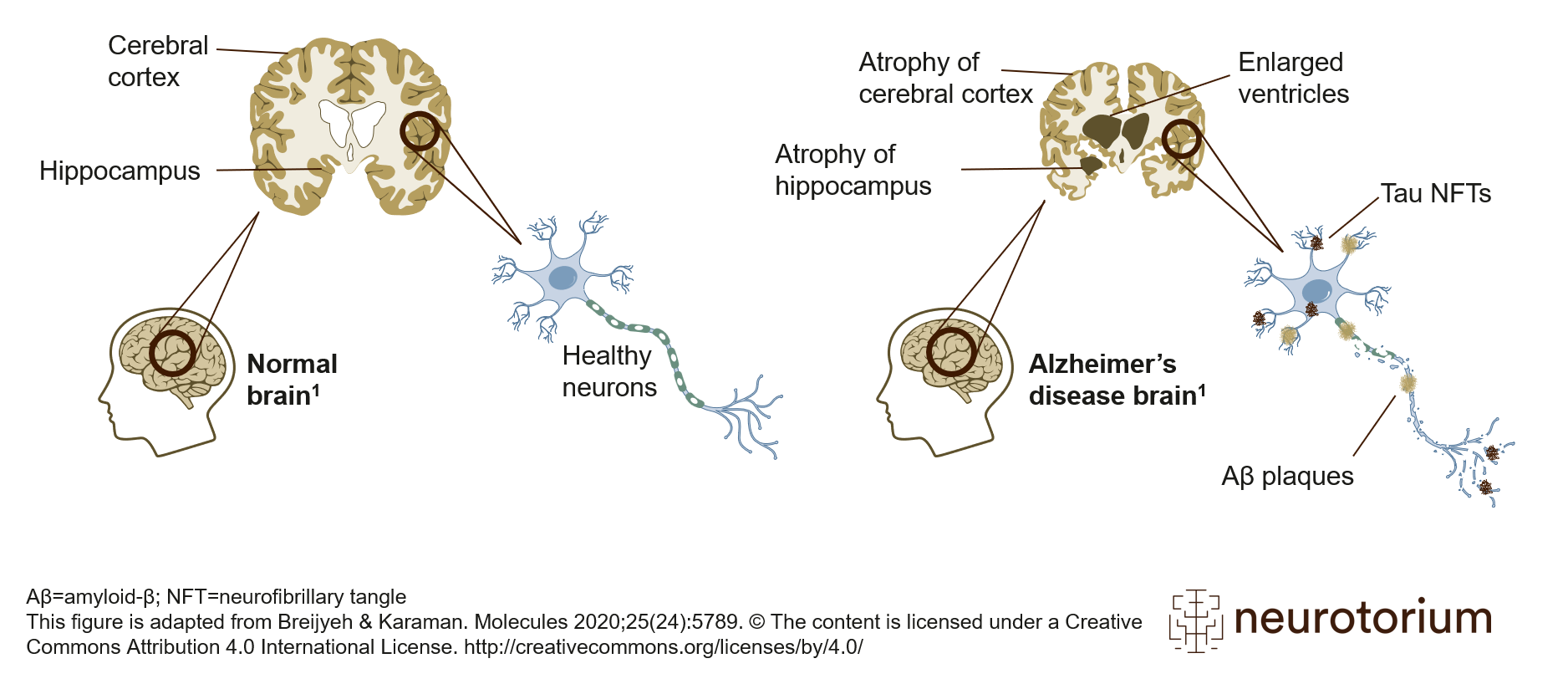
Alzheimer’s disease often begins with subtle memory lapses, such as forgetting names, repeating questions, or misplacing items. Over time, it progresses to profound confusion, loss of language, and inability to perform basic tasks. The root cause involves the buildup of amyloid plaques and tau tangles that destroy nerve cell connections. Average life expectancy after diagnosis is 4 to 8 years, though some individuals live decades with the disease.
Women make up two-thirds of cases, and Black and Latinx populations face double the risk compared to white individuals. Tragically, Alzheimer’s kills more seniors than prostate and breast cancer combined, with 1 in 3 older adults dying with dementia.
Key signs to watch for:
– Forgetting recent conversations or events
– Confusion about time or place
– Difficulty planning or solving problems
– Withdrawal from hobbies or social activities
Lecanemab (Leqembi), approved in 2023, targets amyloid plaques and may slow cognitive decline in early stages, offering new hope for disease modification.
Vascular Dementia: Stroke-Linked Cognitive Decline
Vascular dementia results from impaired blood flow to the brain, often following mini-strokes or chronic vascular damage from hypertension, diabetes, or atherosclerosis. It affects 16% of Americans over 80 and is diagnosed in 20% to 30% of people within three months of a stroke.
Unlike Alzheimer’s gradual decline, vascular dementia often progresses in steps, with each stroke causing a noticeable drop in function. Common symptoms include difficulty making decisions, slowed thinking, mood swings, and unsteady gait. Managing blood pressure, cholesterol, and diabetes can reduce risk or slow progression.
Lewy Body Dementia: Hallucinations and Movement Issues
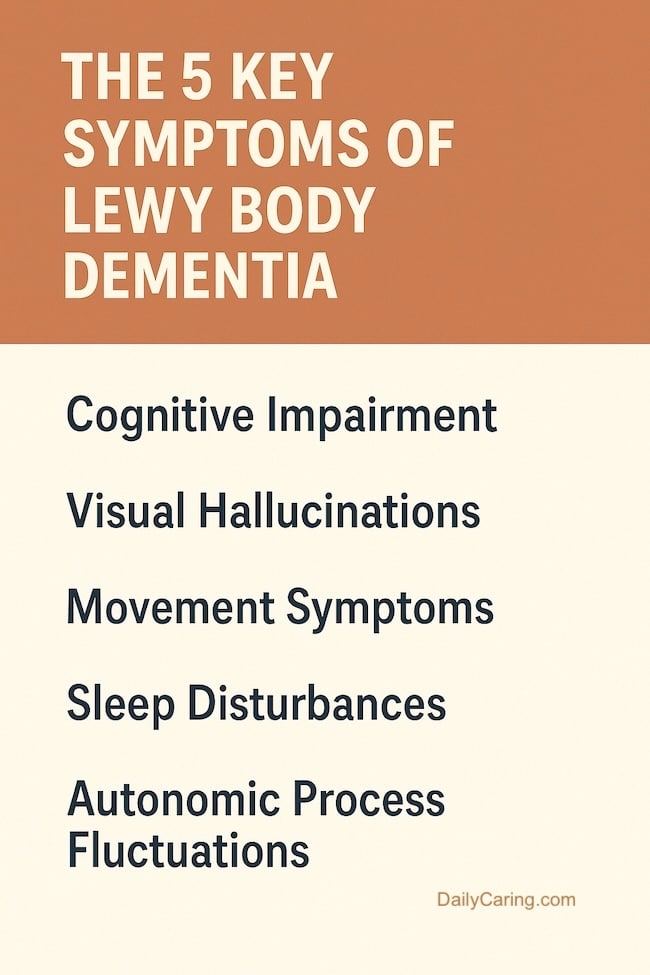
Lewy body dementia involves abnormal protein deposits in brain cells and shares features with both Alzheimer’s and Parkinson’s disease. Hallmark symptoms include fluctuating alertness, vivid visual hallucinations, Parkinson-like tremors, and sleep behavior disorders where individuals act out dreams.
Cognitive symptoms often appear before motor issues, making early diagnosis challenging. This condition progresses faster than Alzheimer’s, typically 5 to 7 years from diagnosis to severe disability. Extreme sensitivity to antipsychotic medications requires careful clinical management.
Frontotemporal Disorder: Behavior and Language Changes
Frontotemporal disorder accounts for 5% of dementia cases and often strikes before age 65. It primarily damages the brain’s frontal and temporal lobes, leading to dramatic shifts in personality and language ability.
Common symptoms include:
– Loss of empathy or social awareness
– Impulsive or inappropriate behavior
– Overeating or placing non-food items in the mouth
– Difficulty speaking or understanding words
Unlike Alzheimer’s, memory may remain intact early on. Life expectancy ranges from 6 to 11 years after onset, with treatment focused on behavior management and caregiver support.
Depression in Older Adults
Depression is not a normal part of aging, yet it affects millions of seniors and is frequently overlooked. Unlike younger adults who often express sadness openly, older individuals more commonly show physical symptoms like fatigue, digestive issues, or unexplained pain.
Late-Life Depression: Hidden and Dangerous
Depression in the elderly is frequently triggered by chronic illness, sensory loss, social isolation, bereavement, or loneliness. It is closely linked to cognitive decline, with higher relapse rates and increased dementia risk. Seniors with untreated depression face higher mortality, especially when combined with physical illness.
Warning signs include:
– Persistent low mood or irritability
– Loss of interest in favorite activities
– Sleep disturbances such as insomnia or oversleeping
– Thoughts of death or suicide
Treatment works. Antidepressants like SSRIs, esketamine (Spravato) for treatment-resistant cases, and psychotherapy (especially CBT) are all effective options. Social engagement and structured routines also play crucial roles in recovery.
Anxiety and Fear-Based Disorders
Anxiety disorders affect 10% to 20% of adults over 65, yet remain widely underdiagnosed. Older adults may not recognize their symptoms as anxiety, instead attributing them to physical illness or everyday stress.
Fear of Falling: A Debilitating Phobia
One of the most common anxiety triggers in seniors is the fear of falling. This can lead to avoiding walking or leaving the house, reduced physical activity, muscle weakness, and increased fall risk. It creates a vicious cycle where restricted movement leads to greater fragility.
Other anxiety symptoms include:
– Constant worry about health, finances, or safety
– Restlessness or irritability
– Difficulty concentrating
– Gastrointestinal issues
Effective treatments include:
– Cognitive Behavioral Therapy (CBT)
– Mindfulness and relaxation techniques
– Exposure therapy for gradual re-engagement with feared activities
– Medication used cautiously due to side effect risks
Treating anxiety can significantly improve mobility, independence, and overall well-being.
Substance Use and Late-Onset Addiction
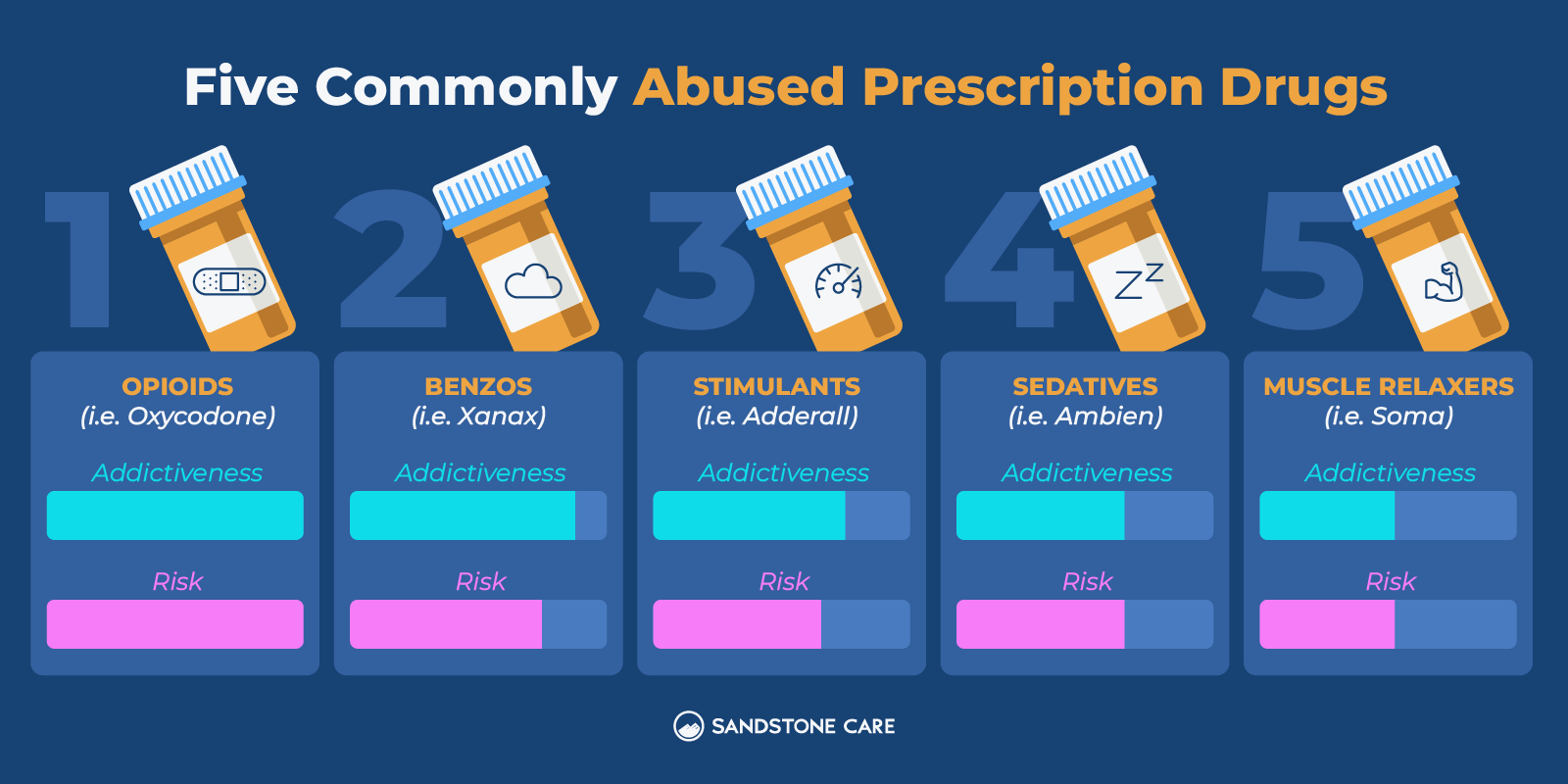
Substance misuse ranks among the top four mental health issues for older adults, often hidden in plain sight. While 5% to 7% of seniors over 65 engage in hazardous alcohol use, many more misuse prescription drugs.
Prescription Drug Risks
Older adults account for one-third of all prescription drug spending in the United States. Commonly misused medications include benzodiazepines for anxiety, opioids for chronic pain, and sleep aids like zolpidem (Ambien).
Misuse may involve taking higher doses, using drugs without a prescription, or combining substances. Because aging slows metabolism, even small doses can cause confusion, falls, or overdose.
Late-onset alcohol or drug use is often triggered by retirement, grief, chronic pain, or undiagnosed depression. These cases are easily misattributed to dementia or normal aging, delaying proper treatment.
Solutions include:
– Careful medication review by a geriatrician
– Tapering plans for benzodiazepines
– Geriatric-sensitive rehabilitation programs
– Integrated therapy for co-occurring mental health issues
Schizophrenia and Psychotic Disorders
While schizophrenia typically begins in young adulthood, late-onset cases (ages 45 to 65) and very late-onset psychosis (after 65) do occur. Schizophrenia affects less than 1% of the adult population worldwide.
Late-Onset Schizophrenia: Unique in Older Adults
Very late-onset cases are more common in women and often linked to brain structure changes such as white matter lesions or shrinkage. Unlike early-onset cases, these patients may have had no prior psychiatric history.
Symptoms include:
– Delusions, often paranoid in nature
– Auditory hallucinations
– Disorganized thinking
– Social withdrawal
Treatment challenges include:
– Greater sensitivity to medication side effects
– Increased fall and stroke risk from antipsychotics
– Potential worsening of cognitive decline
Atypical antipsychotics like risperidone or quetiapine are used at low doses with close monitoring. Therapy focuses on reducing distress and improving daily function.
Delirium: Acute Mental Crisis
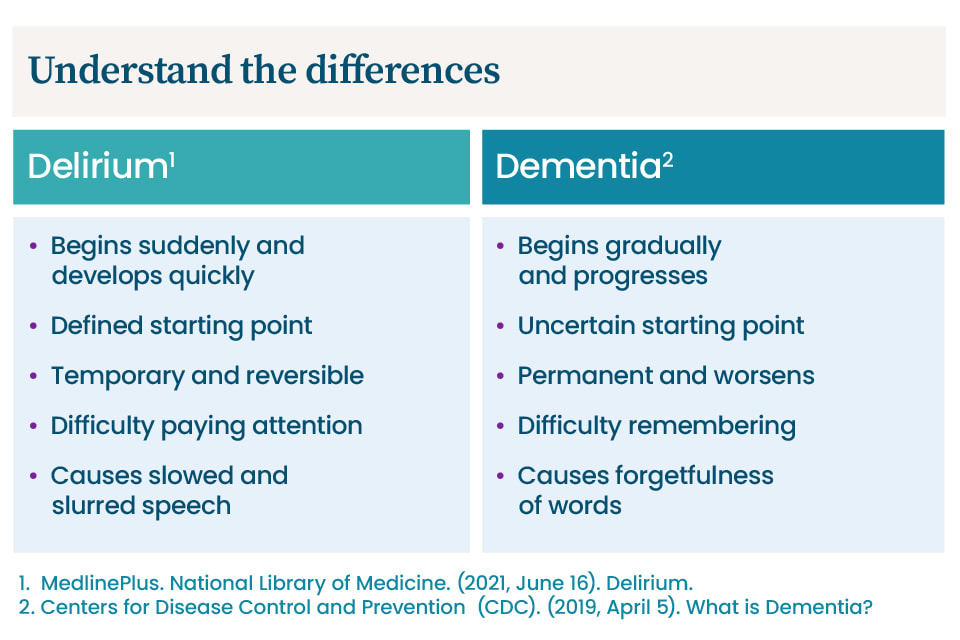
Delirium is a medical emergency, not a mental illness, that causes sudden confusion, disorientation, and attention deficits. It is often mistaken for dementia but develops rapidly, usually over hours or days.
Causes and Triggers
Common causes include infections (such as UTIs or pneumonia), medication side effects, dehydration, malnutrition, surgery, hospitalization, and sleep deprivation.
Symptoms include:
– Inability to focus or follow conversations
– Disrupted sleep-wake cycles
– Hallucinations or agitation
– Fluctuating alertness
Delirium increases the risk of long-term cognitive decline and death, especially in hospitalized seniors.
Prevention and Care
Hospitals use programs like the Hospital Elder Life Program (HELP) to prevent delirium through hydration, nutrition, mobility promotion, sleep schedule maintenance, and sensory aid use. Family involvement and consistent caregivers also reduce confusion.
Diagnosis Challenges in Seniors
Diagnosing mental illness in older adults is complex. Symptoms often overlap with physical diseases, creating a “chicken and egg” dilemma: Is cognitive decline causing depression, or is depression mimicking dementia?
Rule Out Medical Causes First
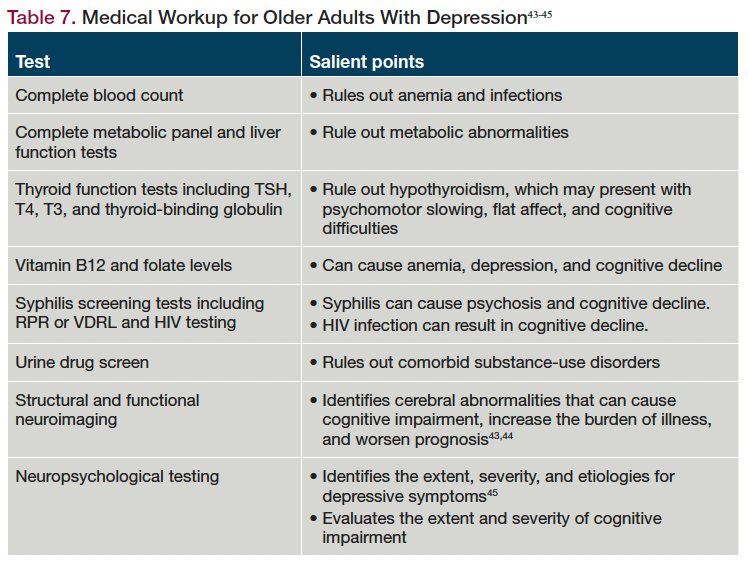
Before diagnosing a psychiatric condition, doctors must rule out vitamin B12 or folate deficiency, thyroid disorders, liver or kidney disease, brain tumors, infections, and medication side effects.
Biomarker testing like PET scans or cerebrospinal fluid analysis can detect Alzheimer’s-related amyloid early, improving diagnostic accuracy.
Differentiating Normal Aging from Disease
Normal aging may involve slower recall, temporary name forgetting, and taking longer to learn new things.
Warning signs of pathology include:
– Forgetting entire conversations
– Repeating questions within minutes
– Getting lost in familiar places
– Inability to manage finances or medications
Mild Cognitive Impairment (MCI) sits between normal aging and dementia. While daily function remains intact, MCI increases dementia risk by 10 times.
Treatment and Management Strategies
Effective care for elderly mental diseases requires a multidisciplinary, personalized approach that balances medication, therapy, lifestyle, and support systems.
Medication: Use with Caution
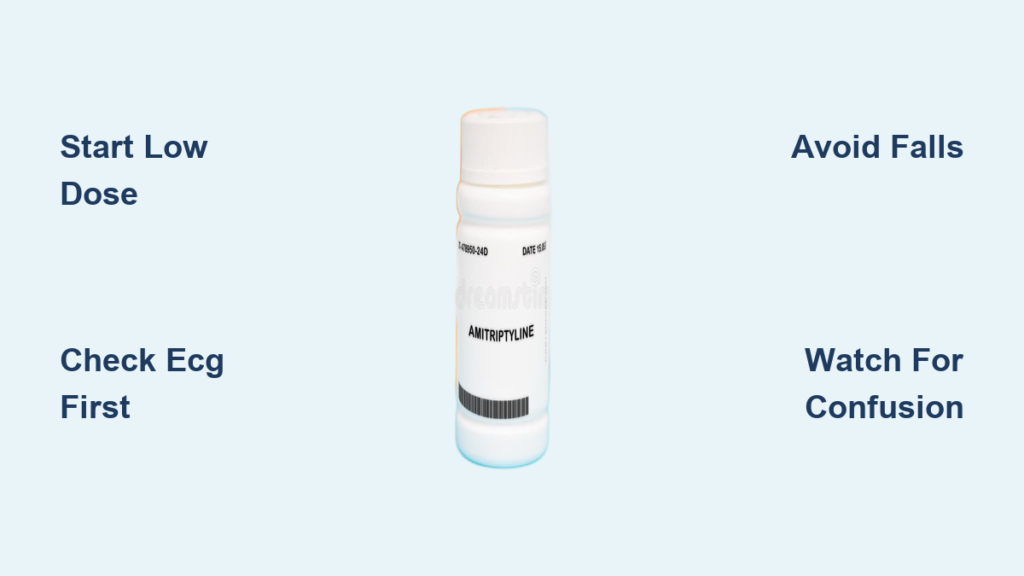
Older adults metabolize drugs more slowly and are prone to side effects and interactions. Key principles include starting low and going slow with dosing, avoiding polypharmacy when possible, and monitoring for falls, sedation, and confusion.
Common medications include:
– Antidepressants (SSRIs): First-line for depression and anxiety
– Atypical antipsychotics: For psychosis or severe agitation, used cautiously
– Mood stabilizers: For bipolar disorder
– Lecanemab: For early Alzheimer’s, requires biomarker confirmation
Psychotherapy and Digital Tools
Talk therapy is highly effective, even in older age. Cognitive Behavioral Therapy (CBT) helps manage anxiety, depression, and fear of falling. Telehealth and digital CBT apps improve access for homebound seniors. Mindfulness and behavioral activation strategies also support emotional regulation.
Lifestyle and Prevention
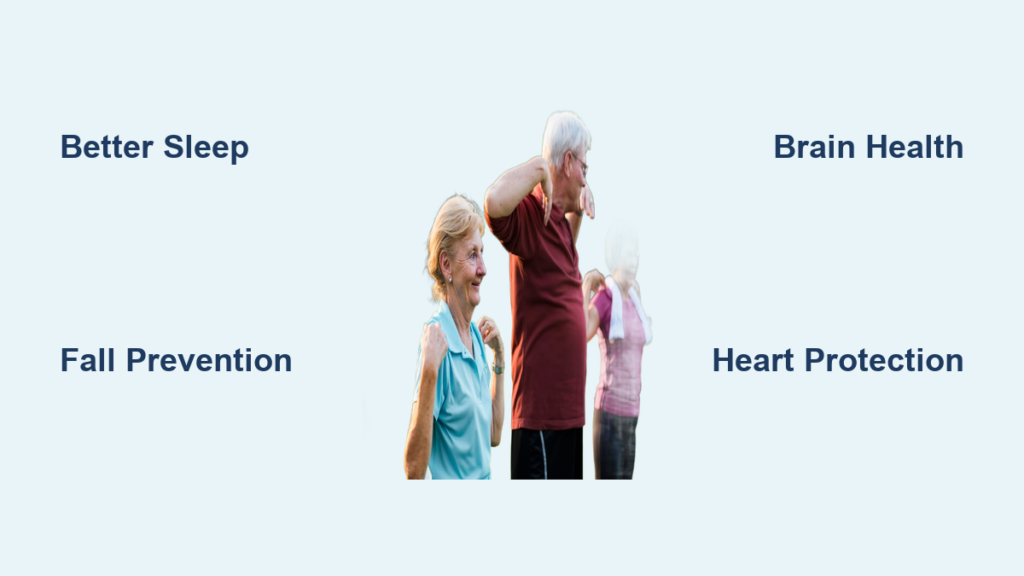
The “big three” conditions (dementia, depression, and anxiety) are partially preventable through healthy habits:
- Physical activity: 30 minutes of walking daily reduces dementia risk by 30%
- Mental stimulation: Reading, puzzles, and learning new skills
- Social connection: Regular contact with family, friends, or community groups
- Sleep hygiene: 7 to 9 hours per night
- Balanced diet: Mediterranean-style eating supports brain health
Technology and Mental Wellness
Technology can reduce isolation, support cognition, and improve care access, though adoption barriers exist for many seniors.
Benefits of Tech Use
Video calls combat loneliness, fitness apps guide safe exercise, cognitive training games may boost memory, and telehealth enables therapy and medical visits from home.
Overcoming Barriers
Seniors may resist technology due to fear of complexity, vision or arthritis limitations, privacy concerns, or stigma about learning ability.
Success tips include:
– Using step-by-step visual guides
– Offering patient, one-on-one training
– Focusing on tangible benefits like seeing grandchildren
– Teaching basic security to avoid scams
Caregiver Support and Systemic Needs
Caring for someone with a mental illness is emotionally and physically draining. Caregivers face high rates of stress, depression, and burnout.
Essential Support Strategies
Respite care provides temporary relief, support groups reduce isolation through shared experiences, education helps caregivers understand the illness, and counseling offers mental health care for caregivers themselves.
Systemic Gaps and Solutions
With rising demand, healthcare systems must shift toward prevention and early intervention. Community programs that promote brain health education, screening for depression and cognitive decline, access to mental health services, and age-friendly care environments can reduce long-term costs and improve outcomes.
Frequently Asked Questions About Elderly Mental Diseases
What are the most common elderly mental diseases?
The most common elderly mental diseases include Alzheimer’s disease and other dementias, depression, anxiety disorders, and substance use disorders. These conditions affect millions of seniors worldwide and often go undiagnosed because symptoms overlap with physical illness or get dismissed as normal aging.
How do you differentiate normal aging from dementia?
Normal aging involves slower recall, occasional word-finding difficulty, and needing more time to learn new things. Dementia involves forgetting entire conversations, repeating questions within minutes, getting lost in familiar places, and losing the ability to manage finances or medications. Mild Cognitive Impairment (MCI) sits between these two states and increases dementia risk by 10 times.
Can depression in older adults be successfully treated?
Yes, depression in older adults responds well to treatment. Antidepressants like SSRIs, esketamine (Spravato) for treatment-resistant cases, and psychotherapy (especially CBT) are all effective. Social engagement, structured routines, and addressing underlying medical conditions also support recovery.
Why is substance misuse often missed in seniors?
Substance misuse in seniors is often missed because symptoms like confusion, falls, and memory issues get attributed to aging or dementia rather than medication or alcohol misuse. Additionally, seniors may hide their use due to shame, and healthcare providers may not routinely screen for substance issues in older patients.
What is the difference between dementia and delirium?
Dementia develops gradually over months or years and is typically progressive. Delirium develops rapidly over hours or days and is a medical emergency usually triggered by infection, medication, dehydration, or hospitalization. Delirium is often reversible if the underlying cause is treated quickly.
How can caregivers protect their own mental health?
Caregivers can protect their mental health by seeking respite care, joining support groups, pursuing counseling, and educating themselves about the illness. Setting boundaries, accepting help from others, and maintaining their own social connections and hobbies are equally important for preventing burnout.
Key Takeaways for Understanding Elderly Mental Diseases
Elderly mental diseases are not inevitable consequences of aging. Early detection makes a significant difference in outcomes, whether the condition is Alzheimer’s, depression, anxiety, or substance misuse. Recognizing warning signs like persistent memory loss, social withdrawal, or unexplained physical symptoms can prompt timely evaluation.
Treatment works across all major elderly mental diseases, but requires caution. Older adults need personalized medication dosing, therapy adapted to their needs, and strong support systems. Lifestyle factors like physical activity, social connection, and cognitive engagement can reduce risk for the “big three” conditions.
Action makes the difference. Whether you are recognizing signs of depression in a parent, managing dementia symptoms, or supporting a caregiver, treating mental health in seniors with the same urgency as physical health is essential. If you notice concerning symptoms in yourself or a loved one, schedule a comprehensive evaluation with a geriatric specialist today.