Dry skin affects up to 50% of seniors worldwide, causing discomfort, itching, and even cracking on the arms, legs, and hands. As skin ages, it produces less oil, thins out, and loses its ability to hold moisture. Left untreated, elderly dry skin can disrupt sleep and raise infection risk. The good news is that most cases respond well to a consistent, evidence-based routine.
This guide covers proven strategies for elderly dry skin treatment, from moisturizing techniques and bathing habits to environmental adjustments and medical red flags. Whether you care for yourself or a loved one, you’ll find practical steps to restore comfort and protect aging skin.
Build a Daily Moisturizing Routine for Aging Skin
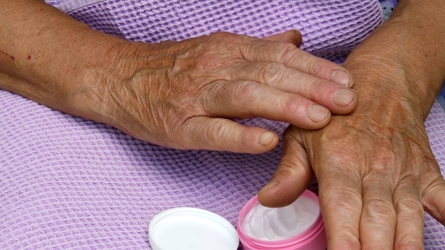
Consistent hydration forms the foundation of any elderly dry skin treatment plan. Aging skin loses its natural sebum, making it vulnerable to water loss and irritation. A structured routine reinforces the skin barrier and prevents painful flare-ups.
Apply Moisturizer Right After Bathing
The best moment to lock in moisture is within three minutes of stepping out of the bath. Pat skin gently with a soft towel and apply moisturizer while the skin is still slightly damp. This simple step traps water in the outer layer and dramatically improves hydration.
Choose creams or ointments over thin lotions, since they contain more oils and last longer. Look for labels that say “fragrance-free” and “hypoallergenic” to reduce the chance of irritation.
Choose Ingredients That Actually Work
Not every moisturizer delivers results. Seek out products built around these proven ingredients:
- Ceramides to rebuild the lipid barrier
- Glycerin to pull water into the skin
- Hyaluronic acid, which holds up to 1000 times its weight in water
- Petrolatum to seal in moisture
- Shea butter to soften rough patches
Steer clear of alcohol, fragrance, and dyes, which strip moisture and trigger reactions.
Moisturize Twice a Day Minimum
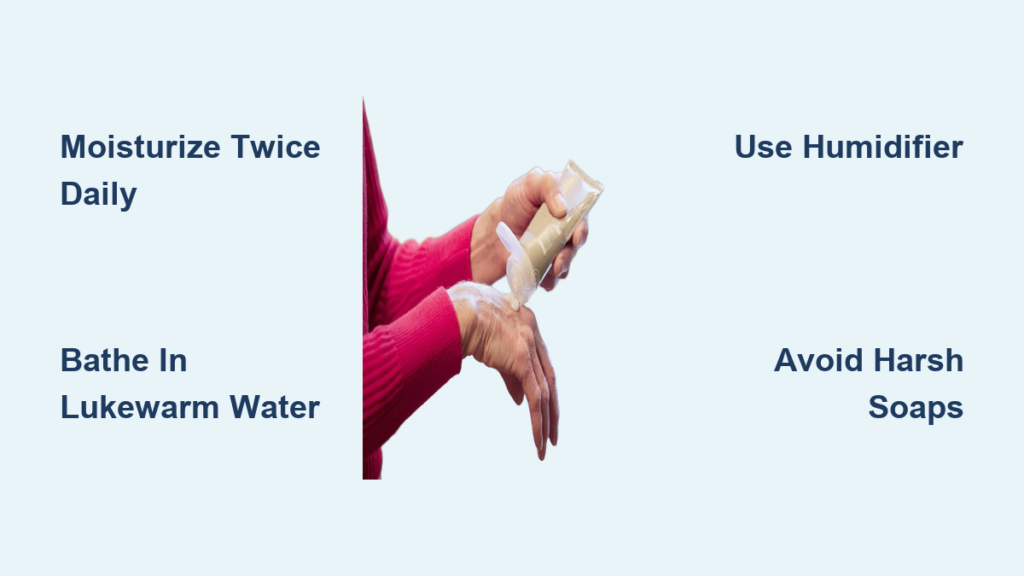
Apply moisturizer morning and night for the best outcome. Focus on shins, elbows, and forearms, where dryness tends to concentrate. Reapply after handwashing or whenever skin feels tight.
Pro tip: Slather petroleum jelly on hands or feet at night, then wear cotton gloves or socks to boost absorption overnight.
Adjust Bathing Habits to Prevent Moisture Loss
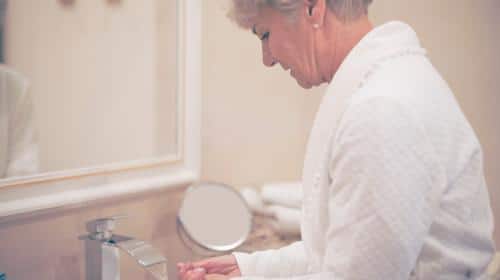
How you bathe can make or break your elderly dry skin treatment efforts. Many seniors unknowingly worsen dryness with long, hot showers and harsh soaps.
Keep Baths Short and Lukewarm
Prolonged water exposure strips protective oils from the skin. Cap showers or baths at 10 minutes and use lukewarm water. Hot water damages the skin barrier and accelerates dryness.
Skip the scrub brush or loofah. Use your hands or a soft sponge to cleanse gently.
Switch to Soap-Free Cleansers
Traditional soaps disrupt the skin’s acid mantle due to their high pH. Choose syndet cleansers made for sensitive or dry skin instead.
Trusted options include Cetaphil Restoraderm, Eucerin Skin Calming Body Wash, and Aveeno Moisturizing Bar. These clean without over-drying and often contain ceramides or oat extract.
Skip Bubble Baths and Harsh Additives
Bubble baths, bath salts, and perfumed oils often contain irritants that worsen itching and dryness. Use plain water or try a colloidal oatmeal bath to soothe irritated skin.
After bathing, pat dry with a soft cotton towel rather than rubbing.
Control Your Indoor Environment

Indoor air quality plays a major role in skin hydration, especially during winter when heating systems strip humidity from the air.
Run a Humidifier Every Day
Heated homes often drop below 30% humidity, while the ideal range sits between 40% and 60%. A cool-mist humidifier in the bedroom adds moisture back into the air and prevents overnight dryness.
Clean the unit weekly to stop mold and bacteria from growing inside.
Choose Skin-Friendly Clothing Fabrics
Wool and synthetic fibers can irritate dry, sensitive skin. Dress in loose-fitting garments made from breathable materials like 100% cotton, bamboo, silk, or microfiber blends. These fabrics reduce friction and prevent overheating.
Shield Skin from Cold, Windy Weather
Winter conditions pull moisture from the skin quickly. Before heading outside in cold weather, wear gloves and cover arms and legs with soft layers. Apply a thick barrier cream to exposed areas for extra protection.
Limit time outdoors on dry, windy days to preserve hydration.
Spot and Address Underlying Medical Causes

Sometimes dry skin lingers despite diligent home care. In these cases, medications or health conditions may be driving the problem.
Check Medications for Dryness Side Effects
Several commonly prescribed drugs list dry skin as a side effect:
- Diuretics for high blood pressure
- Statins for cholesterol management
- Retinoids for acne or aging
- Antihistamines
- Certain antidepressants
Talk to a doctor if you suspect a medication is contributing to dryness. Never stop a prescription without medical guidance.
Rule Out Chronic Health Conditions
Persistent dryness can signal an underlying issue such as hypothyroidism, diabetes, kidney disease, eczema, or vitamin deficiencies. A healthcare provider can run tests and recommend targeted treatment to address the root cause.
Know When to Call a Dermatologist
Seek professional care if dry skin comes with severe itching that disrupts sleep, open sores, signs of infection, bleeding cracks, or no improvement after two to three weeks of home treatment. A dermatologist may prescribe stronger creams or antimicrobial therapy.
Find Safe Relief from Itching

Itching often accompanies elderly dry skin and can lead to skin damage and infection when scratched.
Resist Scratching with Your Nails
Scratching tears the skin barrier and worsens inflammation. Try tapping or pressing the itchy area with your fingertips, applying a cold compress for 5 to 10 minutes, or using a smooth-tipped backscratcher.
Keep fingernails short to limit damage if scratching happens during sleep.
Try Over-the-Counter Anti-Itch Creams
For temporary relief, reach for creams with 1% hydrocortisone to calm inflammation, pramoxine to numb itch signals, or colloidal oatmeal to soothe irritation. Limit hydrocortisone use to seven days unless a doctor advises otherwise.
Use Antihistamines Carefully
Diphenhydramine (Benadryl) can ease nighttime itching but may cause drowsiness, dizziness, or confusion in older adults. Use it only under medical supervision. Safer non-sedating options include cetirizine (Zyrtec) and loratadine (Claritin).
Build Habits That Prevent Future Flare-Ups
Treating dry skin is only part of the solution. Long-term prevention keeps skin comfortable year-round.
Stick with Skincare Through Every Season
Many seniors only focus on dry skin in winter, but aging skin needs care every month. Keep moisturizing daily and switch to lighter creams in summer and richer ointments in winter.
Stay Hydrated from the Inside
Drinking water alone won’t cure dry skin, but chronic dehydration makes it worse. Aim for 6 to 8 glasses of water daily, eat hydrating foods like cucumbers and oranges, and limit caffeine and alcohol.
Note: Follow your doctor’s fluid guidelines if you have heart or kidney problems.
Inspect Skin Weekly for Changes
Check skin once a week for new dry patches, redness, or cracks. Use a mirror or ask a caregiver to inspect hard-to-see spots like the back, heels, and between toes. Early action stops minor dryness from turning serious.
Protect Skin in Bedridden Seniors
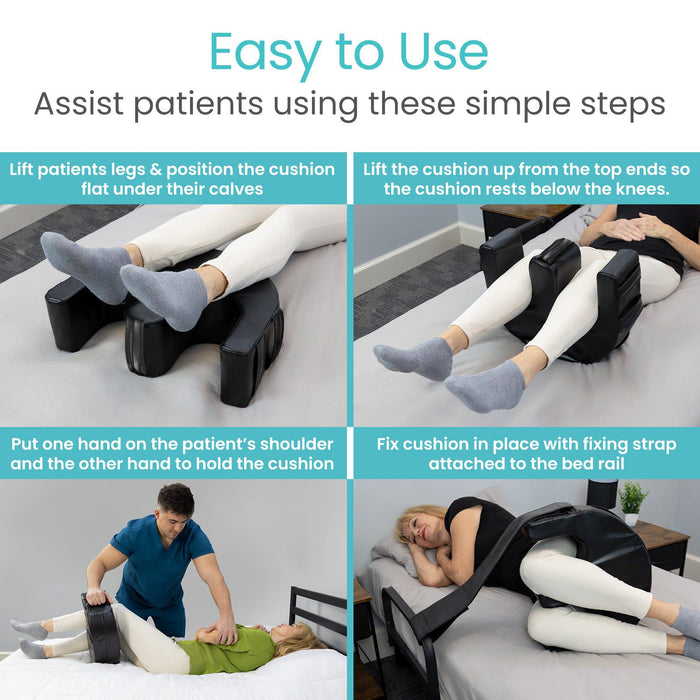
Immobile seniors face higher risks of dry skin and pressure sores. Extra care makes a meaningful difference.
Reposition Every Two Hours
Change position every two hours to relieve pressure on the skin. Use pillows or foam pads to cushion bony areas like heels and hips. This supports circulation and prevents skin breakdown.
Apply Barrier Creams on Pressure Points
Use zinc oxide or dimethicone creams on areas prone to friction and moisture, such as under the breasts, groin, and buttocks. These products form a protective layer against irritation.
Choose Gentle Incontinence Products
For seniors managing incontinence, use pH-balanced, alcohol-free wipes and breathable pads. Change products promptly after soiling and apply a moisture barrier ointment to protect the area.
Frequently Asked Questions About Elderly Dry Skin Treatment
What is the best moisturizer for elderly dry skin?
The best moisturizers for elderly dry skin contain ceramides, glycerin, hyaluronic acid, petrolatum, or shea butter. Ointments and creams outperform thin lotions because they contain more oils and create a stronger barrier against water loss. Always choose fragrance-free and hypoallergenic formulas to minimize irritation.
How often should seniors apply moisturizer?
Seniors should apply moisturizer at least twice daily, in the morning and at night. The most important application happens within three minutes after bathing, when the skin is still slightly damp. Reapply throughout the day after handwashing or whenever skin feels tight or rough.
Can drinking water help with elderly dry skin?
Drinking water supports overall hydration but does not directly cure dry skin. However, chronic dehydration worsens dryness, so seniors should aim for 6 to 8 glasses of water daily. Those with heart or kidney conditions should follow their doctor’s specific fluid guidelines.
What medical conditions cause dry skin in older adults?
Several medical conditions can cause or worsen dry skin in older adults, including hypothyroidism, diabetes, kidney disease, eczema, and malnutrition. Vitamin A, C, E, or essential fatty acid deficiencies also contribute to dryness. A healthcare provider can diagnose these conditions through testing and recommend targeted treatment.
When should an elderly person see a doctor for dry skin?
An elderly person should see a doctor for dry skin when home care fails to improve symptoms after two to three weeks, when itching disrupts sleep, or when cracks bleed or show signs of infection such as redness, pus, or swelling. These signs may point to underlying conditions that need medical treatment.
Are hot baths bad for elderly dry skin?
Hot baths are harmful for elderly dry skin because hot water strips natural oils from the skin and damages the protective barrier. Seniors should bathe in lukewarm water for no more than 10 minutes and apply moisturizer immediately afterward to lock in hydration.
Lasting Relief Through Consistent Elderly Dry Skin Treatment
Effective elderly dry skin treatment relies on a steady, multi-step approach that combines proper moisturizing, gentle bathing, environmental control, and medical awareness. Start with a twice-daily moisturizing routine using creams rich in ceramides or petrolatum, then adjust bathing habits to protect natural oils. Add a humidifier during dry months, dress in soft breathable fabrics, and monitor skin weekly for early signs of trouble.
When home care is not enough, consult a doctor to rule out medication side effects or underlying conditions. With patience and the right routine, most seniors can achieve meaningful relief and enjoy healthier, more comfortable skin at any age.