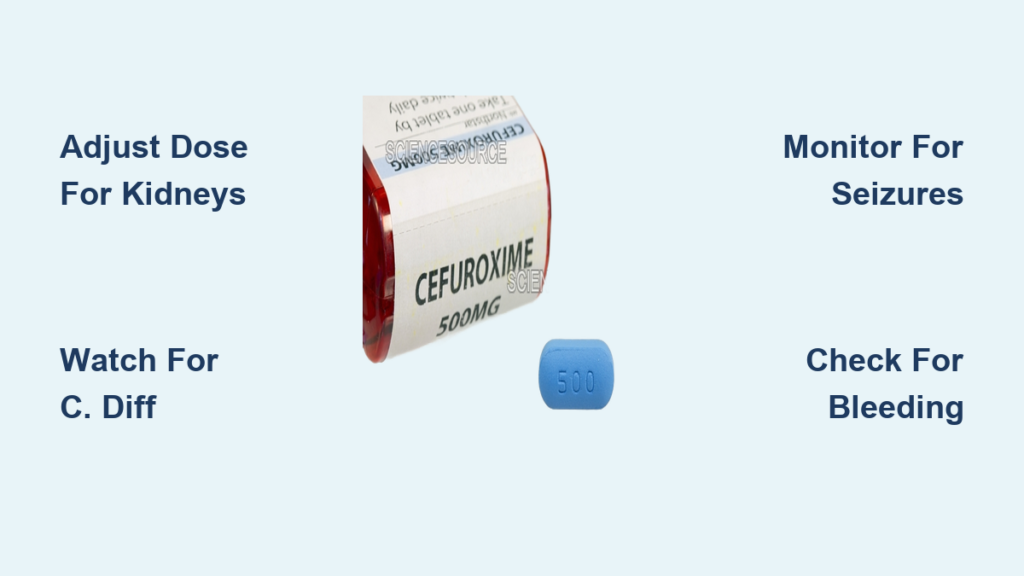
Cefuroxime is a widely prescribed second-generation cephalosporin antibiotic used to treat infections like bronchitis, pneumonia, urinary tract infections, and skin conditions. While effective, its use in older adults requires caution, especially due to age-related changes in kidney function and increased vulnerability to side effects. In the elderly, cefuroxime side effects can be more frequent, severe, or harder to recognize, making careful monitoring essential.
Older adults are particularly at risk for drug accumulation because cefuroxime is cleared almost entirely by the kidneys. As renal function declines with age, unadjusted dosing can lead to toxic levels, raising the risk of seizures, confusion, and acute kidney injury. Additionally, elderly patients face higher chances of Clostridioides difficile infection, bleeding complications, and severe allergic skin reactions. With many seniors on multiple medications, drug interactions further complicate treatment safety.
This guide breaks down the most common and dangerous side effects of cefuroxime in the elderly, highlights warning signs caregivers should watch for, and provides practical steps for prevention and management. You’ll learn how to balance effective infection treatment with minimizing harm in older patients.
Monitor Kidney Function Closely
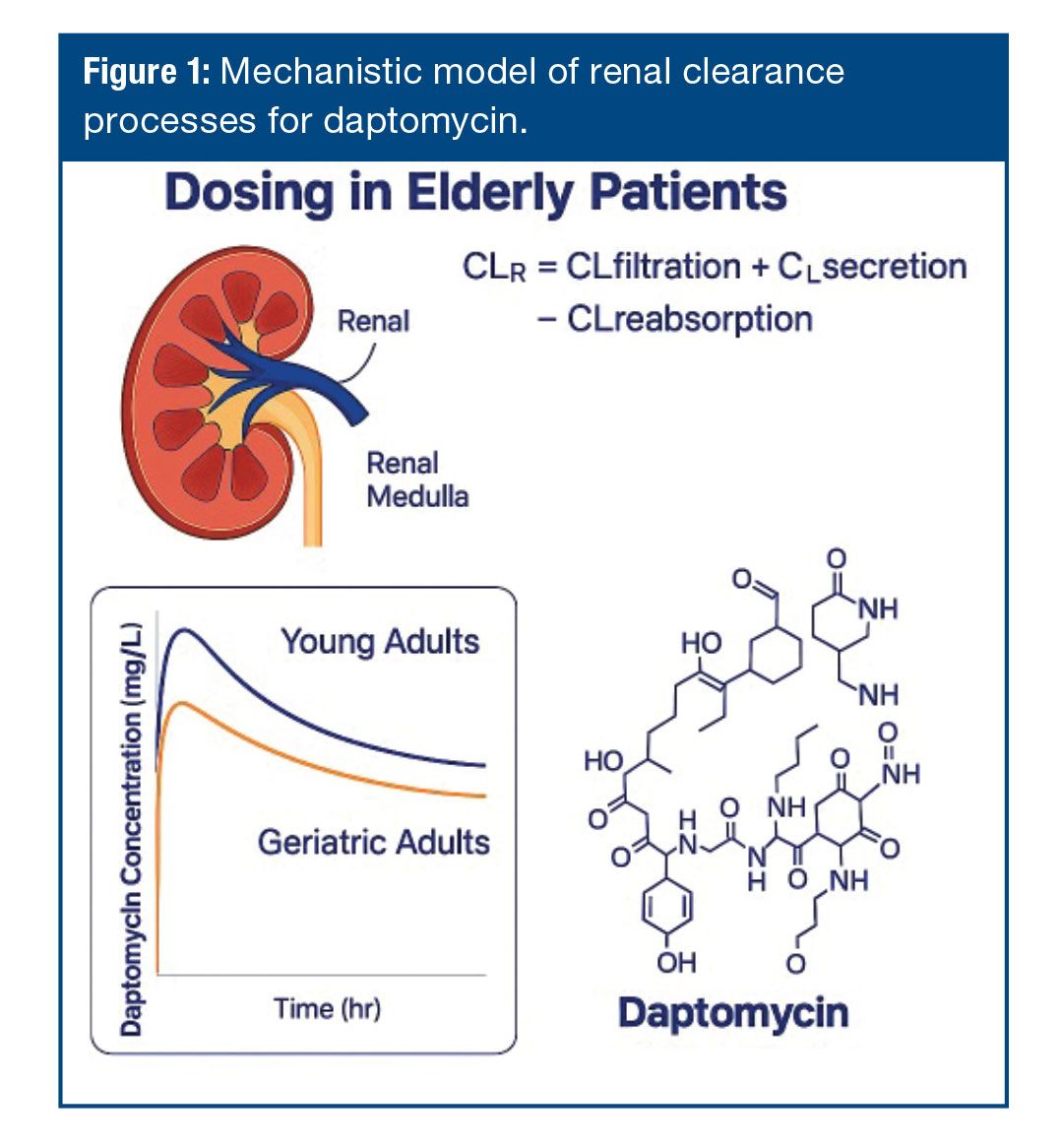
Since cefuroxime is eliminated unchanged by the kidneys, impaired renal function, common in older adults, can lead to drug buildup and toxicity. Without dose adjustment, serum levels rise, increasing the risk of neurological and systemic side effects.
Adjust Dose for Reduced GFR
Elderly patients often have decreased glomerular filtration rate even without diagnosed kidney disease. Standard adult dosing may be unsafe. Dose reduction is required when creatinine clearance falls below 30 mL/min. For example:
– Usual dose: 250–500 mg every 12 hours
– With CrCl below 30 mL/min: Extend interval to every 24 hours or reduce dose by 50%
Healthcare providers must calculate CrCl using age, weight, and serum creatinine before prescribing.
Watch for Signs of Renal Toxicity
Although rare, cefuroxime has been linked to acute interstitial nephritis and renal failure. Symptoms include:
– Decreased urine output
– Swelling in legs or feet
– Fatigue, nausea, confusion
– Elevated BUN and creatinine on lab tests
If kidney injury is suspected, stop cefuroxime and evaluate promptly. Rechallenge can worsen damage.
Prevent C. diff Infection in Seniors

Clostridioides difficile infection is one of the most dangerous complications of antibiotic use in older adults, and cefuroxime is no exception.
Recognize Delayed-Onset Diarrhea
C. diff can develop during treatment or up to 8 weeks after stopping cefuroxime. Symptoms include:
– Frequent watery stools (sometimes bloody)
– Abdominal cramping and bloating
– Fever and loss of appetite
Elderly patients may not report typical symptoms. Instead, they may present with sudden confusion or worsening frailty.
Red flag: Do not use loperamide to treat diarrhea during or after cefuroxime. It can trap toxins in the gut and worsen colitis.
Reduce Risk with Probiotics and Hydration
While evidence varies, some studies suggest probiotics may lower C. diff risk when taken alongside antibiotics. Encourage fluid intake to prevent dehydration from loose stools.
Prescribers should reserve cefuroxime for confirmed bacterial infections and avoid unnecessary use in mild or viral illnesses.
Manage Gastrointestinal Upset
GI side effects are the most common reason patients discontinue cefuroxime, and older adults are especially vulnerable to complications from nausea, vomiting, and diarrhea.
Take With Food to Reduce Nausea
Elderly patients should take oral cefuroxime with meals to minimize stomach upset. Food improves tolerability and reduces the likelihood of vomiting or acid reflux.
Avoid spicy, greasy, or acidic foods during treatment. Small, frequent meals may help if abdominal discomfort occurs.
Treat Oral and Vaginal Thrush Promptly
Antibiotics disrupt normal flora, leading to Candida overgrowth:
– Oral thrush: White patches on tongue or cheeks, sore mouth
– Vaginal candidiasis: Itching, burning, white discharge
Topical antifungals are first-line treatments. For persistent cases, fluconazole may be prescribed, but assess liver and renal function first in older adults.
Watch for Neurological Reactions
Neurotoxicity is a serious concern with cefuroxime in the elderly, particularly in those with kidney impairment.
Identify Seizure Risk Factors
Seizures and encephalopathy are rare but documented with cephalosporins, especially when:
– Renal function is poor
– High doses are used
– The patient has pre-existing brain disease (e.g., stroke, dementia)
Symptoms may include tremors, muscle twitching, confusion, or full convulsions.
Action: Discontinue cefuroxime immediately if neurological symptoms appear. Consider alternative antibiotics with lower CNS penetration.
Address Dizziness and Fall Risk
Dizziness and somnolence occur in up to 10% of patients. In seniors, these effects increase fall risk, especially when combined with other sedating medications.
Safety tips:
– Advise patients not to drive or operate machinery
– Install grab bars and non-slip mats at home
– Encourage sitting up slowly to prevent orthostatic drops
Report any new-onset confusion or memory issues to the prescriber promptly.
Detect Hematologic Abnormalities Early
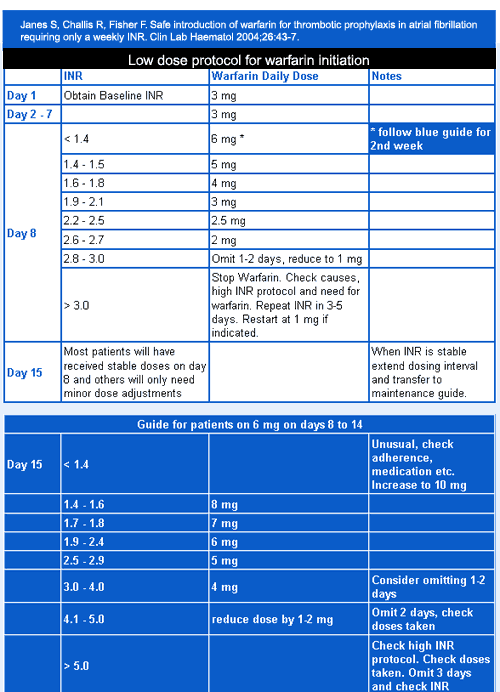
Cefuroxime can affect blood cell production and clotting, posing risks for elderly patients with nutritional deficiencies or on anticoagulants.
Monitor for Bleeding in Warfarin Users
Cefuroxime may potentiate warfarin’s effects, increasing INR and bleeding risk. This interaction is likely due to gut flora disruption reducing vitamin K synthesis.
Management:
– Check INR before starting and 3–5 days after initiating cefuroxime
– Watch for signs of bleeding: bruising, nosebleeds, black stools, blood in urine
– Consider temporary warfarin dose adjustment under medical supervision
Avoid concurrent use with heparin unless closely monitored.
Check Blood Counts in Prolonged Therapy
Longer courses (beyond 10 days) increase the risk of:
– Eosinophilia (common, often asymptomatic)
– Leukopenia or neutropenia (low white blood cells)
– Thrombocytopenia (low platelets, uncommon)
Routine CBC testing is advisable in frail or hospitalized elderly patients on extended therapy.
A positive Coombs test may occur, complicating future blood transfusions. Document this if found.
Recognize Skin and Allergic Reactions

Allergic reactions to cefuroxime range from mild rashes to life-threatening conditions, with older adults at risk for both immediate and delayed hypersensitivity.
Differentiate Mild Rash From SCARs
A mild, itchy rash may resolve after stopping the drug. However, certain reactions require emergency care:
– Stevens-Johnson Syndrome (SJS): Blistering mouth sores, target-like skin lesions, fever
– Toxic Epidermal Necrolysis (TEN): Widespread skin peeling, resembling burns
– DRESS: Rash, fever, swollen lymph nodes, and organ involvement (liver/kidneys)
Onset: These severe reactions can appear days to weeks after treatment starts, or even after stopping.
Action: Discontinue cefuroxime at first sign of blistering or mucosal involvement and seek emergency help.
Assess Penicillin Allergy History
Cefuroxime shares structural similarities with penicillins. While cross-reactivity is low (around 2–3%), it is higher in patients with immediate-type penicillin allergy (anaphylaxis, hives within 1 hour).
Guideline:
– Avoid cefuroxime in patients with severe penicillin allergy
– Use with caution in those with mild or remote reactions
– Consider allergy testing or alternative antibiotics when uncertain
Evaluate Liver and Heart Effects
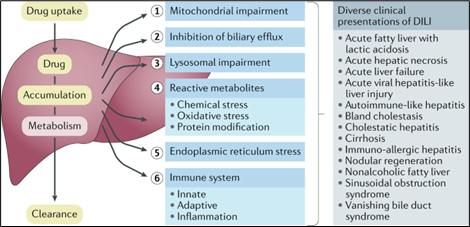
Though less common, cefuroxime can impact liver function and cardiovascular stability, especially in debilitated seniors.
Track Liver Enzyme Elevations
Transient increases in AST, ALT, and alkaline phosphatase occur in 1–10% of patients. These are usually harmless and resolve after stopping the drug.
However, watch for signs of cholestatic hepatitis:
– Jaundice (yellow skin/eyes)
– Dark urine, pale stools
– Persistent abdominal pain
Discontinue if liver dysfunction is suspected and test LFTs.
Heed Chest Pain and Tachycardia
Rare cases of Kounis syndrome, an allergic angina triggered by mast cell activation, have been reported. A 90-year-old man developed chest pain and rash minutes after IV cefuroxime, resolving after discontinuation.
Symptoms to flag:
– Chest tightness or pressure
– Rapid heartbeat (tachycardia)
– Shortness of breath during infusion
These may signal an allergic cardiac event, not just GI discomfort. Stop the drug and evaluate cardiac status.
Avoid Drug Interactions in Polypharmacy
Older adults often take multiple medications, increasing the chance of harmful interactions with cefuroxime.
Watch for Absorption and Excretion Conflicts
| Interaction | Effect | Management |
|---|---|---|
| Probenecid | Slows cefuroxime excretion, leading to higher blood levels | Avoid combination; risk of toxicity |
| Antacids/PPIs/H2 blockers | May reduce absorption of cefuroxime axetil | Separate dosing by 2–3 hours |
| Nephrotoxic drugs (e.g., aminoglycosides, NSAIDs) | Additive kidney damage | Monitor renal function closely |
| Alcohol | No strong disulfiram-like reaction, but caution advised | Limit intake; avoid heavy drinking |
Always review the full medication list, including OTCs and supplements, before prescribing.
Administer Correctly and Store Properly
Proper use ensures effectiveness and reduces side effect risk, especially in older patients managing medications at home.
Follow Dosing and Administration Rules
- Tablets: Swallow whole. Do not crush or chew, as the bitter taste and potential irritation can cause problems.
- Suspension: Shake well. Use oral syringe for accuracy. Must be taken with food.
- Missed dose: Take as soon as remembered. Skip if near next dose. Never double dose.
Switching between tablet and liquid forms requires medical approval. Doses are not directly interchangeable.
Store Medication Safely
- Tablets: Room temperature, away from moisture and sunlight
- Suspension: Refrigerate. Discard after 10 days
- IV form: Administered in clinical settings only
Know When to Seek Help
Early recognition of serious side effects can prevent hospitalization or death in elderly patients.
Emergency Warning Signs
Seek immediate care if any of these occur:
– Severe diarrhea (6+ watery stools/day)
– Blood in stool or black, tarry stools
– Blistering or peeling skin
– Difficulty breathing, facial swelling
– Seizures or sudden confusion
– Chest pain or rapid heartbeat
– Signs of dehydration (dry mouth, dizziness, low urine output)
Regular Monitoring Tips
For safer use in seniors:
– Check kidney function before and during treatment
– Monitor INR in patients on warfarin
– Assess for new neurological or GI symptoms daily
– Encourage hydration and balanced nutrition
– Use lowest effective dose for shortest duration
Frequently Asked Questions About Cefuroxime Side Effects in Elderly
What is the most serious side effect of cefuroxime in elderly patients?
Seizures and encephalopathy are among the most serious side effects, particularly in patients with reduced kidney function. Drug accumulation from impaired renal clearance can trigger neurotoxicity, requiring immediate discontinuation.
Why are elderly patients more prone to C. diff infection with cefuroxime?
Aging weakens immune defenses and disrupts gut flora balance. Cefuroxime further disrupts intestinal bacteria, allowing Clostridioides difficile to overgrow. The elderly face the highest risk of severe or fatal outcomes from this complication.
How should cefuroxime dosing be adjusted for elderly patients?
Dosing must be based on creatinine clearance. When CrCl falls below 30 mL/min, the interval should be extended to every 24 hours or the dose reduced by 50%. Providers should calculate renal function before starting therapy.
Can cefuroxime interact with warfarin in seniors?
Yes. Cefuroxime can increase warfarin’s anticoagulant effect, raising INR and bleeding risk. This occurs partly because antibiotics reduce gut bacteria that produce vitamin K. Close INR monitoring is essential.
What are the signs of an allergic reaction to cefuroxime?
Mild reactions include itching and hives. Severe reactions include facial swelling, difficulty breathing, blistering skin, and target-like lesions. Any sign of anaphylaxis or severe cutaneous reaction requires emergency care.
How long after stopping cefuroxime can side effects appear?
C. diff diarrhea can develop up to 8 weeks after discontinuation. Severe skin reactions like SJS, TEN, and DRESS may also appear days to weeks after stopping the drug. Continued vigilance is essential.
Key Takeaways for Managing Cefuroxime Side Effects in Elderly Patients
Cefuroxime can be a valuable antibiotic for older adults when prescribed thoughtfully. The three most important safety measures are adjusting doses for kidney function, watching for C. diff and bleeding complications, and educating caregivers about emergency warning signs. Elderly patients require closer monitoring than younger adults due to age-related physiological changes and polypharmacy risks.
Before starting cefuroxime in an older patient, request a full medication review and baseline kidney function tests. During treatment, watch for new neurological symptoms, diarrhea, or signs of bleeding. After treatment ends, remain alert for delayed reactions like C. diff for up to two months. When safety concerns outweigh therapeutic benefits, discuss alternative antibiotics with the prescriber.