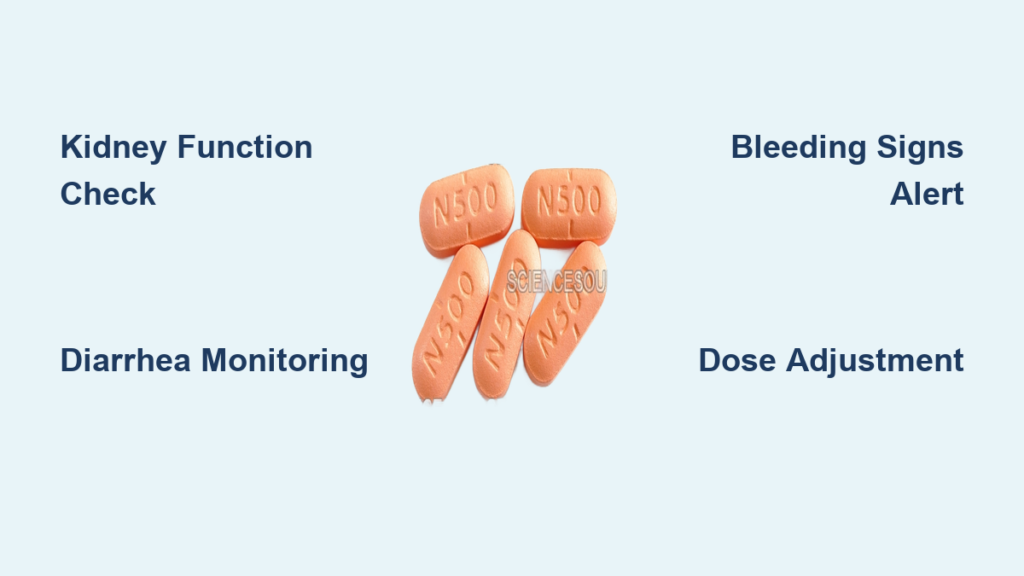
Cephalexin is one of the most frequently prescribed antibiotics for older adults, treating common infections like urinary tract infections, skin infections, and respiratory illnesses. Yet cephalexin side effects in elderly patients deserve special attention because aging changes how the body processes medications. As kidney function naturally declines with age, the drug stays in the system longer, amplifying both its benefits and its risks. What causes mild discomfort in a younger person can quickly become dangerous for a senior, leading to dehydration, falls, hospitalization, or serious complications like C. difficile infection.
This guide covers everything caregivers and older adults need to know about cephalexin safety. You will learn how kidney health affects dosing, which symptoms require urgent care, which drug combinations to avoid, and practical strategies to prevent the most common problems during treatment.
How Aging Changes Cephalexin Safety in the Body

Elderly patients metabolize cephalexin differently than younger adults. These physiological shifts increase the likelihood of side effects, even at standard prescribed doses.
Declining Kidney Function Requires Dose Adjustment
Kidneys filter medications from the bloodstream. With age, kidney function often decreases, slowing the elimination of cephalexin. This causes drug accumulation, raising the risk of toxicity and side effects like confusion, seizures, or further kidney damage.
- Action: Doctors should evaluate kidney function through blood tests (such as creatinine clearance) before prescribing.
- Dosing: Lower doses or less frequent dosing may be necessary. Never assume a standard adult dose is automatically safe.
- Monitoring: Long-term use requires periodic blood work to track kidney function and blood cell counts.
Higher Risk of Dehydration and Falls
Diarrhea and gastrointestinal upset are common with cephalexin. In seniors, even mild diarrhea can quickly cause dehydration, which worsens dizziness and increases fall risk, a leading cause of injury in older adults.
- Signs of dehydration: Dry mouth, dark urine, dizziness, confusion, low blood pressure.
- Prevention: Encourage frequent sips of water, oral rehydration solutions, or broths throughout the day.
- Fall prevention: Advise slow, deliberate movements when standing, especially after sitting or lying down.
Common Cephalexin Side Effects and Their Risks for the Elderly

Most side effects are mild but can escalate quickly in older adults due to reduced physical reserves and existing health conditions.
Manage Diarrhea Before It Worsens
Diarrhea is the most frequent cephalexin side effect. While usually mild, it can trigger dehydration, electrolyte imbalances, or signal a dangerous C. diff infection in seniors.
- Take with food to reduce stomach irritation.
- Use probiotics such as Lactobacillus or Saccharomyces boulardii, taken at least 2 hours apart from cephalexin to avoid interference.
- Hydrate aggressively and aim for pale yellow urine as a hydration indicator.
- Avoid anti-diarrheal medications like loperamide unless approved by a doctor, especially if fever or bloody stools occur.
Reduce Nausea and Stomach Discomfort
Nausea, vomiting, and stomach pain often improve when cephalexin is taken with meals rather than on an empty stomach.
- Eat small, bland meals such as toast, rice, or bananas.
- Avoid spicy, greasy, or acidic foods that worsen stomach upset.
- Use antacids cautiously, as calcium carbonate may help heartburn but can interfere with other medications.
If vomiting prevents medication absorption, contact the prescriber rather than doubling the next dose.
Prevent Vaginal Yeast Infections
Antibiotics disrupt healthy vaginal flora, leading to yeast overgrowth, a common concern among elderly women taking cephalexin.
- Symptoms: Itching, burning, thick white discharge.
- Treatment: Over-the-counter antifungals (miconazole, clotrimazole) or prescription fluconazole.
- Prevention: Probiotics may help maintain healthy bacterial balance.
Recognize and Respond to Serious Side Effects
Some reactions are rare but life-threatening. Early recognition is critical in older adults, who may not display typical symptoms.
Watch for C. diff Infection
Clostridioides difficile (C. diff) is a dangerous intestinal infection triggered by antibiotic use. Symptoms can appear during treatment or up to 8 weeks after finishing cephalexin.
- Warning signs: Severe watery diarrhea (three or more times daily), abdominal cramps, fever, loss of appetite.
- Action: Stop cephalexin and contact a doctor immediately. Do not use anti-diarrheal medications.
- Risk factors: Recent antibiotic use, hospitalization, weakened immune system.
Untreated C. diff can lead to colitis, sepsis, or death, especially in elderly patients.
Identify Severe Allergic Reactions
Allergic reactions to cephalexin are uncommon but can be severe. Cross-reactivity with penicillin is possible, though the risk remains low at 5–10%.
- Mild allergy: Rash, hives, itching, often manageable with antihistamines.
- Anaphylaxis (emergency): Swelling of the face or lips, difficulty breathing, wheezing, rapid heartbeat.
- Severe skin reactions: Blistering, peeling skin (Stevens-Johnson syndrome), mouth sores.
Call 911 or go to the emergency room immediately for any breathing difficulty or severe skin reaction.
Monitor for Bleeding and Anemia
Cephalexin can interfere with blood clotting and vitamin K metabolism, increasing bleeding risk, particularly in seniors on blood thinners.
- At-risk patients: Elderly individuals, those with kidney or liver disease, patients on warfarin, aspirin, or NSAIDs.
- Signs of bleeding: Unusual bruising, nosebleeds, blood in urine (pink or red), black or tarry stools, bleeding gums.
- Anemia symptoms: Fatigue, pale skin, shortness of breath, dizziness.
Report any bleeding signs to a healthcare provider immediately. INR levels should be monitored closely for patients on warfarin.
Detect Neurological and Liver Problems
Rare but dangerous side effects require prompt medical attention.
Seizures and Hallucinations
- Risk factors: History of seizures or kidney impairment, which leads to drug buildup.
- Symptoms: Sudden convulsions, confusion, hallucinations (seeing or hearing things that are not there).
- Action: Seek emergency care. Dose adjustment is essential for patients with kidney impairment.
Liver Damage Signs
- Symptoms: Yellow skin or eyes (jaundice), dark urine, pale stools, nausea, abdominal pain.
- Note: Jaundice may be harder to detect on darker skin tones. Check the whites of the eyes for yellowing.
- Action: Stop the medication and contact a doctor.
Safe Dosing and Administration for Seniors

Proper use reduces side effects and ensures the infection is fully treated.
Follow Adjusted Dosing Guidelines
Standard adult doses may be unsafe for elderly patients with reduced kidney function.
- Typical adult dose: 500 mg every 6 to 8 hours, totaling 1 to 4 grams per day.
- Elderly adjustment: Based on kidney function. May be reduced to 250 to 500 mg every 12 hours.
- Prescriber’s role: Must review kidney tests and adjust the dose accordingly.
Take Correctly to Maximize Safety
- With or without food: Taking cephalexin with food reduces stomach upset.
- Even spacing: Take doses at consistent times, such as 8 AM, 2 PM, and 8 PM.
- Do not crush tablets: Swallow whole with a full glass of water.
- Liquid form: Shake well before each use, measure with the provided device (not a household spoon), refrigerate, and discard after 14 days.
Never Skip or Double Doses
- Missed dose: Take as soon as remembered. If the next dose is near, skip the missed one. Never double up.
- Complete the full course: Stopping early increases the risk of antibiotic resistance, even if symptoms improve.
- Gap rule: Maintain at least 4 hours between doses when catching up.
Avoid Dangerous Drug Interactions
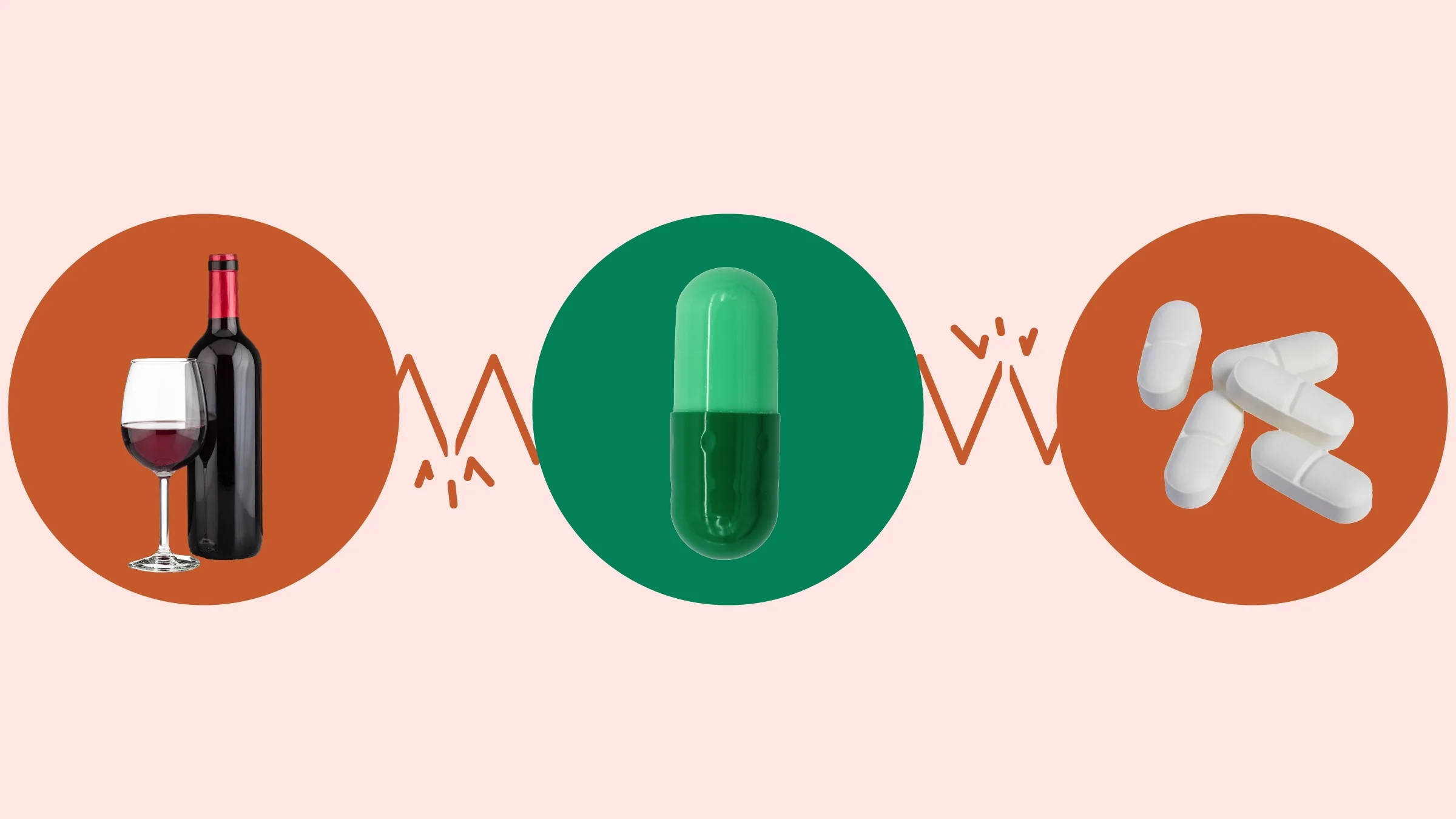
Many elderly patients take multiple medications, some of which interact with cephalexin.
High-Risk Medication Combinations
| Drug | Interaction Risk | Recommended Action |
|---|---|---|
| Warfarin | Increased bleeding risk | Monitor INR closely; adjust warfarin dose if needed |
| Metformin | Possible lactic acidosis (rare) | Watch for weakness, muscle pain, trouble breathing |
| Furosemide | Increased kidney toxicity risk | Monitor for reduced urine output or swelling |
| Probenecid | Raises cephalexin blood levels | May require dose reduction |
| Zinc supplements | Reduces cephalexin absorption by 50% | Take zinc 3 or more hours before or after cephalexin |
| Cholestyramine | Decreases antibiotic absorption | Separate doses by at least 2 hours |
| Birth control pills | May reduce effectiveness | Use backup contraception during and 7 days after treatment |
| Dofetilide | Not recommended together | Avoid concurrent use |
Conditions That Require Extra Caution
- Kidney disease: Requires lower doses and close monitoring.
- Liver disease: Increases risk of bleeding and toxicity.
- History of colitis: Higher risk of C. diff; use only if clearly needed.
- Seizure disorder: Use with caution due to seizure risk.
- Diabetes: Cephalexin can cause false-positive urine glucose tests with Clinitest. Use Clinistix or TesTape instead.
Storage, Disposal, and Overdose Response
Proper handling prevents accidents and maintains medication effectiveness.
Store Properly to Maintain Potency
- Capsules and tablets: Room temperature in a dry place, away from bathroom moisture.
- Liquid suspension: Refrigerate, keep tightly closed, and use within 14 days.
- Safety: Keep out of reach of children and pets, as even small doses can cause harm.
Dispose of Unused Medication Safely
- Do not flush unless specifically instructed.
- Use take-back programs at pharmacies or community events.
- Follow FDA guidelines: Mix with an unpalatable substance like coffee grounds, seal in a bag, and place in the trash.
Recognize and Respond to Overdose
Overdose is rare but possible, especially in confused or cognitively impaired seniors.
- Symptoms: Severe nausea, vomiting, diarrhea, stomach pain, pink or dark brown urine.
- Action:
- Call Poison Control at 1-800-222-1222 (US).
- If the person is unconscious, seizing, or struggling to breathe, call 911 immediately.
- One extra dose is usually not dangerous, but two or more require medical advice.
Proactive Strategies for Safer Cephalexin Use in the Elderly

Prevention is the most effective approach. These steps reduce side effects and improve treatment success.
Support Gut Health During Treatment
Antibiotics disrupt the microbiome. Protecting gut health reduces diarrhea and yeast infection risk.
- Use probiotics: Take Saccharomyces boulardii or multi-strain probiotics 2 hours after each cephalexin dose.
- Eat fermented foods: Yogurt with live cultures, kefir, and sauerkraut help restore beneficial bacteria.
- Stay hydrated: Clear fluids, broths, and electrolyte solutions support recovery.
Prevent Antibiotic Resistance
Misuse of antibiotics fuels resistant bacteria, a growing public health threat.
- Only use when prescribed: Never use leftover cephalexin for new symptoms.
- Finish the full course: Even if feeling better after a few days.
- Return if no improvement: If symptoms do not improve within 2 to 3 days, see the doctor, as resistance may be present.
Know When to Call the Doctor
Early intervention prevents serious complications. Contact a healthcare provider if any of the following occur:
- Diarrhea is severe, watery, bloody, or lasts more than 2 days.
- Rash, swelling, or breathing difficulties develop.
- Signs of dehydration appear, such as dizziness, dry mouth, or dark urine.
- Unusual bruising, bleeding, or black stools occur.
- Fever returns after finishing the course.
- Confusion, hallucinations, or seizures develop.
Frequently Asked Questions About Cephalexin Side Effects in Elderly Patients
What is the most dangerous side effect of cephalexin in the elderly?
C. difficile infection is among the most dangerous side effects. It causes severe watery diarrhea and can lead to life-threatening colitis. Symptoms may appear during treatment or up to 8 weeks after stopping the medication. Immediate medical attention is required.
Why do elderly patients need lower doses of cephalexin?
Kidney function naturally declines with age, reducing the body’s ability to clear cephalexin from the bloodstream. This causes drug buildup, which increases the risk of side effects like confusion, seizures, and kidney damage. Doctors adjust doses based on kidney function tests.
Can cephalexin cause confusion or dizziness in older adults?
Yes. Cephalexin can cause dizziness and, in rare cases, confusion or hallucinations, especially in patients with kidney impairment. These symptoms increase fall risk, a major concern for elderly individuals. Moving slowly and staying hydrated helps reduce dizziness.
Is diarrhea from cephalexin dangerous for seniors?
Diarrhea is usually mild but can quickly lead to dehydration in elderly patients. Severe or persistent diarrhea may indicate a C. diff infection, which requires immediate medical attention. Probiotics taken 2 hours apart from cephalexin may help reduce diarrhea risk.
Can cephalexin interact with blood thinners like warfarin?
Yes. Cephalexin can increase bleeding risk when taken with warfarin or other anticoagulants. Patients on blood thinners should have their INR monitored closely, and warfarin doses may need adjustment during cephalexin treatment.
How should elderly patients store cephalexin liquid?
Refrigerate the oral suspension, keep it tightly closed, and discard any unused portion after 14 days. Always use the provided measuring device rather than a household spoon to ensure accurate dosing.
Key Takeaways for Safe Cephalexin Use in Elderly Patients
Cephalexin remains a safe and effective antibiotic for older adults when used with proper precautions. The most important factors are personalized dosing based on kidney function, vigilant monitoring for dehydration and falls, and prompt response to warning signs like severe diarrhea, bleeding, or allergic reactions. Caregivers and patients should maintain open communication with the prescribing provider about existing conditions, current medications, and any new symptoms during treatment.
Next step: Before starting cephalexin, ask the prescribing doctor whether kidney function has been assessed and whether the dose has been adjusted accordingly. Keep a written list of all current medications to review for potential interactions, and set reminders for hydration and dose timing throughout the day.