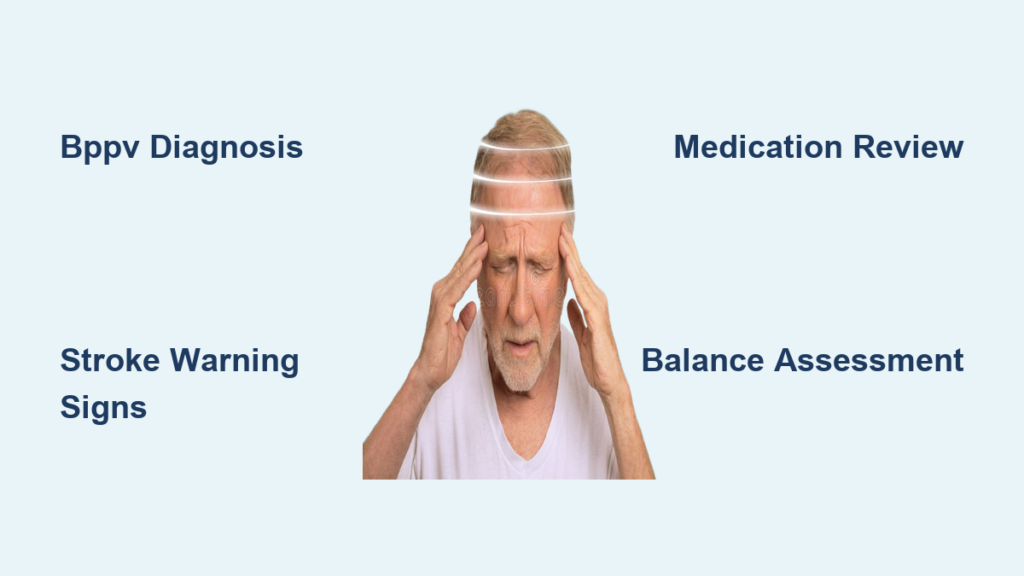
Vertigo in the elderly is far more serious than occasional dizziness. It is a distinct sensation of spinning or movement that occurs when the body remains still. Unlike general lightheadedness, vertigo signals dysfunction within the balance system, often involving the inner ear, brain, or sensory pathways. For adults over 60, new-onset vertigo is a clinical red flag affecting more than 30% of this population. It dramatically increases fall risk, and falls account for roughly 50% of unintentional deaths in seniors. With multiple body systems declining simultaneously, vertigo in older adults frequently stems from overlapping causes, making accurate diagnosis essential.
The causes extend well beyond ear problems. While benign paroxysmal positional vertigo (BPPV) leads the list, cardiovascular, neurological, and psychiatric conditions all play significant roles. Serious conditions like stroke or heart arrhythmias can present with vertigo as the initial symptom. This complexity means any sudden vertigo in an older person warrants immediate medical evaluation, often in the emergency room. This guide breaks down the leading causes, highlights critical warning signs, and explains how vertigo in the elderly differs from younger cases.
Audio-Vestibular Disorders Behind Vertigo
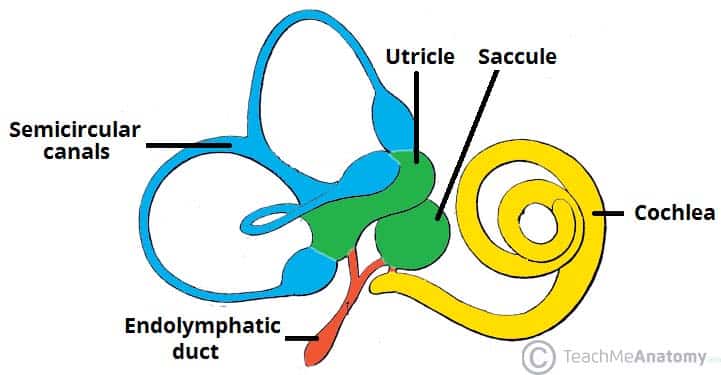
Balance begins in the inner ear. Age-related changes in this system represent the top reason older adults experience vertigo. These disorders disrupt the fluid-filled canals and sensory cells responsible for detecting motion and position.
BPPV: The Leading Cause of Vertigo in Elderly Adults
Benign paroxysmal positional vertigo is responsible for the majority of vertigo cases in older adults. The condition develops when tiny calcium carbonate crystals (otoconia) that normally sit in one part of the inner ear become dislodged and drift into the semicircular canals. When the head moves, these loose crystals shift and send false motion signals to the brain.
Episodes are brief but intense, typically triggered by rolling over in bed, looking upward, or bending forward. Older adults often report lingering unsteadiness between attacks. BPPV becomes more common with age because natural degeneration reduces otoconia density, making them easier to dislodge from the utricular macula. Diagnosis is confirmed through the Dix-Hallpike test, and treatment involves repositioning maneuvers like the Epley technique, which guides the crystals back to their proper location. Success rates exceed 90% after one or two sessions.
Endolymphatic Hydrops and Meniere’s Disease
Endolymphatic hydrops accounts for approximately 18% of audio-vestibular vertigo cases. This condition involves abnormal fluid pressure within the inner ear and is closely linked to Meniere’s disease, though full diagnostic criteria (hearing loss, tinnitus, vertigo, aural fullness) may not always appear in elderly patients.
Episodes last anywhere from 20 minutes to several hours and may include fluctuating hearing loss or ringing in the ear. Repeated attacks over time can lead to permanent damage to hearing and balance function. Management typically includes low-salt diets, diuretics, and occasionally intratympanic steroid injections. Advanced cases may require vestibular ablation procedures.
Presby-Vestibulopathy: Age-Related Vestibular Decline
Presby-vestibulopathy affects roughly 16% of elderly vertigo patients. This chronic condition results from the natural loss of vestibular hair cells and neurons over time. Unlike BPPV, symptoms are persistent rather than episodic, including unsteadiness, poor balance in darkness, and frequent near-falls.
The condition often coexists with age-related vision and hearing loss, creating what specialists call a “sensory triad” of imbalance. Diagnosis involves tests like the video head impulse test (vHIT), which reveals reduced vestibulo-ocular reflex function. Vestibular rehabilitation therapy (VRT) serves as the primary treatment, helping the brain adapt to weaker vestibular signals.
Other Inner Ear Conditions
Unilateral vestibular loss accounts for 13% of audio-vestibular cases and can result from aging, infection, or vascular problems. It causes persistent imbalance and motion sensitivity. Vestibular neuritis and labyrinthitis, often triggered by viral infections, produce sudden, severe vertigo with nausea lasting several days. Labyrinthitis may also involve hearing loss.
Less common causes include perilymphatic fistula (a tear in inner ear membranes), cholesteatoma (abnormal skin growth in the middle ear), and vestibular paroxysmia (irritation of the vestibular nerve). Ototoxic medications can also damage inner ear structures, a topic explored further below.
Cardiovascular Causes of Vertigo
Heart and blood vessel problems account for about 20% of vertigo cases in older adults. Given that roughly 70% of seniors have hypertension, cardiovascular dysfunction frequently contributes to dizziness and imbalance.
Blood Pressure Instability
Orthostatic hypotension, a sudden drop in blood pressure upon standing, ranks as the leading cardiovascular cause. It produces lightheadedness or vertigo when rising from a seated or lying position. Common triggers include dehydration, certain medications, and autonomic nervous system failure.
Poorly controlled hypertension itself can also cause vertigo by disrupting blood flow to the brainstem’s balance centers. Monitoring blood pressure in different positions helps identify these issues. Treatment typically involves improved hydration, compression stockings, and medication adjustments.
Posterior Circulation Stroke
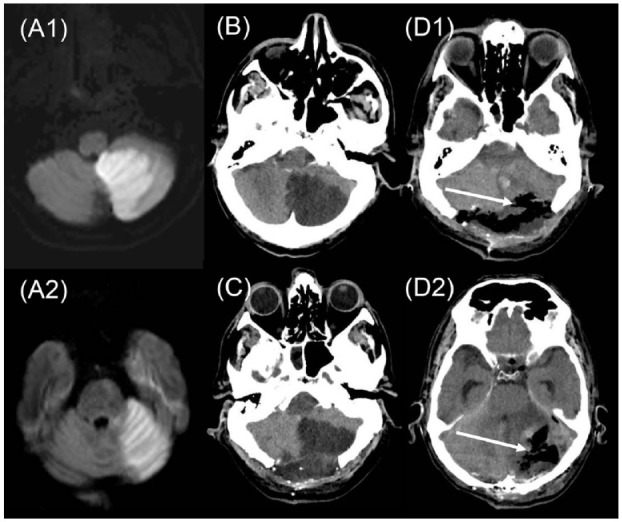
A blocked artery in the back of the brain can cause vertigo as the first or only symptom, making this a medical emergency. The brainstem and cerebellum, which control balance, depend on this blood supply.
Unlike BPPV, stroke-related vertigo often presents with additional neurological signs, including double vision, slurred speech, facial droop, limb weakness, or severe imbalance. The “HINTS” exam (Head Impulse, Nystagmus, Test of Skew) helps emergency physicians differentiate stroke from peripheral causes. Immediate MRI imaging is essential for diagnosis.
Arrhythmias and Structural Heart Disease
Irregular heartbeats reduce blood flow to the brain, causing episodic dizziness or near-fainting. Conditions like atrial fibrillation or bradycardia may present with vertigo, especially during physical exertion. Valvular heart disease and ischemic heart disease also impair circulation. A thorough cardiac workup, including ECG, Holter monitoring, and echocardiogram, is crucial when vertigo remains unexplained. Treating the underlying heart condition often resolves the dizziness.
Neurological Causes of Vertigo
Neurological disorders account for approximately 15% of vertigo cases in the elderly. These involve the brain’s balance centers and require careful evaluation to avoid missing serious conditions.
Vestibular Migraine
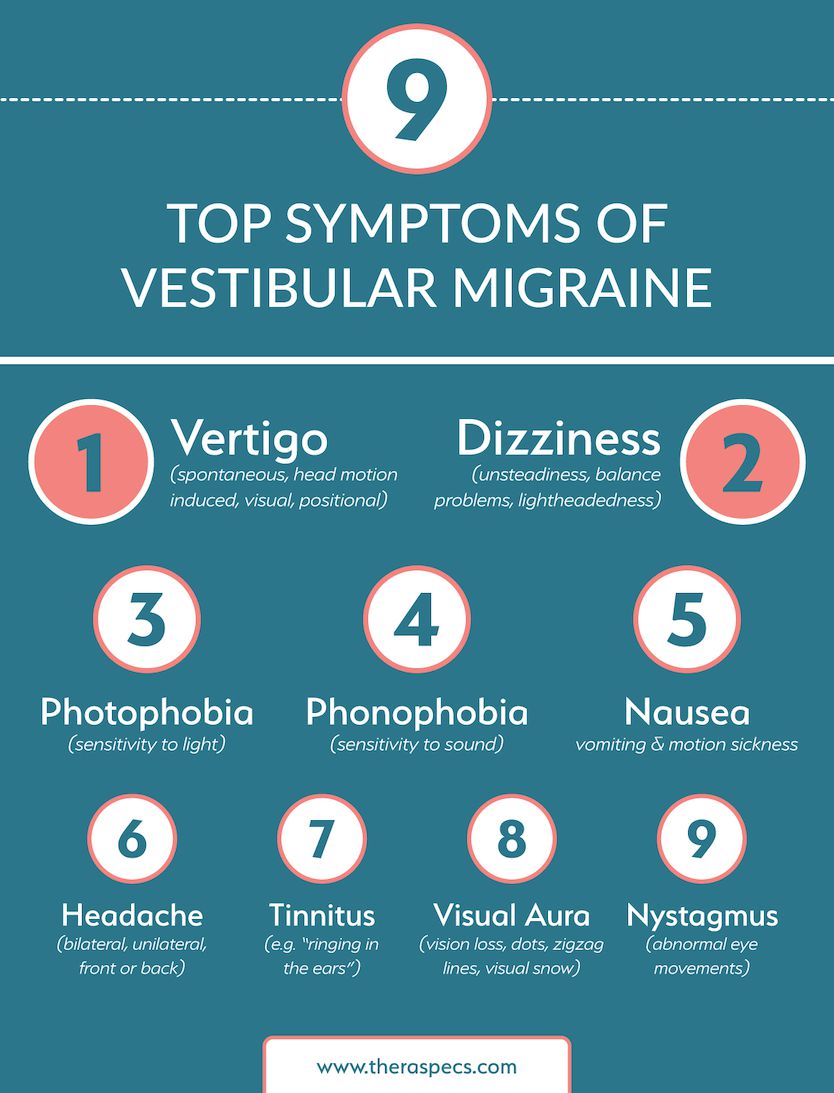
Migraine remains a significant vertigo trigger, even in older adults. Vestibular migraine causes attacks lasting minutes to hours, often without headache. Additional symptoms include light and sound sensitivity and motion intolerance.
While more common in younger populations, vestibular migraine persists or appears anew in seniors. Diagnosis relies on clinical history rather than specific tests. Treatment includes migraine preventives such as beta-blockers or anticonvulsants, along with identifying and avoiding personal triggers like stress or certain foods.
Stroke and Transient Ischemic Attacks
Transient ischemic attacks (TIAs) and strokes outside the posterior circulation can also produce vertigo. These may cause brief episodes of dizziness, imbalance, or spinning that resolve on their own, serving as warning signs of future stroke.
Risk factors include atrial fibrillation, carotid stenosis, and diabetes. Brain imaging and vascular studies such as carotid ultrasound and MRI are necessary for diagnosis. Antiplatelet therapy (like aspirin) and aggressive risk factor management form the cornerstone of prevention.
Neurodegenerative Diseases
Parkinson’s disease, Alzheimer’s disease, and multisystem atrophy commonly cause balance problems. In Parkinson’s, postural instability and freezing of gait can mimic vertigo. Alzheimer’s patients may misinterpret spatial cues, leading to disorientation and falls.
CANVAS syndrome (Cerebellar Ataxia, Neuropathy, Vestibular Areflexia) is a rare but important cause marked by down-beating nystagmus and progressive vestibular function loss. These conditions require long-term management through physical therapy and home safety modifications.
Brain Tumors and Multiple Sclerosis
Tumors such as vestibular schwannoma (acoustic neuroma) grow on the vestibular nerve, causing gradual hearing loss, tinnitus, and imbalance. MRI detects these growths early. Treatment ranges from monitoring to surgical removal or radiation therapy.
Multiple sclerosis rarely appears for the first time in elderly patients but can cause vertigo when lesions affect the brainstem. Diagnosis involves MRI and cerebrospinal fluid analysis.
Psychiatric and Functional Causes
Anxiety and depression contribute to nearly 10% of vertigo cases in older adults. These conditions are often overlooked but can severely diminish quality of life.
Anxiety-Induced Dizziness
Anxiety represents the most common psychiatric cause, accounting for 61% of psychiatric-related vertigo cases. It triggers hypervigilance, muscle tension, and excessive focus on balance, creating a cycle of fear and dizziness.
Patients may avoid movement due to fear of falling, leading to physical deconditioning and worsening balance. Panic attacks can mimic vertigo with lightheadedness and unsteadiness. Treatment includes cognitive behavioral therapy (CBT), SSRIs, and gradual exposure to feared movements.
Depression and Disability
Depression frequently coexists with vertigo and anxiety. It amplifies the perception of disability, reduces motivation for rehabilitation, and slows recovery. Seniors may withdraw socially, increasing isolation and fall risk. Screening for depression is essential. Antidepressants such as sertraline or mirtazapine, combined with psychotherapy, improve both mood and dizziness outcomes.
Medication and Metabolic Triggers
Polypharmacy, the use of multiple medications, is a major risk factor for vertigo in the elderly. Drug side effects and interactions frequently cause or worsen symptoms.
Ototoxic and CNS-Active Medications
Certain medications damage the inner ear or disrupt central balance processing. Common culprits include:
- Aminoglycoside antibiotics (such as gentamicin), which can cause permanent vestibular loss
- Loop diuretics (such as furosemide), which alter inner ear fluid dynamics
- Anticonvulsants (such as phenytoin), which impair cerebellar function
- Benzodiazepines and sedatives, which reduce alertness and coordination
- Aspirin in high doses, which can cause temporary tinnitus and vertigo
Reviewing all medications is a critical step in evaluating vertigo. Reducing doses or switching to alternative drugs often improves symptoms significantly.
Blood Sugar and Metabolic Issues
Hypoglycemia (low blood sugar) in diabetic patients can cause dizziness, confusion, and vertigo. Episodes often follow insulin or oral hypoglycemic use, particularly when meals are delayed. Hyperglycemia and long-standing diabetes also damage peripheral nerves, impairing proprioception and balance. Tight glucose control and regular monitoring help prevent metabolic vertigo triggers.
Vision, Movement, and Sensory Loss
Balance depends on vision, joint sensation, and inner ear input working together. Age-related decline in any of these systems contributes to vertigo-like symptoms.
Vision Impairment
Cataracts, glaucoma, and macular degeneration reduce visual feedback critical for balance. In low light or on uneven surfaces, the brain receives conflicting signals, leading to disorientation. Regular eye exams and proper home lighting reduce risk. Corrective lenses and assistive devices help maintain stability.
Musculoskeletal and Proprioceptive Decline
Arthritis, spinal stenosis, and muscle weakness limit mobility and joint position sense. Neck stiffness (cervicogenic dizziness) can also refer imbalance signals to the brain. Physical therapy improves strength, flexibility, and gait. Exercises that enhance proprioception, such as tai chi, have proven effectiveness in reducing fall risk.
Emergency Red Flags Requiring Immediate Care
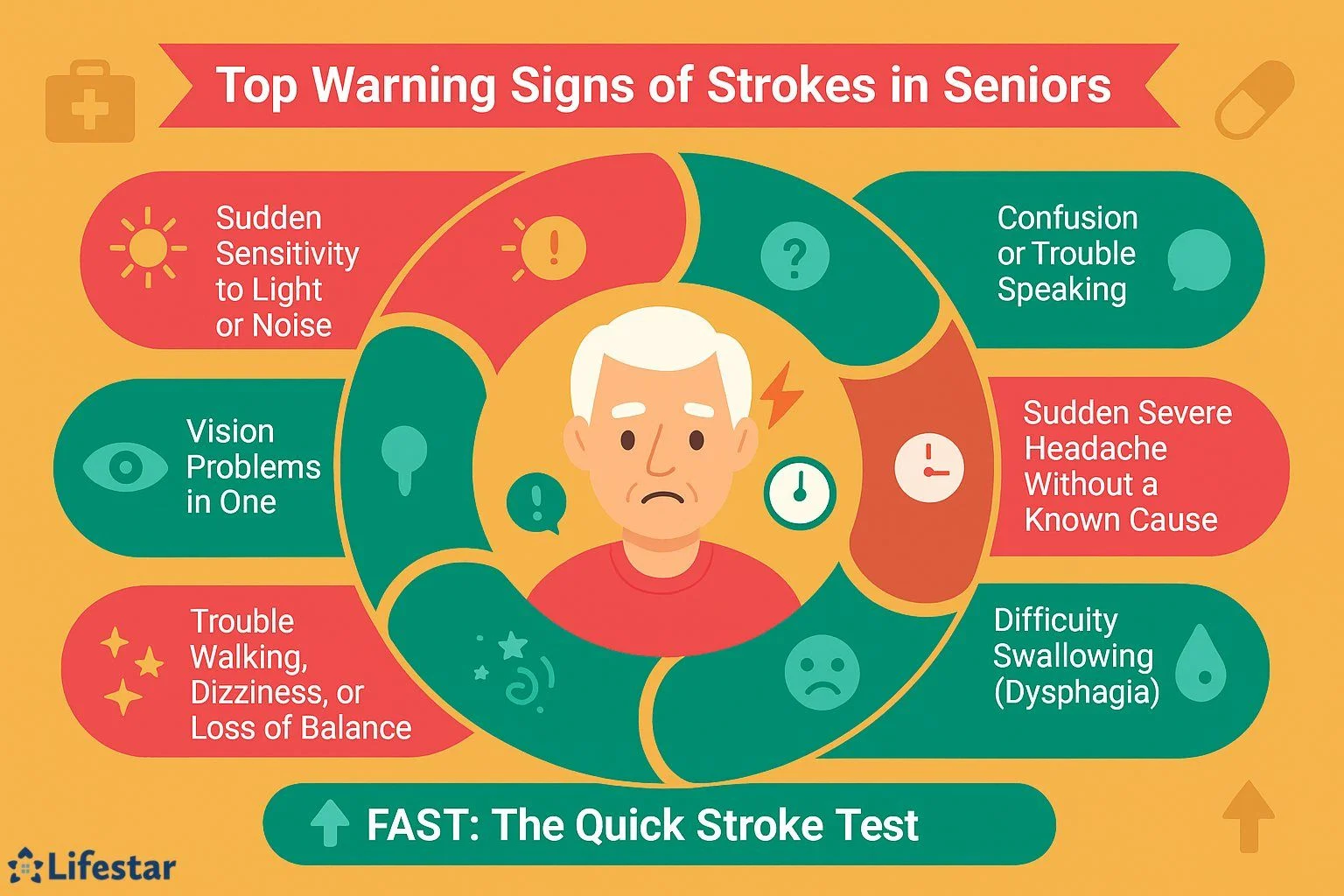
Not all vertigo is benign. In the elderly, new symptoms may signal life-threatening conditions. Immediate emergency room evaluation is required if any of the following occur:
- Sudden weakness or numbness, especially on one side of the body
- Trouble speaking or understanding speech
- Double vision or vision loss
- Severe headache with no prior history
- Loss of consciousness
- Chest pain or shortness of breath
- Vertigo while taking blood thinners
These signs could indicate stroke, heart attack, or hemorrhage. Call 911 and do not attempt to drive yourself. The emergency room can perform urgent imaging and initiate time-sensitive treatments.
Frequently Asked Questions About Vertigo in the Elderly
What Is the Most Common Cause of Vertigo in Elderly Adults?
Benign paroxysmal positional vertigo (BPPV) is the most common cause. It results from displaced calcium crystals in the inner ear and is highly treatable with repositioning maneuvers like the Epley technique, which has success rates exceeding 90%.
When Should an Elderly Person Go to the ER for Vertigo?
Immediate emergency care is necessary if vertigo accompanies sudden weakness, speech difficulty, double vision, severe headache, loss of consciousness, chest pain, or occurs while taking blood thinners. These signs may indicate stroke or other life-threatening conditions.
Can Medications Cause Vertigo in Older Adults?
Yes. Common medications including aminoglycoside antibiotics, loop diuretics, anticonvulsants, benzodiazepines, and high-dose aspirin can damage the inner ear or disrupt central balance processing. A thorough medication review is essential when evaluating vertigo.
How Does Vertigo in the Elderly Differ from Younger Adults?
Elderly patients face higher risk of serious underlying causes like stroke, heart disease, and tumors. They typically have multiple coexisting health conditions, slower recovery times, and significantly higher fall risk. Diagnosis is more complex due to multisystem involvement.
What Cardiovascular Conditions Cause Vertigo?
Orthostatic hypotension, hypertension, arrhythmias, ischemic heart disease, valvular disease, and posterior circulation stroke all cause vertigo. Blood pressure instability accounts for approximately 34.5% of cardiovascular-related vertigo cases.
Can Anxiety Cause Vertigo in Seniors?
Yes. Anxiety is the most common psychiatric cause of vertigo in older adults, accounting for 61% of psychiatric-related cases. It creates a cycle of fear, avoidance, and physical deconditioning that worsens balance problems.
Key Takeaways for Understanding Vertigo in the Elderly
Vertigo in older adults is a symptom, not a diagnosis, and it requires urgent evaluation to rule out stroke, heart disease, and tumors. BPPV remains the most common and most treatable cause, but cardiovascular and neurological conditions must never be overlooked. A complete medication review, balance assessment, and targeted testing form the foundation of accurate diagnosis.
With proper diagnosis and management, including vestibular rehabilitation therapy and fall prevention strategies, most seniors can regain stability and confidence. If you or a loved one experiences new vertigo symptoms, especially with any red flag warning signs, seek emergency medical care without delay. Early intervention saves lives and preserves independence.
Word Count: ~1,580 words