
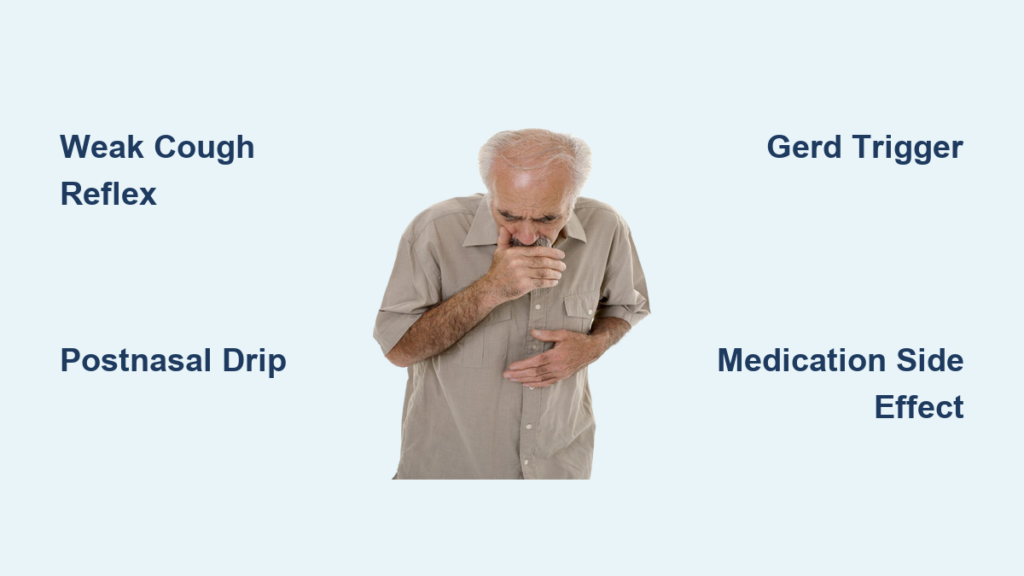
Persistent coughing in older adults is more than just an annoyance. It often signals deeper health changes tied to aging itself. As people grow older, their bodies undergo natural shifts that affect the respiratory system, immune response, and overall resilience. So why do the elderly cough so much? The answer lies in a combination of age-related decline, chronic conditions, and medication side effects working together over time.
Unlike a temporary cough in younger individuals, frequent or lasting coughs in seniors usually stem from long-term issues like weakened airway defenses, postnasal drip, acid reflux, or lung diseases. This guide explores the top causes, red flags to watch for, and when medical evaluation becomes essential for protecting long-term health.
Age-Related Respiratory Changes

As people age, their lungs and airways naturally lose efficiency. These structural shifts make coughing more common, even when no infection is present.
Weakened Cough Reflex
Older adults often experience a diminished cough reflex, meaning the body does not respond as quickly or forcefully to irritants like mucus or dust. This delay allows particles to linger in the airways, triggering repeated coughing episodes later as the body tries to clear what accumulated. A weaker reflex also increases aspiration risk, especially during meals.
Reduced Lung Elasticity
Lungs become less elastic over time, similar to an old rubber band losing its stretch. This reduces the ability to fully exhale and clear mucus from the lower airways. Stagnant secretions then lead to chronic irritation and persistent coughing, particularly noticeable in the morning hours.
Decline in Mucociliary Clearance
The tiny hair-like structures called cilia that move mucus out of the lungs slow down with age. When mucus builds up due to poor clearance, it becomes a constant trigger for coughing. Dehydration, which many seniors face, worsens this problem significantly.
Common Medical Causes of Chronic Cough

Several health conditions become more prevalent with age and serve as leading contributors to ongoing coughing in older adults.
Postnasal Drip
Postnasal drip ranks among the most frequent culprits. Excess mucus from the nose or sinuses drips down the back of the throat, creating a sensation of something stuck there. This leads to frequent throat clearing and coughing, especially when lying down.
Common triggers include allergies, dry air, and chronic sinusitis. The hallmark symptom is a gurgling or tickling feeling in the throat that worsens at night or upon waking. Treating the underlying nasal issue with saline sprays or antihistamines can make a noticeable difference.
Gastroesophageal Reflux Disease (GERD)
GERD affects up to 30 percent of older adults and remains a major yet underrecognized cause of chronic cough. Stomach acid backs up into the esophagus and sometimes reaches the throat, irritating the airway and triggering coughing, often without any heartburn sensation at all.
Silent reflux presents with coughing rather than chest pain. Nighttime episodes worsen when lying down, and associated symptoms include hoarseness, sour taste, and throat burning. Elevating the head during sleep and avoiding late meals helps manage this condition effectively.
Chronic Obstructive Pulmonary Disease (COPD)
COPD, including emphysema and chronic bronchitis, is a leading cause of long-term cough in seniors, especially among former smokers. The hallmark symptom is a daily productive cough that lasts for months or years at a time.
Sputum production often appears white, yellow, or green. The cough progressively worsens over time and gets triggered by cold air or physical exertion. Early diagnosis combined with smoking cessation proves critical for slowing disease progression.
Asthma in Older Adults
Asthma is not just a childhood condition. Late-onset asthma can develop after age 65 and often presents with a dry, wheezy cough rather than classic shortness of breath.
This condition frequently gets misdiagnosed as bronchitis. Symptoms worsen at night or with exercise and respond well to inhalers. Because symptoms overlap with other conditions, pulmonary function tests are needed for accurate diagnosis.
Medication-Induced Coughing
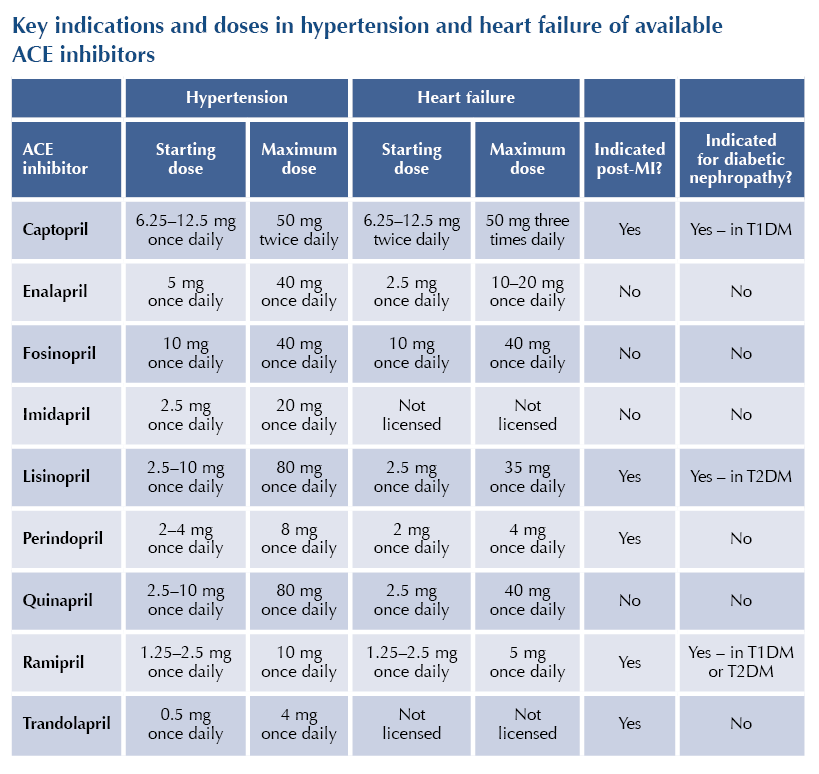
Some commonly prescribed drugs for seniors cause persistent cough as a direct side effect.
ACE Inhibitors and Cough
Medications like lisinopril, enalapril, and ramipril, used to treat high blood pressure and heart failure, cause a dry, nagging cough in up to 20 percent of users. The onset can begin days or months after starting the drug.
The cough is typically dry and non-productive, often worse at night. It usually stops within weeks of discontinuing the medication. Switching to an ARB (angiotensin II receptor blocker) like losartan often resolves the cough without sacrificing blood pressure control.
Other Medications That May Contribute
While less common, other drugs can indirectly promote coughing in seniors. Beta-blockers may worsen underlying asthma, while diuretics can dry out the throat and cause irritation. Sedatives reduce the cough reflex and increase postnasal drip pooling.
Reviewing all medications with a healthcare provider is essential whenever evaluating chronic cough in an older adult.
Infections and Immune Decline
Older adults face higher vulnerability to infections due to weakened immune defenses, making coughs both more frequent and longer-lasting than in younger people.
Increased Risk of Pneumonia
Seniors face higher risk for pneumonia, which often starts with a worsening cough, fever, and confusion. The cough may produce thick mucus and be accompanied by fatigue or shortness of breath.
Some older adults do not develop a fever at all. Confusion serves as a key warning sign, especially in frail elders. Pneumococcal and flu vaccines significantly reduce this risk. Any new or worsening cough in an older adult should prompt immediate evaluation.
Lingering Viral Coughs
After a cold or flu, a post-viral cough can persist for weeks due to airway inflammation and hypersensitivity. In older adults, recovery takes longer because of reduced healing capacity.
These coughs last 3 to 8 weeks after the initial illness and tend to be dry and tickly. Soothing remedies such as honey, humidifiers, and proper hydration help. Patience and supportive care are key, though ongoing symptoms require medical follow-up.
Neurological and Swallowing Issues
Neurological changes and swallowing difficulties become more common with age and frequently manifest as chronic coughing.
Dysphagia and Silent Aspiration
Dysphagia, or difficulty swallowing, affects many older adults, especially those with stroke, Parkinson’s disease, or dementia. Food or liquid may enter the airway (aspiration), triggering the cough reflex.
Warning signs include coughing during or after meals, a wet-sounding voice, and unexplained weight loss. In some cases, silent aspiration occurs without noticeable coughing, which significantly increases pneumonia risk.
Parkinson’s Disease and Cough
Parkinson’s impairs motor control, including the muscles involved in swallowing and coughing. This leads to delayed cough response, ineffective airway clearance, and recurrent respiratory infections over time.
Speech-language pathologists can provide targeted exercises to strengthen swallowing and reduce coughing episodes effectively.
Environmental and Lifestyle Triggers

Even without medical conditions, external factors provoke frequent coughing in seniors on a daily basis.
Dry Indoor Air
Heated or air-conditioned environments often have low humidity, which dries out the nasal passages and throat. This leads to irritation and a chronic need to clear the throat.
This problem becomes especially common in winter months and worsens at night. Using a humidifier in the bedroom provides an effective solution by adding moisture back into the air.
Exposure to Irritants
Older adults often spend more time indoors, increasing exposure to tobacco smoke, cleaning chemicals, dust, pet dander, and strong perfumes. These irritants trigger or worsen coughing, especially in those with pre-existing lung conditions.
Simple steps like improving ventilation, using fragrance-free products, and banning smoking indoors create meaningful improvements.
When to Seek Medical Help
Not all coughs require urgent attention, but certain signs indicate the need for prompt professional evaluation.
Red Flags for Serious Conditions
Seek medical care if the elderly person experiences a cough lasting more than 8 weeks, coughing up blood (even small amounts), unexplained weight loss, fever or chills, shortness of breath at rest, or new confusion or lethargy. These could signal serious issues like pneumonia, heart failure, or lung cancer.
Diagnostic Steps to Expect
Doctors typically use a chest X-ray to check for infection or tumors, pulmonary function tests for asthma or COPD, pH monitoring if GERD is suspected, swallowing studies for dysphagia, and a thorough medication review to identify drug-induced causes.
A complete assessment helps pinpoint the exact cause and guide appropriate treatment.
Hydration and Throat Care
Staying well-hydrated keeps mucus thin and easier to clear. Seniors should drink water throughout the day, use throat lozenges or warm teas, and avoid caffeine and alcohol, which can dehydrate. Warm liquids with honey soothe an irritated throat and suppress nighttime coughing effectively.
Sleep Position Adjustments
Elevating the head with extra pillows or a wedge reduces postnasal drip at night, prevents acid reflux, and improves breathing in those with COPD or heart failure. This simple change often leads to fewer nighttime coughing spells.
Air Quality Improvements
Optimize the home environment by using HEPA air purifiers, changing HVAC filters regularly, avoiding aerosol sprays and scented candles, and keeping pets out of bedrooms. Clean air reduces irritation and supports better respiratory health overall.
Common Questions About Coughing in Elderly Adults
Is frequent coughing a normal part of aging?
No. While age-related changes make coughing more likely, frequent or persistent coughing is always a symptom worth investigating rather than accepting as normal.
Can medications really cause a chronic cough?
Yes. ACE inhibitors prescribed for blood pressure and heart conditions cause a dry cough in up to 20 percent of users, making medication review an essential diagnostic step.
How long is too long for an elderly cough?
Any cough lasting more than 8 weeks qualifies as chronic and warrants medical evaluation. New coughs that worsen quickly also deserve prompt attention, especially with fever or confusion.
When should an elderly person go to the ER for a cough?
Emergency care is needed for coughing up blood, severe shortness of breath, chest pain, high fever with confusion, or blue-tinged lips or fingertips. These signs suggest serious respiratory distress.
Can drinking water really help reduce coughing?
Yes. Proper hydration thins mucus secretions, making them easier to clear from the airways. Warm liquids with honey provide additional soothing benefits for irritated throat tissues.
Key Takeaways for Managing Chronic Cough in Seniors
Frequent coughing in the elderly is never a normal part of aging. It is a symptom that deserves proper attention and investigation. The causes vary widely, from medication side effects and silent reflux to neurological changes and chronic lung diseases, yet most respond well to targeted treatment.
By understanding the underlying reasons and taking proactive steps like improving air quality, adjusting sleep positions, and reviewing medications, seniors and caregivers can reduce discomfort and prevent serious complications. Always consult a healthcare provider for persistent coughing, especially when accompanied by warning signs like weight loss or breathing difficulties. With the right approach, lasting relief is absolutely within reach.





