

If you’ve noticed your toenails becoming harder to trim, discolored, or unusually thick as you age, you’re experiencing one of the most common foot changes among older adults. Thick toenails in seniors affect millions of people worldwide, and the causes extend far beyond simple aging. Reduced circulation, weakened immunity, fungal infections, and decades of minor foot trauma all contribute to this widespread concern.
This guide breaks down exactly why seniors develop thick toenails, what warning signs to watch for, and the practical steps you can take to maintain healthy, comfortable feet throughout your later years.
How Natural Aging Changes Your Toenails
Slower Cell Growth Over Time
As the body ages, the rate at which toenail cells regenerate slows considerably. This reduced growth rate means new nail layers form more slowly, but old cells don’t shed efficiently. The result is a buildup of keratin, the structural protein that makes up your nails, that compresses into a dense, thickened nail plate. Unlike fingernails, toenails grow much slower, and this sluggish cycle allows more layers to accumulate over time.
Structural Deterioration of the Nail Bed
With age, the nail bed loses flexibility and the nail matrix becomes less efficient. This deterioration leads to nails that are not only denser but also more brittle, ridged, and prone to cracking. The natural moisture balance in nails shifts, reducing flexibility and increasing the likelihood of splitting. These structural changes can occur even in healthy seniors without any underlying disease.
Fungal Infections and Toenail Thickening

Why Seniors Face Higher Infection Risk
Fungal infections (onychomycosis) rank among the leading causes of thick toenails in older adults. As immunity weakens with age, the body becomes less effective at fighting off fungal invaders. Combined with reduced blood flow to the feet and years of wearing enclosed shoes, the toenail environment becomes ideal for fungal growth. Fungi thrive in warm, dark, moist spaces, which describes the inside of most footwear perfectly. Seniors who visit gyms, swimming pools, or communal showers without protective footwear face even greater risk.
Recognizing Fungal Nail Damage
When a fungus invades the nail bed, it begins breaking down the keratin, causing the nail to thicken abnormally. Common signs include:
- Yellow, brown, or white discoloration
- Brittle, crumbly texture
- Foul odor in advanced cases
- Nail lifting from the bed (onycholysis)
The infection typically starts at the tip or side of the nail and spreads inward. Without treatment, it can affect multiple toes and become increasingly difficult to manage.
Poor Circulation and Its Impact on Nail Health
Reduced Blood Flow to the Extremities
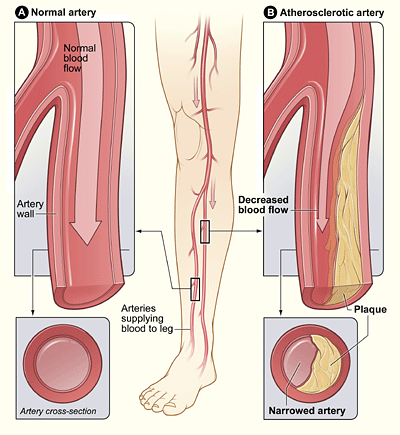
Aging frequently causes reduced circulation, particularly in the feet. Conditions like peripheral artery disease or diabetes narrow blood vessels, limiting oxygen and nutrient delivery to the toenails. Without adequate blood supply, nail cells don’t regenerate properly, leading to abnormal growth and thickening. Poor circulation also slows healing and weakens the body’s ability to fight infections, making fungal invasions more likely and harder to treat.
Delayed Healing and Weakened Immunity
When blood flow is compromised, even minor nail injuries take longer to heal. This delayed repair process contributes to irregular nail growth and buildup. Diabetic patients face a compounded risk: poor circulation combined with nerve damage (neuropathy) means they may not feel trauma or pressure on their toes until significant damage has already occurred.
Repeated Trauma and Pressure on Toes
How Footwear Contributes to Thickening
Tight, narrow, or ill-fitting shoes place constant pressure on the toes, especially the big and little toes. This repeated micro-trauma triggers the body’s protective response: thickening the nail to shield against injury. Over time, this leads to permanently denser nails. Seniors with changing foot structure, including bunions or hammertoes, are especially prone to this cycle.
The Cumulative Effect of Minor Injuries
Stubbing a toe, dropping something on the foot, or repetitive impact from walking can damage the nail matrix. The nail may appear bruised initially with a dark spot, but as it grows out, the new nail often comes in thicker and distorted. In seniors, slower healing means each injury has a longer-lasting effect, and multiple incidents compound the problem.
Underlying Medical Conditions That Affect Toenails
Psoriasis and Nail Changes
Psoriasis frequently affects the nails, causing pitting, ridges, discoloration, and significant thickening. The nail may separate from the bed or develop chalky spots underneath. Unlike fungal infections, psoriatic nails often affect fingernails as well and may flare alongside skin outbreaks elsewhere on the body.
Diabetes-Related Nail Complications
Diabetes increases thick toenail risk through multiple pathways:
- Poor circulation slows nail growth and repair
- Neuropathy reduces sensation, so injuries go unnoticed
- Weakened immunity allows fungal infections to take hold more easily
Seniors with diabetes should inspect their feet daily and seek professional care at the first sign of nail changes to prevent ulcers or serious complications.
Thyroid and Other Systemic Disorders
Thyroid imbalances, including both hypothyroidism and hyperthyroidism, can disrupt nail growth cycles. Hypothyroidism often leads to brittle, slow-growing nails that may thicken abnormally. Other conditions like eczema or lichen planus can also alter nail texture and structure, sometimes mimicking fungal or age-related changes.
Genetic and Lifestyle Factors
Hereditary Nail Thickness
Some people are simply predisposed to thicker nails due to genetics. If family members have naturally dense or slow-growing toenails, there’s a greater likelihood of experiencing similar changes with age. This genetic tendency doesn’t necessarily indicate disease; it may just require more frequent trimming or professional care.
Mobility and Self-Care Challenges
As people age, arthritis, poor eyesight, or limited flexibility can make foot care difficult. Bending over to trim nails becomes painful or impossible, leading to neglect. Overgrown nails are more likely to split, press into the skin, or suffer trauma, all of which contribute to thickening. Without regular maintenance, even minor issues escalate quickly.
Daily Prevention Strategies for Healthy Nails
Build a Consistent Foot Hygiene Routine
Keeping feet clean and dry is the first line of defense against thick toenails. Wash your feet daily with mild soap and dry thoroughly between the toes, where moisture hides and fungi grow. Moisture-wicking socks made of cotton or synthetic blends help keep feet dry throughout the day. Change socks daily, or more often if your feet sweat heavily.
Choose Breathable, Proper-Fitting Shoes
Wear shoes with a wide toe box and breathable materials like leather or mesh. Avoid synthetic, non-ventilated footwear that traps heat and moisture. Rotate shoes daily to allow them to dry completely between wearings. Consider orthopedic or diabetic shoes if you have foot deformities or circulation issues.
Master Correct Nail Trimming Techniques
Trim toenails straight across, never rounded at the corners, to prevent ingrown nails. Cut them to the edge of the toe, but not too short. Use strong, sharp nail clippers designed for thick nails. If you have poor vision or arthritis, consider seeing a podiatrist for regular professional trims.
Use Antifungal Prevention Products
If you’re prone to fungal infections, use antifungal sprays or powders in your shoes and on your feet. Apply them weekly, especially in warm months or after visiting public pools or gyms. Over-the-counter antifungal creams can also be used at the first sign of discoloration or texture changes.
Medical Treatments for Thick Toenails
Topical Antifungal Medications
For mild fungal infections, topical treatments can be effective when applied daily to the cleaned nail surface. However, because thick nails block absorption, results may take 9–12 months and success rates vary. Best outcomes occur when topical treatments are combined with professional nail thinning.
Oral Antifungal Drugs
Prescription medications are used for moderate to severe fungal infections. They work systemically, reaching the nail via the bloodstream. Treatment typically lasts 6–12 weeks, though it takes months for the healthy nail to fully grow out. Liver function must be monitored during treatment due to potential side effects.
Professional Nail Debridement
Podiatrists can safely thin and file down thickened nails using specialized tools. This relieves pressure, improves comfort, and allows topical treatments to penetrate better. Many seniors benefit from monthly or bi-monthly debridement, especially when self-care is difficult.
Laser Therapy for Fungal Nails
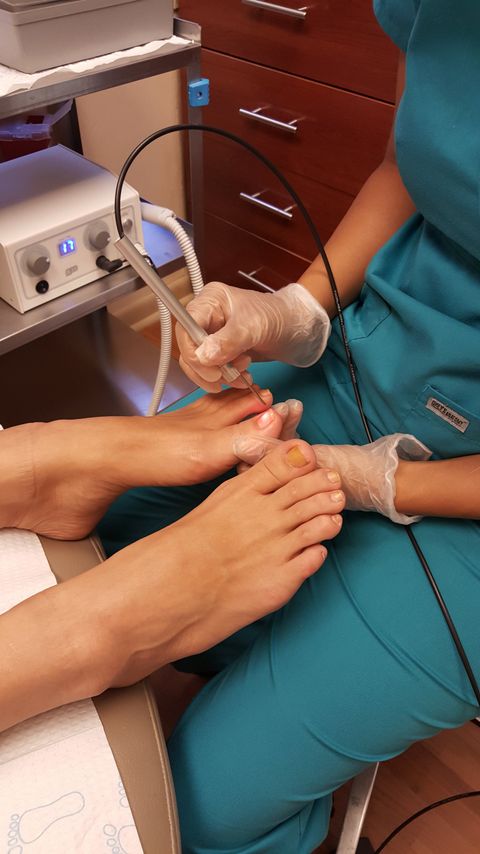
Laser treatment uses concentrated light to destroy fungi beneath the nail. It’s painless, requires no downtime, and typically needs 3–4 sessions. While not always covered by insurance, studies show improvement in many patients, though results vary and recurrence is possible without ongoing preventive care.
Recognizing When to See a Doctor
Warning Signs of Serious Issues
Seek medical help if you notice any of these warning signs:
- Pain or tenderness around the nail
- Bleeding or pus from the nail area
- Sudden dark discoloration (possible trauma or melanoma)
- Nail separation from the bed
- Spreading thickening to other toes
These could indicate infection, injury, or a more serious condition requiring prompt treatment.
High-Risk Individuals Need Earlier Care
If you have diabetes, poor circulation, or a weakened immune system, never ignore nail changes. Even minor issues can escalate into ulcers or serious infections. Regular foot exams by a healthcare provider are essential, at least once a year, or every 3–6 months if you have diabetes.
Maintaining Foot Health for the Long Term
Regular Self-Checks and Monitoring
Make foot inspection part of your daily routine. Sit down, remove your shoes and socks, and check for changes in nail color or thickness, cuts or blisters, and any swelling or warmth. Use a mirror or ask a family member for help if you can’t see the bottoms of your feet.
Professional Podiatry Care
For seniors with mobility issues or chronic conditions, regular visits to a podiatrist are invaluable. They can detect problems early, provide safe nail care, and recommend custom solutions like orthotics or specialized footwear.
Lifestyle Adjustments That Make a Difference
Several lifestyle changes can significantly improve long-term foot health:
- Stay active to improve circulation
- Quit smoking, as it worsens blood flow
- Manage blood sugar carefully if diabetic
- Keep feet dry and avoid walking barefoot in public areas
Small, consistent changes can have a substantial impact over time.
Frequently Asked Questions About Thick Toenails in Seniors
What is the main cause of thick toenails in older adults?
The primary cause is natural aging, which slows nail cell regeneration and causes keratin to accumulate over time. However, fungal infections, poor circulation, repeated trauma, and underlying conditions like diabetes or psoriasis often worsen the problem significantly.
Can thick toenails be a sign of a serious health problem?
Yes, thick toenails can indicate fungal infection, psoriasis, diabetes complications, or circulation issues. Sudden changes in color, pain, or nail separation should prompt a medical evaluation to rule out serious conditions.
How can seniors prevent toenails from getting thicker?
Prevention includes daily foot washing and thorough drying, wearing breathable properly-fitting shoes, trimming nails straight across, using antifungal products if prone to infection, and managing underlying health conditions like diabetes.
When should a senior see a doctor about thick toenails?
See a doctor if you experience pain, bleeding, pus, sudden dark discoloration, or nail separation. Seniors with diabetes or circulation problems should seek care at the first sign of any nail change, as complications can develop quickly.
Are fungal infections the only cause of thick toenails?
No, fungal infections are just one cause. Aging, poor circulation, repeated trauma from tight shoes, genetic predisposition, psoriasis, thyroid disorders, and inadequate foot care can all contribute to toenail thickening.
How long does treatment take for fungal toenail infections?
Topical treatments typically require 9–12 months of consistent use. Oral medications are usually prescribed for 6–12 weeks, but healthy nail regrowth takes several additional months. Laser therapy generally requires 3–4 sessions for optimal results.
Key Takeaways for Managing Thick Toenails in Seniors
Thick toenails in seniors result from a combination of natural aging, reduced circulation, fungal vulnerability, and accumulated foot trauma over decades. While aging itself plays a role, many contributing factors, including fungal infections, poor footwear choices, and inadequate self-care, are preventable or treatable with the right approach.
The most important steps you can take include maintaining daily foot hygiene, wearing properly fitted breathable shoes, trimming nails correctly, and seeking professional podiatry care if self-care becomes difficult. For seniors with diabetes or circulation problems, regular medical monitoring is essential to prevent serious complications.
If you’re concerned about your toenails, schedule an appointment with a podiatrist or healthcare provider today. Early intervention and consistent preventive care are the foundation of maintaining healthy, comfortable feet well into your later years.





