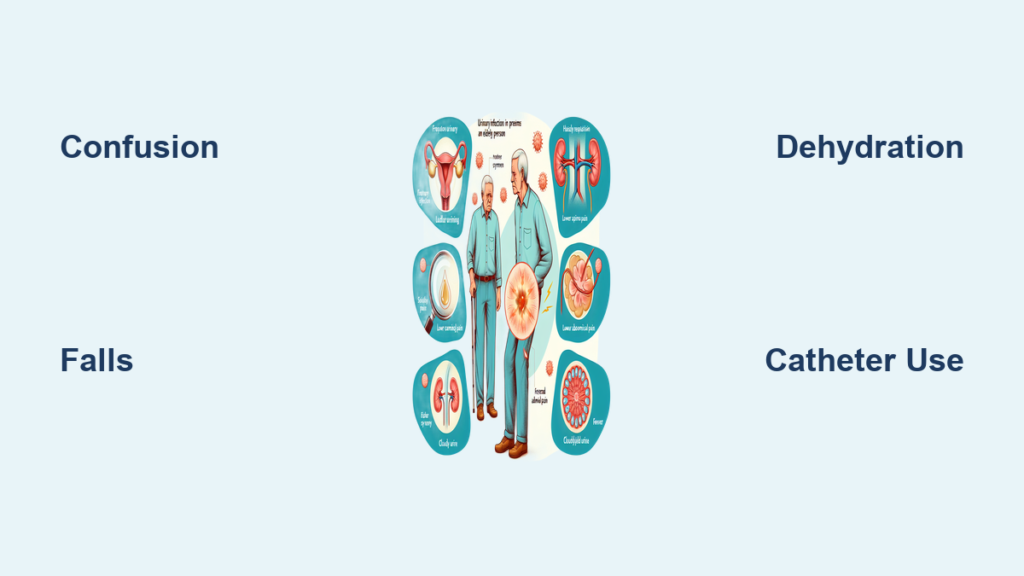
Urinary tract infections (UTIs) rank among the most common bacterial infections in adults over 65, yet they are frequently overlooked because symptoms rarely match what younger people experience. Instead of burning or urgency, an older adult may suddenly seem confused, lose balance, or simply stop eating. These hidden warning signs make UTIs especially dangerous in later life. Understanding why elderly people get UTIs is the first step toward catching infections early, preventing complications, and protecting long-term health.
Age-Related Weakening of the Immune System
One of the most fundamental reasons elderly people get UTIs is a natural decline in immune function, a process known as immunosenescence. The body’s defense network becomes slower and less precise with age.
Slower Detection of Bacteria
White blood cells take longer to identify and attack invading bacteria like E. coli. This delay gives bacteria more time to multiply inside the bladder before the immune response catches up.
Weakened Physical Barriers
The mucosal lining of the urinary tract thins over the years, making it easier for bacteria to attach and colonize. Protective enzymes and antimicrobial peptides in urine also decrease, reducing the bladder’s natural ability to flush out germs.
Hormonal and Anatomical Changes That Increase Risk
Aging brings structural shifts in the urinary and reproductive systems that make infection more likely. These changes differ between men and women but contribute to risk in both.
Post-Menopausal Changes in Women
After menopause, estrogen levels drop sharply, causing:
– Thinning of vaginal and urethral tissues
– Loss of protective Lactobacillus bacteria
– A rise in vaginal pH that encourages harmful bacteria
These shifts allow gut bacteria to migrate more easily toward the urethra and cause infection.
Prostate Enlargement in Men
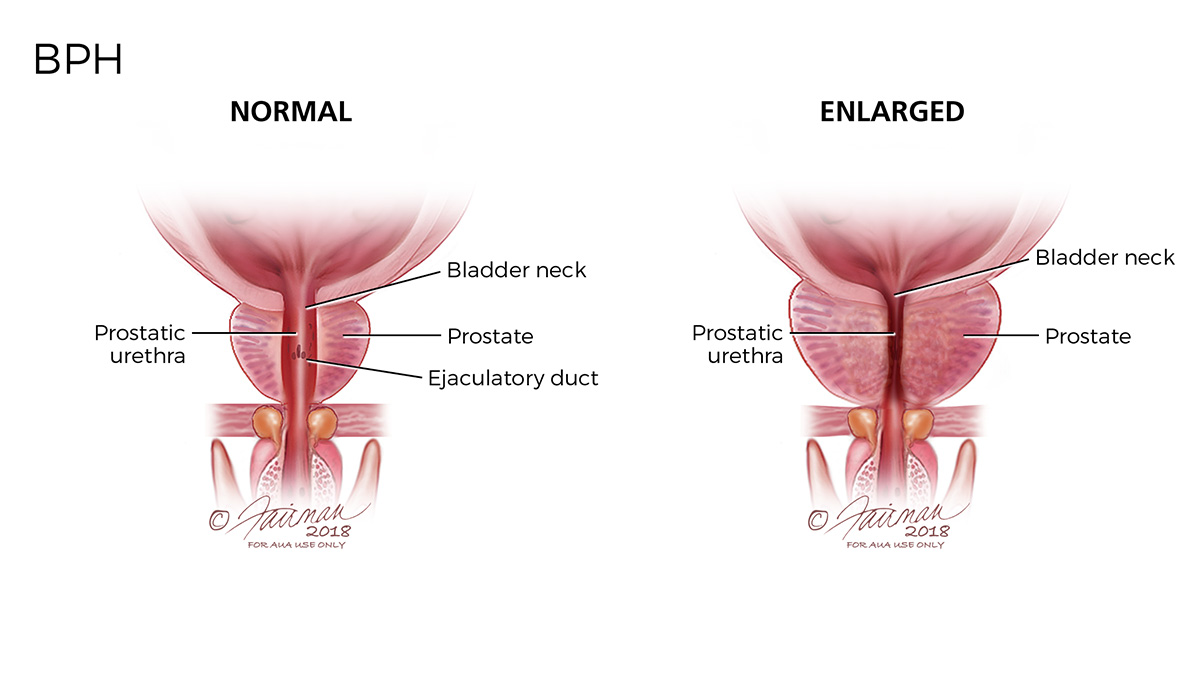
Benign prostatic hyperplasia (BPH) affects many older men. An enlarged prostate blocks urine flow, leading to:
– Incomplete bladder emptying
– Urine sitting stagnant in the bladder
– Rapid bacterial growth in that pooled urine
Men with BPH often develop complicated UTIs that need longer treatment courses.
Chronic Health Conditions That Raise UTI Risk
Many illnesses common in older adults directly affect urinary health and the body’s ability to fight infection.
Diabetes
High blood sugar weakens immune defenses and causes glucose to spill into urine, which feeds bacteria. Diabetes-related nerve damage can also dull bladder sensation, leading to incomplete emptying and urine retention.
Kidney Disease
Reduced kidney function limits the body’s ability to filter and clear bacteria. It also affects how antibiotics are processed, making dosing more complicated.
Neurological Disorders
Conditions like Parkinson’s disease, stroke, and spinal cord injuries interfere with nerve signals that control the bladder. The result often includes urinary retention, incontinence, or the need for catheter use, all of which increase infection risk.
Catheter Use and Living in Care Facilities
Medical devices and institutional environments play a major role in UTI development among seniors.
Indwelling Catheters as Infection Pathways
Foley catheters bypass the body’s natural defenses and give bacteria a direct route into the bladder. Even when inserted under sterile conditions, catheters quickly develop biofilms, layers of bacteria that cling to the surface and resist antibiotics.
Key risks include:
– Catheter-associated UTIs (CAUTIs) account for up to 75% of hospital-acquired UTIs
– Infection risk rises by 3 to 7% for every day a catheter remains in place
– Biofilms form within days and are extremely difficult to eliminate
Nursing Home Residents
Older adults in long-term care face stacked risk factors such as:
– High rates of catheter use
– Cognitive impairment that affects personal hygiene
– Shared living spaces
– Frequent antibiotic exposure that breeds resistant bacteria
UTIs are the most commonly diagnosed infection in nursing homes and a leading reason for hospital transfer.
Dehydration, Hygiene Challenges, and Constipation
Everyday lifestyle and physical issues contribute heavily to UTI risk in older adults.
Reduced Thirst Sensation
Many seniors do not feel thirsty even when their bodies need fluids. This leads to concentrated urine, infrequent bathroom trips, and less natural flushing of bacteria from the urinary tract.
Difficulty with Personal Hygiene
Arthritis, limited mobility, and dementia can make proper perineal care hard to manage. Without careful front-to-back wiping or regular bathing, bowel bacteria can easily reach the urethra.
Constipation’s Role
A full bowel can press against the bladder and prevent complete emptying. Constipation also increases the chance that fecal bacteria will spread to the urinary tract.
Atypical Symptoms That Delay Diagnosis

Older adults often fail to show the classic UTI signs most people expect. Recognizing these unusual presentations is critical for early treatment.
Confusion and Delirium
Sudden disorientation, agitation, or even hallucinations can signal a UTI, especially in someone with dementia. The infection triggers inflammation that affects brain function.
Falls and Mobility Problems
UTIs frequently cause dizziness, weakness, or unsteady walking. Unexplained falls in older adults should always raise suspicion for an underlying infection.
Other Subtle Signs
Watch for:
– New or worsening incontinence
– Unusual sleepiness or fatigue
– Loss of appetite
– Low-grade fever, or sometimes no fever at all
These vague symptoms often delay diagnosis and increase the risk of serious complications.
Why Diagnosis Is More Difficult in Seniors
Identifying a true UTI in older adults is challenging because of high rates of asymptomatic bacteriuria and unreliable symptom reporting.
Asymptomatic Bacteriuria
Up to 50% of women in nursing homes have bacteria in their urine without any infection. Treating this unnecessarily fuels antibiotic resistance and can lead to C. difficile infections and drug side effects. A positive urine test alone, without symptoms, should not trigger treatment.
Accurate Testing Methods
The best approach includes:
– Urinalysis to check for nitrites, leukocyte esterase, and white blood cells, interpreted with caution
– Urine culture before starting antibiotics in suspected complicated cases
– Proper collection using a catheter port or midstream clean catch, not bag samples
Imaging such as ultrasound or CT may be needed if obstruction, abscess, or structural problems are suspected.
Treatment Differences for Older Adults
Treating UTIs in seniors requires more careful planning than treating younger patients.
Longer Antibiotic Courses
Complicated UTIs often need 7 to 14 days of treatment, compared to 3 to 5 days in younger adults. Duration depends on culture results, illness severity, kidney function, and local resistance patterns.
Adjusted Dosing for Kidney Function
Most antibiotics are cleared by the kidneys, and kidney function declines with age even when blood creatinine looks normal. Doses must be adjusted to prevent toxicity.
Drug Interaction Checks
Many seniors take several daily medications. Common antibiotics like Bactrim or fluoroquinolones can interact with blood thinners, diabetes drugs, and heart medications. A full medication review should always precede treatment.
How to Prevent UTIs in the Elderly

Prevention is the most powerful tool, especially for those with recurrent infections or chronic health conditions.
Encourage Fluids and Regular Bathroom Trips
- Aim for 6 to 8 glasses of fluid daily unless restricted
- Offer scheduled toileting every 3 to 4 hours
- Promote complete bladder emptying each time
Support Hygiene and Bowel Health
- Help with front-to-back wiping after using the bathroom
- Manage constipation with fiber, fluids, and gentle laxatives if needed
- Use mild cleansers and avoid harsh soaps in the genital area
Reduce Catheter Use
- Use catheters only when truly necessary
- Remove them as soon as possible
- Follow strict aseptic techniques during insertion and care
Consider Hormonal and Supplemental Support
- Topical vaginal estrogen can help postmenopausal women restore healthy flora and tissue thickness
- D-mannose may help prevent E. coli from sticking to bladder walls
- Probiotics with Lactobacillus strains can support urogenital health
- Cranberry products show mixed results but may help some individuals
Low-dose antibiotic prophylaxis may be an option for recurrent UTIs after evaluation by a urologist.
Serious Complications of Untreated UTIs

Delaying treatment allows infections to progress into life-threatening conditions.
Urosepsis
Bacteria can travel from the bladder into the kidneys and bloodstream, triggering sepsis. Warning signs include:
– Rapid heart rate
– Low blood pressure
– Severe confusion
– Chills or high fever
Sepsis in older adults carries a high mortality rate and often requires intensive care.
Lasting Functional and Cognitive Decline
Even after recovery, many seniors do not return to their previous level of independence. UTIs can lead to:
– Permanent mobility loss
– Ongoing incontinence
– Worsening cognitive decline
– Need for long-term care placement
Recurrent Infections and Antibiotic Resistance
Repeated infections lead to more antibiotic use, raising the risk of multidrug-resistant organisms like ESBL-producing E. coli and fungal infections.
Groups at Especially High Risk
Certain populations face an even greater chance of developing UTIs.
Elderly Women
Women have a higher baseline risk because of a shorter urethra and proximity to the anus. Post-menopausal changes amplify this risk, and asymptomatic bacteriuria is more common.
Elderly Men
UTIs are less frequent in men but tend to be more complicated. Prostate issues often require urologic evaluation, and prostatitis can mimic or accompany a UTI.
People with Dementia
These individuals cannot reliably report symptoms, depend on caregivers for hygiene, and often go undiagnosed until the infection becomes severe.
Diabetic Patients
Diabetes increases the risk of complicated UTIs and rare but deadly conditions like emphysematous pyelonephritis, a gas-forming kidney infection.
Frequently Asked Questions About UTIs in the Elderly
Why do elderly people get UTIs so often?
A combination of weakened immunity, hormonal changes, chronic illnesses, catheter use, dehydration, and poor bladder emptying creates the perfect conditions for bacteria to thrive. Aging itself lowers the body’s ability to resist infection.
What are the most common symptoms of a UTI in older adults?
Sudden confusion, falls, fatigue, new incontinence, loss of appetite, and low-grade fever are common. Classic symptoms like burning or urgency may be absent, especially in those with dementia.
Can a UTI cause confusion in an elderly person?
Yes. Infection-related inflammation can affect brain function, leading to delirium, agitation, or hallucinations. Sudden mental changes in an older adult should always prompt evaluation for infection.
How can UTIs be prevented in the elderly?
Encourage regular fluid intake, scheduled bathroom trips, proper hygiene, constipation management, and minimal catheter use. Topical estrogen, probiotics, and D-mannose may offer additional protection.
When should a caregiver seek medical help?
Contact a healthcare provider immediately if an older adult shows new confusion, fever, chills, back pain, painful urination, inability to urinate, or sudden weakness. These signs can point to a UTI or a more serious complication.
Should a positive urine test always be treated with antibiotics?
No. Asymptomatic bacteriuria is common in older adults and should not be treated without symptoms. Unnecessary antibiotics increase resistance and side effect risks.
Key Takeaways for Families and Caregivers
UTIs in older adults are common, dangerous, and often hidden behind symptoms that look like aging itself. Early recognition and proper management can prevent hospitalization, delirium, and lasting decline.
Action steps you can take today:
– Watch for sudden confusion, falls, or behavior changes
– Encourage fluids and regular bathroom visits
– Help with hygiene and constipation management
– Report any warning signs early, even without classic UTI symptoms
– Avoid treating cloudy urine or positive dipstick results when no symptoms are present
Work closely with healthcare providers to avoid unnecessary antibiotics while making sure real infections are treated quickly. UTIs are not a normal part of aging, but with awareness and consistent preventive care, they are highly manageable.