Your grandparents may seem perfectly healthy one day and end up in the hospital the next with a simple cold. Why do elderly have weaker immune systems? The answer centers on a gradual biological process called immunosenescence, where immune function slowly deteriorates over time. This decline leaves older adults more vulnerable to infections, certain cancers, and autoimmune disorders. Unlike a sudden illness, this weakening happens quietly across decades, often becoming obvious only when something minor turns serious. In this guide, you will learn how aging affects immunity, what specific changes occur in immune cells and organs, and what can be done to support immune health in later life.
How Immunity Works Before Aging

The Two Main Branches of Defense
The immune system functions like a trained military force, protecting the body from bacteria, viruses, toxins, and even cancer cells. It relies on two primary branches:
– Innate immunity: The first rapid response, including physical barriers like skin and mucus, plus generalist cells such as macrophages that attack invaders quickly but broadly.
– Adaptive (acquired) immunity: A specialized response using T-cells and B-cells that “remember” past threats and respond more powerfully on re-exposure.
Both branches work together to identify foreign substances (nonself), destroy them, and spare healthy tissues (self).
What Changes as We Age
As people grow older, the immune system simply does not work as effectively as it did in younger years. This decline affects multiple components of both innate and adaptive immunity. The result is diminished protection against pathogens and abnormal cells, along with a greater likelihood of mistaking the body’s own tissues for enemies.
Defining Immunosenescence in Aging Adults
The Medical Term for Immune Aging
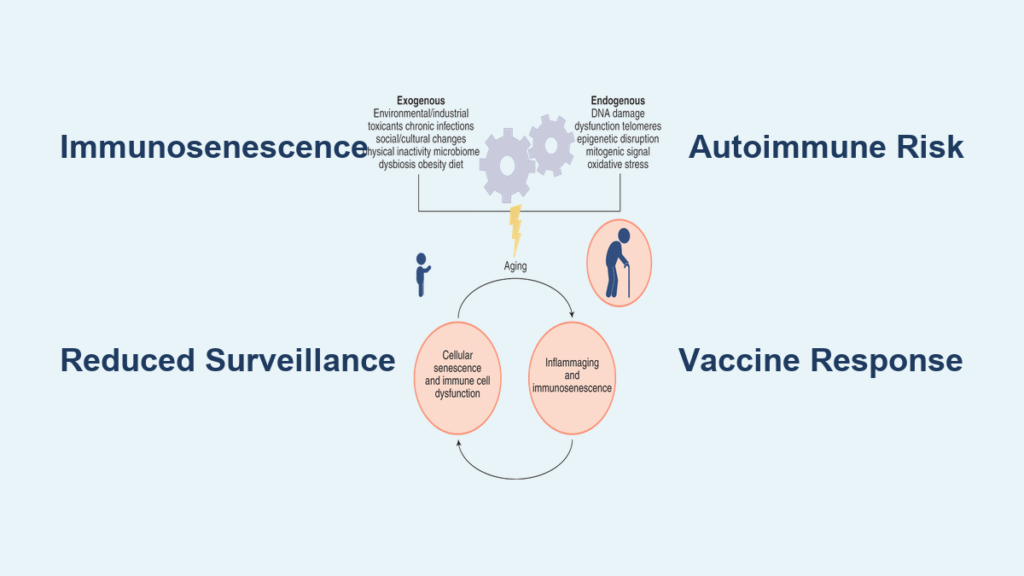
Immunosenescence refers to the gradual deterioration of the immune system linked to natural aging. It is not a disease but a normal part of growing older, similar to graying hair or reduced muscle mass. Over time, both branches of immunity become less efficient, leading to slower responses, poorer pathogen defense, weaker vaccine reactions, and increased inflammation.
What Goes Wrong
According to medical research, the aging immune system becomes less capable in three critical ways:
– It struggles to distinguish self from nonself
– It loses some ability to detect and destroy abnormal cells
– It cannot mount a strong defense against invaders
These changes help explain why older adults get sick more often, recover more slowly, and face higher risks of cancer and autoimmune conditions.
Reduced Self vs. Nonself Recognition
Immune Confusion With Age
One of the immune system’s most important jobs is telling the body’s own cells apart from foreign invaders. As people age, this discrimination weakens.
Rising Autoimmune Risk
When self-recognition fails, the immune system may mistakenly attack healthy tissues, triggering autoimmune disorders. Older adults face a higher prevalence of these conditions because accumulated cellular damage and chronic inflammation disrupt normal immune regulation. This confusion makes the immune system both weaker against real threats and more likely to harm the very body it is meant to protect.
Declining Immune Surveillance and Cancer Risk
Why Cancer Rates Climb With Age
Immune surveillance is the process by which immune cells patrol the body, finding and destroying abnormal or cancerous cells before they multiply. In older adults, this surveillance weakens significantly.
Fewer Threats Caught Early
The immune system’s ability to detect and eliminate abnormal cells diminishes with age. This reduced surveillance directly contributes to higher rates of certain cancers in older adults, since rogue cells are no longer identified and removed as efficiently as they were in younger years.
Lifespan Immunity: Newborns Compared to the Elderly
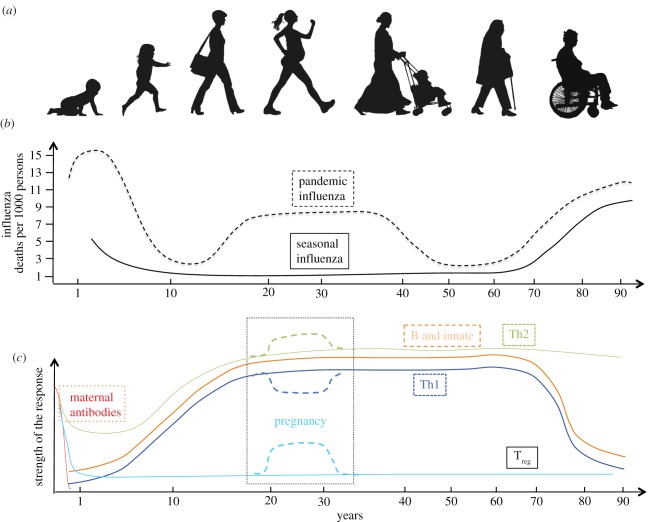
A U-Shaped Curve of Protection
Immune function follows a U-shaped pattern across life. At both extremes, infancy and old age, protection is weakest.
Newborns Borrow Protection
At birth, acquired immunity is not yet fully developed. Newborns rely on passive immunity from maternal antibodies transferred through the placenta during pregnancy and through breast milk after birth. This borrowed protection lasts until the infant’s own immune system matures.
Older Adults Face Worn-Out Defenses
In contrast, older adults have spent decades using their immune systems, resulting in exhausted cells, accumulated dysfunction, and reduced production of new defenders. Unlike newborns, whose immunity steadily improves, elderly individuals face a gradual decline that requires active management.
Systemic Changes That Influence Immune Aging

Hormonal Shifts
Age-related changes in hormone production occur throughout the body. These hormonal shifts can influence immune system regulation and function, contributing to weakened responses and increased inflammation over time.
Thymus Involution
The thymus, the organ where T-cells mature, undergoes significant age-related involution. Structural and functional changes in this and other organs, tissues, and cells throughout the body affect the immune system’s ability to function optimally.
Real-World Consequences of Weakened Immunity
Greater Infection Susceptibility
Older adults are far more likely to contract infections and suffer serious complications. Common threats include influenza, pneumonia, urinary tract infections, skin infections, and reactivation of latent viruses like shingles. Because immune responses are slower, even minor illnesses can escalate quickly.
Higher Cancer Rates
Because immune surveillance weakens with age, abnormal cells are more likely to survive and multiply, contributing to the higher prevalence of cancer in older populations.
More Autoimmune Conditions
The impaired ability to distinguish self from nonself leads to a higher prevalence of autoimmune disorders in elderly individuals.
Prevention and Immune Support Strategies
Vaccination as a Key Tool
Vaccines help compensate for weakened immunity by training the immune system to recognize specific threats. Because vaccine responses decline with age, adjusted formulations such as higher-dose flu vaccines are often recommended for older adults.
Foundational Healthy Habits
While immune system aging is inevitable, certain measures may help decrease associated risks:
– Practice good hygiene and infection control
– Stay current with recommended immunizations
– Maintain proper nutrition to fuel immune cells
– Engage in regular physical activity to support circulation
– Get adequate sleep for immune recovery and memory consolidation
– Manage existing chronic conditions that may further compromise immunity
Preventive Healthcare
Regular medical check-ups and screenings become increasingly important with age. Early detection of infections, cancers, and autoimmune conditions leads to better outcomes, especially since older adults may not show typical symptoms.
Managing Chronic Conditions and Medications
How Diseases Compound Immune Decline
Many chronic conditions common in older adults can further suppress immune function. Properly managing these conditions helps preserve remaining immune strength and reduces the risk of complications.
Medication Effects
Some long-term medications can affect immunity. Doctors must carefully balance treatment benefits against infection risks, particularly for older patients with multiple health concerns.
Clinical Implications for Medical Care
Atypical Infection Presentation
Older adults often do not display typical signs of infection. Instead of obvious fever or classic symptoms, they may show confusion, fatigue, or sudden functional decline. This atypical presentation can delay diagnosis and treatment.
Importance of Early Intervention
Because immune responses are slower, infections can progress rapidly in older adults. Prompt medical attention is essential, even for seemingly mild symptoms.
Frequently Asked Questions About Elderly Immune Decline
What Is Immunosenescence?
Immunosenescence is the gradual, age-related deterioration of the immune system. It affects both innate and adaptive immunity, leading to slower responses, weaker vaccine reactions, and increased vulnerability to infections, cancers, and autoimmune disorders.
Why Do Older Adults Get Sick More Often?
The aging immune system becomes less effective at identifying and destroying pathogens. Reduced self/nonself discrimination, impaired immune surveillance, and slower response times all contribute to greater infection susceptibility in elderly individuals.
Can Weakened Immunity in the Elderly Be Improved?
While immunosenescence cannot be fully stopped, its effects can be managed. Vaccination, proper nutrition, physical activity, adequate sleep, and proactive healthcare all help strengthen remaining immune defenses and reduce risks.
Why Are High-Dose Vaccines Recommended for Seniors?
Standard vaccines often produce weaker responses in older adults due to declining immune function. Higher-dose or specially formulated vaccines are designed to provoke stronger reactions and provide better protection.
Do Older Adults Face Higher Cancer Risk Because of Immunity?
Yes. Reduced immune surveillance means abnormal or cancerous cells are less likely to be detected and destroyed, contributing to higher cancer rates in elderly populations.
How Does Immunity in Newborns Compare to That in the Elderly?
Both groups have weakened immunity, but for different reasons. Newborns have underdeveloped immune systems and rely on maternal antibodies. Older adults have exhausted immune systems after decades of use, facing a progressive decline rather than gradual improvement.
Key Takeaways for Understanding Weakened Immunity in the Elderly
The question of why do elderly have weaker immune systems has multiple interconnected answers. Immunosenescence causes the immune system to lose its ability to distinguish self from nonself, detect abnormal cells, and mount strong defenses against invaders. These changes lead to greater infection risk, higher cancer rates, and more autoimmune conditions.
While this decline is a natural part of aging, it is not unmanageable. Through vaccination, healthy lifestyle habits, and proactive medical care, older adults can strengthen their remaining defenses and reduce complications. Understanding these mechanisms empowers individuals, families, and caregivers to take meaningful action.