

Pneumonia sends more seniors to the hospital than almost any other illness. Adults over 65 face a higher risk because aging weakens the immune system and the lungs’ natural defenses. In 2022, more than 41,000 people in the U.S. died from pneumonia, and most of them were older adults. The encouraging news is that most cases are preventable with the right vaccines, habits, and care.
This guide breaks down how to prevent pneumonia in elderly individuals using practical, evidence-based steps. You will learn which vaccines matter most, which daily habits protect the lungs, and what caregivers can do to lower risk. Whether you are a senior or care for one, these strategies can help prevent a leading cause of hospitalization in older adults.
Essential Vaccines That Protect Against Pneumonia
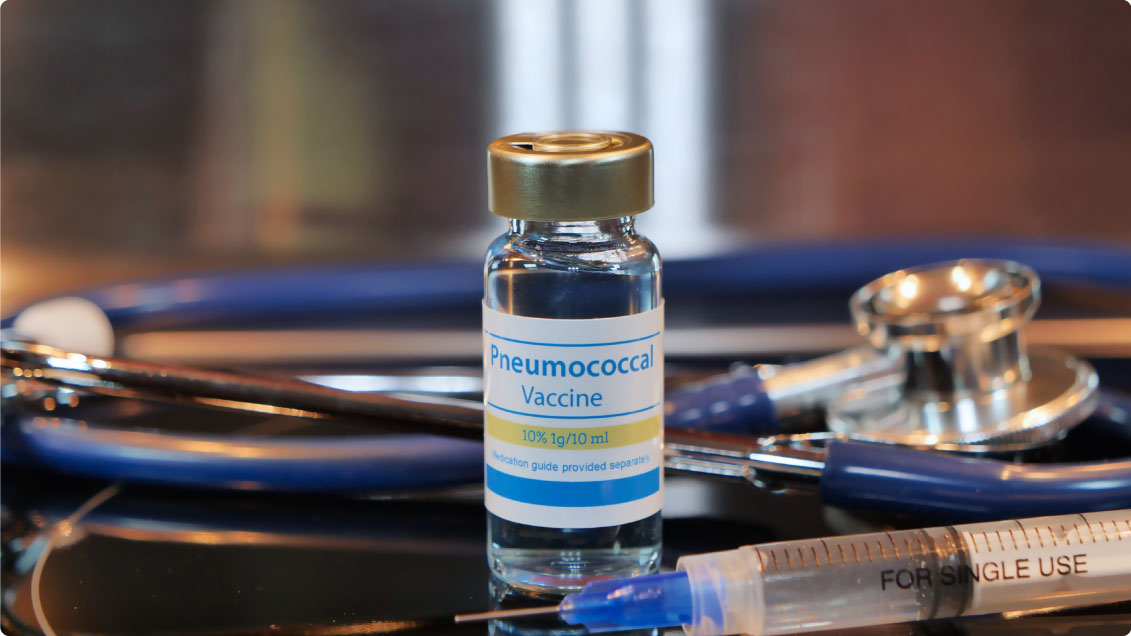
Vaccination is the single most powerful tool for preventing pneumonia in seniors. As the immune system weakens with age, staying current on key immunizations becomes critical.
Get the Pneumococcal Vaccine
Streptococcus pneumoniae is the most common bacterial cause of pneumonia. The pneumococcal vaccine protects against this germ and is strongly recommended for adults 65 and older.
Two types are available: PCV20 (Prevnar 20) or PCV15 (Prevnar 15) followed by PPSV23 (Pneumovax 23). Most seniors need only one or two doses, depending on prior vaccination history. One dose provides long-term protection, so talk to your doctor about the right schedule for you.
Stay Current on Annual Flu Shots
Influenza can lead to secondary bacterial pneumonia, a dangerous complication in older adults. Getting vaccinated every year cuts this risk significantly.
• Receive the flu shot by the end of October each year
• Choose a high-dose or adjuvanted flu vaccine (Fluzone High-Dose or Fluad) for a stronger immune response
• Studies show flu vaccination reduces pneumonia risk by up to 50% during flu season
Keep Up With COVID-19 Vaccination
SARS-CoV-2 can cause severe viral pneumonia, especially in unvaccinated seniors. Updated boosters restore protection that fades over time.
Stay current with the latest bivalent or monovalent boosters as recommended. COVID-19 vaccination cuts the risk of hospitalization and death by more than 90% in older adults. This is especially important for anyone with heart disease, diabetes, or lung problems.
Ask About RSV Protection
Respiratory syncytial virus is not just a childhood illness. Older adults can develop serious RSV-related pneumonia, particularly during fall and winter.
Two RSV vaccines (Arexvy and Abrysvo) are now approved for adults 60 and older. A single dose provides strong protection throughout RSV season. Seniors with chronic lung or heart disease should discuss vaccination with their doctor.
Review Tdap and Hib Vaccines
Two lesser-known vaccines also play a role in pneumonia prevention.
Tdap vaccine protects against pertussis (whooping cough), which can progress to pneumonia. Adults should receive one dose, especially those who spend time around infants.
Hib vaccine protects against Haemophilus influenzae type b. It may be advised for seniors with specific conditions such as asplenia, sickle cell disease, or a history of organ transplant.
Reduce Exposure to Respiratory Infections

Vaccines work best when paired with smart habits that limit germ exposure, especially during cold and flu season.
Limit Contact With Sick People
Older adults should avoid close contact with anyone showing signs of respiratory illness. Postpone gatherings during peak illness season, and if you must visit a sick friend or relative, wear a mask and wash your hands before and after.
Stay Home When Feeling Unwell
Seniors who feel sick, even with mild symptoms, should stay home. Coughs and congestion can escalate quickly in older adults, and isolation prevents spreading germs to others in the household or care facility. Wear a mask if leaving the house is unavoidable.
Wear Masks in High-Risk Settings
A well-fitting N95 or KN95 mask adds a layer of protection in crowded or enclosed spaces. Use one in hospitals, nursing homes, or on public transit, especially during winter months or local outbreaks.
Build Simple Hygiene Habits Into Daily Life
Small routines can dramatically lower the risk of infection.
Wash Hands Often
Handwashing remains one of the most effective ways to stop germ spread. Scrub with soap and water for at least 20 seconds, especially after using the bathroom, before eating, and after touching public surfaces. Use an alcohol-based sanitizer (60% or higher alcohol) when soap is unavailable.
Cover Coughs and Sneezes
Respiratory droplets carry pneumonia-causing pathogens. Use a tissue or your elbow instead of your hands, then wash up right away. Keep tissues and hand sanitizer within easy reach throughout the day.
Disinfect High-Touch Surfaces
Germs linger on doorknobs, light switches, remotes, phones, and kitchen counters for hours or even days. Wipe these surfaces daily with an EPA-registered disinfectant, especially during cold and flu season.
Strengthen Immunity and Lung Health

A resilient body fights off infections before they take hold in the lungs.
Quit Smoking
Smoking is one of the biggest risk factors for pneumonia. It damages the tiny cilia that clear mucus and bacteria from the airways and raises the risk of chronic bronchitis and COPD. Quitting at any age improves lung function, so ask your doctor about counseling or nicotine replacement options.
Limit Alcohol
Heavy alcohol use weakens the immune system and dulls the gag reflex, raising the risk of aspiration. Older adults should stick to no more than one drink per day. Talk to your doctor if alcohol interferes with medications.
Eat a Nutrient-Rich Diet
Good nutrition fuels immune defenses. Focus on fruits, vegetables, lean proteins, whole grains, and healthy fats, and make sure to get enough vitamin C, vitamin D, zinc, and protein. Staying hydrated also keeps mucous membranes moist, which helps the lungs resist infection.
Stay Physically Active
Movement boosts circulation and immune function. Aim for 30 minutes of moderate activity most days, such as walking, stretching, or water aerobics. Even light exercise improves lung capacity and helps clear the lungs of mucus.
Prioritize Sleep
Poor sleep weakens immune defenses. Seniors need 7 to 8 hours per night for optimal health. Stick to a consistent sleep schedule, limit screen time before bed, and seek treatment for sleep apnea or insomnia.
Manage Chronic Health Conditions

Underlying illnesses significantly raise pneumonia risk, so keeping them under control is essential.
Control Diabetes
High blood sugar impairs white blood cell function. Monitor glucose regularly, keep HbA1c within the target range, and follow your prescribed diet, medication, and exercise plan.
Treat Heart and Lung Disease
Conditions like COPD, asthma, and heart failure make the lungs more vulnerable to infection. Use inhalers or oxygen therapy as directed, attend all specialist appointments, and report any worsening shortness of breath or fatigue.
Attend Regular Check-Ups
Preventive care catches problems early. Schedule annual physicals, review your vaccination status, and update your care plan as health needs change.
Protect Oral and Swallowing Health
Poor oral care and swallowing problems are often overlooked pneumonia risks, particularly for seniors.
Maintain Daily Oral Hygiene
Bacteria from the mouth can travel into the lungs and cause infection. Brush teeth twice daily, floss once, clean dentures every day, and visit the dentist at least once a year.
Address Swallowing Difficulties
Dysphagia increases the risk of aspiration pneumonia. Watch for coughing or choking during meals, eat slowly while sitting upright, and avoid thin liquids if your doctor advises. Request a swallowing evaluation if problems arise.
Create a Lung-Friendly Home Environment
A clean, well-maintained home supports respiratory health.
Improve Indoor Air Quality
Polluted air irritates the lungs and lowers resistance to infection. Use HEPA air purifiers in bedrooms, avoid indoor smoking and harsh chemical cleaners, and keep humidity between 30% and 50% to prevent mold growth.
Promote Good Ventilation
Stale indoor air traps germs and allergens. Open windows when weather allows, run exhaust fans in kitchens and bathrooms, and change HVAC filters regularly.
Reduce Fall and Aspiration Risks
Falls can lead to complications that increase pneumonia risk. Install grab bars and non-slip mats in bathrooms, use a walker or cane if needed, and stay upright for at least 30 minutes after eating to prevent reflux.
Caregiver Strategies for Pneumonia Prevention
Family members and caregivers play a crucial role in keeping seniors safe.
Wash Hands Before Providing Care
Always wash your hands before helping with meals, medication, or personal care. This simple step prevents transmitting germs to vulnerable loved ones.
Watch for Early Warning Signs
Catching pneumonia early improves outcomes dramatically. Look for cough, fever, confusion, shortness of breath, or unusual fatigue, and remember that confusion is often the first sign of infection in older adults. Seek medical help promptly instead of waiting.
Support Vaccination Compliance
Help schedule and attend vaccine appointments, keep an updated record of all immunizations, and set reminders for annual flu shots and booster updates. Talk with the doctor about RSV and pneumococcal vaccines during each visit.
Frequently Asked Questions About Preventing Pneumonia in the Elderly
What is the most effective way to prevent pneumonia in elderly individuals?
Vaccination is the cornerstone of prevention. The pneumococcal, influenza, COVID-19, and RSV vaccines all lower the risk of pneumonia and its complications. Pair vaccines with good hygiene, chronic disease management, and a healthy lifestyle for the best protection.
Why are seniors more likely to get pneumonia?
Aging weakens the immune system (a process called immunosenescence) and reduces the lungs’ ability to clear germs. Many seniors also live with chronic conditions such as diabetes, heart disease, or COPD, which further increase vulnerability.
How often do older adults need the pneumonia vaccine?
Most adults 65 and older need only one or two doses of the pneumococcal vaccine in their lifetime. The exact schedule depends on which vaccines you received previously and your overall health status, so ask your doctor to confirm.
Can pneumonia be prevented without vaccines?
Healthy habits help reduce risk, but vaccines remain the most effective prevention tool. Handwashing, smoking cessation, good nutrition, and managing chronic conditions all add important layers of protection, but they cannot replace immunization.
When should a senior see a doctor about possible pneumonia?
Seek medical care right away if you notice cough, fever, chills, shortness of breath, chest pain, or sudden confusion. In older adults, confusion or a noticeable drop in energy is often the earliest warning sign of pneumonia.
Do caregivers need to take special precautions around seniors?
Yes. Caregivers should wash hands before and after providing care, stay home when sick, and wear a mask during respiratory illness season. Supporting vaccine compliance and watching for early symptoms are equally important.
Key Takeaways for Preventing Pneumonia in Seniors
Protecting elderly loved ones from pneumonia comes down to layered defense. Vaccines form the foundation, but daily habits such as handwashing, not smoking, and managing chronic conditions are equally important. Caregivers and family members make a real difference by encouraging healthy routines and watching for early warning signs.
Take one step today: review vaccination records and schedule any overdue shots. Prevention is always easier than treatment, and a few simple actions can dramatically reduce pneumonia risk while supporting a longer, healthier life.





