
Have you noticed persistent muscle cramps or unexplained pain in your neck, jaw, or chest? Many older adults experience these issues and assume they’re just part of aging. The truth is, symptoms of low magnesium in the elderly often go unrecognized or get blamed on other conditions. Recognizing these signs early can lead to simple, effective treatment.
This guide walks you through the most common warning signs based on real patient experiences. You’ll learn which symptoms deserve attention, why certain medications may be the hidden cause, and when it’s time to talk with your doctor about magnesium testing.
Common Physical Warning Signs
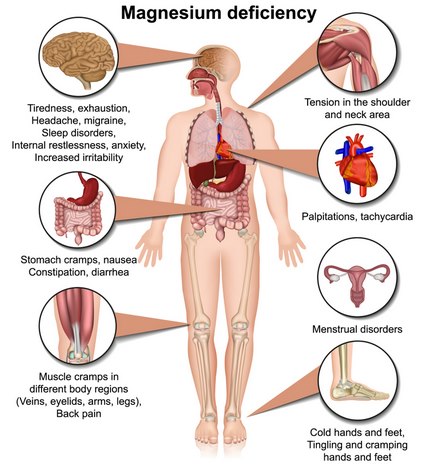
Magnesium plays a key role in muscle and nerve function throughout the body. When levels drop, physical symptoms often appear first and tend to disrupt daily life.
Muscle Cramps That Won’t Quit
Frequent, unexplained muscle cramps are one of the most reported signs of low magnesium. Many patients describe painful cramps in the legs or feet, especially at night. These cramps often return despite typical remedies and can interfere with sleep.
Pain on One Side of the Neck and Jaw
Pain localized to the right side of the neck and jaw has led doctors to prescribe magnesium therapy in real patient cases. This type of pain may feel like tension, tightness, or aching that doesn’t respond well to typical pain relievers. Doctors often pair magnesium treatment with neck exercises done three times a day for best results.
Chest Discomfort Worth Noting
Pain in the chest region is another symptom that has drawn attention in patient discussions. While chest pain always requires medical evaluation to rule out heart problems, recurring discomfort without a clear cardiac cause may point to magnesium deficiency. Don’t ignore chest symptoms, but do discuss the possibility of low magnesium with your doctor.
Why Medications May Be the Hidden Cause

Many older adults take medications that quietly deplete magnesium over time without realizing it.
Common Drug Culprits
Some medications cause a depletion of magnesium that patients often miss. Diuretics, certain antibiotics, and other prescriptions commonly used by seniors can lower magnesium levels gradually. If you’ve started a new medication and noticed new symptoms, ask your doctor whether magnesium loss could be the link.
Review Your Prescriptions With Your Doctor
Bring your full medication list to your next appointment. Your doctor can identify which drugs may affect magnesium and decide whether testing makes sense. Never stop a prescribed medication without medical guidance, even if you suspect it’s causing problems.
What to Do If You Notice These Symptoms
Taking action early can prevent symptoms from getting worse and improve quality of life.
Schedule a Doctor Visit
If you experience muscle cramps, neck or jaw pain, or chest discomfort, talk with your doctor soon. Mention that you’ve read about magnesium deficiency and ask whether testing is appropriate. A simple blood test can reveal whether your levels are low.
Ask About Magnesium Therapy
Many doctors treat magnesium deficiency with oral supplements paired with simple lifestyle changes. In some cases, doctors also recommend specific exercises to address related muscle tension. For example, neck exercises done three times a day are often prescribed alongside magnesium therapy for neck and jaw pain.
Track Your Symptoms
Keep a simple log of when symptoms appear, how long they last, and what makes them better or worse. This information helps your doctor make an accurate diagnosis and choose the right treatment plan for your situation.
Frequently Asked Questions About Magnesium Deficiency in Seniors
What are the earliest signs of low magnesium in older adults?
Muscle cramps and unexplained fatigue are often the first signs. Many seniors also report pain in the neck, jaw, or chest before receiving a diagnosis.
Can magnesium deficiency cause neck and jaw pain?
Yes. Pain on one side of the neck and jaw has been linked to low magnesium in patient reports. Doctors often prescribe magnesium therapy along with neck exercises for this issue.
Which medications deplete magnesium?
Several common medications can cause magnesium depletion, including some diuretics and antibiotics. Always ask your doctor about side effects when starting a new prescription.
How do doctors test for magnesium deficiency?
A standard blood test can measure magnesium levels. Your doctor may also recommend additional tests based on your symptoms and overall medical history.
Is magnesium therapy safe for elderly patients?
Magnesium therapy is commonly prescribed and generally safe under medical supervision. Your doctor will choose the right dose and form based on your individual needs.
Can low magnesium cause chest pain?
Chest discomfort has been reported by patients with low magnesium. Always seek urgent care for chest pain to rule out heart problems before exploring other causes.
Key Takeaways for Recognizing Magnesium Deficiency in Older Adults

Muscle cramps, neck and jaw pain, and chest discomfort are the most commonly reported symptoms of low magnesium in the elderly. These signs often appear together and may be mistaken for other age-related issues. Medications taken for other conditions can quietly deplete magnesium, making the problem worse over time.
If you or a loved one experiences these symptoms, schedule a doctor visit and ask about magnesium testing. Early recognition leads to simple treatment that can relieve pain, improve sleep, and restore quality of life. Don’t wait for symptoms to worsen. Taking action today can make a real difference in long-term health and wellbeing.