
Electrolyte imbalances affect millions of older adults each year, yet they often go unnoticed until serious complications develop. As the population over 65 continues to grow, understanding the symptoms of low electrolytes in elderly individuals becomes essential for families, caregivers, and clinicians. Sodium, potassium, and acid-base disturbances rank among the most common issues in aging adults, and left untreated, they can trigger confusion, dangerous falls, irregular heartbeat, and even death.
This guide covers the warning signs, root causes, and high-risk situations linked to electrolyte depletion in seniors. You will learn how to spot subtle behavioral changes, recognize medication triggers, and take preventive action before a minor imbalance becomes a medical emergency.
Common Electrolyte Imbalances in Aging Adults

Hyponatremia: Low Sodium Levels
Hyponatremia, defined as serum sodium falling below 135 mmol/L, ranks as the most frequent electrolyte disorder in older adults. The condition often develops gradually and may not produce obvious symptoms until levels drop significantly. Contributing factors include age-related decline in kidney concentrating ability, chronic diseases, and medications such as thiazide diuretics or SSRIs.
Early Warning Signs of Low Sodium
- Mental confusion or sudden disorientation
- Unsteady walking and increased fall risk
- Persistent headaches and unusual fatigue
- Nausea or reduced appetite
Mild cases may produce only subtle symptoms, but as sodium continues to fall, neurological effects worsen. Severe hyponatremia can lead to seizures, coma, and respiratory arrest, especially in seniors with existing cognitive impairment.
Pro Tip: Any sudden change in mental status in an older adult should prompt immediate evaluation for hyponatremia, even when no other symptoms appear.
Who Faces the Highest Risk?
- Nursing home residents
- Patients taking thiazide diuretics
- Individuals with heart failure or SIADH
- Seniors with limited mobility or cognitive decline
Hyponatremia in the elderly is linked to a twofold increase in mortality, and even mild cases raise the risk of fractures due to gait instability.
Hypernatremia: High Sodium from Dehydration
While low sodium is common, high sodium (serum sodium above 145 mmol/L) also affects many older adults, typically due to dehydration and a weakened thirst response. Unlike younger individuals, seniors often fail to feel thirsty even when significantly dehydrated.
Warning Signs of Elevated Sodium
- Extreme thirst (when the person can communicate)
- Dry mucous membranes and skin
- Confusion or unusual irritability
- Muscle twitching or seizures
Hypernatremia appears most often in hospitalized or institutionalized seniors. More than 85% of affected patients cannot access water independently, making this condition largely preventable.
Critical Insight: Mortality from hypernatremia exceeds 40%, not because of the sodium level itself, but due to underlying infections, stroke, or immobility that limit fluid intake.
Key Symptoms by Electrolyte Type
Low Potassium: Fatigue and Heart Risks
Hypokalemia, defined as potassium below 3.5 mmol/L, may result from diuretic use, poor dietary intake, or gastrointestinal losses. Older adults excrete potassium less efficiently due to reduced renin and aldosterone levels, yet they remain at risk when potassium-wasting drugs are prescribed.
Recognizable Hypokalemia Symptoms
- Muscle weakness, especially in the legs
- Cramping or spasms
- Constipation
- Palpitations or irregular heartbeat
Severe deficiency can trigger life-threatening arrhythmias, particularly in seniors with underlying heart disease.
Red Flag: Unexplained constipation in an older adult taking a diuretic may be the first sign of low potassium.
Common Contributing Factors
- Thiazide or loop diuretics
- Vomiting or laxative overuse
- Poor dietary intake (common in frail seniors)
- Medications requiring close potassium monitoring
Metabolic Acidosis: Hidden Electrolyte Disruption

As kidney function declines with age, the body’s ability to excrete acid diminishes. This leads to chronic metabolic acidosis that often goes undetected until symptoms appear.
Signs of Acid Buildup
- Unexplained fatigue
- Rapid, shallow breathing
- Loss of muscle mass
- Bone fragility and increased fracture risk
Older adults cannot increase acid excretion in response to high-protein diets or illness, making them prone to this silent imbalance. Over time, acidosis contributes to muscle wasting and osteoporosis.
Expert Note: Chronic acidosis accelerates aging processes in the kidney and may worsen cognitive decline, yet it is rarely tested unless specifically suspected.
Why Elderly Adults Are More Vulnerable

Age-Related Kidney Changes
After age 40, glomerular filtration rate declines by about 0.87 mL/min/year. Structural changes such as cortical glomerulosclerosis reduce the kidney’s ability to concentrate or dilute urine, regulate sodium, and excrete potassium.
Functional Impacts on the Aging Kidney
- Inability to conserve sodium during fasting or illness
- Reduced response to antidiuretic hormone
- Impaired potassium secretion
- Decreased ammonium excretion in acidosis
Even without chronic kidney disease, the aging kidney behaves as if mildly impaired, making electrolyte balance fragile under stress.
Thirst Mechanism Declines with Age
One of the most dangerous age-related changes is blunted thirst perception. Studies show older adults drink up to 50% less fluid after a saline infusion than younger adults, despite higher serum osmolality.
This means dehydration occurs without warning, hypernatremia develops insidiously, and cognitive decline worsens due to hyperosmolarity. Caregivers must proactively offer fluids, even when the person insists they are not thirsty.
Medications That Disrupt Balance
Polypharmacy is a major driver of electrolyte disorders in the elderly. Common culprits include:
| Medication Class | Electrolyte Effect | Example Drugs |
|---|---|---|
| Thiazide diuretics | Hyponatremia, hypokalemia | Hydrochlorothiazide |
| SSRIs | Hyponatremia via SIADH | Sertraline, fluoxetine |
| NSAIDs | Hyperkalemia, hyponatremia | Ibuprofen, naproxen |
| ACE inhibitors | Hyperkalemia | Lisinopril, enalapril |
| Lithium | Hypernatremia risk | Lithium carbonate |
Caution: Starting a new medication, especially psychotropics or blood pressure drugs, requires close monitoring of sodium and potassium in older patients.
Detecting Imbalances Early
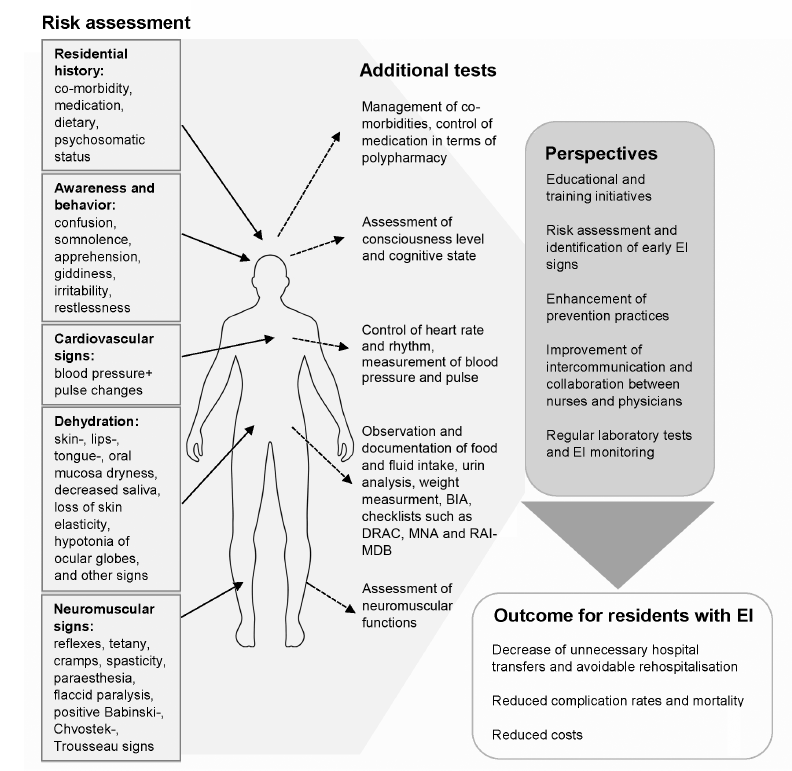
Subtle Behavioral Clues
Electrolyte disturbances often mimic dementia or depression. Watch for:
- Sudden confusion or agitation
- New-onset sleep disturbances
- Withdrawn behavior or apathy
- Increased fall frequency
These may be the only signs of hyponatremia or acidosis before more severe symptoms emerge.
Lab Testing Guidelines
Routine monitoring is essential for high-risk seniors:
- Check sodium and potassium annually in stable patients
- Test within 24 hours of starting diuretics, SSRIs, or ACE inhibitors
- Repeat labs during acute illness such as infection, GI losses, or heart failure
Even mild abnormalities, such as sodium between 132 and 134 mmol/L, warrant investigation and follow-up.
When to Seek Medical Help
Emergency Red Flags
Seek immediate care if an elderly person shows:
- Seizures or loss of consciousness
- Severe muscle weakness or paralysis
- Irregular heartbeat or chest pain
- Inability to keep fluids down
- Rapid breathing or sudden confusion
These may indicate dangerous potassium or sodium shifts requiring urgent treatment.
Preventive Steps for Caregivers
- Offer fluids regularly, even without thirst
- Monitor weight weekly (sudden drops suggest dehydration)
- Review all medications with a pharmacist
- Encourage a balanced diet with fruits and vegetables
- Watch for constipation or gait changes
Time-Saving Tip: Use a home log to track mood, energy, urination, and weight. Patterns may reveal early electrolyte issues before labs do.
Managing and Preventing Imbalances

Dietary Adjustments
- Include potassium-rich foods such as bananas, oranges, spinach, and potatoes
- Ensure adequate protein to maintain muscle and acid-base balance
- Limit excessive salt intake, especially with heart failure
- Avoid overuse of laxatives or enemas
Hydration Strategies
- Offer small sips of water every 1 to 2 hours
- Use flavored oral rehydration solutions if plain water is refused
- Monitor urine color (dark yellow suggests dehydration)
- Consider scheduled drinking if cognitive impairment is present
Medication Review Protocol
At every doctor visit:
- Ask whether any prescribed drugs could cause low sodium or potassium
- Request periodic electrolyte checks
- Discuss alternatives to high-risk medications when possible
Frequently Asked Questions About Symptoms of Low Electrolytes in Elderly
What Are the First Signs of Low Electrolytes in Older Adults?
The earliest signs often include confusion, fatigue, muscle weakness, and unsteady gait. These symptoms are frequently mistaken for normal aging or dementia, which delays diagnosis.
Can Low Electrolytes Cause Confusion in the Elderly?
Yes. Both low sodium and metabolic acidosis can cause sudden confusion, disorientation, and agitation. Any unexplained mental status change warrants electrolyte testing.
How Quickly Can Electrolyte Levels Change in Seniors?
Levels can shift within hours during illness, medication changes, or fluid loss. Hospitalized seniors require frequent monitoring because imbalances develop rapidly under stress.
Why Are the Elderly More Prone to Hyponatremia?
Aging kidneys struggle to excrete free water efficiently, and many common medications (thiazides, SSRIs) increase hyponatremia risk. Reduced solute intake and blunted thirst compound the problem.
Are Electrolyte Imbalances Life-Threatening?
Yes. Severe hyponatremia and hypernatremia carry mortality rates of 40% or higher, often due to underlying illness. Cardiac arrhythmias from potassium shifts can also be fatal.
How Often Should Seniors Have Electrolytes Checked?
Stable seniors benefit from annual testing. Those on diuretics, SSRIs, or ACE inhibitors should be tested within 24 hours of starting therapy and monitored regularly thereafter.
Key Takeaways for Recognizing Low Electrolytes in Elderly Adults
The symptoms of low electrolytes in elderly individuals are often nonspecific but profoundly impactful. From confusion and weakness to life-threatening arrhythmias, these imbalances can mimic aging itself, yet many are preventable with vigilance.
Key points to remember:
- Hyponatremia and hypernatremia are both common and deadly
- Thirst declines with age, so do not wait for complaints
- Medications are a leading cause, so review them regularly
- Early symptoms resemble dementia, so test before diagnosing
By recognizing the signs early and acting proactively, families and clinicians can prevent hospitalizations, falls, and unnecessary decline in older adults. Electrolyte balance is not just a lab value. It is a cornerstone of healthy aging. Schedule a medication review and hydration plan with your healthcare provider today to protect the seniors in your care.