
Putting in eye drops can be surprisingly difficult, especially for older adults. Conditions like glaucoma, dry eyes, or cataracts often require daily eye drop use, but hand tremors, poor vision, and limited dexterity make proper administration a real challenge. When technique is off, up to 80% of the medication spills out, reducing effectiveness and increasing the risk of side effects. Worse, improper use can lead to contamination or even vision loss over time.
The good news? With the right method, even someone with shaky hands can apply eye drops confidently and accurately. This guide reveals proven techniques, including expert tips from decades of experience and real-world strategies used by elderly patients, to help ensure every drop counts.
Prepare Medication and Workspace
Before touching the bottle, preparation is key to safety and effectiveness. Skipping simple steps like handwashing or checking the expiration date increases infection risk and reduces treatment success.
Verify Medication and Expiry
Always confirm you have the correct eye drops for the correct eye and time of day. Check the label against your prescription. Make sure the seal is intact and the expiration date has not passed. Some medications, like steroid or glaucoma drops, must be used exactly as directed to prevent serious complications. If the bottle requires shaking or refrigeration, follow those instructions precisely, but never freeze eye drops.
Wash Hands and Set Up Clean Area
Wash your hands thoroughly with soap and water before handling the bottle, then dry them completely. Place a clean tissue on a flat surface to set down the cap. Never place the cap directly on a countertop or sink edge. This prevents contamination of the dropper tip, which can introduce bacteria into the eye and cause infections.
Handle the Bottle Safely
Remove the cap and place it face up on the tissue. Avoid touching the dropper tip to your fingers, eyelids, or any surface. If the medication contains particles, gently invert the bottle 2 to 3 times to mix it. Never share eye drops with others, as this is a major cause of eye infections.
Choose the Right Positioning Method
The right body position can make all the difference, especially for elderly users with tremors or mobility issues. The goal is stability, accuracy, and comfort.
Sit Upright with Chin Up
Sit in a sturdy chair with your back straight. Tilt your head slightly back and look upward toward the ceiling. Keep your chin up so the eye surface is parallel to the floor. This alignment helps the drop land in the right spot without blinking prematurely.
Try the Lying Down Method
Lie flat on your back, preferably on a bed, with your head slightly elevated. Look straight up at the ceiling. Rest the bottle on the bridge of your nose to stabilize your hand and reduce tremors. With your eye open, gently squeeze the bottle, and gravity guides the drop directly into the eye. This method is especially effective for older adults who struggle with hand control.
Use the Fingernail Reference Trick
A 78-year-old retired engineer swears by this technique. Lie flat, look at the ceiling, and gently pull down the lower eyelid. Use the edge of your fingernail as a visual guide to aim the dropper just above the eyeball. The fingertip acts as a depth reference, preventing the bottle from getting too close. This trick improves accuracy and builds confidence.
Apply Eye Drops Correctly

Now that you are positioned, it is time to administer the drop. The key is creating a target pocket and avoiding direct contact with the eye.
Create the Lower Eyelid Pocket
With your non-dominant hand, use your index finger or thumb to gently pull down the lower eyelid. This forms a small pocket between the lid and the white of the eye called the conjunctival sac. This is where the drop should go, not on the cornea at the front of the eye. Aiming at the pocket reduces discomfort and blinking reflexes.
Hold Bottle 1–2 cm Above Eye
Hold the bottle in your dominant hand with the tip pointing straight down. Position it 1 to 2 cm (about half an inch) above the eye. Do not touch the eye, eyelid, or fingers with the tip. If your hand shakes, rest your dominant hand on your non-dominant hand for support. This creates a stable platform for a controlled squeeze.
Squeeze One Drop Into the Pocket
Gently press the bottle to release one drop into the pocket. Even if you miss slightly, one drop is all the eye can absorb, and any extra will spill out. Never put in a second drop just in case. Prescription bottles are designed to deliver one drop per squeeze when used correctly.
Use Punctal Occlusion to Boost Effectiveness
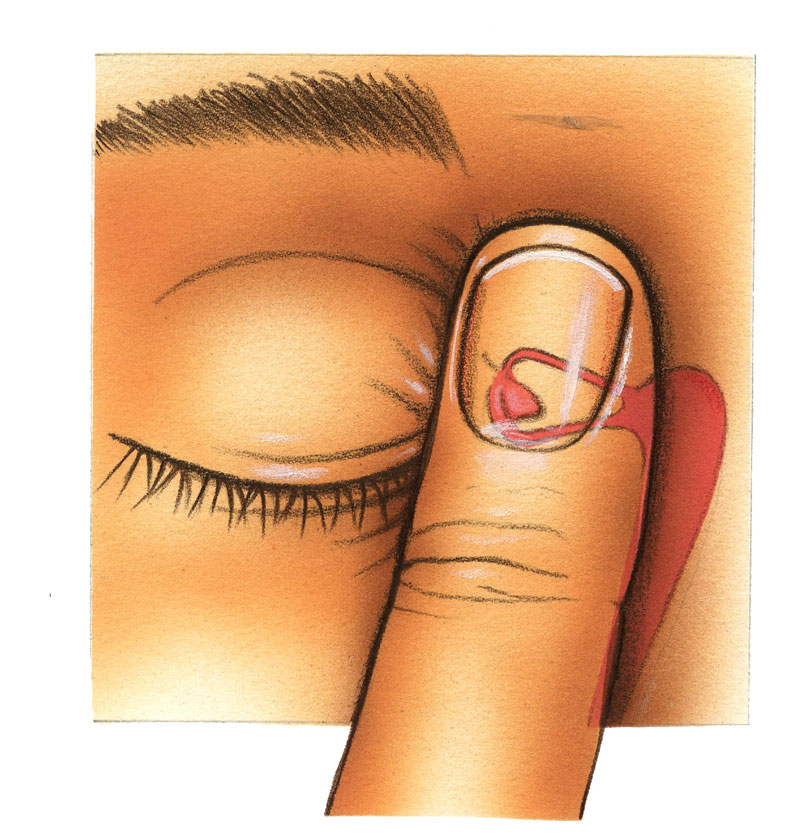
After the drop is in, a simple 30-second step can double its effectiveness and reduce side effects, especially for glaucoma and steroid medications.
Press the Inner Corner of the Eye
Immediately after closing your eye, use your index finger to gently press on the inner corner near the nose. This spot covers the tear duct (punctum). Hold pressure for 30 to 60 seconds, though some experts recommend up to 5 minutes. This prevents the medication from draining into the nasal passage, where it can enter the bloodstream and cause systemic side effects.
Prevent Nasal Absorption
Blocking the tear duct increases the amount of medication that stays in the eye, making treatment more effective. It is especially important for glaucoma drugs like timolol and steroid drops, which can affect heart rate, blood pressure, or blood sugar if absorbed systemically.
Wipe Excess Gently
After punctal occlusion, use a clean tissue to dab away any excess liquid from the eyelid or cheek. Do not wipe across the eye. This keeps the area clean and prevents skin irritation from medication runoff.
Manage Multiple Drops and Timing
Many elderly patients use more than one type of eye drop. Timing matters, since drops applied too close together can wash each other out.
Wait 5–10 Minutes Between Drops
If using multiple medications, wait at least 5 minutes (preferably 10) before applying the next drop. This gives the first medication time to absorb. Apply drops in the order prescribed, usually starting with thinner, water-based solutions before thicker gels.
Remove Contact Lenses First
If the person wears contacts, remove them before applying drops. Most eye medications are not safe for use with lenses and can cause irritation or damage. Wait at least 15 minutes after the drop before reinserting lenses, and confirm timing with a doctor.
Follow the One Drop Rule
Never put in two drops just to be safe. The average eye holds only 10 microliters of fluid, but a single drop is about 50 microliters. The excess spills out, runs down the cheek, or drains into the nose. More drops do not mean better results. They only increase waste and side effects.
Adapt Techniques for Elderly Challenges
Aging brings physical changes that make eye drop use harder. With smart adaptations, independence and accuracy are still possible.
Reduce Hand Tremors with Stability Tricks
Tremors are common in older adults. The lying down method and resting the bottle on the nose both reduce shaking. Using the dominant hand to squeeze gives better control. For extra stability, place the hand applying the drop on top of the hand pulling the eyelid.
Use Cold Drops for Sensory Feedback
Some people worry the drop did not go in. If approved by a doctor, store the bottle in the refrigerator (never the freezer). The cold sensation confirms when the drop lands, reducing anxiety. It also feels soothing for dry or irritated eyes.
Alternate Starting Eye to Balance Dosage
Plastic prescription bottles often dispense uneven amounts, with the first eye getting too little and the second too much. A simple fix is to start with the opposite eye each night. This evens out the flow over time and ensures both eyes receive a fair dose.
Try the Inner Corner Blink Method
For those afraid of putting drops directly in the eye, place one drop in the inner corner near the nose. Then open the eye and blink normally. The tear film will naturally pull the medication across the surface. It is less intimidating and works well for anxious users.
Prevent Contamination and Infection
Eye infections from contaminated drops can lead to serious complications, especially in older adults with weakened immune systems.
Never Touch the Dropper Tip
The dropper must stay sterile. Never let it touch the eye, fingers, or any surface. If it does, discard the bottle or consult a pharmacist, since contamination risk remains high even with preservatives.
Recap Immediately and Wash Hands
After use, recap the bottle right away to keep dust and bacteria out. Wash your hands again to remove any residual medication, which could irritate skin or be accidentally transferred to the mouth or other eyes.
Discard After 4 Weeks
Most multi-dose eye drop bottles should be thrown away 4 weeks after opening, even if liquid remains. Preservatives lose effectiveness over time, increasing infection risk. Mark the opening date on the bottle with a pen.
Troubleshoot Common Problems
Even with practice, issues arise. Here is how to solve them quickly and safely.
Can Not Aim the Drop?
Use a mirror for visual feedback. Stand or sit close to a well-lit mirror, tilt your head back, and watch your hand as you squeeze. Alternatively, use the lying down method, which is more accurate and reduces the need for precision.
Not Sure If the Drop Landed?
Do not guess. Close your eye and blink a few times. Then press the inner corner for 30 seconds. Even if you missed, one drop is enough when applied correctly. The cold sensation from refrigerated drops can confirm placement.
Bottle Dispenses Too Much or Too Little?
This is common with Latanoprost and other glaucoma medications. The first squeeze may release a large blob, and the next a tiny stream. To balance it, start with the opposite eye each day. This evens out inconsistencies and ensures fair dosing over time.
Fearful of Eye Drops?
Fear is common, especially after a diagnosis like glaucoma. The Inner Corner Blink Technique is less scary. You do not have to stare at the dropper. Just place the drop in the corner and blink, and it spreads on its own.
Frequently Asked Questions About Putting Eye Drops in Elderly
How long should you press the inner corner of the eye after applying drops?
Press the inner corner (tear duct) for at least 30 to 60 seconds. Some experts recommend holding pressure for up to 5 minutes. This technique, called punctal occlusion, prevents medication from draining into the nose and bloodstream.
When should you discard an opened eye drop bottle?
Most multi-dose eye drop bottles should be discarded 4 weeks after opening, even if liquid remains. Preservatives lose effectiveness over time, raising the risk of infection. Always mark the opening date on the bottle.
Why do glaucoma eye drops need special application care?
Glaucoma drops can enter the bloodstream through the tear duct and cause systemic side effects like changes in heart rate or blood pressure. Pressing the inner corner of the eye and avoiding the eyeball itself keeps the medication working where it is needed.
Can elderly patients with hand tremors still apply eye drops accurately?
Yes. The lying down method with the bottle resting on the bridge of the nose significantly reduces tremors. Resting the dominant hand on the non-dominant hand adds further stability, making accurate application possible even with shaking.
Is it okay to put in two drops if the first one missed?
No. One drop is all the eye can absorb. The eye holds only about 10 microliters, while a single drop delivers around 50 microliters. Extra drops spill out and can increase side effects without improving results.
Do eye drops need to be refrigerated?
Only if the label or your doctor says so. If approved, refrigeration can help confirm placement through a cold sensation and may soothe irritated eyes. Never freeze eye drops, and always check with a doctor before refrigerating any medication.
Key Takeaways for Putting Eye Drops in Elderly
Applying eye drops confidently comes down to three core habits: cleanliness, consistency, and using methods matched to physical limitations. Wash hands before and after, recap immediately, and discard bottles after 4 weeks. Use the lying down method or the fingernail reference trick to manage tremors, and always press the inner corner for at least 30 seconds to keep medication in the eye and out of the bloodstream.
If challenges persist despite these techniques, ask an eye doctor about assistance devices like eye drop guides or spring-loaded applicators. With the right approach, every drop works harder, treatment stays effective, and the risk of complications drops significantly.