

Preparing meals for elderly individuals goes far beyond simply cooking food. It requires understanding how aging changes the body, affects appetite, and creates new nutritional priorities. Many seniors face reduced metabolism, dental problems, medication side effects, or chronic illnesses that make eating difficult. Without thoughtful meal planning, older adults risk malnutrition, muscle loss, and slower recovery from illness or surgery.
This guide gives you everything you need to prepare meals for elderly individuals with confidence. You will learn how to meet changing nutritional needs, adapt food textures for safe swallowing, build appealing menus, simplify kitchen workflows, and support independence at mealtimes. Whether you care for a family member at home or prepare meals in a care facility, these practical strategies will help you serve food that is nourishing, enjoyable, and safe.
Meet Senior Nutritional Needs
As the body ages, nutritional requirements shift in important ways. Older adults generally need fewer calories but more of specific nutrients that protect bones, muscles, and brain health. Recognizing these changing needs is the first step in preparing meals for elderly individuals effectively.
Prioritize Key Nutrients
Focus every meal around these essential nutrients:
– Protein: Prevents sarcopenia, the age-related loss of muscle mass. Sources include lean poultry, fish, eggs, dairy, beans, and tofu.
– Calcium and Vitamin D: Strengthen bones and lower fracture risk. Find these in fortified milk, yogurt, cheese, and leafy greens.
– Fiber: Supports digestion and prevents constipation. Whole grains, fruits, vegetables, and legumes provide excellent fiber.
– Potassium with low sodium: Helps regulate blood pressure. Fresh produce delivers potassium without added salt.
– Vitamin B12: Absorption decreases with age, so include fortified cereals, dairy, or supplements when a doctor recommends.
Avoid sugary snacks, white bread, and processed foods that offer calories without real nutrition.
Adjust Calorie Intake
Most seniors need between 1,600 and 2,200 calories daily, depending on gender and activity level. Smaller appetites make nutrient density more important than portion size. Every bite should count.
For seniors who are underweight, boost calories with healthy additions like avocado, olive oil, nut butters, or powdered milk stirred into smoothies and soups.
Adapt Textures for Swallowing Safety
Chewing and swallowing problems, known as dysphagia, affect many older adults, especially after a stroke or with neurological conditions. Modifying food textures protects against choking and aspiration while encouraging adequate intake.
Identify Swallowing Challenges
Watch for these warning signs during meals:
– Coughing or choking while eating
– Food pocketing in the cheeks or mouth
– A wet or gurgly voice after swallowing
– Frequent throat clearing
If you notice any of these signs, consult a speech-language pathologist before changing food textures.
Choose the Right Texture Level
Match each meal to the senior’s swallowing ability:
– Soft foods: Easy to mash with a fork, such as scrambled eggs, mashed potatoes, and cooked fruit.
– Minced and moist: Small bite-sized pieces in sauce or gravy, like ground turkey in gravy or finely chopped stew.
– Pureed: Smooth, pudding-like consistency from blended soups, fruit smoothies, and pureed vegetables.
A blender or immersion blender makes texture adjustments quick while preserving flavor and nutrients.
Avoid High-Risk Foods
Steer clear of items that commonly cause choking:
– Dry crackers or crusty bread
– Tough cuts of meat
– Stringy vegetables like celery
– Nuts, seeds, and popcorn
– Sticky foods in large amounts
If thin liquids cause coughing, thicken beverages with commercial thickeners recommended by a healthcare provider.
Plan Balanced and Appealing Menus
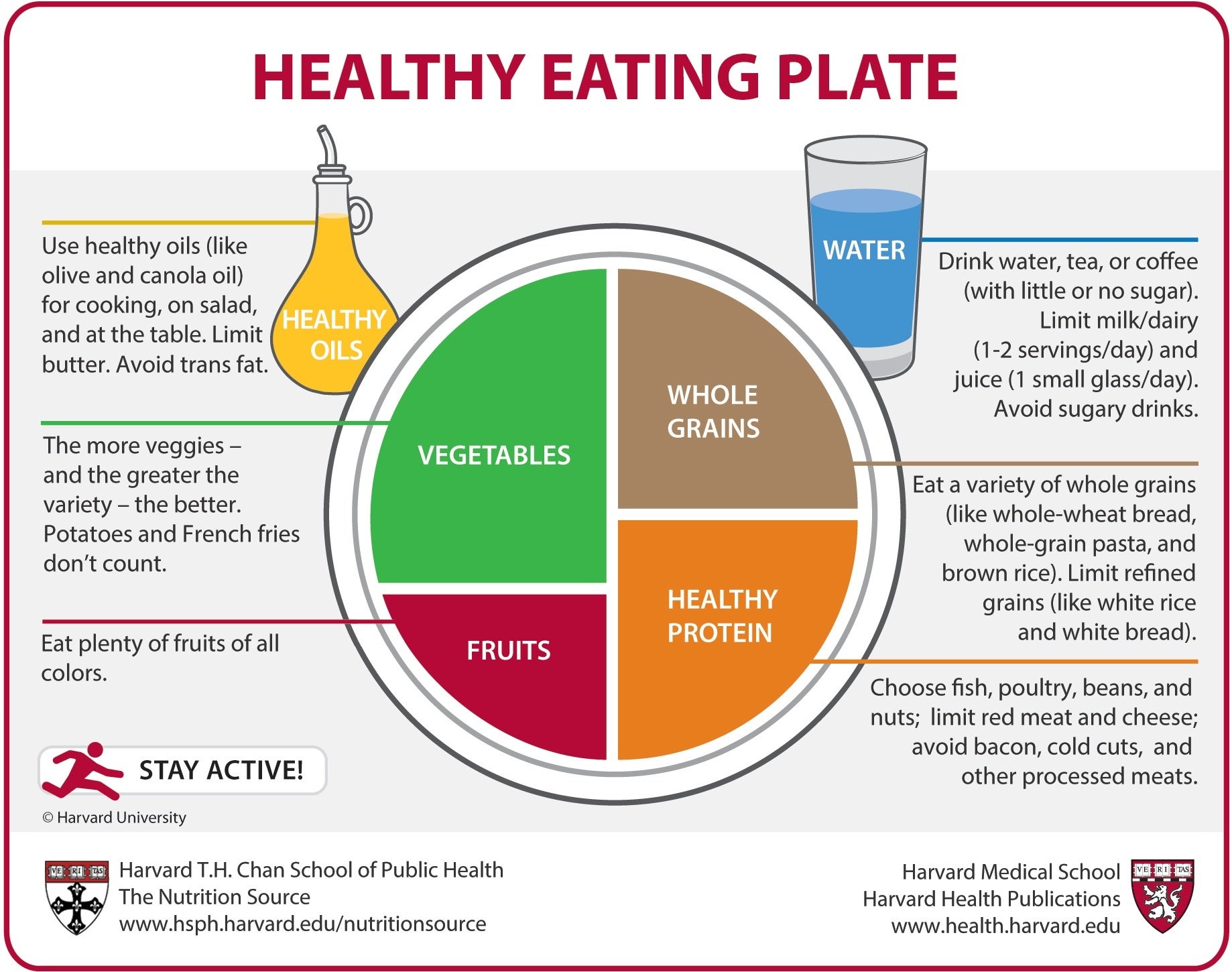
A thoughtful menu keeps meals interesting and ensures nutritional coverage, even when appetite is small.
Follow a Flexible Meal Framework
Structure each day around simple guidelines:
– Three small meals plus two or three snacks
– One protein source at every meal
– Colorful fruits and vegetables at most meals
– Whole grains for sustained fiber
– Water or hydrating fluids throughout the day
A sample day might include oatmeal with banana for breakfast, Greek yogurt as a snack, pureed chicken soup with a soft roll for lunch, cottage cheese with peaches in the afternoon, and baked salmon with mashed sweet potatoes for dinner.
Enhance Flavor Without Salt
Age dulls taste buds, which can lead seniors to oversalt their food. Boost flavor naturally with:
– Fresh herbs like basil, thyme, and rosemary
– Citrus zest or a squeeze of lemon
– Aromatics such as garlic, onion, and ginger
– Mild spices like cinnamon, paprika, or turmeric
Serve foods warm when possible, since warmth releases aroma and intensifies flavor.
Simplify Meal Preparation

Streamlining your kitchen routine makes it easier to provide consistent, nutritious meals without burnout.
Batch Cook and Freeze
Prepare large batches of soups, stews, or casseroles and portion them into single-serve containers. Label each container with the contents, date prepared, and reheating instructions. Most frozen meals stay safe and tasty for two to three months.
Use Time-Saving Tools
Equip your kitchen with tools that reduce hands-on work:
– Slow cooker or Instant Pot for tender meats and grains
– Blender or immersion blender for purees and smoothies
– Food chopper for consistent minced textures
– Electric kettle for quick hot drinks and soup reheating
Pre-cut vegetables and canned beans also cut prep time without sacrificing nutrition.
Ensure Food Safety
Aging weakens the immune system, making seniors more vulnerable to foodborne illness. Strict food safety practices protect your loved one every time you prepare a meal.
Store and Handle Food Properly
Follow these essential habits:
– Refrigerate leftovers within two hours, or within one hour when room temperature exceeds 90°F
– Keep your refrigerator at or below 40°F
– Store raw meat separately from ready-to-eat foods
– Wash hands, utensils, and surfaces often
When in doubt about whether food is safe, throw it out.
Reheat Safely
Always reheat leftovers to an internal temperature of 165°F. Stir food during reheating, especially in the microwave, so heat distributes evenly. Reheat each portion only once to prevent bacterial growth.
Support Independence and Dignity
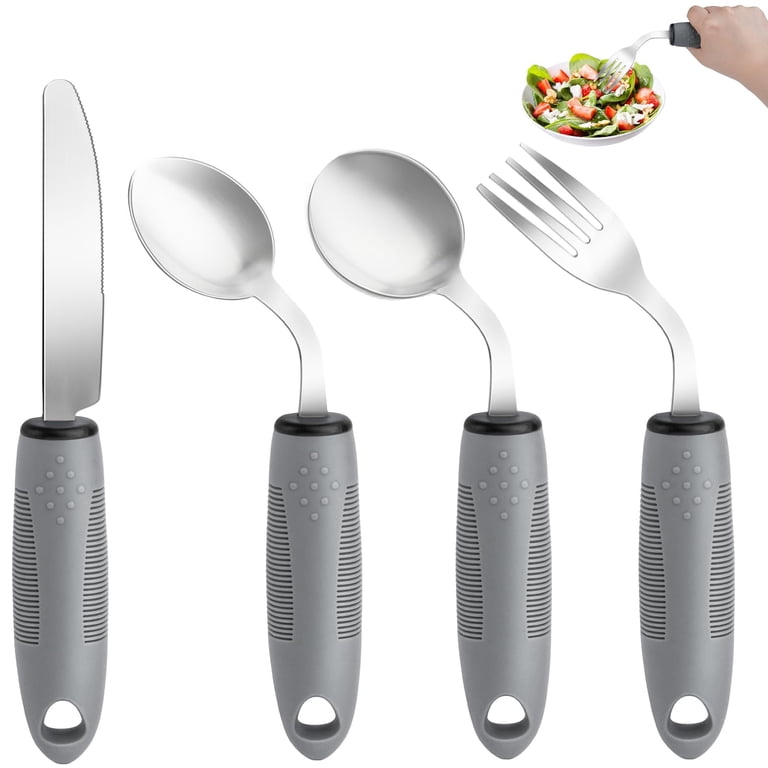
Whenever possible, encourage seniors to feed themselves. Independence at mealtimes supports both physical strength and emotional well-being.
Use Adaptive Utensils
For seniors with arthritis, tremors, or limited grip strength, helpful tools include:
– Weighted utensils that reduce shaking
– Built-up handles that improve grip
– Non-slip mats that anchor plates
– Spill-proof cups with lids
Create a Calm Eating Environment
Set the stage for relaxed, focused meals by turning off the television, minimizing background noise, and sitting together when possible. A peaceful atmosphere promotes slower eating, better chewing, and improved digestion.
Address Common Eating Problems
Appetite loss, dry mouth, and dental discomfort frequently interfere with senior nutrition. Each challenge has practical solutions.
Combat Poor Appetite
Try these strategies when seniors eat too little:
– Serve smaller, more frequent meals throughout the day
– Offer favorite foods prepared in nutrient-dense ways
– Add calorie boosters like cheese, cream, or olive oil
– Encourage light activity before meals to stimulate hunger
Avoid filling up on liquids right before mealtime.
Manage Dry Mouth
Dry mouth is a common medication side effect. Helpful approaches include:
– Choosing moist foods such as soups, stews, and custards
– Offering sugar-free lozenges or sprays
– Serving water, broth, or milk with meals
– Avoiding salty, dry, or acidic foods that irritate tissues
Accommodate Dental Issues
For seniors with missing teeth or uncomfortable dentures:
– Cook foods until very soft
– Replace crunchy snacks with soft alternatives such as applesauce
– Avoid sticky or chewy items that stick to teeth or gums
Routine dental checkups help maintain oral comfort and eating ability.
Monitor Nutrition and Make Adjustments
Ongoing observation helps you catch nutrition concerns before they become serious.
Watch for Warning Signs
Contact a healthcare provider if you notice:
– Unintentional weight loss
– Persistent fatigue or weakness
– Swollen or bleeding gums
– Slow wound healing
– Frequent infections
Monthly weight checks provide useful tracking when concerns exist.
Consult Health Professionals
Build a care team that includes:
– A doctor to rule out medical causes of appetite changes
– A registered dietitian for personalized meal plans
– A dentist to address oral health barriers
– A speech therapist if swallowing difficulties continue
These professionals can recommend supplements or specialized diets when needed.
Frequently Asked Questions About Preparing Meals for Elderly
What are the most important nutrients for seniors?
Protein, calcium, vitamin D, fiber, vitamin B12, and potassium rank highest. These nutrients protect muscle mass, bone strength, digestion, and brain function. Prioritize whole foods over supplements whenever possible.
How many calories does an elderly person need per day?
Most older adults require between 1,600 and 2,220 calories daily, depending on gender and activity level. Smaller, nutrient-dense meals and snacks usually work better than large portions.
What foods should elderly people avoid?
Limit sugary snacks, refined carbohydrates, highly processed foods, and excess sodium. Seniors with swallowing difficulties should also avoid dry crackers, tough meats, stringy vegetables, nuts, seeds, and sticky foods.
How can I make food easier to swallow?
Modify textures by softening, mincing, or pureeing foods. Add moisture with gravy, sauce, or broth. Thicken thin liquids if a speech therapist recommends it.
Are meal delivery services a good option for seniors?
Meal delivery services can supplement home cooking, especially when caregivers need support. Choose services that offer senior-friendly menus with appropriate portion sizes and nutrient profiles.
How do I encourage an elderly person to eat more?
Serve smaller meals more often, focus on favorite foods, boost calories with healthy add-ins, and create a calm mealtime environment. Light physical activity before meals can also stimulate appetite.
Key Takeaways for Preparing Meals for Elderly Loved Ones
Preparing meals for elderly individuals is one of the most meaningful ways to support health, comfort, and independence. Focus on nutrient-dense foods that deliver protein, calcium, fiber, and vitamins without excess calories. Adjust food textures when chewing or swallowing becomes difficult, and always prioritize safety through proper storage and reheating. Build menus around variety, natural flavor enhancers, and foods your loved one genuinely enjoys.
Your next step is simple: choose one recipe from this guide and prepare it this week using the texture and nutrient principles outlined here. Small, consistent changes in how you plan and serve meals can dramatically improve an older adult’s quality of life, strength, and overall well-being.





