
You have probably heard the phrase “seniority matters” in workplaces, politics, and military settings, but what does it actually mean? Seniority is the status granted to an individual based on their length of service or rank within an organization. It often decides who gets promoted, who keeps their job during layoffs, and who leads a team. While it rewards longevity and experience, the system also sparks debate about fairness and merit. This guide breaks down how seniority functions across different fields, its real-world applications, and why it still holds weight today.
From union shops to airline cockpits, seniority shapes career outcomes in measurable ways. It influences your pay, your schedule, and even your job security. But how is it calculated, and is it always fair? Below, you will learn the mechanics behind seniority systems, where they apply, and what to know if you are navigating one yourself.
Seniority by Rank or Tenure
Two Types of Seniority Explained
Seniority operates in two main ways: by position and by time served. A CEO holds higher rank than a manager, giving them organizational seniority regardless of tenure. However, two employees at the same level can be peers in title while one holds tenure-based seniority over the other based on hire date.
This dual structure creates interesting dynamics. A newly promoted supervisor may be senior in rank but junior in time, managing a long-term employee who has more tenure. In unionized workplaces especially, tenure-based seniority carries significant weight in scheduling, promotions, and layoff decisions.
When Time Served Trumps Title
In some environments, time in role outweighs hierarchy. Tenured professors, for instance, often have more job protection than department heads with less experience. Collective bargaining agreements frequently guarantee rights that management must respect, formally recognizing experience as a form of authority.
This balance can create tension when high-performing newer employees feel overlooked. Yet it also rewards loyalty and prevents arbitrary favoritism in workplaces where turnover is costly.
Seniority in the Military

Determining Command Among Equals
In the armed forces, seniority in grade decides who leads when ranks are identical. Two captains hold the same title, but the one promoted earlier has seniority and authority to issue orders. This prevents confusion in the chain of command and ensures clear leadership during joint operations or temporary assignments.
Impact on Promotions and Assignments
Seniority also influences selection for advanced training and prestigious postings. Officers must meet minimum time-in-grade requirements before promotion eligibility, ensuring stability at each level. Modern militaries increasingly blend seniority with merit evaluations to avoid stagnation while rewarding excellence.
Seniority in U.S. Politics

Measuring Influence by Years Served
In Congress, seniority traditionally determines committee leadership. The longest-serving members of a party on a committee typically become chairs, controlling agendas and funding. As of March 2022, Hal Rogers (R-KY) was Dean of the House, having served since 1981 across 21 terms.
Advantages and Criticisms
Senior lawmakers often secure more federal projects for their districts through “pork barrel spending.” This can boost re-election chances but also entrenches incumbents. Some reforms have reduced automatic seniority-based promotions, particularly in the Democratic Party, where leadership now weighs committee assignments more deliberately.
Seniority in Employment

Unionized Workplaces and Job Protections
In union contracts, seniority governs critical decisions:
- Layoff order through last in, first out (LIFO)
- Shift preferences where senior workers choose schedules first
- Promotion eligibility often requiring minimum tenure
- Transfer rights with priority in internal job postings
These rules protect long-term employees from arbitrary treatment and reduce workplace favoritism.
Bumping Rights During Layoffs
A powerful feature in some contracts is bumping. If a senior employee’s position is eliminated, they can displace a junior worker in a role they are qualified for. That junior employee might then bump someone even less senior, creating a ripple effect. Restrictions usually apply, such as requiring prior experience in the role or limiting the departments where bumping can occur.
Last In, First Out (LIFO) Explained
How LIFO Protects Tenured Workers
The last in, first out rule is common in education and manufacturing. During downsizing, the most recently hired are laid off first, regardless of performance. Teachers, for example, may lose jobs based solely on hire date, not classroom effectiveness. Supporters say LIFO promotes loyalty, while critics argue it can harm productivity by removing newer, skilled workers.
Alternatives: FIFO and Performance-Based Models
Some companies use first in, first out (FIFO), though it is rare. More common are hybrid models weighing both seniority and performance. The federal government shifted away from pure seniority in the 1980s under the Reagan administration, introducing performance appraisals for pay raises. Today, many organizations balance tenure with merit to achieve both stability and accountability.
Seniority in Commercial Aviation
The Pilot Seniority List
In airlines, the seniority list determines nearly everything:
- Aircraft type assignments (Boeing 787 versus regional jets)
- Routes (international versus domestic)
- Schedules (preferred versus undesirable shifts)
- Upgrade eligibility from First Officer to Captain
When two pilots bid for the same flight, the one higher on the list wins.
Upgrading to Captain
Becoming a captain requires more than skill; it requires waiting your turn. Even the most qualified First Officer must wait until seniority opens an upgrade slot. After airline mergers like Delta-Northwest or United-Continental, integrating seniority lists becomes a major negotiation that can take years.
Seniority and Pay Systems
Delayed Compensation Model
Economists view seniority-based pay as a shirking deterrent. Employees earn below market value early in their careers but above-market wages later. This “golden handcuff” effect discourages turnover because leaving means losing future high pay. Firms use this approach to retain staff, especially in industries with high training costs.
Seniority vs. Performance Pay
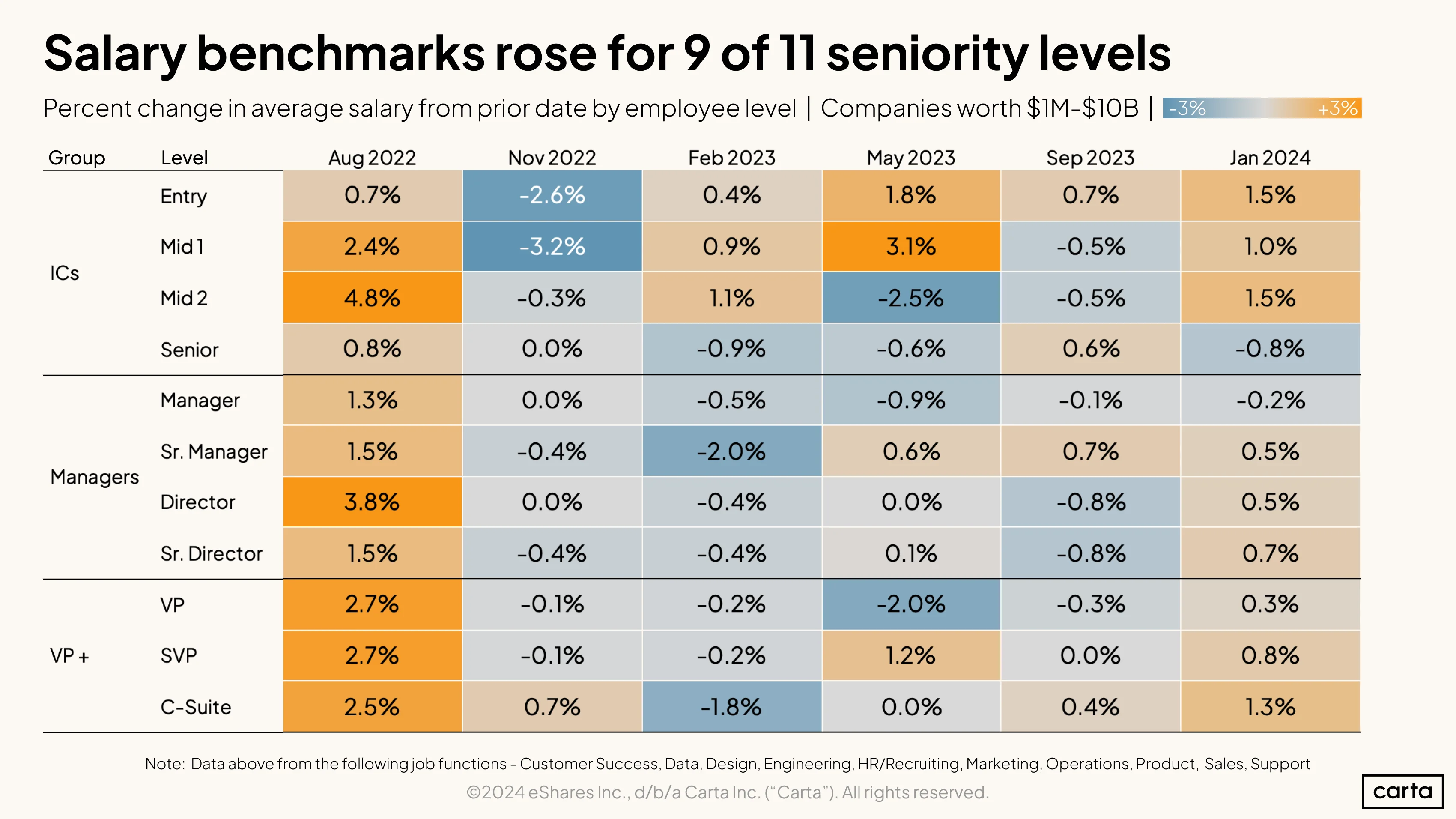
While government and private sectors once relied heavily on seniority for raises, most now use performance-based systems. The federal General Schedule (GS) pay scale still includes step increases tied to time, but promotions increasingly require demonstrated results. Blending both models helps retain talent while rewarding excellence.
Pros and Cons of Seniority Systems
Advantages of Seniority
- Predictability in how advancement works
- Retention through encouragement of long-term commitment
- Fairness by reducing bias in promotions and layoffs
- Mentorship opportunities with tenured staff guiding newer hires
- Institutional memory that keeps valuable knowledge in-house
Drawbacks of Seniority
- Stifles innovation when long-tenured employees resist change
- Rewards time over talent, overlooking high performers
- Encourages complacency through guaranteed job security
- Limits diversity by slowing advancement for newer or underrepresented groups
When seniority becomes rigid, it can protect underperformers and reduce organizational agility.
Seniority in Rail and Transport
Engine Driver Scheduling
Railway engineers and conductors also operate under seniority systems. The most senior crew members choose preferred routes and shifts first, while junior staff fill in on short notice or take less desirable assignments. This ensures fairness but can strain newer employees with unpredictable hours.
Call-In Coverage and Overtime
When someone calls in sick, the next most junior qualified person is called first. This protects senior staff from last-minute changes and gives them better work-life balance, a key benefit in 24/7 operations.
Modern Shifts Away from Seniority
Rise of Merit-Based Systems
Since the late 20th century, many employers have moved toward performance-based evaluations. The federal government’s shift under Reagan marked a turning point. Today, most private-sector companies tie raises and promotions to goals, reviews, and measurable contributions.
Hybrid Models: Best of Both Worlds
The most effective systems combine seniority and performance:
- Base pay increases with tenure to retain staff
- Bonuses and promotions tied to results to motivate
- Layoff protections weighted by seniority but adjusted for skill
This balance delivers both stability and accountability.
How to Navigate a Seniority System
Know Your Position on the List
If you work under a union or airline contract, find out where you stand. Your seniority date, often your hire date, determines future opportunities. Keep records and understand bidding rules thoroughly.
Build Skills While You Wait
Seniority gives you time; use it wisely. Train for upgrades, earn certifications, and gain experience. When your turn comes, you will be ready to excel.
Advocate for Fairness
If the system feels outdated, work through union channels or HR to propose reforms. Many organizations now consider performance alongside tenure in promotions.
Frequently Asked Questions About Seniority
What is the basic definition of seniority?
Seniority is the state of being older or holding a higher status relative to another individual, group, or organization. It can apply by rank, by years served, or both at the same time.
How does seniority work in the military?
In the military, “seniority in grade” refers to the length of time someone has held a particular rank. A captain promoted five years ago outranks a captain promoted three years ago, regardless of other factors.
Why do unions value seniority so highly?
Unions use seniority to protect workers from favoritism and arbitrary decisions. It governs layoffs, shift preferences, promotions, and transfers, creating predictable, fair outcomes based on tenure rather than personal bias.
What are bumping rights?
Bumping rights allow a senior employee whose position is eliminated to displace a junior worker in a role they are qualified for. The displaced worker may then bump someone even less senior, though restrictions usually apply.
Is seniority still relevant in modern workplaces?
Yes, especially in unionized industries, airlines, railroads, and government. However, most organizations now blend seniority with performance evaluations to balance stability and merit.
Why did companies shift away from pure seniority systems?
Because pure seniority can reward tenure over talent and encourage complacency. Since the 1980s, many employers have adopted performance-based pay and promotions to motivate employees and reward results.
Key Takeaways for Understanding How Seniority Works
Seniority remains a powerful force across industries, offering stability, fairness, and predictability. It operates through rank, tenure, or both, and shapes outcomes in workplaces, politics, and the military. While it protects long-term employees and preserves institutional knowledge, it can also stifle innovation and overlook high performers.
The most effective modern systems blend seniority with performance, rewarding both loyalty and results. If you are navigating a seniority-based system, know your position, build skills while you wait, and advocate for balanced reforms. Understanding how seniority works helps you plan your career, protect your rights, and recognize when it is time to push for change.