
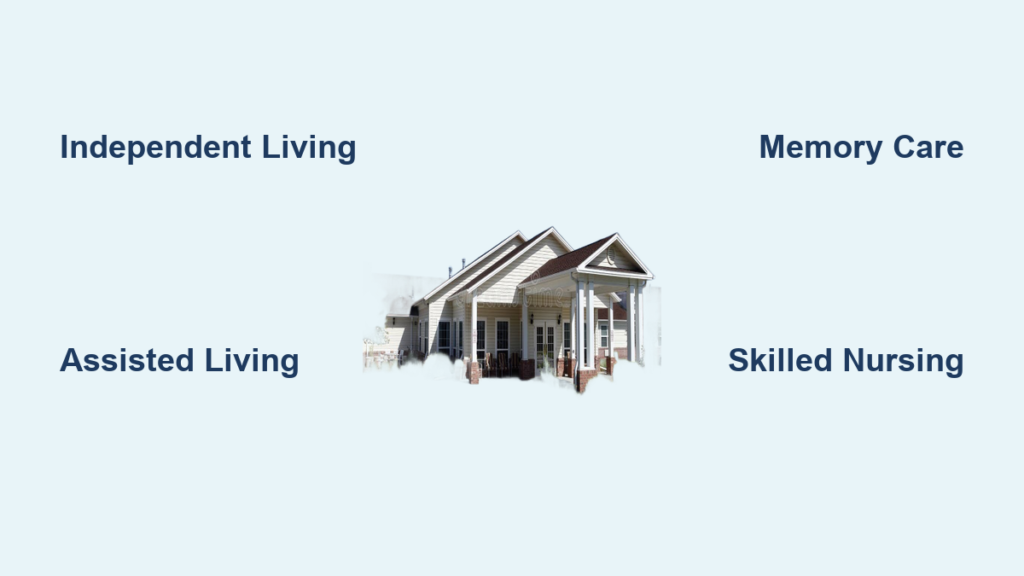
The day you realize your parent needs more help than they once did often arrives without warning. Maybe the stairs became too difficult. Maybe a fall happened. How senior housing works is one of the most searched questions families face when independence starts slipping but full-time medical care isn’t yet needed. The senior housing system exists to bridge that gap, offering tiered living arrangements that adapt as needs change.
This guide walks you through every major aspect of senior housing so you can make informed decisions without panic or guesswork. You’ll learn the differences between independent living, assisted living, memory care, and skilled nursing, plus how costs work, what services are included, and how to evaluate facilities. Whether you’re planning years ahead or responding to a sudden health change, clarity here saves time, money, and emotional strain.
Senior Housing Options by Level of Care
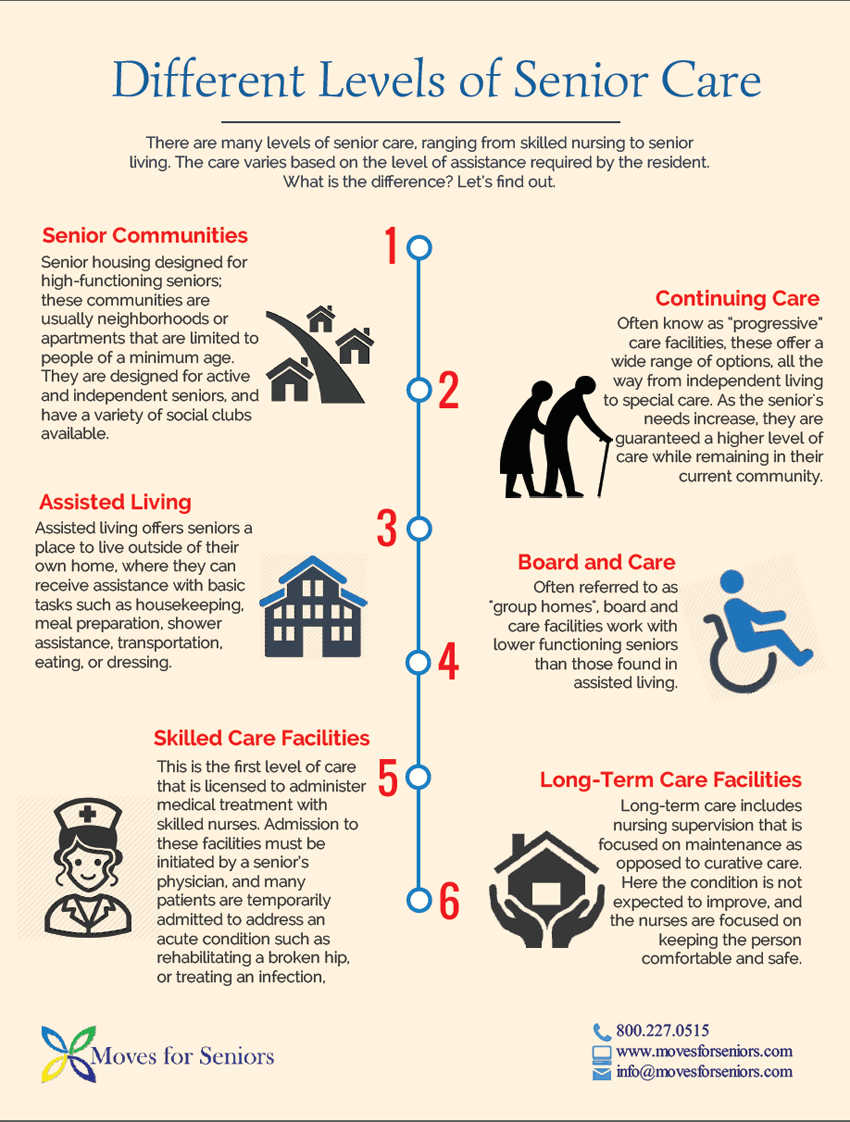
Senior housing operates on a continuum. Each step up the ladder adds more hands-on support, medical oversight, and security. Knowing where your loved one falls on this spectrum prevents both over-placement and dangerous under-support.
Independent Living for Active Seniors
Independent living communities serve older adults who can manage daily life but want relief from home maintenance. Residents live in private apartments, cottages, or condos, often with housekeeping, meal plans, and group activities included.
Most communities feature:
– Communal dining rooms serving one to three meals daily
– Scheduled transportation for shopping and appointments
– Fitness centers, pools, and walking paths
– Social calendars with classes, clubs, and outings
These are lifestyle-focused environments, not medical ones. Age minimums typically start at 55 or 62. Health assessments are rare at this level, making move-in relatively simple.
Assisted Living for Daily Support Needs
When bathing, dressing, or remembering medication becomes challenging, assisted living offers structured help without hospital-level care. Staff are available around the clock to assist with personal routines while encouraging as much independence as possible.
Standard services include:
– Help with one or more activities of daily living
– Medication reminders or administration
– Housekeeping and laundry
– Emergency call systems in every unit
– Group meals and social programming
State regulations govern licensing, staffing ratios, and training. Before choosing a community, families should review inspection reports and verify current credentials.
Memory Care for Dementia and Alzheimer’s
Memory care is a specialized form of assisted living designed for people with cognitive decline. These units prioritize safety, routine, and sensory engagement to reduce confusion and agitation.
Key design elements:
– Secured entries and exits to prevent wandering
– Staff trained in dementia communication techniques
– Visual cues and simplified layouts
– Structured daily schedules with familiar activities
Some memory care units operate as standalone facilities. Others exist as dedicated wings within larger assisted living campuses. Costs run higher than standard assisted living due to higher staff-to-resident ratios and enhanced security.
Skilled Nursing Facilities for Medical Care
Skilled nursing facilities, often called nursing homes, provide 24-hour medical supervision for seniors with serious health conditions, post-surgical recovery needs, or terminal illnesses.
Typical offerings:
– Registered nurses on every shift
– Wound care, IV therapy, and injections
– Physical, occupational, and speech therapy
– Specialized diets and feeding assistance
A physician’s order is required for admission. Stays may be short-term for rehabilitation or long-term for chronic care. Medicare covers qualifying short-term stays; long-term residents usually pay privately or through Medicaid.
How Senior Housing Costs Work

Understanding the pricing structure helps families budget realistically and avoid surprise bills. Costs vary by location, care level, and unit size.
Monthly Fee Components
Most assisted living and memory care communities use a base-rate-plus-care model. The base rent covers housing and standard services, while personal care adds tiered fees.
Common charges include:
– Base rent for the unit (studio, one-bedroom, or shared)
– Utilities such as electricity, water, cable, and internet
– Meal plan credits or full dining access
– Personal care level based on needs assessment
– Medication management fees
A resident needing help with two or three daily activities typically pays more than one who only needs housekeeping reminders.
Payment Sources Accepted
Few families sustain senior housing costs from savings alone. Multiple funding streams are commonly combined.
Major options:
– Private funds including savings, retirement accounts, and home equity
– Long-term care insurance if a policy was purchased earlier
– Veterans benefits such as the Aid and Attendance pension
– Medicaid for qualifying low-income individuals in approved facilities
– Medicare only for short-term rehabilitation after a hospital stay
Medicare does not cover long-term assisted living or custodial nursing home care. Planning ahead with insurance or savings significantly expands future options.
Regional Cost Differences
Geography heavily influences pricing. States with higher costs of living also charge more for senior housing.
General monthly ranges:
– Independent living: $2,500 to $4,500
– Assisted living: $4,000 to $7,500
– Memory care: $5,000 to $8,500
– Skilled nursing: $7,000 to $10,000 and up
Urban areas, coastal states, and densely populated regions sit at the higher end. Rural communities and southern states often offer more affordable rates.
Eligibility and Admission Rules
Each housing type has entry requirements based on age, health status, and functional needs. These criteria protect residents and ensure appropriate placement.
Age and Functional Requirements
Most communities enforce minimum age thresholds of 55 or 62. Some accept younger residents with qualifying disabilities. Couples often receive exceptions when one spouse meets the age rule.
Functional assessments measure how well a person performs daily tasks like walking, eating, and toileting. These evaluations determine whether independent living, assisted living, or skilled nursing is the right match.
Health Screenings Before Move-In
Assisted living, memory care, and skilled nursing require health assessments before admission. These reviews identify care needs, fall risks, and cognitive concerns.
Typical assessment areas:
– Mobility and balance
– Memory and decision-making ability
– Medication routines
– Continence and personal hygiene
– Behavioral history
Results shape a personalized care plan that outlines services, staffing levels, and added fees.
Discharge and Eviction Policies
Facilities retain the right to discharge residents whose needs exceed available services. This is a common but often overlooked clause in housing contracts.
Common triggers for involuntary discharge:
– Need for two-person physical assistance
– Severe behavioral symptoms that endanger others
– Advanced medical needs such as ventilator support
– Nonpayment of fees
Families should ask about discharge procedures, notice periods, and how the facility helps with transfers to higher levels of care.
Services and Amenities to Expect

What comes included in monthly rent depends entirely on the housing level and provider. Comparing line items prevents underestimating true costs.
Help With Daily Living
Assisted living and memory care provide hands-on support with what the industry calls activities of daily living. These are the core personal tasks that determine independence levels.
Core assistance areas:
– Bathing and showering
– Dressing and grooming
– Toileting and incontinence care
– Eating and drinking
– Walking and transferring from bed to chair
Staff also help with medication routines, though they do not diagnose or treat medical conditions unless licensed to do so.
Wellness and Health Support
Beyond personal care, many communities offer health-monitoring services to catch problems early.
Common wellness features:
– Regular blood pressure and weight checks
– On-site clinics or telehealth appointments
– Flu shots and vaccination clinics
– Partnerships with home health and hospice agencies
– Fall prevention programs and exercise classes
These offerings vary widely. Some communities are nearly medical in their integration; others keep outside healthcare providers entirely separate.
Social Activities and Engagement
Loneliness accelerates decline in older adults, so social programming is a core part of quality senior housing.
Typical activities include:
– Group exercise classes like yoga, tai chi, or chair aerobics
– Arts, crafts, music, and gardening clubs
– Group outings to restaurants, museums, and parks
– Holiday celebrations and birthday parties
– Religious services and spiritual groups
Strong activity calendars often signal a well-run community. Low participation rates can hint at disengagement or staffing issues.
How to Choose the Right Facility
Selecting senior housing requires research, multiple visits, and honest conversations about priorities. A structured approach reduces emotional decision-making.
Research and Shortlisting
Begin by defining your geographic area, budget ceiling, and care needs. Then gather objective data.
Effective research steps:
– Check state licensing databases for violations and complaints
– Read independent reviews from families and residents
– Ask hospitals, doctors, and social workers for recommendations
– Compare pricing structures side by side
Narrow your list to three or five communities that meet your baseline requirements before scheduling tours.
Touring and Asking the Right Questions
Visits reveal what brochures cannot. Whenever possible, tour unannounced and during off-hours to see how the community really operates.
What to observe:
– Cleanliness and odors in common areas
– Staff interactions with residents
– Resident grooming and alertness
– Meal quality during a sit-down visit
– Security features in memory care units
Questions to ask staff:
– What is the staff-to-resident ratio for each shift?
– How quickly do call lights get answered?
– What happens if care needs increase after move-in?
– Can residents personalize their living spaces?
– What is the policy on pets and outside visitors?
Including the Senior in the Process
Even when health concerns exist, involving your loved one in the decision preserves dignity and improves long-term adjustment.
Ways to include them:
– Tour together and let them ask questions
– Ask about preferences for room size, view, and amenities
– Let them choose which personal items to bring
– Respect their pacing on the decision timeline
Small choices during transition reduce anxiety and build a sense of ownership over the new home.
Transitioning Into Senior Housing
The move itself is often harder than the decision. Planning reduces stress for everyone involved.
Before the Move
Preparation should start weeks ahead whenever possible. Rushed moves increase confusion and resistance.
Checklist before move-in day:
– Downsize belongings and decide what to keep
– Update legal documents including power of attorney
– Set up mail forwarding and address changes
– Transfer medical records and refill prescriptions
– Coordinate logistics with family or a senior move manager
Professional move managers specialize in these transitions and can handle everything from packing to furniture placement.
First Days and Weeks
The first week sets the tone for the entire experience. Predictability and familiar faces help smooth the adjustment.
Tips for a strong start:
– Maintain usual routines for meals and bedtime
– Attend orientation events and meet neighbors
– Display family photos and favorite items
– Encourage participation in at least one daily activity
– Visit frequently during the first week
Consistent family contact reassures your loved one that the relationship continues despite the change in address.
Managing Resistance
Resistance is normal, even when the move is clearly necessary. Approaching the topic with empathy yields better results than arguments.
ful responses:
– Acknowledge feelings: “I understand this is overwhelming.”
– Highlight benefits: “You won’t have to worry about the yard anymore.”
– Share success stories from other residents
– Avoid ultimatums whenever possible
– Offer trial periods if the community allows
Patience during the first 60 to 90 days often transforms resistance into acceptance.
Legal and Financial Planning Basics
Strong planning prevents emergencies from becoming crises. A few core documents unlock most decision-making power.
Essential Legal Documents
Three documents form the foundation of any senior care plan. Without them, families may face court delays when decisions must be made quickly.
Critical paperwork:
– Durable power of attorney for finances
– Healthcare proxy or medical power of attorney
– Living will or advance directive
These should be created while the person still has full decision-making capacity. An elder law attorney can draft them correctly and ensure they meet state requirements.
Reading the Contract Carefully
Senior housing contracts contain important details about fees, services, and exit terms. Reading every clause prevents future disputes.
Key items to review:
– Annual rent increase caps
– Itemized fees for added services
– Move-out and refund timelines
– Rules on outside caregivers
– Bed-hold policies during hospital stays
Never sign under pressure. Take the contract home, review it thoroughly, and consult an attorney if terms seem unclear.
Long-Term Care Insurance Considerations
If your loved one has a long-term care policy, contact the insurer before any move. Understanding coverage early prevents denied claims later.
Important policy questions:
– Which care levels are covered?
– What is the daily or monthly benefit amount?
– How long is the elimination period?
– Are approved providers limited to a network?
– Can family members be paid as caregivers?
Some policies allow benefits to begin before a move into a facility, which can fund in-home support and delay the need for housing changes.
Maintaining Quality of Life After the Move
Senior housing is more than a safety net. The right environment supports purpose, connection, and personal growth well into later life.
Supporting Autonomy
Even in high-care settings, residents benefit from making daily choices. Communities that honor these preferences typically see stronger satisfaction and engagement.
Daily decisions to preserve:
– Clothing and personal appearance
– Mealtime choices and dining companions
– Activity participation and free time use
– Room decorations and personal items
– Bedtime and morning routines
These small choices reinforce identity and self-worth.
Staying Connected With Family
Regular family contact protects emotional health. Visits, calls, and involvement in community life all signal ongoing support.
Ways families can stay engaged:
– Schedule weekly visits and daily phone calls
– Join family advisory councils
– Share meals during holidays and birthdays
– Communicate regularly with care staff
– Attend community events when possible
Consistent presence helps staff catch subtle changes in mood, appetite, or behavior before they escalate.
Preventing Isolation and Depression
Loneliness is one of the most serious health risks older adults face. Communities with strong social programming reduce this risk significantly.
Warning signs of withdrawal:
– Declining participation in activities
– Loss of appetite or weight loss
– Poor personal hygiene
– Sleeping most of the day
– Verbal expressions of hopelessness
Helpful responses include:
– Encouraging one new activity per week
– Arranging visits from old friends and family
– Exploring pet therapy or music programs
– Connecting with faith communities
– Requesting a mental health evaluation if signs persist
Staff trained in emotional wellness can intervene early when problems arise.
Frequently Asked Questions About Senior Housing
What Is the Difference Between Assisted Living and a Nursing Home?
Assisted living focuses on personal care, meals, and social support in a residential setting. Nursing homes provide 24-hour medical care for serious health conditions. Assisted living suits people who need help with daily routines but not constant medical attention. Nursing homes are appropriate for those with complex medical needs requiring skilled nursing.
Does Medicare Pay for Senior Housing?
Medicare does not cover long-term assisted living or custodial care. It pays only for short-term skilled nursing or rehabilitation after a qualifying hospital stay, typically up to 100 days. Most families use private funds, long-term care insurance, or Medicaid to cover ongoing housing costs.
At What Age Can Someone Move Into Senior Housing?
Most communities set minimum ages between 55 and 62. Some accept younger residents with qualifying disabilities. Each provider sets its own age policy, so contact individual communities for confirmation.
Can a Senior Be Evicted From Assisted Living?
Yes. Most contracts allow discharge when a resident’s care needs exceed the facility’s capabilities. Common triggers include severe behavioral issues, advanced medical needs, or nonpayment. Families should review discharge policies carefully and plan for higher-level care if conditions may progress.
How Do You Know When It’s Time for Senior Housing?
Warning signs include frequent falls, missed medications, poor nutrition, social withdrawal, and inability to manage daily tasks like bathing or cooking. A doctor or geriatric care manager can help assess whether independent living, assisted living, or memory care is the right fit.
Is Memory Care More Expensive Than Assisted Living?
Yes. Memory care typically costs 20 to 30 percent more than standard assisted living because of higher staff ratios, specialized training, and enhanced security. The added expense reflects the intensive supervision required for residents with dementia or Alzheimer’s.
Final Thoughts on Navigating the Senior Housing System
Senior housing works by matching living environments to specific levels of need, ranging from independent lifestyles to full medical care. Each option on the spectrum carries its own costs, services, and admission rules. The strongest placements happen when families assess needs honestly, plan financially early, and involve the senior in the decision as much as possible.
Start by identifying the right care level, then research licensed providers in your preferred area. Tour multiple communities, compare contracts carefully, and prepare emotionally for the transition. With the right information and a clear plan, you can secure a living situation that supports safety, dignity, and quality of life for years to come.





