Coreg, the brand name for carvedilol, is a commonly prescribed medication for managing high blood pressure, heart failure, and post-heart attack recovery in older adults. While effective, coreg side effects in elderly patients can be more pronounced due to age-related changes in metabolism, kidney function, and overall health. Older adults may experience dizziness, low blood pressure, fatigue, or worsening heart failure symptoms.
This guide outlines the most common and serious side effects, how to recognize them early, and when to seek medical help. You will learn practical monitoring tips and safety strategies so you or your loved one can use Coreg safely and effectively.
Common Coreg Side Effects in Older Adults
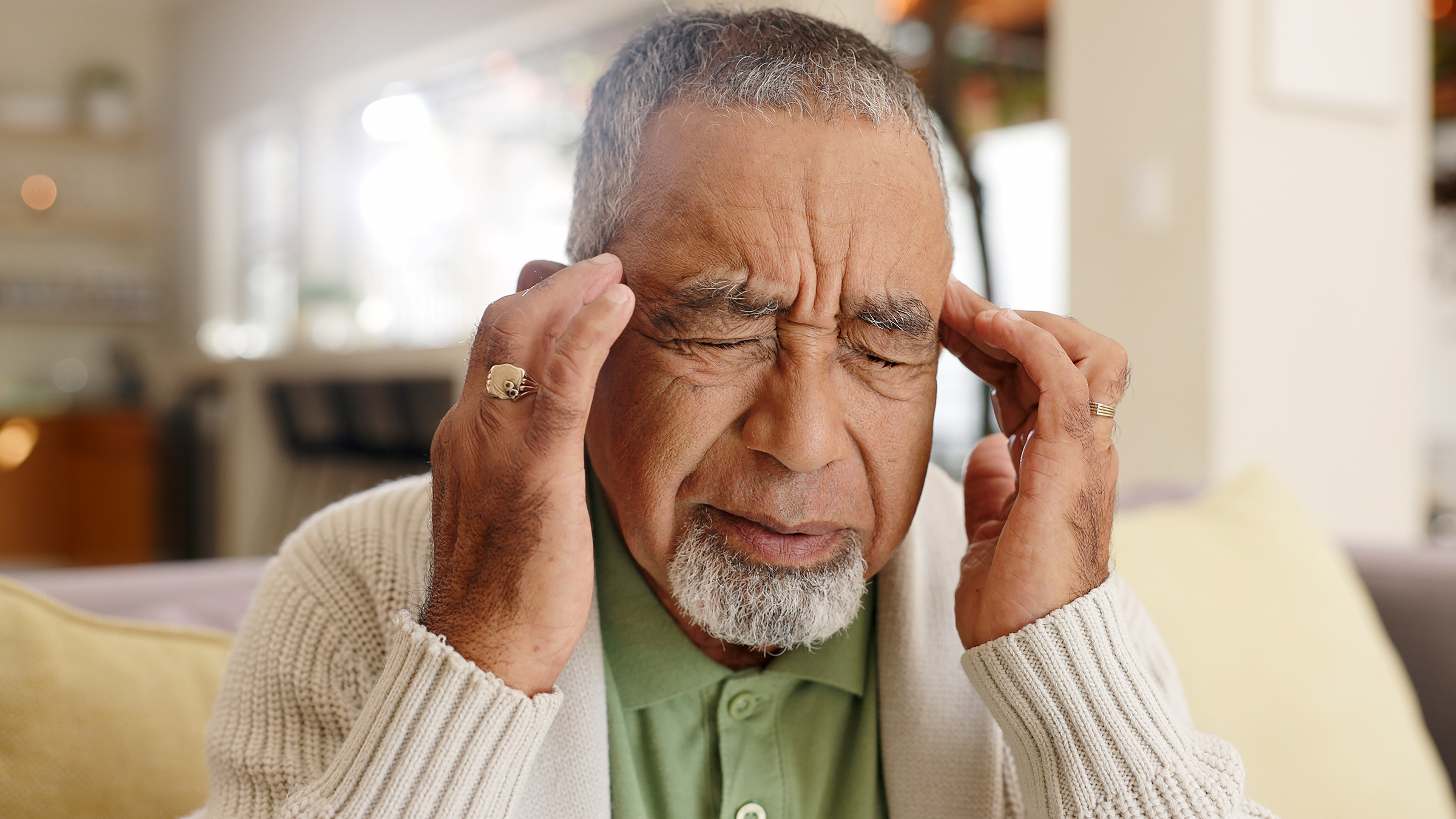
Elderly patients are more sensitive to beta-blockers like Coreg due to reduced physiological reserve. These frequently reported reactions are usually mild but can still affect daily life.
Dizziness and Lightheadedness
Dizziness is one of the most frequent coreg side effects in elderly users. It often occurs when standing up quickly due to a sudden drop in blood pressure (orthostatic hypotension). This can increase fall risk, especially in seniors with mobility issues.
What to watch for: Feeling faint, unsteady when walking, or needing to sit down after standing.
Tips to reduce risk: Rise slowly from sitting or lying positions, stay hydrated, and avoid alcohol.
Fatigue and Weakness
Many older adults report persistent tiredness while taking Coreg. The medication slows heart rate and reduces cardiac output, which can leave seniors feeling unusually sluggish.
Key signs: Lack of energy, difficulty completing daily tasks, or increased need for naps.
When it is a concern: If fatigue interferes with quality of life or daily routines, talk to your doctor. Dosage adjustments may help.
Low Heart Rate (Bradycardia)
Coreg lowers heart rate, which is therapeutic for heart conditions but can become dangerous in older patients.
Warning signs: Pulse below 50 bpm, shortness of breath, confusion, or fainting.
Action step: Monitor resting heart rate regularly, especially during the first few weeks of treatment.
Serious Coreg Side Effects in Elderly Patients
While less common, some reactions can be life-threatening and require urgent medical evaluation. Knowing these warning signs helps caregivers act quickly.
Worsening Heart Failure Symptoms
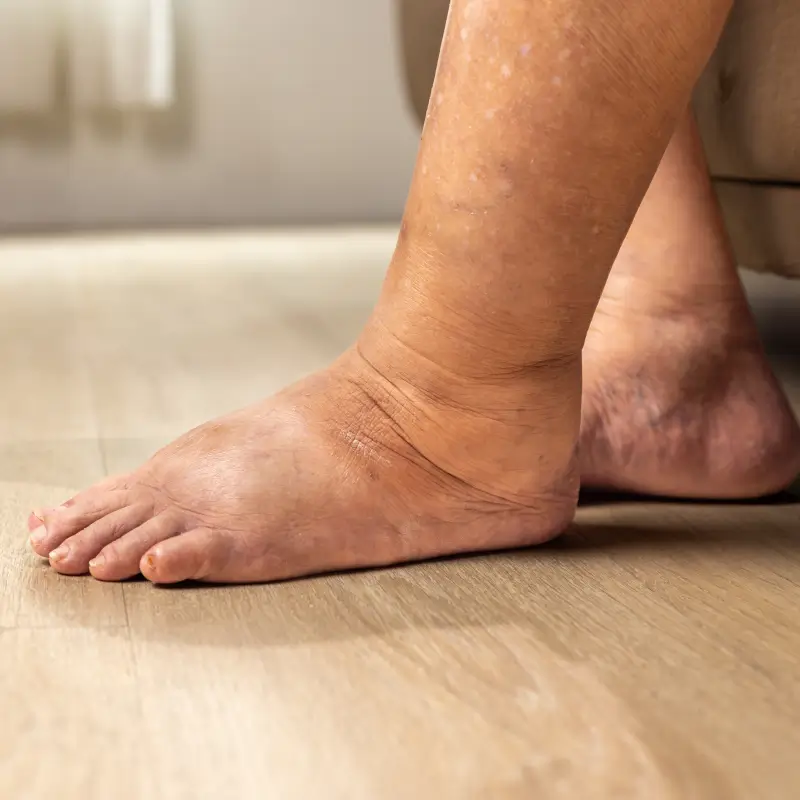
Paradoxically, Coreg can initially worsen heart failure in some seniors, especially if started at too high a dose.
Red flags to watch:
• Increased shortness of breath
• Swelling in legs, ankles, or feet (edema)
• Sudden weight gain (more than 2 to 3 pounds in a day)
• Difficulty lying flat due to breathing issues
What to do: Report any new or worsening symptoms to your healthcare provider immediately. Dose titration should be gradual.
Severe Drop in Blood Pressure
:max_bytes(150000):strip_icc()/VWH-GettyImages-2060262210-0dace96c0ea14d558b39343b1ba044f9.jpg)
Hypotension is a significant concern in elderly patients on Coreg, particularly when combined with other blood pressure medications.
Symptoms include:
• Blurred vision
• Nausea
• Cold, clammy skin
• Confusion or disorientation
Risk factors: Dehydration, diuretic use, or existing autonomic dysfunction. Always ensure proper hydration and regular blood pressure monitoring.
Shortness of Breath or Wheezing
Coreg is