
Every 11 seconds, an older adult is treated in an emergency room for a fall-related injury, and the bathroom is one of the most dangerous rooms in the house. Wet floors, tight spaces, and slippery surfaces create high-risk conditions. For seniors with joint pain, muscle weakness, or reduced mobility, even routine tasks like showering or using the toilet can lead to serious injuries.
The good news is that most bathroom falls are preventable. With simple modifications and smart safety upgrades, you can significantly reduce the risk and help elderly loved ones stay independent. This guide covers essential bathroom safety for elderly adults, focusing on proven strategies to prevent falls, improve accessibility, and promote confidence in one of the most frequently used rooms in the home.
Install Proper Grab Bars
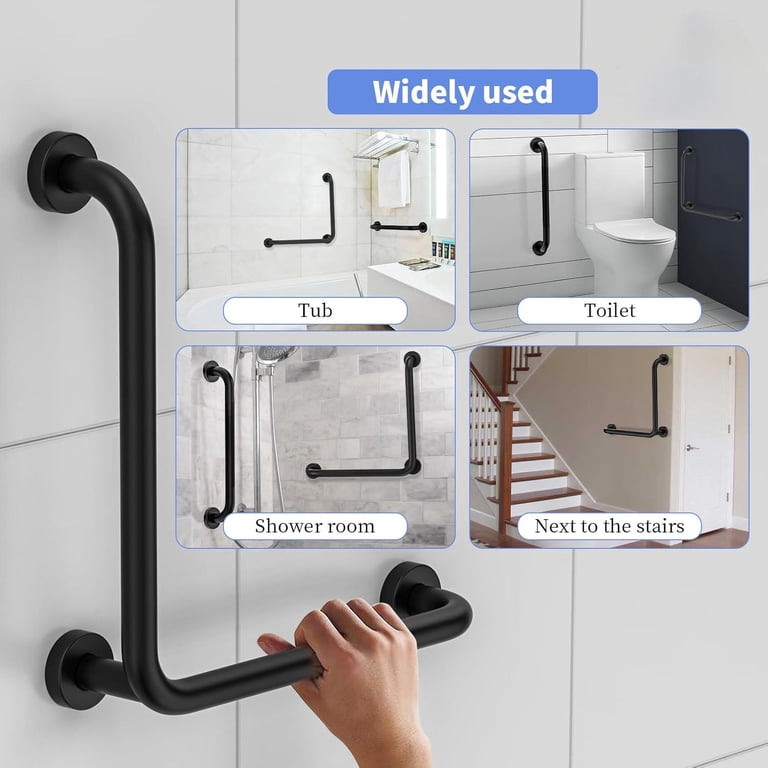
Grab bars are one of the most effective tools for preventing bathroom falls. They provide stability when getting in and out of the tub or standing from the toilet. But not all bars are created equal, and placement is critical.
Choose the Right Type and Placement
Use sturdy, wall-mounted grab bars secured vertically or horizontally to the wall. They must be installed into wall studs or with appropriate anchors to support body weight. Avoid suction cup bars, which can fail when needed most.
Install two grab bars in the shower or tub:
– One to help you get in and out of the tub.
– Another to help you stand from a sitting position.
Near the toilet, place a grab bar within easy reach on the adjacent wall. Position it at hip height for proper leverage.
Never use towel racks as grab bars. They cannot support your weight and can break loose under pressure.
Avoid Common Installation Mistakes
Many falls happen because grab bars are poorly installed or placed. Common mistakes include mounting bars on tile without securing to studs or installing them diagonally, which reduces grip strength.
For maximum safety, hire a professional or use a stud finder and follow manufacturer instructions carefully. Test the bar after installation by applying firm pressure.
Upgrade the Shower and Tub

Wet surfaces increase fall risk, especially in bathtubs and showers. Seniors with balance issues or limited flexibility need a safer bathing environment.
Add Non-Slip Surfaces
Put non-slip suction mats or rubber silicone decals in the bottom of your tub to prevent falls. These provide traction even when wet. Replace them when they lose stickiness or show wear.
Avoid loose bath mats that can slide and cause trips. For stronger protection, consider textured bathtub coatings that etch a permanent non-slip surface.
Install a Shower Seat
Stepping over a high tub wall is risky for those with limited mobility. A shower chair or bench allows the user to sit while bathing, reducing fall risk during entry and exit.
Use a backrest and armrest model for added support. Make sure the seat is rust-resistant and has non-slip feet for stability.
Modify Toilet Accessibility
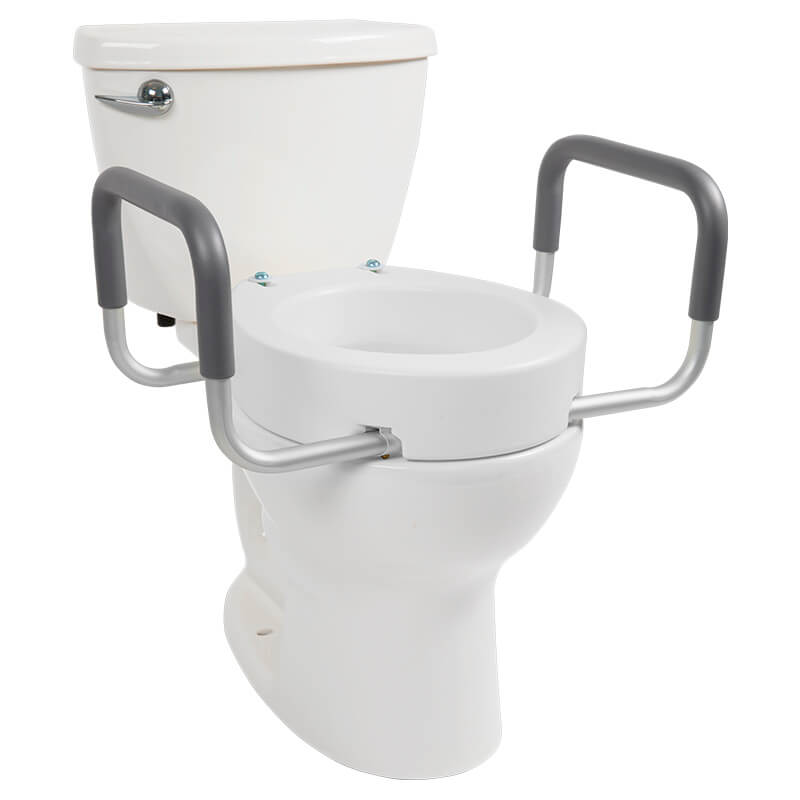
Toilet transfers are a common fall moment, especially when standing up quickly or losing balance. Simple changes can make a big difference in bathroom safety for elderly users.
Raise the Toilet Seat Height
Standard toilets are often too low for older adults, making it hard to stand without straining the knees and hips. Raising the toilet seat height can help prevent falls. You can do this by adding an elevated toilet seat.
For more support, use a raised toilet seat with arms. These act like armrests on a chair, helping the user push up safely.
Add a Commode or Bidet for Independence
If mobility is severely limited, a commode chair can be placed over the toilet or used independently. It often includes armrests and a removable bucket for easy cleaning.
A portable bidet promotes hygiene without reaching or bending. It sprays warm water to clean, then warm air to dry, reducing the need for wiping and minimizing strain.
Always urinate sitting down and avoid getting up suddenly after urinating, as this can cause dizziness and lead to falls.
Improve Lighting and Visibility

Poor lighting makes it hard to see obstacles, steps, or wet surfaces, especially at night. Many falls happen during early morning or nighttime bathroom visits.
Install Bright, Shadow-Free Lighting
Use bright overhead lighting with a matte finish to reduce glare on wet surfaces. Consider LED ceiling lights with high lumens for clear visibility.
Add motion-sensor lights that turn on automatically when someone enters the room. Place task lighting near the mirror and toilet if needed.
Use Nightlights Strategically
A simple nightlight can prevent midnight stumbles. Place one near the floor along the path to the bathroom and another inside the bathroom near the toilet or tub.
Opt for motion-activated nightlights or plug-in models with automatic sensors. Red or amber tones are easier on the eyes at night and help maintain night vision.
Remove Trip Hazards
Clutter and loose items turn a small space into a fall zone. The bathroom should be clear and easy to navigate at all times.
Clear the Floor Space
Remove all floor coverings and anything that blocks the entry. Even small bath mats can slide when wet and cause trips.
Keep the area around the toilet, tub, and sink free of laundry baskets, toiletries, towels on the floor, and step stools. Store items in cabinets or wall-mounted shelves instead.
Organize with Safety in Mind
Use over-the-door organizers or wall caddies to keep essentials within reach without cluttering surfaces. Install pull-out shelves under the sink for easier access.
Avoid using step stools. If high storage is needed, install lower cabinets or use a reacher tool to grab items safely.
Plan for Emergency Response
Even with precautions, accidents can happen. Being prepared can reduce injury and speed up help when it matters most.
Keep a Phone or Emergency Button Handy
Place a waterproof phone or medical alert button within reach of the tub, shower, and toilet. These devices allow immediate contact with emergency services or family members.
Many systems offer fall detection sensors, voice-activated calls, and wearable pendants. Test the system regularly and ensure batteries are charged.
Teach Safe Fall Recovery Techniques
If a fall occurs, knowing how to get up safely can prevent further injury. Practice the log roll method:
1. Roll onto your side.
2. Crawl to a sturdy surface like a toilet or wall.
3. Use the grab bar to slowly pull yourself up to a kneeling position.
4. Rise slowly, keeping your back straight.
If unable to get up, call for help and stay warm until assistance arrives.
When to Seek Professional Help
You do not have to figure out bathroom safety alone. Experts can assess your home and recommend personalized solutions for elderly bathroom safety.
Consult an Occupational Therapist
If you are not sure what changes you need to make in your bathroom, ask your health care provider for a referral to an occupational therapist. The occupational therapist can visit your bathroom and make safety recommendations.
An OT can recommend adaptive equipment such as seats, rails, and lifts. They can also train you or a caregiver in safe transfer techniques.
Work with a Certified Aging-in-Place Specialist
A CAPS-certified contractor knows how to modify bathrooms for seniors. They can help with installing grab bars correctly, adding roll-under sinks, and replacing tubs with walk-in showers.
These specialists follow ADA guidelines to ensure long-term safety and accessibility in your bathroom.
Maintain Safety Over Time
Bathroom safety is not a one-time fix. Regular maintenance ensures equipment stays effective and conditions remain safe over the long term.
Check Equipment Monthly
Inspect all safety devices every month. Test grab bars for looseness or rust, and replace non-slip mats if worn or peeling.
Check shower seats for cracks or instability, and replace dim or burned-out light bulbs immediately. Clean grab bars and mats regularly to prevent soap buildup, which reduces grip.
Update as Mobility Changes
As strength, balance, or health changes, so should your safety plan. Reassess the bathroom after a hospital stay, following a fall, or when new mobility aids like walkers or wheelchairs are introduced.
What worked six months ago may not be safe today. Stay proactive and adjust your bathroom to match current needs.
Frequently Asked Questions About Bathroom Safety for Elderly
What Are the Most Important Bathroom Safety Tips for Elderly Adults?
The most important tips include installing grab bars, using non-slip mats in the tub, raising the toilet seat height, improving lighting, and removing trip hazards like loose rugs and clutter from the floor.
Where Should Grab Bars Be Placed in a Bathroom?
Install two grab bars in the tub or shower area: one to help get in and out, and another to help stand from a sitting position. Place another bar near the toilet on the adjacent wall at hip height.
Can Towel Racks Be Used as Grab Bars?
No. Towel racks cannot support your weight and may break loose if grabbed for support. Always use properly installed, wall-mounted grab bars designed to bear body weight.
How High Should a Toilet Seat Be for Seniors?
An elevated toilet seat adds 2 to 4 inches of height to a standard toilet, making it easier to sit and stand without straining the knees and hips. Comfort-height toilets are also available at 17 to 19 inches.
When Should You See an Occupational Therapist for Bathroom Safety?
If you are unsure what changes are needed, ask your health care provider for a referral to an occupational therapist. They can visit your bathroom, evaluate your needs, and recommend specific safety modifications.
What Should You Do If an Elderly Person Falls in the Bathroom?
If a fall occurs, check for injuries before moving. If they can get up, use the log roll method to crawl to a sturdy surface and pull themselves up using a grab bar. If they cannot get up, call for help immediately and keep them warm until assistance arrives.
Key Takeaways for Bathroom Safety for Elderly Adults

Bathroom safety for elderly adults goes beyond installing grab bars. It is about creating a space that supports independence, dignity, and peace of mind. Focus on the highest-impact changes first: secure grab bars, non-slip surfaces, a raised toilet seat, and clear pathways.
Start with one change today and build a safer bathroom step by step. Small modifications add up to major protection, drastically reducing the chance of a life-altering fall while helping your loved ones stay confident and independent at home.