
Amoxicillin is a widely prescribed antibiotic for older adults who often deal with bacterial infections like pneumonia, urinary tract infections, or bronchitis. While generally safe, amoxicillin side effects in elderly patients can be more pronounced due to age-related changes in metabolism, kidney function, and overall health. Seniors also tend to take multiple medications, which increases the risk of drug interactions and adverse reactions. Recognizing these side effects early can prevent complications and ensure safer treatment outcomes.
This guide covers the most common and serious side effects of amoxicillin in seniors, risk factors that increase vulnerability, and what to do if symptoms appear. You’ll also learn how to tell mild reactions apart from those that need urgent medical care. Whether you’re a caregiver or managing your own health, understanding these risks helps you make better decisions when antibiotics are prescribed.
Common Side Effects in Seniors
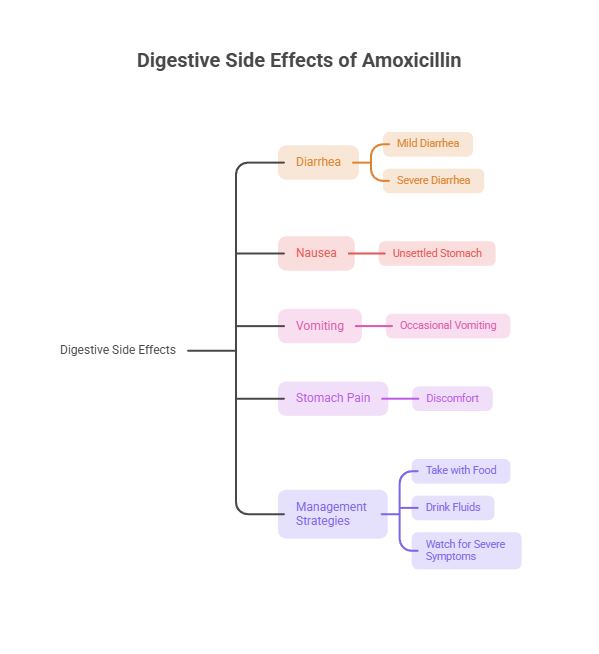
Amoxicillin is usually well-tolerated, but older adults experience side effects more often than younger people because of slower drug clearance and reduced organ function.
Gastrointestinal Issues
Digestive problems are the most frequent complaints:
– Nausea and vomiting
– Diarrhea, ranging from mild to moderate
– Abdominal pain or cramping
– Loss of appetite
These symptoms often improve when the medication is taken with food. However, some seniors may struggle to eat consistently, which can lead to dehydration or weakness. Taking amoxicillin with a small meal can reduce stomach upset without affecting how well the drug is absorbed.
Skin Reactions
Skin-related responses are also common and may include:
– Mild rash that is not allergic in nature
– Itching
– Hives in sensitive individuals
A non-allergic rash usually appears as small, flat, red spots and may resolve even if the medication is continued. Still, any rash should be reported to a healthcare provider to rule out a serious allergic reaction.
Oral and Vaginal Yeast Infections
Amoxicillin disrupts healthy bacteria, which can lead to fungal overgrowth:
– Oral thrush, marked by white patches in the mouth and soreness
– Vaginal yeast infection, causing itching, discharge, and irritation
Seniors who wear dentures or have weakened immune systems face a higher risk. Maintaining good oral hygiene and considering probiotics with doctor approval may help prevent these issues.
Serious Side Effects Requiring Immediate Care

Although rare, some amoxicillin side effects can be life-threatening, especially in older adults with chronic health conditions.
Allergic Reactions
Allergies to penicillin-class drugs like amoxicillin are a major concern:
– Facial swelling affecting the lips, tongue, or throat
– Difficulty breathing
– Widespread hives
– Anaphylaxis, which involves a sudden drop in blood pressure and shock
Elderly patients may not show classic symptoms. Sometimes confusion or sudden weakness is the first sign. If any sign of allergy appears, stop the drug and seek emergency care right away.
Clostridioides difficile (C. diff) Infection
Prolonged antibiotic use can lead to C. diff, a severe colon infection:
– Watery diarrhea lasting more than 48 hours
– Fever
– Abdominal pain or distention
– Loss of appetite
This condition is especially dangerous in seniors and can lead to dehydration, sepsis, or hospitalization. Never use over-the-counter anti-diarrheal medications without consulting a doctor if C. diff is suspected.
Kidney Dysfunction
Amoxicillin is cleared through the kidneys, which often decline in function with age:
– Decreased urination
– Swelling in the legs or feet (edema)
– Confusion or fatigue
– Elevated creatinine levels on blood tests
Doctors often need to adjust doses for seniors with impaired kidney function. Unmonitored use can cause the drug to build up and lead to toxicity.
Risk Factors in Older Adults

Certain conditions increase the likelihood of side effects when taking amoxicillin.
Reduced Kidney Function
After age 65, kidney filtration (GFR) naturally declines. This slows amoxicillin clearance and raises the risk of:
– Toxicity
– Prolonged side effects
– Seizures in rare cases linked to high blood levels
Doctors should assess kidney function through blood tests before prescribing and adjust doses accordingly.
Polypharmacy and Drug Interactions
Seniors often take multiple medications, which increases the risk of interactions:
– Warfarin: amoxicillin may increase bleeding risk
– Methotrexate: amoxicillin can reduce clearance and raise toxicity
– Probenecid: increases amoxicillin levels
– Oral contraceptives: effectiveness may be reduced
Always inform your doctor of all medications, including supplements and over-the-counter drugs.
History of Allergies or GI Issues
Seniors with the following history face a higher risk and may need alternative antibiotics:
– Previous penicillin allergy
– Asthma, which is linked to higher allergy risk
– Prior C. diff infection
– Chronic digestive disorders
When to Stop Amoxicillin and Call a Doctor
Knowing when to act can prevent serious complications.
Stop Immediately If You Notice:
- Difficulty breathing or throat tightness
- Swelling of the face or tongue
- Severe diarrhea with more than 6 loose stools per day
- Blood or mucus in stool
- High fever over 101°F during treatment
- Confusion, dizziness, or fainting
Do not wait. Contact your healthcare provider or go to the emergency room right away.
Contact Your Doctor Promptly For:
- Persistent nausea or vomiting
- Rash that spreads or worsens
- Signs of a yeast infection
- Mild diarrhea lasting more than 3 days
Early communication can keep minor issues from turning into emergencies.
Preventing and Managing Side Effects

Simple strategies can reduce risks and improve treatment outcomes.
Stay Hydrated
Dehydration makes side effects like kidney strain and confusion worse:
– Drink water throughout the day
– Use oral rehydration solutions if diarrhea occurs
– Watch for dry mouth, dark urine, or dizziness
Use Probiotics Wisely
Probiotics may help maintain gut balance:
– Take them at least 2 hours apart from amoxicillin
– Choose strains like Lactobacillus or Saccharomyces boulardii
– Consult your doctor before starting
Probiotics are not recommended for immunocompromised seniors without medical approval.
Follow Dosing Instructions Exactly
Overuse or underuse increases resistance and side effect risks:
– Take the medication at the prescribed time and dose
– Complete the full course unless told otherwise
– Never share antibiotics or use leftover prescriptions
Special Considerations for Caregivers
Caregivers play a vital role in monitoring elderly patients on amoxicillin.
Watch for Subtle Signs
Seniors may not report symptoms clearly. Look for:
– Changes in alertness or behavior
– Refusal to eat or drink
– Increased falls or weakness
– Incontinence or soiled clothing, which may signal diarrhea
Document symptoms and report them promptly.
Medication Management
Ensure safe use by:
– Using pill organizers
– Setting reminders
– Reviewing all medications with the pharmacist
– Checking for duplicate antibiotics or interactions
Alternatives to Amoxicillin

If side effects occur or risks are too high, alternatives may be considered.
Other Antibiotics
Depending on the infection, options include:
– Doxycycline for respiratory or urinary infections, though it should be avoided in severe kidney disease
– Nitrofurantoin for UTIs, but not used if eGFR is below 30
– Cephalexin as an alternative for patients with non-severe penicillin allergy
– Trimethoprim-sulfamethoxazole, which is effective but carries a higher interaction risk
Never switch antibiotics without medical guidance.
Penicillin Allergy Testing
Many patients labeled as penicillin-allergic are not truly allergic. Testing can:
– Clarify allergy status
– Expand safe antibiotic choices
– Reduce use of broader-spectrum drugs
Ask your doctor about referral to an allergist, especially if past reactions were mild, such as a rash only.
Frequently Asked Questions About Amoxicillin Side Effects in Elderly
What is the most common side effect of amoxicillin in the elderly?
Gastrointestinal issues like nausea, vomiting, and diarrhea are the most common. These occur because amoxicillin disrupts gut bacteria and because older adults have slower digestion and drug clearance.
Can amoxicillin cause confusion in older adults?
Yes, confusion can occur, especially in seniors with reduced kidney function. Drug buildup in the bloodstream may affect the brain, leading to confusion, dizziness, or fatigue.
How long do amoxicillin side effects last in seniors?
Mild side effects like nausea or diarrhea usually improve within a few days of stopping the medication. Serious side effects, such as C. diff infection, may last weeks and require additional treatment.
Is amoxicillin safe for elderly patients with kidney problems?
Amoxicillin can be safe with dose adjustments. Doctors should check kidney function through blood tests before prescribing and may lower the dose to prevent toxicity.
What should caregivers watch for when seniors take amoxicillin?
Caregivers should watch for changes in alertness, refusal to eat or drink, new weakness, diarrhea, or signs of allergic reaction. Reporting these early helps prevent complications.
Key Takeaways for Managing Amoxicillin Side Effects in Elderly
Amoxicillin remains a valuable antibiotic for treating infections in older adults, but amoxicillin side effects in elderly patients require careful monitoring. Gastrointestinal issues, allergic reactions, kidney strain, and C. diff infections are the main concerns. By recognizing risk factors, watching for warning signs, and staying in close contact with healthcare providers, seniors and caregivers can use this medication more safely.
If you or a loved one is starting amoxicillin, schedule a medication review with the prescribing doctor. Ask about kidney function tests, possible drug interactions, and clear steps to take if side effects appear. Early action is the best protection against serious complications.