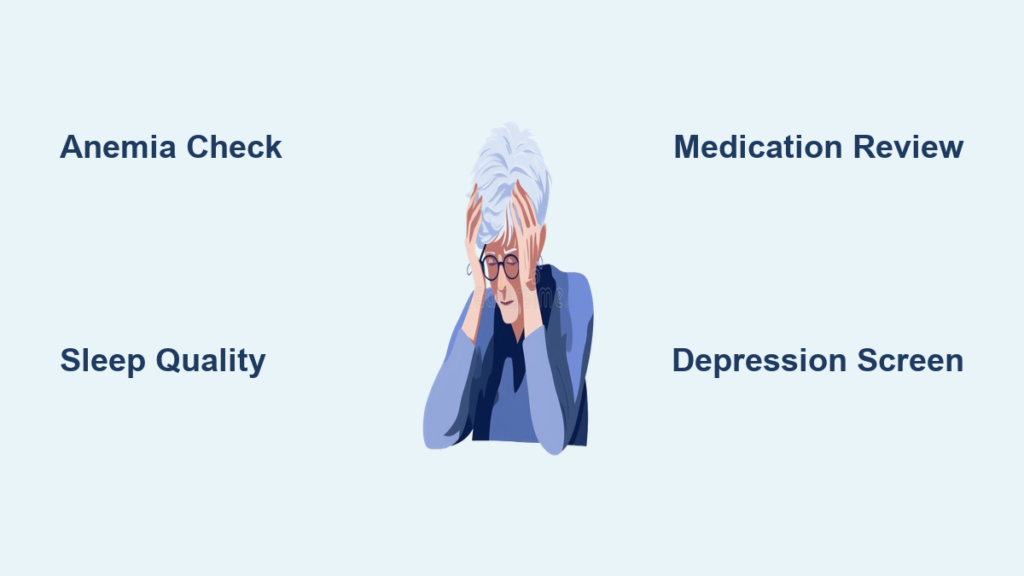
Feeling tired is a normal part of aging for many older adults, but persistent exhaustion is not something to ignore. Unlike ordinary tiredness that improves with rest, chronic exhaustion in the elderly often lingers and can interfere with daily life, making simple tasks like cooking, bathing, or walking feel overwhelming. This kind of fatigue may point to underlying physical, emotional, or lifestyle-related causes.
Understanding the causes of exhaustion in elderly individuals is the first step toward restoring energy and improving quality of life. In this guide, you’ll learn about medical conditions, emotional stressors, sleep issues, and daily habits that contribute to fatigue, and what can be done to address them.
Medical Conditions Linked to Fatigue

Several age-related health problems can directly cause or worsen exhaustion. These conditions often develop gradually, making their symptoms easy to overlook.
Parkinson’s Disease and Energy Loss
Fatigue is a common non-movement symptom of Parkinson’s disease and may appear early on, even before movement problems begin. It is not just physical tiredness; it can also include mental fatigue that makes it hard to focus or stay alert. If you or a loved one with Parkinson’s is experiencing fatigue, talking with a doctor is an important first step toward finding relief.
Heart and Lung Conditions
Chronic heart failure, coronary artery disease, and COPD (chronic obstructive pulmonary disease) reduce oxygen flow in the body, leading to breathlessness and fatigue. When the heart or lungs cannot keep up with the body’s demands, even light activity can feel exhausting. Recognizing symptoms like shortness of breath, chest discomfort, or swelling in the legs can help prompt early diagnosis and treatment.
Anemia and Low Energy
Anemia occurs when the blood does not carry enough oxygen due to a low red blood cell count. It is a frequent but treatable cause of fatigue in older adults and can result from iron deficiency, chronic disease, or poor nutrition. Symptoms include pale skin, dizziness, weakness, and tiredness. A simple blood test can diagnose anemia, and treatment may include dietary changes, supplements, or managing underlying conditions.
Thyroid Disorders
An underactive thyroid (hypothyroidism) slows metabolism, causing sluggishness, weight gain, cold intolerance, and fatigue. It is easily diagnosed with blood tests and managed with daily thyroid hormone replacement. Because symptoms develop slowly, many seniors do not realize their exhaustion is linked to thyroid function.
Emotional Causes of Exhaustion
Mental health plays a major role in physical energy. Emotional stress, grief, and mental health disorders are often overlooked contributors to fatigue in older adults.
Depression and Persistent Tiredness
Depression in the elderly often does not look like sadness. It may show up as constant fatigue, lack of motivation, or disinterest in activities. Many older adults with depression report physical tiredness more than emotional pain. Untreated depression can make chronic illnesses harder to manage and reduce quality of life. Treatment options include counseling, support groups, and antidepressant medications, which can significantly improve energy and mood.
Anxiety and Mental Drain
Worrying about health, finances, or loss of independence can lead to chronic anxiety, which drains mental and physical energy. Anxiety may also disrupt sleep and cause muscle tension, making fatigue worse. Techniques like deep breathing, mindfulness, and cognitive behavioral therapy (CBT) can help reduce anxiety and restore restful sleep.
Grief and Emotional Burnout
Losing a spouse, close friend, or caregiver can trigger prolonged grief, which often includes fatigue, insomnia, and low motivation. Grief-related exhaustion is real and may last months or longer. Support from family, counseling, or bereavement groups can help seniors process loss and regain emotional strength.
Sleep Problems in Seniors
Even with enough time in bed, many older adults do not get restorative sleep, leading to daytime exhaustion.
Insomnia and Sleep Fragmentation
Insomnia, or trouble falling or staying asleep, is common in older adults. Frequent nighttime bathroom trips, pain, or medications can interrupt sleep cycles. Fragmented sleep prevents the body from reaching deep, restorative stages, leaving you tired the next day. Addressing underlying causes like sleep apnea, pain, or medication side effects can improve sleep quality.
Sleep Apnea and Oxygen Drops
Obstructive sleep apnea causes breathing to stop and start during sleep, reducing oxygen levels and disrupting rest. Loud snoring, gasping at night, and morning headaches are common signs. Untreated sleep apnea leads to chronic fatigue and increases the risk of heart disease. A sleep study can diagnose it, and treatments like CPAP machines can restore normal breathing and energy.
Poor Sleep Habits
Staying up too late disrupts the body’s natural rhythms and leaves you feeling drained the next day. Going to bed and waking up at the same time every day helps maintain energy. Creating a calming bedtime routine and avoiding caffeine after noon can help regulate sleep patterns.
Chronic Fatigue Syndrome in Older Adults
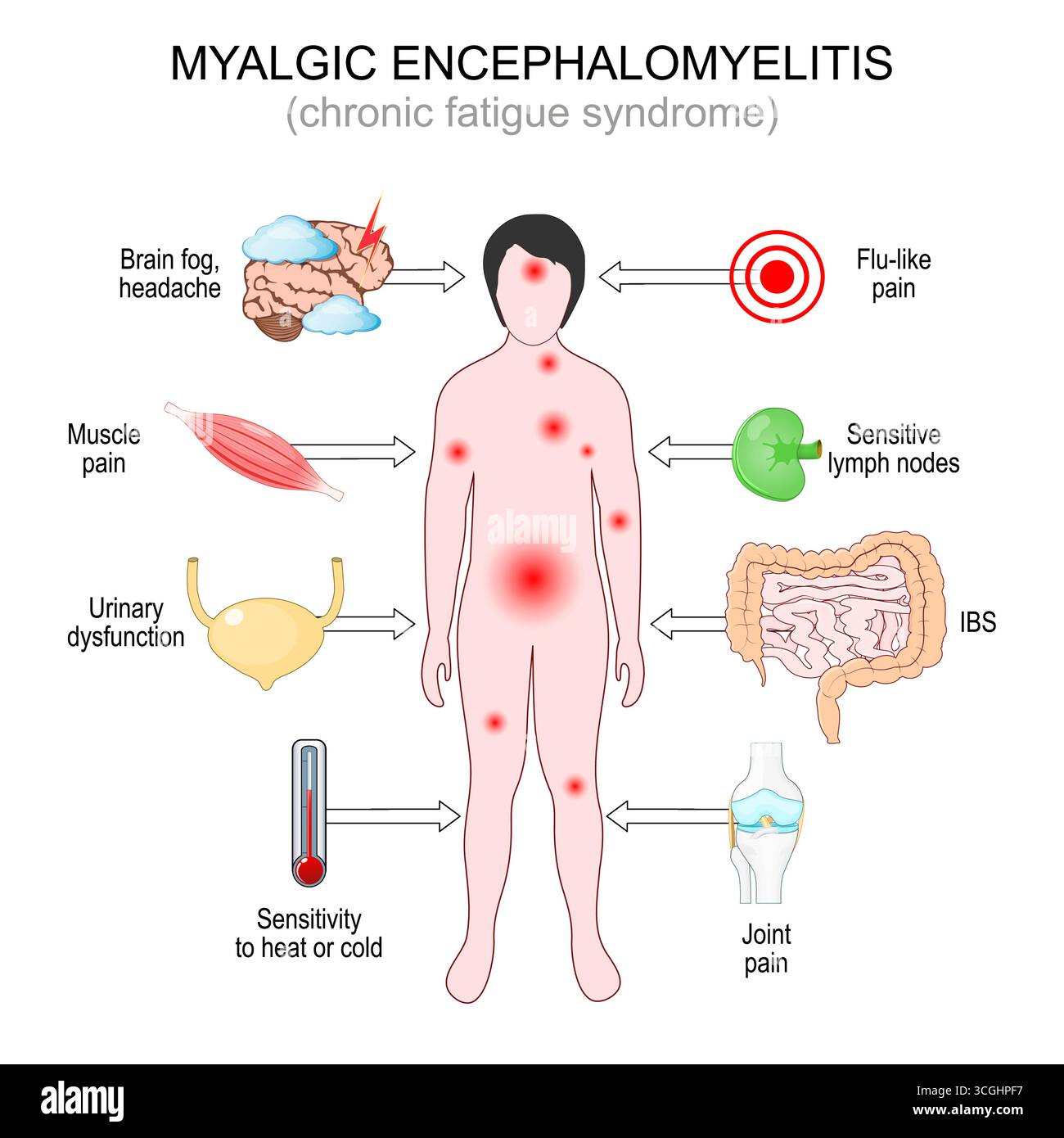
While less common, chronic fatigue syndrome (CFS), also called myalgic encephalomyelitis (ME) or ME/CFS, can affect older adults. It is diagnosed when severe fatigue lasts six months or longer and is not related to other diseases or conditions.
Symptoms Beyond Tiredness
People with CFS experience more than just fatigue. They often struggle with:
- Post-exertional malaise (feeling worse after physical or mental activity)
- Unrefreshing sleep
- Memory and concentration problems (“brain fog”)
- Dizziness when standing
- Sore throat and tender lymph nodes
Because symptoms mimic other conditions, CFS is often misdiagnosed. A thorough medical evaluation is needed to rule out other causes.
Managing ME/CFS
There is no cure, but symptom management can help. Pacing activities, cognitive therapy, and sleep regulation are key strategies. Seniors with CFS should avoid overexertion, as it can worsen symptoms for days.
Medication Side Effects
.jpg.aspx?width=600&height=600)
Many older adults take multiple medications, and fatigue is a common side effect of several.
Common Fatigue-Causing Drugs
- Antihistamines (e.g., diphenhydramine): Often in OTC sleep or allergy meds; can cause drowsiness
- Blood pressure medications (e.g., beta-blockers): May reduce energy and cause fatigue
- Sedatives and anti-anxiety drugs: Can linger in older bodies, leading to daytime sleepiness
- Antidepressants: Some, especially older types, cause drowsiness
If you suspect a medication is making you tired, do not stop taking it; talk to your doctor. Adjusting dosage or switching medications may help.
Lifestyle Factors That Drain Energy
Daily habits have a powerful impact on energy levels. Small changes can make a big difference.
Poor Nutrition and Low Energy
Eating too little, skipping meals, or relying on processed foods can lead to nutrient deficiencies, especially in iron, B12, and vitamin D, all of which affect energy. Older adults may eat less due to loss of appetite, dental problems, or loneliness. A balanced diet rich in protein, whole grains, fruits, and vegetables supports sustained energy.
Dehydration and Fatigue
Even mild dehydration can cause tiredness, confusion, and dizziness. Seniors often feel less thirsty and may not drink enough fluids. Aim for 6 to 8 glasses of water daily, and include water-rich foods like soups, fruits, and vegetables.
Physical Inactivity
It may seem counterintuitive, but being sedentary leads to more fatigue. Lack of movement reduces muscle strength, circulation, and stamina. Regular physical activity, even light walking, boosts energy by improving heart health, mood, and sleep.
Cancer and Treatment-Related Fatigue
Cancer itself and its treatments are major causes of exhaustion in older adults.
How Cancer Drains Energy
Tumors can release substances that affect metabolism and immune function, leading to fatigue. Additionally, the emotional stress of a diagnosis and pain from the disease contribute to tiredness.
Chemotherapy and Radiation Effects
Treatments like chemotherapy and radiation kill cancer cells but also damage healthy ones, causing extreme fatigue. This tiredness may last weeks or months after treatment ends. Managing it involves pacing activities, proper nutrition, and sometimes medication.
When to See a Doctor
Persistent exhaustion is not a normal part of aging. Knowing when to seek help can lead to better outcomes.
Warning Signs to Watch For
See a healthcare provider if you experience:
- Fatigue lasting more than 2 to 3 weeks
- Unexplained weight loss
- Fever or night sweats
- Chest pain or shortness of breath
- Confusion or memory problems
- Depression or thoughts of self-harm
Your doctor will review your medical history, medications, and daily routine. They may order blood tests to check for anemia, thyroid issues, infections, or diabetes.
What to Expect at the Appointment
Be ready to answer questions like:
- When did the fatigue start?
- Is it constant or worse at certain times?
- What makes it better or worse?
- Are you sleeping well?
- Have you had recent stress or loss?
Keeping a fatigue diary for a week can help your doctor spot patterns.
Tips to Reduce Fatigue

Small, consistent changes can boost energy and improve well-being.
Establish a Sleep Routine
Go to bed and wake up at the same time every day, even on weekends. Avoid screens an hour before bed, and keep your bedroom cool, dark, and quiet.
Stay Physically Active
Aim for 30 minutes of moderate activity most days, like walking, swimming, or chair yoga. Start slow and build up. Exercise increases energy by improving circulation and reducing inflammation.
Eat for Energy
Focus on:
- Lean proteins (chicken, fish, beans)
- Whole grains (oats, brown rice)
- Fruits and vegetables (especially leafy greens)
- Healthy fats (avocados, nuts, olive oil)
Eat small, frequent meals if large ones are hard to manage.
Manage Stress
Practice relaxation techniques daily:
- Deep breathing: Inhale for 4 counts, hold for 4, exhale for 6
- Meditation or mindfulness: Use apps or guided videos
- Gentle stretching or tai chi: Improves balance and reduces tension
Limit Caffeine and Alcohol
Caffeine after noon can interfere with sleep. Alcohol may help you fall asleep but disrupts deep sleep later in the night. Both can worsen fatigue over time.
Preventing Long-Term Exhaustion
Prevention starts with awareness and routine care.
Regular Health Screenings
Annual check-ups can catch problems early, like thyroid issues, diabetes, or heart disease, before they lead to fatigue.
Stay Socially Connected
Loneliness and isolation are linked to fatigue and depression. Staying connected with family, friends, or community groups boosts mental and emotional energy.
Review Medications Annually
Ask your doctor to review all medications and supplements yearly. Some may no longer be needed or could be contributing to tiredness.
Frequently Asked Questions About Causes of Exhaustion in Elderly
What is the most common cause of fatigue in older adults?
The most common causes include chronic medical conditions like heart disease, COPD, anemia, and thyroid disorders, as well as emotional factors such as depression and anxiety. Lifestyle habits like poor sleep, inactivity, and dehydration also play a major role.
When should an elderly person see a doctor for tiredness?
If fatigue lasts for several weeks without relief, or if it comes with symptoms like unexplained weight loss, shortness of breath, chest pain, confusion, or depression, it is time to see a healthcare provider.
Can medications make seniors feel tired?
Yes. Common medications like antihistamines, beta-blockers, sedatives, and some antidepressants can cause drowsiness and fatigue, especially in older adults who process drugs more slowly.
How can older adults boost energy naturally?
Maintaining a regular sleep schedule, staying physically active, eating a balanced diet, staying hydrated, and managing stress through relaxation techniques can all help improve energy levels.
Is chronic fatigue syndrome common in seniors?
CFS is less common in older adults than in younger people, but it does occur. It is diagnosed when severe fatigue lasts six months or longer and cannot be explained by another condition.
Key Takeaways for Understanding Exhaustion in Older Adults
Exhaustion in older adults is common but not inevitable. The most impactful steps include identifying underlying medical conditions, addressing emotional health, improving sleep quality, and reviewing medications with a doctor. Small lifestyle changes like regular movement, balanced nutrition, and stress management can make a meaningful difference.
If you or a loved one has been feeling drained for more than a few weeks, schedule a medical appointment. With the right support and changes, many seniors can feel stronger, more alert, and more engaged in life.