Gastrointestinal bleeding in older adults is a serious and potentially life-threatening condition that demands prompt recognition. As people age, the digestive system undergoes structural and functional changes that make bleeding more likely and harder to detect. Understanding the causes of GI bleed in elderly patients can help caregivers and family members respond quickly when warning signs appear.
This guide breaks down the most common upper and lower GI bleeding causes, explains why aging increases risk, and outlines what doctors typically look for during diagnosis. You will also learn about prevention strategies and when to seek emergency care.
Why Aging Increases the Risk of GI Bleeding
Several age-related changes make gastrointestinal bleeding more frequent and more dangerous in seniors. The stomach lining becomes thinner over time, and blood vessels grow more fragile. Many older adults also take medications that interfere with clotting or irritate the stomach.
Physiological Changes in the Aging Digestive Tract
With advancing age, gastric mucosal defense weakens, leaving the stomach more vulnerable to acid-related injury. Reduced prostaglandin production, decreased bicarbonate secretion, and slower mucosal repair all contribute to higher bleeding susceptibility. These changes explain why even minor irritants can trigger significant blood loss in older adults.
Medication-Related Risk Factors
Common medications taken by seniors are a leading contributor to GI bleeding episodes. These include:
- NSAIDs such as ibuprofen, naproxen, and aspirin
- Anticoagulants like warfarin, rivaroxaban, and apixaban
- Antiplatelet drugs used after heart attacks or stroke
- Corticosteroids, especially when combined with NSAIDs
Comorbid Conditions That Amplify Bleeding Risk
Chronic illnesses frequently found in elderly patients worsen bleeding outcomes. Heart failure reduces liver blood flow and clotting factor production. Chronic kidney disease impairs platelet function. Liver cirrhosis disrupts both coagulation and portal circulation.
Upper GI Bleeding Causes in Elderly Patients
Upper GI bleeding originates from the esophagus, stomach, or duodenum. It accounts for the majority of serious bleeding episodes in seniors and often presents with vomiting blood or black, tarry stools.
Peptic Ulcer Disease
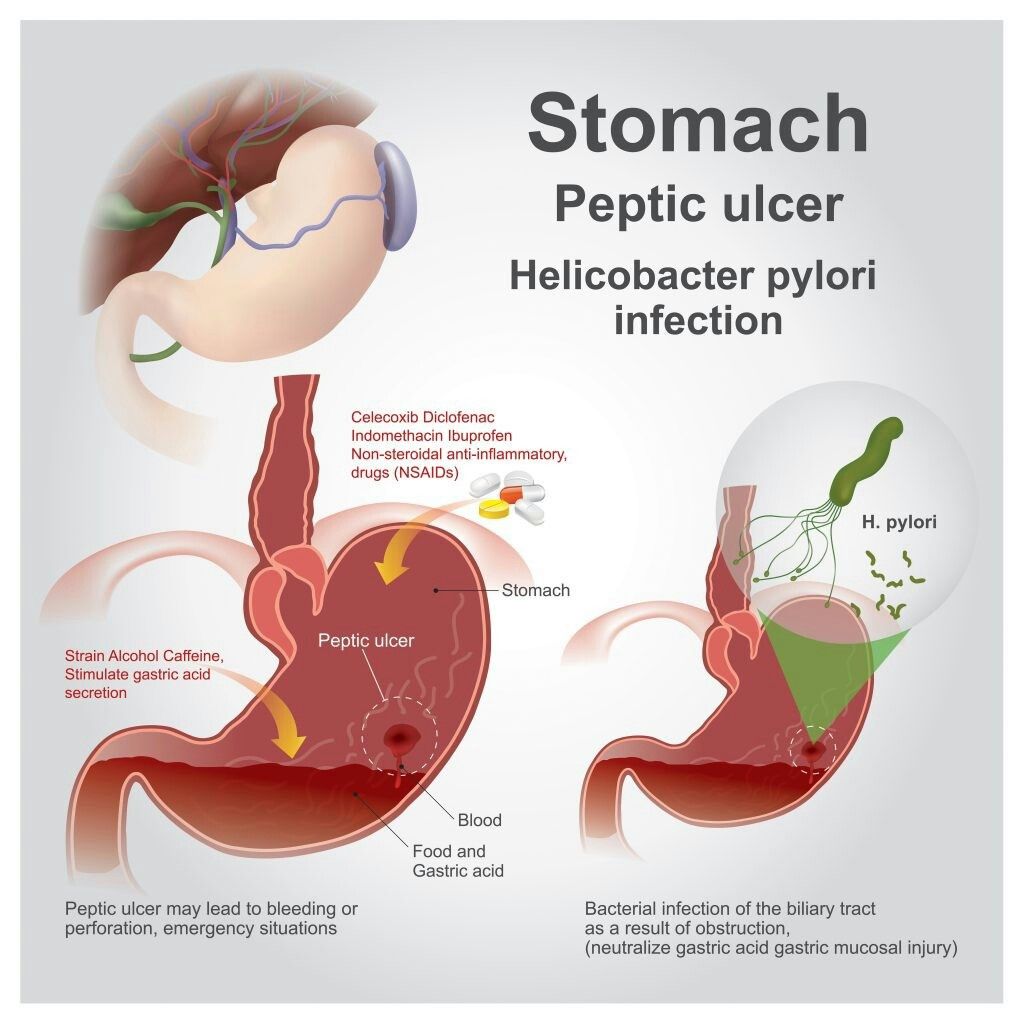
Peptic ulcers remain the single most common cause of upper GI bleeding in older adults. These open sores develop in the stomach lining or duodenum when acid overwhelms mucosal defenses. H. pylori infection and NSAID use are the two primary triggers.
Gastritis and Erosive Gastropathy
Inflammation of the stomach lining (gastritis) or widespread superficial erosions (erosive gastropathy) can cause significant bleeding. These conditions often result from medication use, alcohol consumption, or severe physiological stress such as sepsis or major surgery.
Esophageal Varices
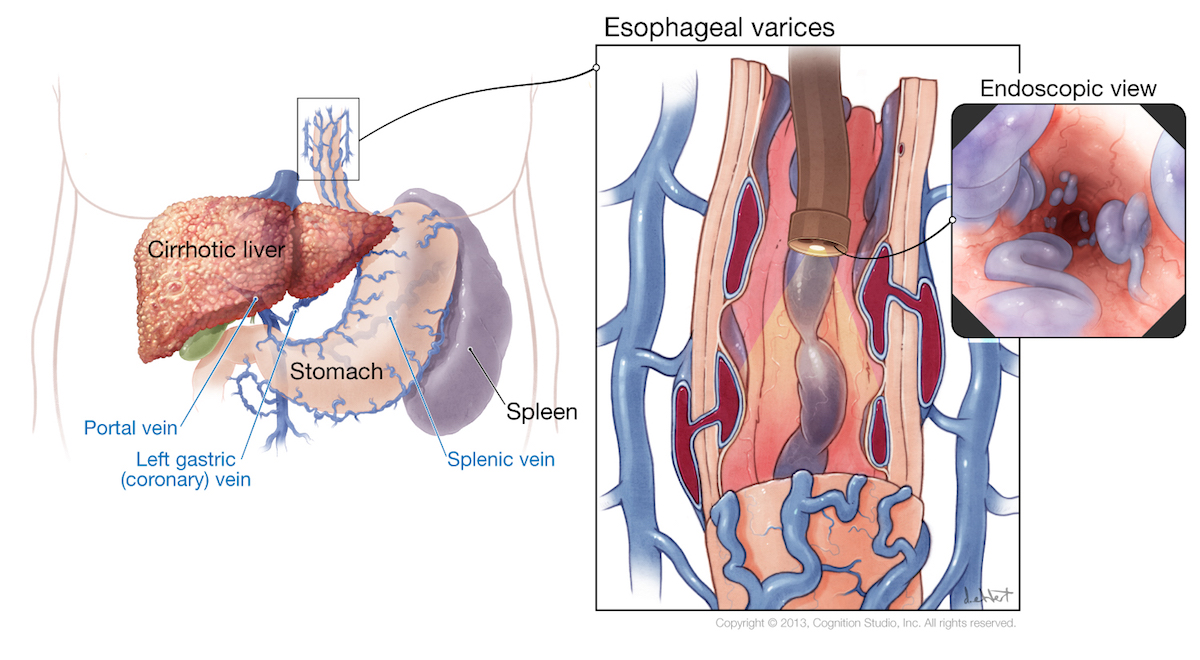
Varices are enlarged veins in the lower esophagus that develop when liver disease causes portal hypertension. When these vessels rupture, bleeding can be massive and rapidly fatal. Cirrhosis from any cause is the underlying risk factor.
Mallory-Weiss Tears
Forceful or prolonged vomiting can create linear tears at the junction of the esophagus and stomach. While these tears often heal on their own, they can cause substantial bleeding in elderly patients on anticoagulants.
Esophagitis and Ulcerations
Chronic acid reflux or pill-induced injury can inflame and ulcerate the esophageal lining. Bisphosphonates, potassium supplements, and certain antibiotics are frequent culprits when taken without adequate water.
Lower GI Bleeding Causes in Elderly Patients
Lower GI bleeding originates from the small intestine, colon, rectum, or anus. In seniors, the most common sources are diverticular disease and vascular abnormalities.
Diverticulosis and Diverticular Bleeding
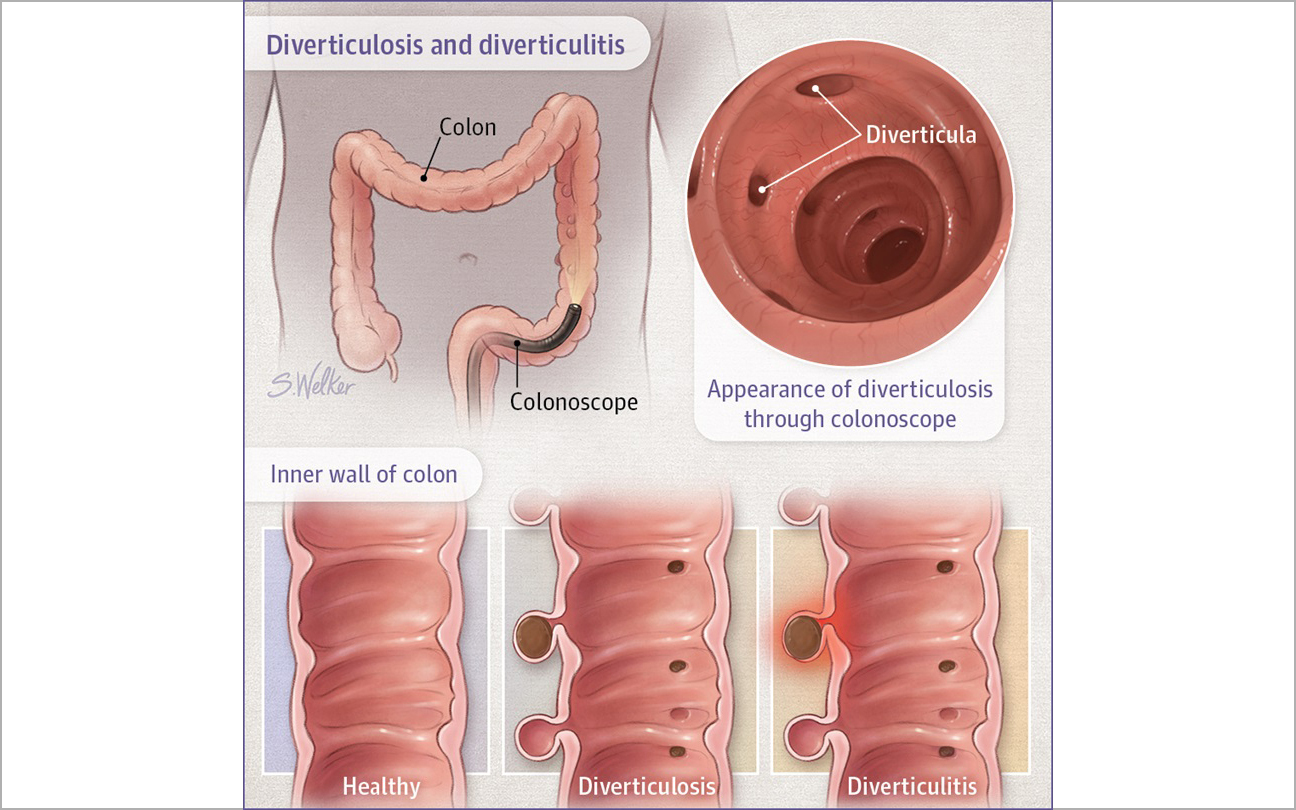
Small pouches called diverticula form in weak spots of the colon wall, a condition that becomes increasingly common after age 60. When a blood vessel inside a diverticulum ruptures, it can produce painless but heavy rectal bleeding.
Angiodysplasia
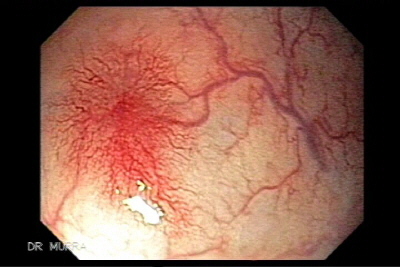
Angiodysplasia refers to malformed, fragile blood vessels in the colon or small intestine. These lesions are a frequent source of chronic, slow blood loss in elderly patients and may contribute to iron deficiency anemia.
Colorectal Polyps and Cancer
Benign polyps and malignant tumors can ulcerate and bleed. Right-sided colon cancers in particular often present with occult bleeding rather than visible blood loss, making anemia the first clinical clue.
Hemorrhoids and Anal Fissures
While less dangerous than other causes, hemorrhoids and anal fissures are extremely common sources of bright red rectal bleeding in older adults. Constipation, straining, and reduced tissue elasticity all contribute.
Ischemic Colitis
Reduced blood flow to the colon, often during episodes of low blood pressure or dehydration, can cause inflammation and bleeding. Ischemic colitis typically presents with sudden abdominal pain followed by bloody diarrhea.
Inflammatory Bowel Disease
Although IBD more commonly begins in younger patients, late-onset cases do occur. Ulcerative colitis and Crohn’s disease can both cause significant GI bleeding in seniors.
Small Bowel Bleeding (Obscure GI Hemorrhage)
When no source is identified in the upper or lower tract, bleeding may originate in the small intestine. This is called obscure GI bleeding and is more challenging to diagnose.
Common Small Bowel Sources
Small bowel tumors, angiodysplasia, and ulcers from NSAIDs or celiac disease are leading causes. Video capsule endoscopy and balloon-assisted enteroscopy are often required for diagnosis.
Recognizing Symptoms of GI Bleeding in Seniors
Older adults may not exhibit classic bleeding symptoms. Subtle presentations are common and can delay diagnosis.
Visible Signs of Bleeding
- Vomiting bright red blood or coffee-ground material
- Black, tarry, foul-smelling stools (melena)
- Bright red blood per rectum (hematochezia)
- Blood on toilet paper or in the toilet bowl
Hidden or Atypical Presentations
Many seniors first present with symptoms of anemia rather than visible blood loss. Watch for:
- Unexplained fatigue or weakness
- Shortness of breath with minimal exertion
- Dizziness or lightheadedness when standing
- Pale skin and rapid heartbeat
- Confusion or altered mental status
Diagnostic Approaches for GI Bleeding in the Elderly
Accurate diagnosis requires a combination of clinical evaluation, laboratory testing, and endoscopic procedures.
Initial Evaluation
Doctors begin with a thorough history, medication review, and physical examination. Blood tests assess hemoglobin, hematocrit, coagulation status, kidney function, and liver enzymes.
Endoscopic Procedures
Upper endoscopy (EGD) examines the esophagus, stomach, and duodenum. Colonoscopy evaluates the rectum and entire colon. Both procedures can be diagnostic and therapeutic, allowing doctors to stop active bleeding during the exam.
Imaging Studies
CT angiography can identify active bleeding rates as low as 0.3 to 0.5 mL per minute. Tagged red blood cell scans detect slower bleeding rates and help localize the source.
Treatment Options for GI Bleeding in Elderly Patients

Treatment depends on the bleeding source, severity, and the patient’s overall health status.
Stabilization and Resuscitation
Initial management focuses on restoring blood volume and stabilizing vital signs. IV fluids, blood transfusions, and reversal of anticoagulants are often necessary.
Endoscopic Therapy
Techniques include injection of epinephrine, thermal coagulation, mechanical clipping, and band ligation. These methods achieve hemostasis in most upper GI bleeding cases.
Medical Therapy
Proton pump inhibitors reduce stomach acid and promote ulcer healing. Antibiotics treat H. pylori infection. Octreotide lowers portal pressure in variceal bleeding.
Surgical and Radiologic Interventions
Angiographic embolization can stop bleeding when endoscopy fails. Surgery remains an option for uncontrolled hemorrhage or tumors.
Prevention Strategies for High-Risk Seniors
Preventing GI bleeding is often possible with careful medication management and lifestyle adjustments.
Medication Safety Practices
- Use acetaminophen instead of NSAIDs when possible
- Take NSAIDs with food and the lowest effective dose
- Add a PPI when long-term NSAID therapy is required
- Review anticoagulant necessity regularly with your doctor
Lifestyle Modifications
- Limit alcohol consumption
- Quit smoking to reduce ulcer risk
- Eat a high-fiber diet to prevent constipation and diverticular disease
- Stay hydrated to support mucosal health
Regular Screening
Colonoscopy screening detects polyps before they become cancerous. H. pylori testing and treatment reduces ulcer-related bleeding risk. Routine blood counts can catch anemia from hidden bleeding early.
When to Seek Emergency Care
Call 911 or go to the nearest emergency room if an elderly person experiences:
- Vomiting blood or material resembling coffee grounds
- Large amounts of rectal bleeding
- Fainting, severe dizziness, or confusion
- Rapid heartbeat with low blood pressure
- Chest pain or severe abdominal pain
Frequently Asked Questions About Causes of GI Bleed in Elderly
What is the most common cause of GI bleeding in elderly patients?
Peptic ulcer disease is the leading cause of upper GI bleeding in seniors, while diverticular bleeding is the most common source of lower GI bleeding in this age group.
Why are elderly patients more prone to GI bleeding?
Aging weakens the stomach lining, increases medication use (especially NSAIDs and anticoagulants), and raises the prevalence of conditions like liver disease and heart failure that contribute to bleeding risk.
Can constipation cause GI bleeding in the elderly?
Constipation itself does not cause internal GI bleeding, but straining can worsen hemorrhoids and anal fissures, leading to visible bright red blood.
How do doctors find the source of GI bleeding?
Doctors use upper endoscopy, colonoscopy, capsule endoscopy, and CT angiography to locate bleeding sources. The choice depends on whether the bleeding is suspected to be upper or lower in origin.
Are anticoagulants a common cause of GI bleeding in seniors?
Yes. Blood thinners like warfarin, apixaban, and rivaroxaban significantly increase bleeding risk, especially when combined with NSAIDs or in patients with underlying ulcers or angiodysplasia.
Can GI bleeding in the elderly be prevented?
Many cases are preventable through medication review, H. pylori treatment, PPI co-therapy with NSAIDs, alcohol moderation, and routine colonoscopy screening.
Final Thoughts on Causes of GI Bleed in Elderly
Gastrointestinal bleeding in older adults is most often driven by peptic ulcer disease, diverticulosis, angiodysplasia, and medication-related injury. Recognizing subtle symptoms like fatigue, confusion, or anemia can lead to earlier diagnosis and better outcomes. If you or a loved one takes NSAIDs, anticoagulants, or has chronic liver, kidney, or heart disease, schedule a medication review with a healthcare provider today to reduce bleeding risk before an emergency occurs.