
Anaemia affects roughly one in three adults over 65, yet it often goes undiagnosed because symptoms like tiredness and weakness are dismissed as normal aging. The truth is that anaemia in older adults is never a harmless part of getting older. It is a clinical signal pointing to specific, often treatable conditions. Understanding the causes of anaemia in elderly patients helps families, caregivers, and clinicians act early before complications like falls, cognitive decline, or hospitalization set in.
This guide walks you through the most frequent causes, from nutritional gaps and chronic illness to medication side effects and unexplained cases. You will also learn which tests doctors typically order and when specialist referral becomes necessary.
Nutritional Deficiencies Behind Anaemia in Older Adults
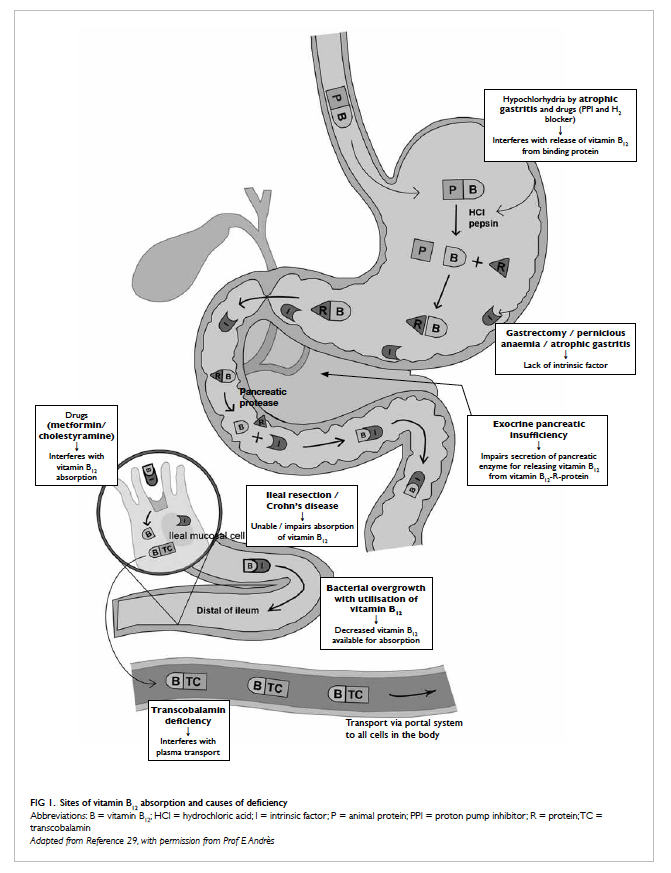
Nutrient shortages rank among the most reversible causes of anaemia in elderly individuals. Age-related appetite loss, digestive changes, and restricted diets make deficiencies surprisingly common.
Iron Deficiency from Diet or Hidden Blood Loss
Iron deficiency produces microcytic anaemia, meaning red blood cells become smaller than normal. While poor dietary intake plays a role, chronic gastrointestinal blood loss is the more dangerous contributor. Common culprits include peptic ulcers, angiodysplasia, colorectal cancer, and long-term NSAID use. Doctors confirm the diagnosis through low ferritin, high TIBC, and low MCV results. Because malignancy is a real possibility, colonoscopy and upper endoscopy are often recommended even when bleeding is not obvious.
Pro Tip: In any older adult with unexplained iron deficiency anaemia, gastrointestinal cancer must be ruled out through endoscopic evaluation.
Vitamin B12 and Folate Shortfalls
B12 and folate drive DNA synthesis in red blood cells. When levels drop, macrocytic anaemia develops, producing oversized red cells. B12 deficiency in seniors usually stems from atrophic gastritis, which lowers intrinsic factor and blocks absorption. Pernicious anaemia, proton pump inhibitor use, and vegetarian diets also contribute. Folate deficiency often links to poor nutrition, alcohol use, or methotrexate therapy. Diagnosis relies on serum B12 and methylmalonic acid testing, since MMA rises even when B12 levels appear borderline.
Anaemia of Chronic Disease and Inflammation

Chronic illness triggers a distinct form of anaemia that differs from iron deficiency in both mechanism and lab findings.
How Inflammation Blocks Iron Availability
Long-term conditions like rheumatoid arthritis, COPD, cancer, and heart failure release cytokines such as interleukin-6. These molecules boost hepcidin, a liver hormone that locks iron inside storage cells and prevents it from reaching the bone marrow. The result is normocytic or mildly microcytic anaemia with low serum iron but normal or elevated ferritin. Unlike iron deficiency, TIBC stays low or normal.
Conditions Most Often Linked to ACD
Elderly patients face higher risk when living with any of the following:
- Rheumatoid arthritis
- Chronic obstructive pulmonary disease
- Inflammatory bowel disease
- Chronic kidney disease
- Solid tumours or lymphomas
- Persistent infections such as tuberculosis
Treating the underlying disease frequently improves haemoglobin, though advanced cases may need additional support.
Chronic Kidney Disease and Low Erythropoietin

Healthy kidneys produce erythropoietin, the hormone that tells bone marrow to make red blood cells. As kidney function declines, EPO output falls, producing normocytic, normochromic anaemia.
Why Renal Decline Triggers Anaemia
In chronic kidney disease stages 3 through 5, falling GFR closely tracks falling haemoglobin. Shortened red blood cell lifespan, uremic toxins, inflammation, and iron loss during dialysis make the problem worse. Lab work shows inappropriately low EPO levels for the degree of anaemia. Treatment may include erythropoiesis-stimulating agents and intravenous iron, especially for patients on dialysis.
Expert Note: Anaemia in chronic kidney disease progresses over time and benefits from coordinated care between nephrologists and haematologists.
Bone Marrow Disorders Common in Seniors
Ageing increases the likelihood of clonal blood disorders that disrupt normal red cell production.
Myelodysplastic Syndromes
MDS refers to a group of conditions marked by ineffective blood cell production. Most common in adults over 70, MDS can produce macrocytic, normocytic, or microcytic anaemia. Diagnosis requires bone marrow biopsy showing dysplasia in at least one cell line, along with cytogenetic testing. Some cases eventually progress to acute myeloid leukaemia.
Other Marrow-Infiltrating Diseases
Several conditions crowd out healthy marrow and trigger anaemia:
- Multiple myeloma disrupts normal haematopoiesis through plasma cell overgrowth
- Metastatic cancers from breast, prostate, or lung spread into bone marrow
- Myelofibrosis replaces marrow with scar-like tissue
- Lymphoma infiltrates marrow with malignant cells
These often show abnormal counts, circulating blasts, or B symptoms like fever, night sweats, and weight loss.
Gastrointestinal Blood Loss as a Hidden Driver

Slow, invisible bleeding in the digestive tract remains one of the most serious causes of anaemia in elderly patients.
Frequent Sources of GI Bleeding
- Colorectal cancer may cause anaemia before any other symptom appears
- Peptic ulcer disease links to H. pylori infection or NSAID use
- Angiodysplasia creates fragile vascular malformations, especially in patients with kidney disease
- Gastritis and esophagitis affect PPI users and heavy drinkers
- Diverticular bleeding can be acute or chronic
Faecal occult blood tests or FIT can screen for hidden blood, but colonoscopy and upper endoscopy usually provide the definitive answer.
Warning: Unexplained iron deficiency anaemia in anyone over 50 calls for endoscopic evaluation to rule out malignancy.
Medication-Related Anaemia
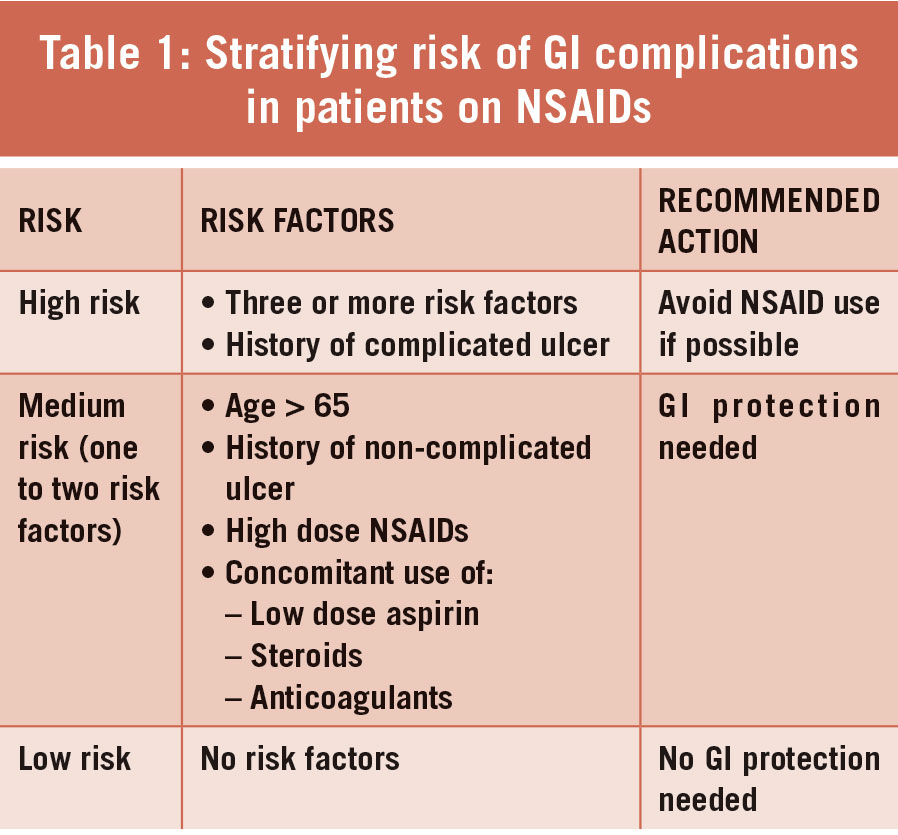
Many prescriptions taken regularly by older adults can cause or worsen anaemia.
Drugs That Carry the Highest Risk
- NSAIDs such as ibuprofen and naproxen erode the stomach lining and cause occult bleeding
- Anticoagulants including warfarin and DOACs raise bleeding risk throughout the body
- Proton pump inhibitors reduce iron and B12 absorption over months or years
- ACE inhibitors may lower EPO production and trigger normocytic anaemia
- Chemotherapy agents suppress overall marrow function
- Rare drugs like chloramphenicol, methyldopa, and levodopa can trigger aplastic anaemia or immune haemolysis
A careful medication review often reveals the culprit. Stopping or switching the drug frequently resolves the anaemia.
Haemolytic Anaemias in Older Adults
In haemolytic conditions, red blood cells break down faster than the body can replace them.
Autoimmune Haemolytic Anaemia
AIHA happens when antibodies target and destroy red blood cells. It can occur on its own or alongside lymphoproliferative disorders, autoimmune disease, or infections. Diagnosis relies on a positive direct Coombs test, elevated LDH, low haptoglobin, and high reticulocyte counts. Treatment options include corticosteroids, immunosuppressants, or rituximab.
Microangiopathic Haemolytic Anaemia
MAHA involves mechanical destruction of red cells inside small vessels. Triggers in seniors include thrombotic thrombocytopenic purpura, hemolytic uremic syndrome, disseminated intravascular coagulation, malignant hypertension, and prosthetic heart valves. A peripheral blood smear reveals schistocytes, or fragmented red cells, alongside low platelets and high LDH.
Unexplained Anaemia of the Elderly

Roughly one-third of cases remain unsolved even after thorough testing.
How Doctors Define UAE
Unexplained anaemia is diagnosed when haemoglobin stays below 13 g/dL in men or 12 g/dL in women, and all common causes have been ruled out. It tends to be mild, stable, and more frequent in otherwise healthy seniors.
Leading Theories Behind UAE
Researchers suspect several contributing factors:
- Age-related decline in bone marrow reserve
- Low-grade chronic inflammation sometimes called inflammaging
- Blunted erythropoietin response
- Hormonal shifts such as testosterone decline
Regular monitoring matters because what looks unexplained today may reveal a clear cause later.
Frequently Asked Questions About Anaemia in the Elderly
What is the most common cause of anaemia in elderly patients?
Anaemia of chronic disease and iron deficiency rank among the top causes, often appearing together in older adults with multiple health conditions.
Can medications cause anaemia in seniors?
Yes. NSAIDs, anticoagulants, PPIs, ACE inhibitors, and chemotherapy drugs are well-documented contributors. A medication review often uncovers the source.
When should an elderly person see a doctor for anaemia?
Any persistent fatigue, pallor, dizziness, shortness of breath, or cognitive fog warrants evaluation. Anaemia is never a normal part of aging.
How is anaemia diagnosed in older adults?
Doctors typically start with a complete blood count, reticulocyte count, iron studies, renal function tests, and vitamin B12 and folate levels. Further testing may include endoscopy, bone marrow biopsy, or autoimmune panels.
Is unexplained anaemia dangerous?
Unexplained anaemia is usually mild and stable, but it still requires monitoring. It can signal early disease and raises the risk of falls, frailty, and hospitalization.
Can anaemia in the elderly be cured?
Treatment depends on the cause. Nutritional deficiencies respond well to supplementation. Anaemia from chronic disease often improves when the underlying condition is managed. Bone marrow disorders may need long-term therapy.
Key Takeaways for Identifying Causes of Anaemia in Elderly Patients
Anaemia in older adults is a meaningful warning sign that deserves prompt attention. The most actionable steps include:
- Recognizing that fatigue and weakness are not normal aging
- Requesting a basic workup including CBC, iron studies, B12, folate, and renal function
- Ruling out gastrointestinal bleeding through endoscopic evaluation when iron deficiency appears
- Reviewing all medications with a pharmacist or doctor
- Following up regularly when no clear cause is found
If you or a loved one shows signs of anaemia, schedule a medical evaluation this week. Early identification of the underlying cause can restore energy, protect independence, and prevent serious complications down the road.